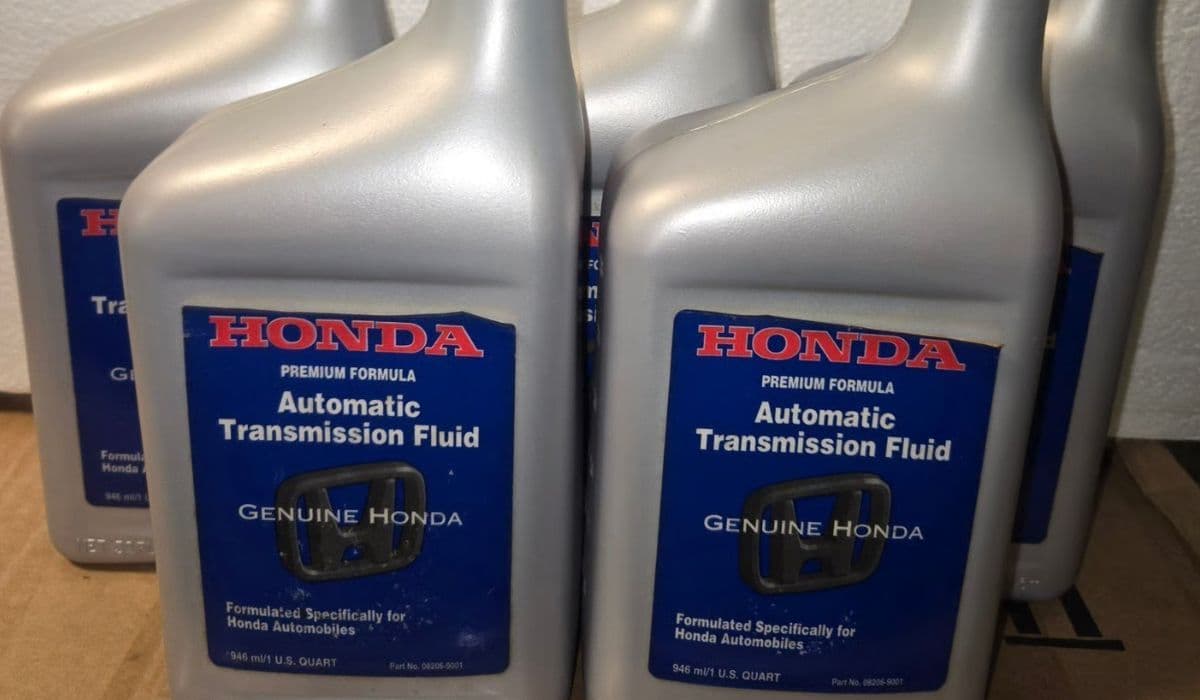
Honda CVT: Using Genuine HCF-2 Fluid Only Guide
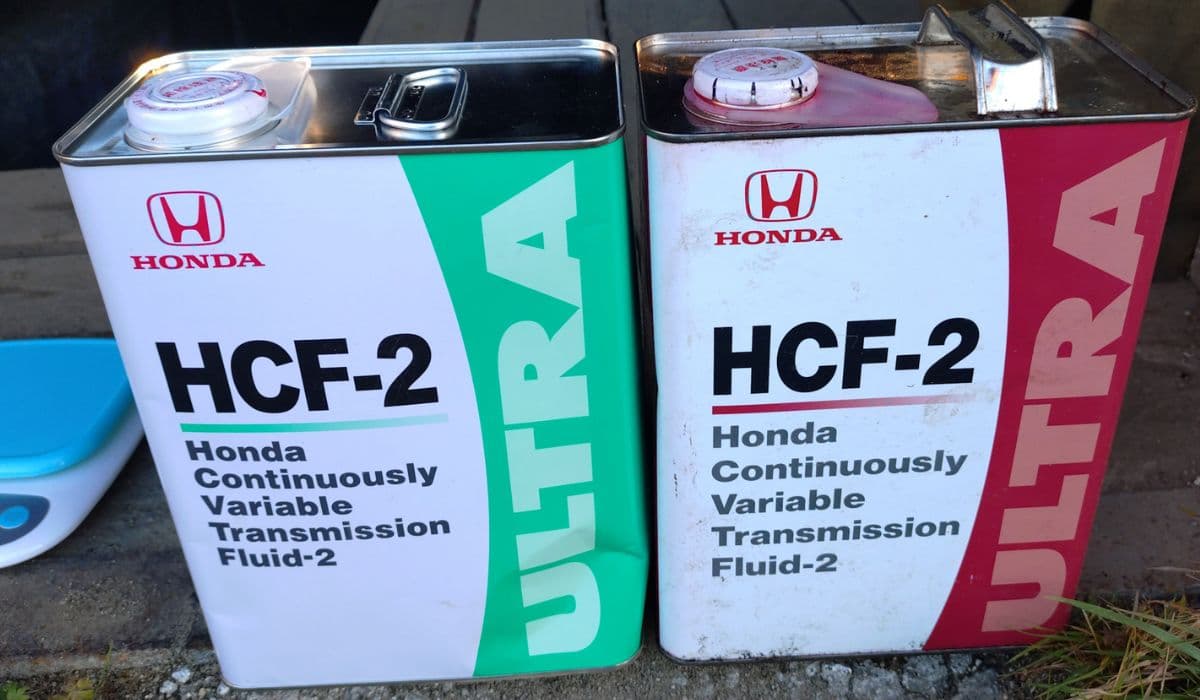
Honda's Continuously Variable Transmission (CVT) represents a pinnacle of automotive engineering, designed to deliver seamless power delivery and optimal fuel efficiency. Unlike traditional automatic transmissions with fixed gears, a CVT uses a belt and pulley system to provide an infinite range of gear ratios. This allows the engine to operate at its most efficient RPM regardless of speed, resulting in smoother acceleration and better mileage.
What sets Honda's CVT apart is its integration with the brand's renowned reliability. Models like the Civic, Accord, and HR-V often feature this system, enhancing everyday driving with responsive performance. However, the heart of this technology lies in its lubrication and cooling requirements, where the choice of fluid plays a critical role in maintaining longevity and efficiency.
The Role of HCF-2 Fluid in Honda CVT
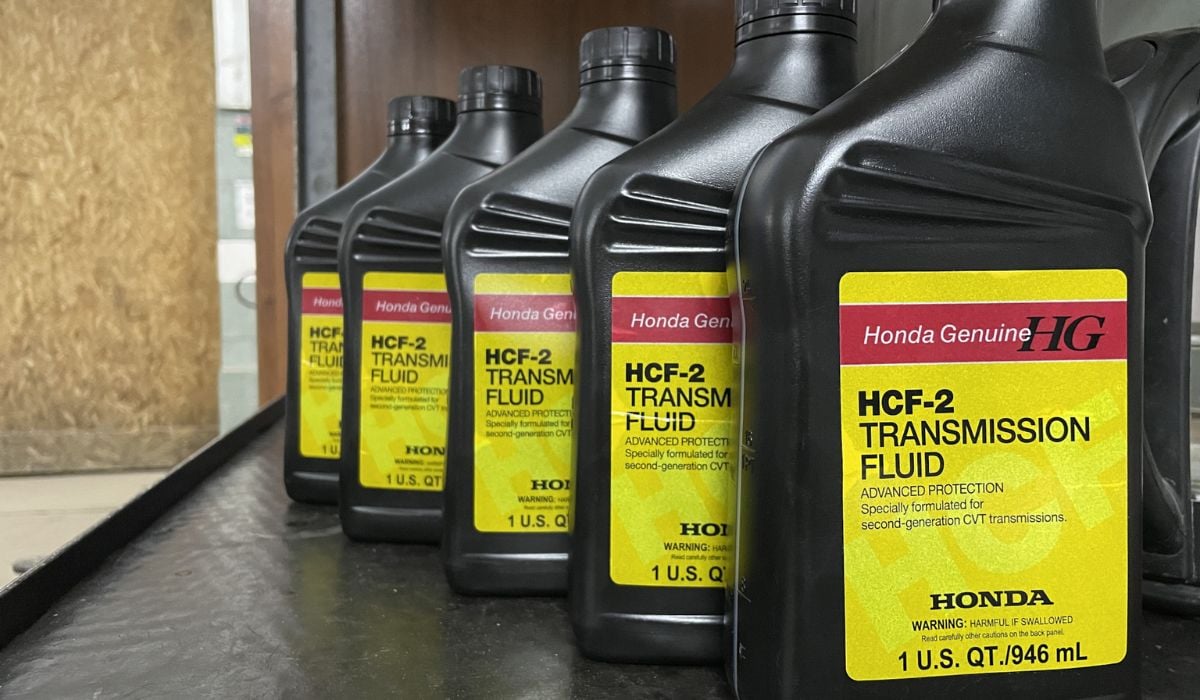
HCF-2, or Honda Continuously Variable Transmission Fluid-2, is a specially formulated lubricant engineered exclusively for Honda's CVT systems. This fluid isn't just any transmission oil; it's a high-tech blend that ensures proper friction characteristics, heat dissipation, and protection against wear.
Key attributes of HCF-2 include:
Superior thermal stability to handle the high temperatures generated during operation.
Optimized viscosity for smooth belt movement and reduced slippage.
Additives that prevent oxidation and maintain cleanliness inside the transmission.
Honda developed HCF-2 after extensive testing to match the unique demands of their CVT design. It acts as both a lubricant and a hydraulic fluid, controlling the pulleys' adjustments for seamless ratio changes. Without it, the intricate components could suffer premature degradation, leading to costly issues down the road.
Why Genuine HCF-2 is Essential
Opting for genuine HCF-2 isn't about brand loyalty—it's about preserving the engineering integrity of your Honda's CVT. Aftermarket fluids might claim compatibility, but they often fall short in matching Honda's precise specifications. Genuine fluid undergoes rigorous quality control to ensure consistency in every batch.
Consider the science behind it: Honda's CVT relies on exact friction coefficients to prevent belt slippage or excessive wear. Non-genuine options may alter these properties, causing erratic shifting or overheating. Real-world experiences from Honda owners highlight how using the right fluid maintains that signature smooth ride, especially in stop-and-go traffic or highway cruising.
Moreover, genuine HCF-2 helps in extending the transmission's lifespan by minimizing internal corrosion and buildup. It's formulated to work synergistically with Honda's seals and materials, avoiding swelling or degradation that could lead to leaks.
Risks Associated with Non-Genuine Fluids
Venturing into non-genuine fluids can introduce a host of problems that compromise your vehicle's performance. One common issue is increased friction, which generates excess heat and accelerates component wear. Over time, this might manifest as shuddering during acceleration or delayed response.
Potential hazards include:
Clogged filters from incompatible additives, reducing fluid flow and starving the transmission of lubrication.
Seal failures due to chemical mismatches, resulting in fluid leaks and contamination.
Reduced efficiency, where the CVT struggles to maintain optimal ratios, impacting fuel economy and power output.
In extreme cases, using the wrong fluid could void warranties or lead to complete transmission failure. Honda engineers have documented instances where aftermarket fluids caused varnish buildup, hindering the pulleys' movement and leading to erratic behavior. Sticking with genuine HCF-2 mitigates these risks, ensuring your drive remains reliable and enjoyable.
Step-by-Step Guide to Checking HCF-2 Fluid Levels
Maintaining proper fluid levels is straightforward and crucial for CVT health. Start by parking on a level surface and warming up the engine to operating temperature. Locate the CVT dipstick, usually marked clearly under the hood.
Follow these steps:
Pull out the dipstick, wipe it clean, and reinsert it fully.
Remove it again to check the level against the markings—ensure it's between the low and high indicators.
Inspect the fluid's color and smell; fresh HCF-2 is typically reddish and odorless, while dark or burnt-smelling fluid signals a need for change.
If levels are low, top up slowly with genuine HCF-2 to avoid overfilling, which can cause foaming and poor performance. Regular checks, ideally every oil change, help catch issues early.
Proper Procedure for Changing HCF-2 Fluid
Changing the fluid periodically keeps your CVT in top shape. Honda recommends intervals based on driving conditions, but always consult your owner's manual for specifics. Gather tools like a drain pan, funnel, and genuine HCF-2 before starting.
Begin by draining the old fluid:
Remove the drain plug at the bottom of the transmission and let it fully empty.
Replace the drain plug washer if worn, then reinstall the plug securely.
Refill through the dipstick tube or fill port, adding the specified amount gradually.
After filling, run the engine through various gears to circulate the fluid, then recheck levels. This process flushes out contaminants, restoring smooth operation. For a more thorough service, consider a fluid exchange at a certified facility, which replaces a higher percentage of the old fluid.
Maintenance Tips for Optimal CVT Performance
Beyond fluid changes, several practices enhance your Honda CVT's durability. Drive habits play a big role—avoid aggressive acceleration from a stop, as it stresses the belt system. Instead, ease into throttle inputs for gradual power buildup.
Additional tips include:
Monitoring for unusual noises or vibrations, which could indicate fluid-related issues.
Keeping the cooling system in check, since overheating affects fluid viscosity.
Scheduling regular inspections during routine maintenance to spot leaks early.
In hotter climates or with frequent towing, more frequent fluid checks are advisable. Pairing these habits with genuine HCF-2 ensures your CVT operates efficiently, delivering that effortless driving experience Honda is known for.
Enhancing Driving Experience with Proper Fluid Use
Using genuine HCF-2 transforms how your Honda performs daily. Imagine gliding through city streets without the jerkiness of gear shifts, or merging onto highways with instant torque. This fluid maintains the CVT's ability to adapt to your driving style, whether it's eco-conscious commuting or spirited weekend drives.
Owners often report improved responsiveness after a fresh fluid change, with the transmission feeling rejuvenated. It's like giving your car a performance boost without modifications. By prioritizing this essential component, you're investing in smoother rides and fewer headaches over time.
More from Honda
How to Fix 11th Generation Honda Civic Screen Delamination (2022–2024 Models)
08.12.2025 12:32
How to Disable Honda Walk Away Auto Lock Forever
08.12.2025 12:44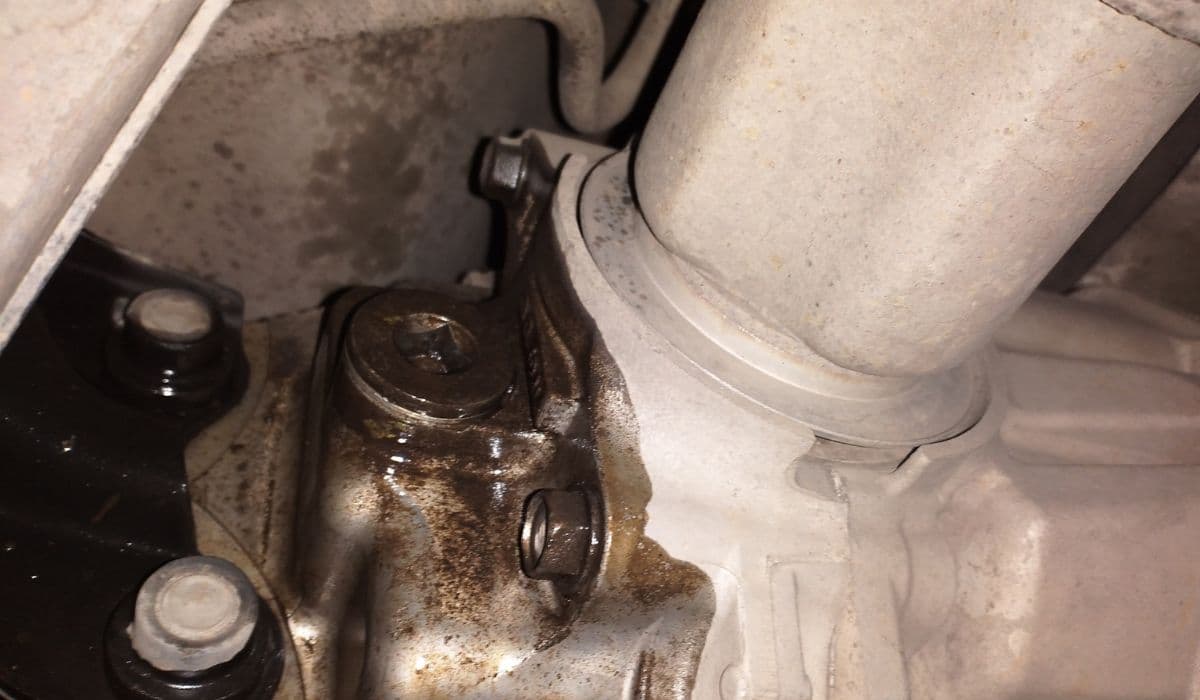
Honda CR-V: Rear Differential Fluid Change for AWD Models
24.12.2025 06:39
Honda Civic Low Beam Headlight Bulb Replacement Trick That Saves Hours and Broken Clips
08.12.2025 09:38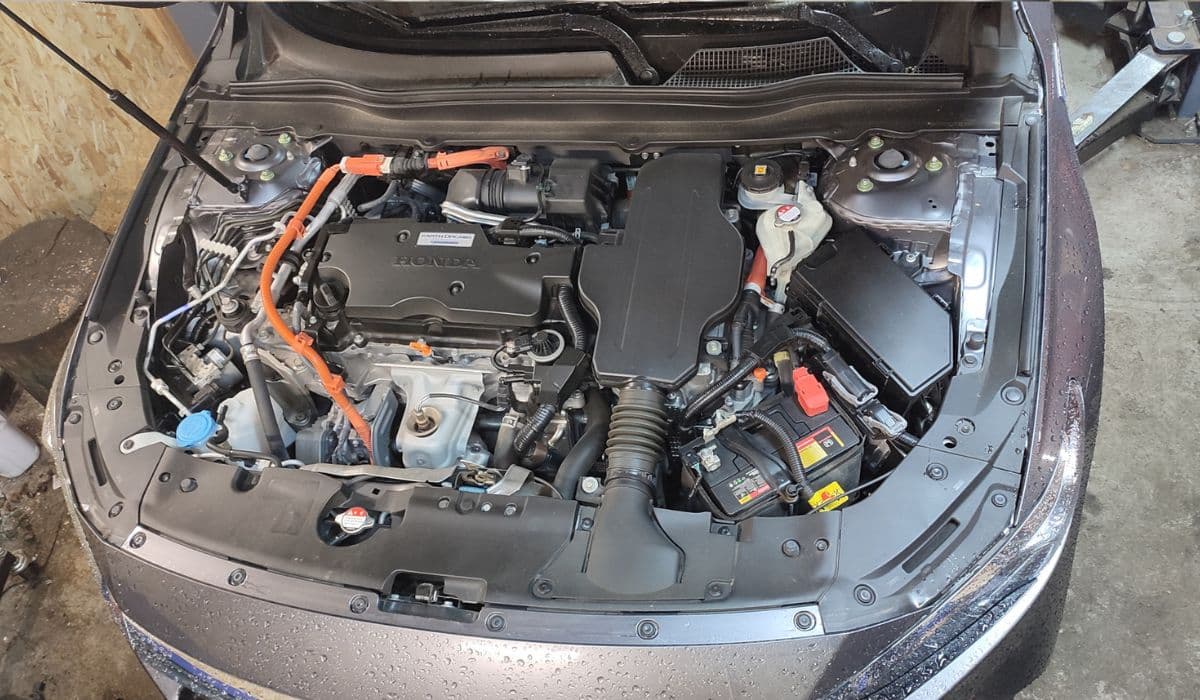
How to Clean the Honda Accord Hybrid Battery Fan Yourself – Full DIY Guide
08.12.2025 08:55