Honda Electric Parking Brake: Actuator Noise Prevention
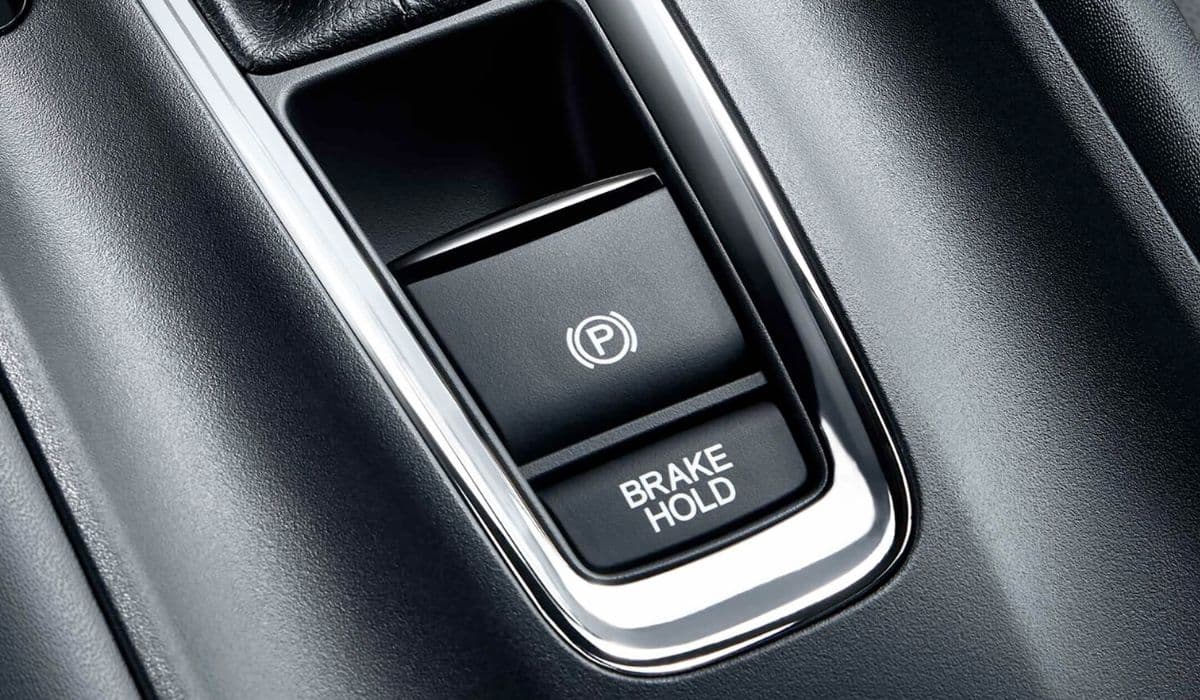
The electric parking brake (EPB) represents a significant advancement in automotive technology, particularly in Honda models where it's integrated for enhanced safety and convenience. Unlike traditional mechanical brakes that rely on cables and levers, the EPB uses an electric motor, or actuator, to engage and disengage the brake pads on the rear wheels. This system is controlled via a button on the dashboard or console, offering seamless operation without the need for physical effort.
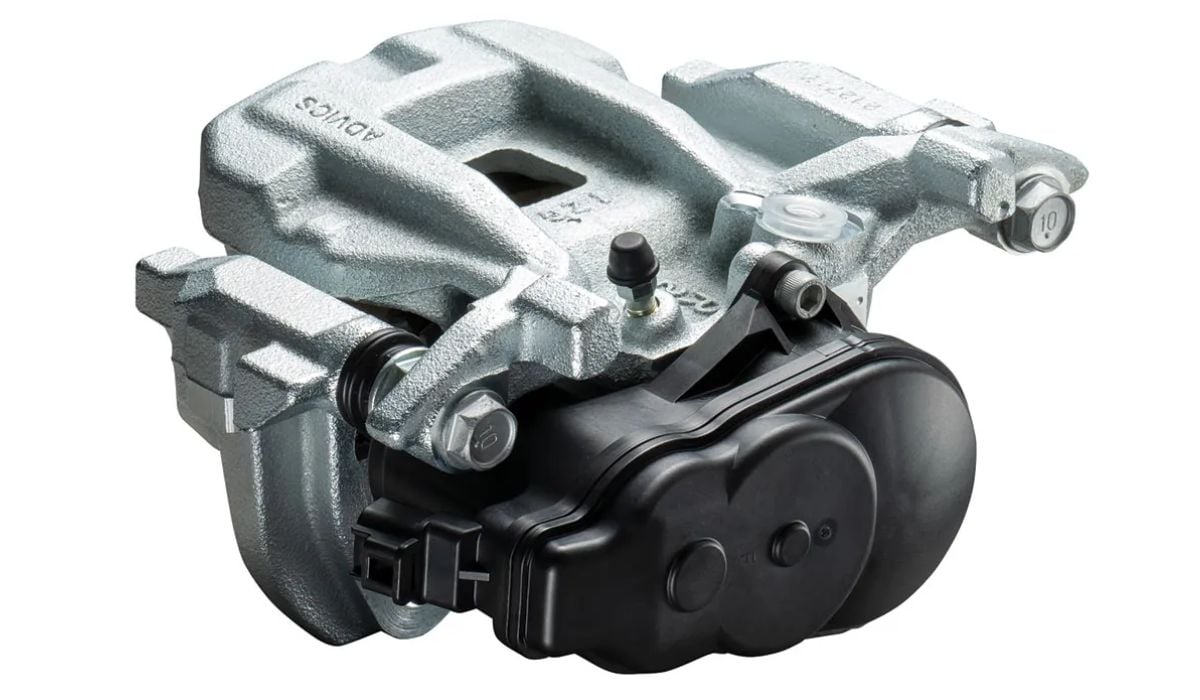
In Honda vehicles, the EPB is often paired with features like automatic brake hold, which keeps the car stationary in traffic without constant pedal pressure. The actuator itself is a compact unit mounted near the brake calipers, converting electrical signals into mechanical force. This design not only saves space but also reduces wear on components over time. However, like any sophisticated mechanism, it can develop issues, with noise being one of the most common complaints among drivers.
What makes the EPB actuator prone to noise? It stems from the interaction of moving parts under varying conditions. Vibrations, friction, and environmental factors can amplify sounds, turning a silent operation into an audible annoyance. Recognizing these fundamentals helps owners appreciate the importance of proactive maintenance.
Common Causes of Actuator Noise in Honda's EPB
Actuator noise in Honda's electric parking brake isn't just a minor irritation; it can signal underlying problems that, if ignored, might lead to reduced performance or costly repairs. Several factors contribute to this issue, often manifesting as grinding, whining, or clicking sounds during engagement or release.
Wear and Tear on Components: Over time, the gears and motors within the actuator experience natural degradation. Dust and debris from road use can infiltrate the housing, causing irregular movements that produce noise.
Moisture and Corrosion: Exposure to water, especially in regions with harsh winters or frequent rain, can lead to rust on metallic parts. This corrosion increases resistance, forcing the actuator to work harder and generate unwanted sounds.
Improper Calibration: If the system isn't calibrated correctly after wheel alignments or brake pad replacements, the actuator may overextend or misalign, resulting in audible feedback.
Temperature Fluctuations: Extreme cold can stiffen lubricants, while heat can cause expansion in materials, both altering the actuator's smooth operation.
Drivers often notice these noises more during low-speed maneuvers or when the vehicle is stationary. Interestingly, some Honda models, like the Civic or Accord, have reported higher incidences due to their widespread use and diverse driving environments. Addressing these causes early can extend the system's lifespan and maintain a quiet cabin.
Effective Strategies to Prevent Actuator Noise
Preventing noise in the Honda EPB actuator involves a mix of routine checks and smart driving habits. By focusing on these strategies, owners can minimize disruptions and ensure reliable braking performance.
Start with regular inspections of the brake system. Look for signs of dirt accumulation around the calipers and actuators. Cleaning these areas gently with approved automotive cleaners can remove buildup that contributes to friction noises.
Lubrication Practices: Apply specialized brake lubricants to pivot points and sliding surfaces. This reduces metal-on-metal contact, smoothing out operations without interfering with braking efficiency.
Software Updates: Honda periodically releases firmware updates for vehicle electronics. These can optimize actuator control algorithms, reducing unnecessary movements that cause noise.
Environmental Protections: In wet climates, consider underbody shields or rust-proofing treatments to shield the actuator from moisture ingress.
Additionally, adopting gentle engagement techniques helps. Avoid slamming the EPB button; instead, press it smoothly to allow the actuator to operate within its designed parameters. For those in urban areas with stop-and-go traffic, using the automatic hold feature judiciously can prevent overuse of the actuator.
Integrating these prevention methods into your vehicle care routine transforms potential problems into manageable aspects of ownership, keeping your Honda running quietly and efficiently.
Maintenance Tips for Long-Term EPB Health
Maintaining the electric parking brake in your Honda goes beyond basic prevention; it requires a holistic approach to vehicle upkeep. Detailed maintenance ensures the actuator remains noise-free while supporting overall safety.
Begin with scheduled brake system checks during oil changes or tire rotations. Technicians can assess actuator function using diagnostic tools that read error codes and performance metrics.
Pad and Rotor Inspection: Worn brake pads can force the actuator to compensate, increasing noise. Replace them with OEM-spec parts to match the system's tolerances.
Battery Health Monitoring: Since the EPB is electrically powered, a weak battery can cause erratic actuator behavior. Test voltage regularly to avoid voltage drops that amplify operational sounds.
Wheel Alignment Adjustments: Misaligned wheels stress the braking system unevenly, potentially vibrating the actuator. Correct alignments distribute loads properly.
For DIY enthusiasts, simple at-home tests include listening for unusual sounds during EPB cycles in a quiet environment. If noises persist, consulting a professional prevents escalation.
By prioritizing these tips, Honda owners foster a quieter, more dependable driving experience, highlighting the EPB's role as a modern convenience rather than a source of frustration.
Advanced Insights into Actuator Design and Noise Mitigation
Diving deeper into the engineering of Honda's EPB actuator reveals why noise prevention is both an art and a science. The actuator typically features a DC motor coupled with a gear train that applies torque to the brake piston. Noise often arises from backlash in gears or resonance frequencies matching vehicle vibrations.
Honda engineers mitigate this through material choices, like using noise-dampening polymers in housings. Owners can enhance this by ensuring the system operates in optimal conditions.
Vibration Isolation Techniques: Adding foam insulators around mounting points absorbs shocks, reducing transmitted noise.
Acoustic Tuning: Some advanced aftermarket solutions involve recalibrating the actuator's speed to avoid resonant frequencies, though sticking to manufacturer guidelines is advisable.
Understanding these technical nuances empowers drivers to make informed decisions, turning routine maintenance into an engaging aspect of car ownership.
In exploring these facets, it's clear that actuator noise prevention in Honda's EPB is achievable through knowledge and diligence, ensuring every drive remains serene and secure.
More from Honda
How to Fix 11th Generation Honda Civic Screen Delamination (2022–2024 Models)
08.12.2025 12:32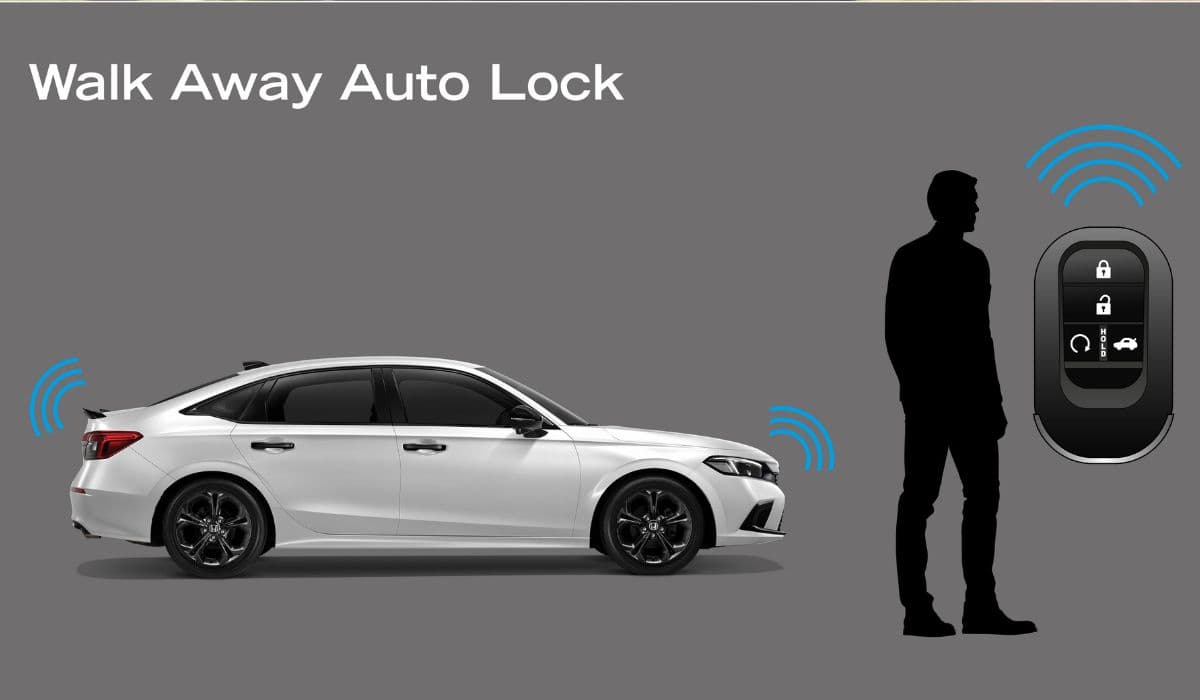
How to Disable Honda Walk Away Auto Lock Forever
08.12.2025 12:44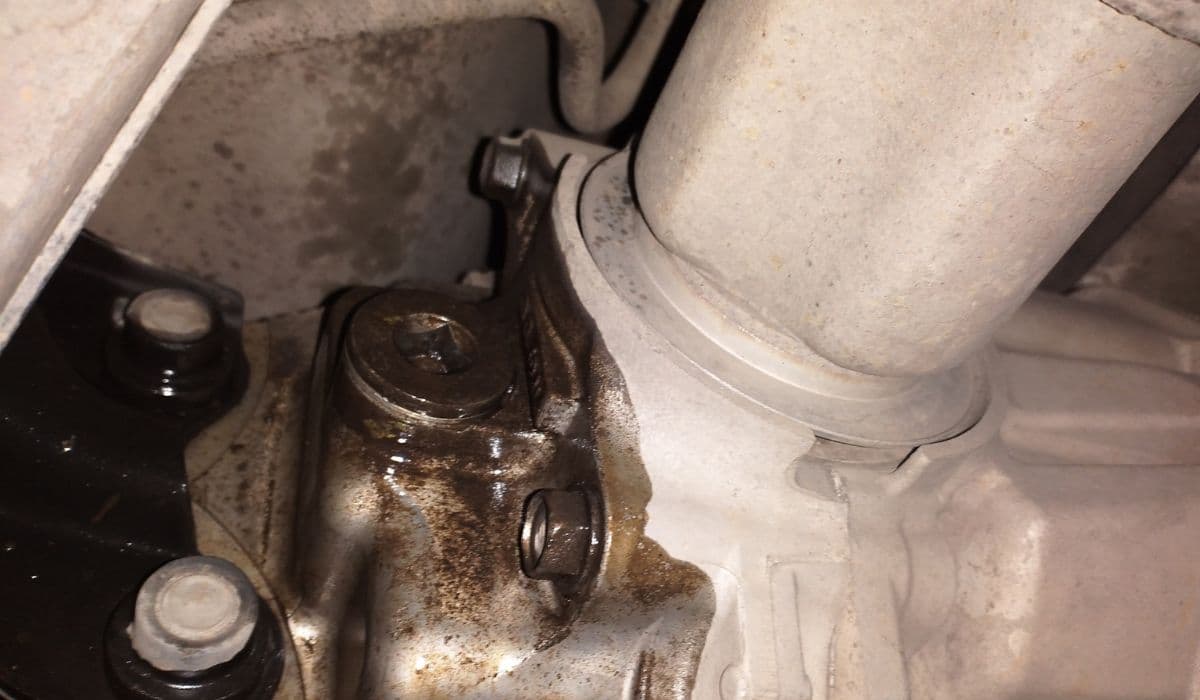
Honda CR-V: Rear Differential Fluid Change for AWD Models
24.12.2025 06:39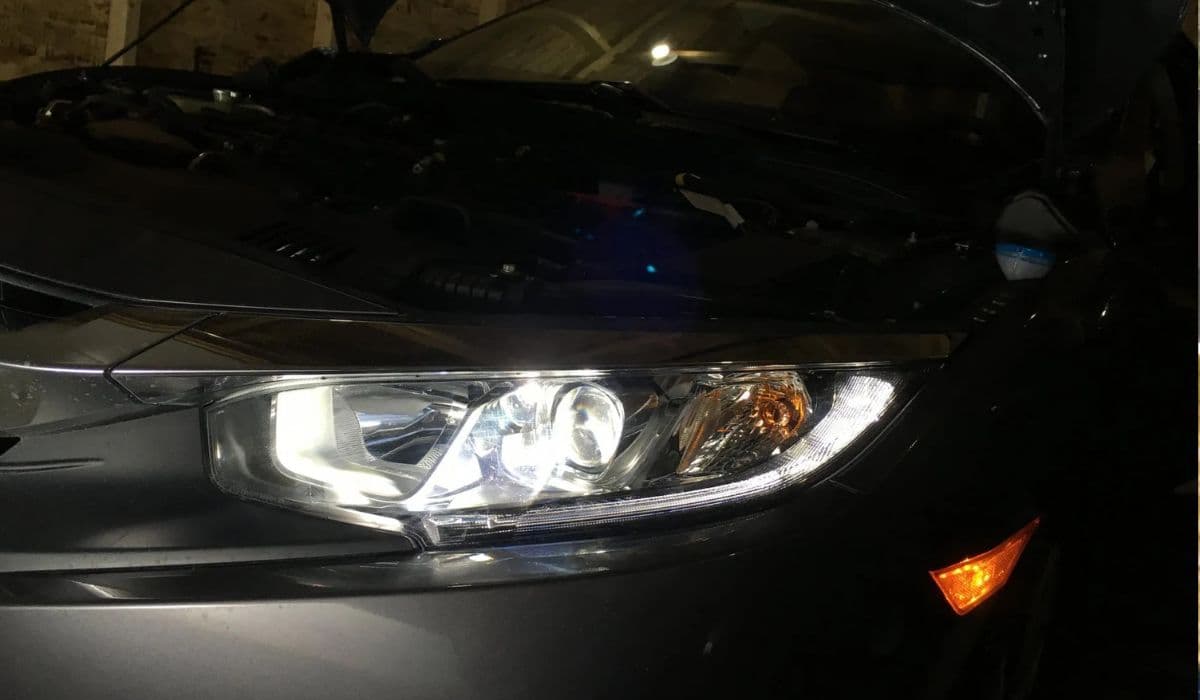
Honda Civic Low Beam Headlight Bulb Replacement Trick That Saves Hours and Broken Clips
08.12.2025 09:38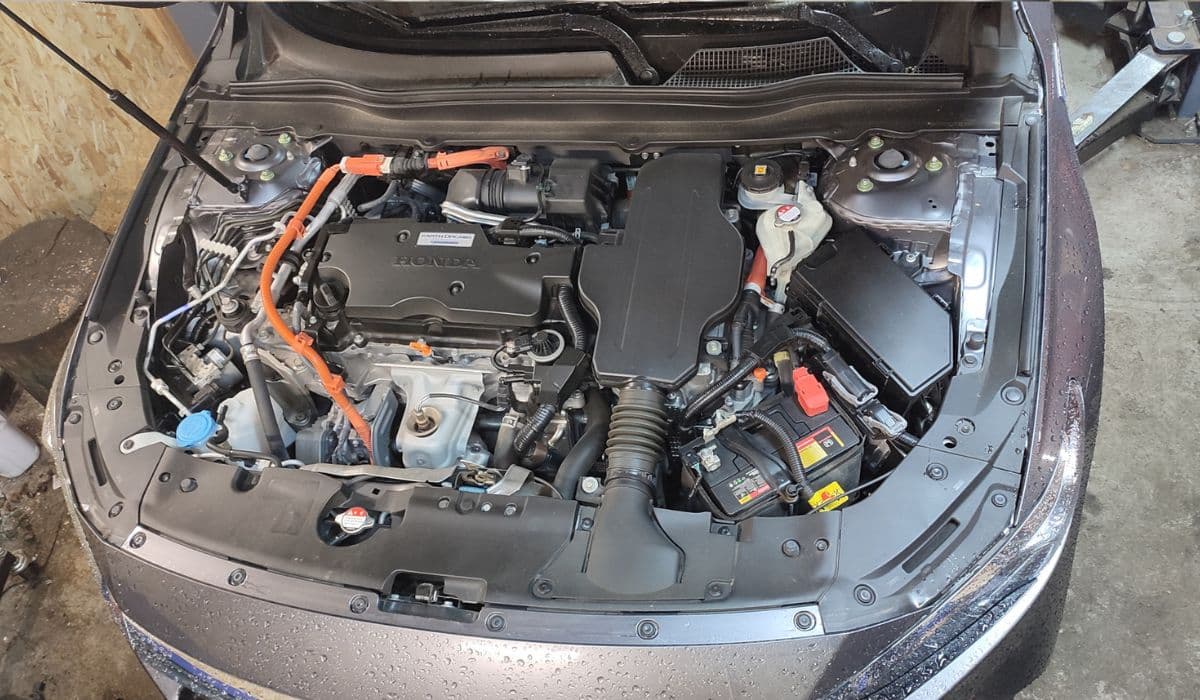
How to Clean the Honda Accord Hybrid Battery Fan Yourself – Full DIY Guide
08.12.2025 08:55