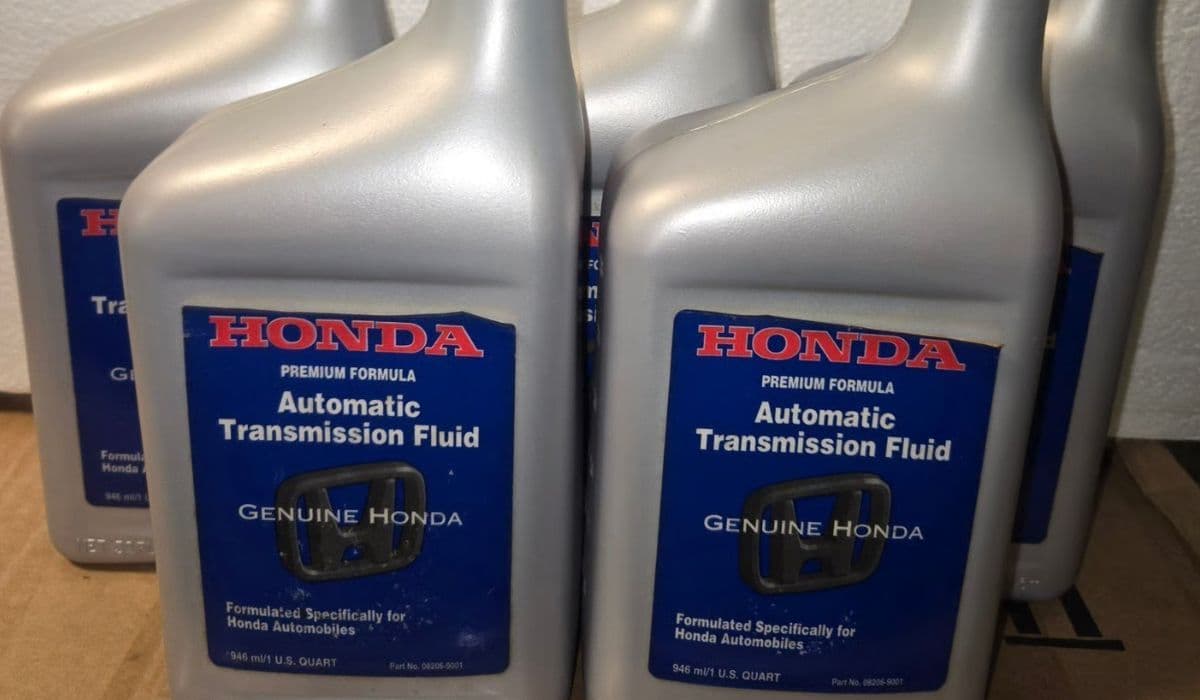
Honda HR-V: CVT Judder Fix and Maintenance Guide
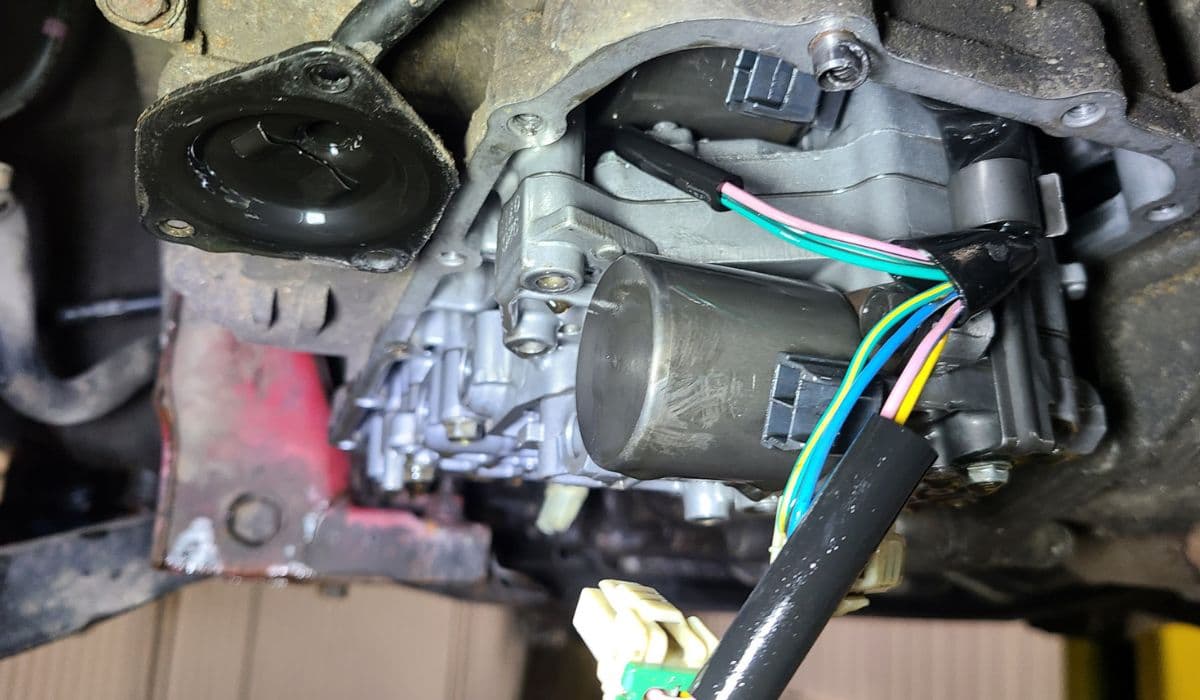
The Honda HR-V stands out as a compact crossover that blends efficiency, versatility, and reliability, making it a favorite among urban drivers and small families. However, one persistent issue that some owners encounter is CVT judder—a shuddering or vibrating sensation during acceleration or at low speeds. This phenomenon stems from the continuously variable transmission (CVT) system, which replaces traditional gears with a belt and pulley mechanism for smoother power delivery. While innovative, this design can lead to friction-related problems over time, especially if not maintained properly.
Judder often feels like the vehicle is hesitating or jerking, reminiscent of a slipping clutch in a manual car. It's not just an annoyance; ignoring it could exacerbate wear on internal components, potentially leading to more severe transmission failures. For HR-V models equipped with CVT, particularly those from the second generation onward, understanding this issue is key to preserving the car's performance and longevity. Factors like driving habits, environmental conditions, and fluid quality all play roles in triggering judder, turning what should be a seamless drive into a bumpy experience.
Common Causes of CVT Judder
Several elements contribute to CVT judder in the Honda HR-V, and pinpointing them early can prevent escalation.
Degraded Transmission Fluid: Over time, the CVT fluid breaks down due to heat and contamination, losing its lubricating properties and causing the belt to slip against the pulleys.
Worn CVT Belt or Pulleys: High mileage or aggressive driving can wear down the metal belt, leading to uneven contact and vibrations.
Software Glitches: Outdated transmission control module (TCM) software might not optimize pulley adjustments, resulting in inconsistent torque delivery.
Overheating Issues: Prolonged idling in traffic or towing light loads without adequate cooling can overheat the CVT, warping components and inducing judder.
Contaminated Components: Dirt, debris, or metal shavings from internal wear can accumulate, disrupting the fluid flow and causing friction spikes.
Recognizing these causes helps owners differentiate judder from other vibrations, such as those from tires or engine mounts, ensuring targeted fixes.
Diagnosing CVT Judder Issues
Before diving into repairs, accurate diagnosis is crucial to avoid unnecessary work. Start by noting when the judder occurs—typically during light acceleration between 20-40 mph or when shifting from park to drive. Listen for accompanying noises like whining or grinding, which signal deeper problems.
A simple self-check involves monitoring the dashboard for warning lights, such as the check engine or transmission indicators. Use an OBD-II scanner to pull diagnostic trouble codes (DTCs); common ones for HR-V CVT issues include P0841 for fluid pressure sensor faults or P1890 for shift control system malfunctions. Road testing under varied conditions—city streets versus highways—can reveal patterns, like judder worsening in hot weather.
For a thorough assessment, inspect the CVT fluid level and condition via the dipstick. Fresh fluid should be clear and pinkish; dark, burnt-smelling fluid indicates degradation. If equipped, check the CVT cooler for blockages, as restricted airflow exacerbates overheating. Engaging a scan tool to monitor live data, such as pulley ratios and fluid temperature, provides insights into whether the judder is mechanical or electronic in nature.
Step-by-Step Fix for CVT Judder
Addressing CVT judder in your Honda HR-V requires a methodical approach, starting with simpler solutions before escalating to complex repairs. Always work in a safe, well-ventilated area with the engine off and parking brake engaged.
Flush and Replace CVT Fluid: Drain the old fluid through the drain plug, then refill with Honda-approved CVT fluid. Run the engine to circulate it, and repeat the drain-refill process twice for a thorough flush, ensuring no old contaminants remain.
Update TCM Software: Visit a dealership or use a compatible scan tool to check for software updates. Reprogramming the TCM can recalibrate shift points, often resolving judder without hardware changes.
Inspect and Clean CVT Components: Remove the CVT pan to check for metal debris. Clean the filter and magnets, replacing the filter if clogged, to restore proper fluid flow.
Adjust or Replace Belt and Pulleys: If wear is evident, disassemble the CVT case (a job best left to experienced mechanics) and install new belts or resurface pulleys to eliminate slippage.
Address Overheating: Install an auxiliary cooler if frequent judder occurs in hot climates, or ensure the existing radiator and fans are functioning optimally to maintain ideal operating temperatures.
After fixes, test drive extensively to confirm the judder is gone, monitoring for any recurrence.
Preventive Maintenance Tips for Honda HR-V CVT
Keeping your HR-V's CVT in top shape involves routine habits that extend its life and minimize judder risks. Adopting these practices turns maintenance into a proactive strategy rather than reactive fixes.
Regular Fluid Checks: Every 30,000 miles, inspect and top off CVT fluid, replacing it fully at 60,000-mile intervals to prevent breakdown.
Gentle Driving Habits: Avoid rapid accelerations or heavy loads; smooth inputs reduce stress on the belt system.
Cooling System Care: Flush the coolant every two years and clean the radiator fins to prevent heat buildup in the CVT.
Scheduled Inspections: During oil changes, have the undercarriage checked for leaks or damage to CVT lines.
Use Quality Additives Sparingly: If recommended by Honda, add approved friction modifiers to enhance fluid performance without voiding warranties.
Incorporating these into your routine not only curbs judder but enhances overall fuel efficiency and responsiveness.
When to Seek Professional Help
Certain scenarios demand expert intervention to avoid compounding issues. If judder persists after fluid changes or accompanies severe symptoms like complete power loss, a certified Honda technician should evaluate it. They have access to specialized tools for pressure testing the CVT system, which can detect hidden faults like solenoid failures.
Persistent DTCs that don't clear after resets indicate underlying electrical problems, best handled by professionals to prevent misdiagnosis. In cases of high mileage—over 100,000 miles—internal wear might necessitate a full rebuild, where dealerships offer precise matching of parts. Early professional input often uncovers related concerns, like engine misfires mimicking judder, ensuring comprehensive resolution.
More from Honda
How to Fix 11th Generation Honda Civic Screen Delamination (2022–2024 Models)
08.12.2025 12:32
How to Disable Honda Walk Away Auto Lock Forever
08.12.2025 12:44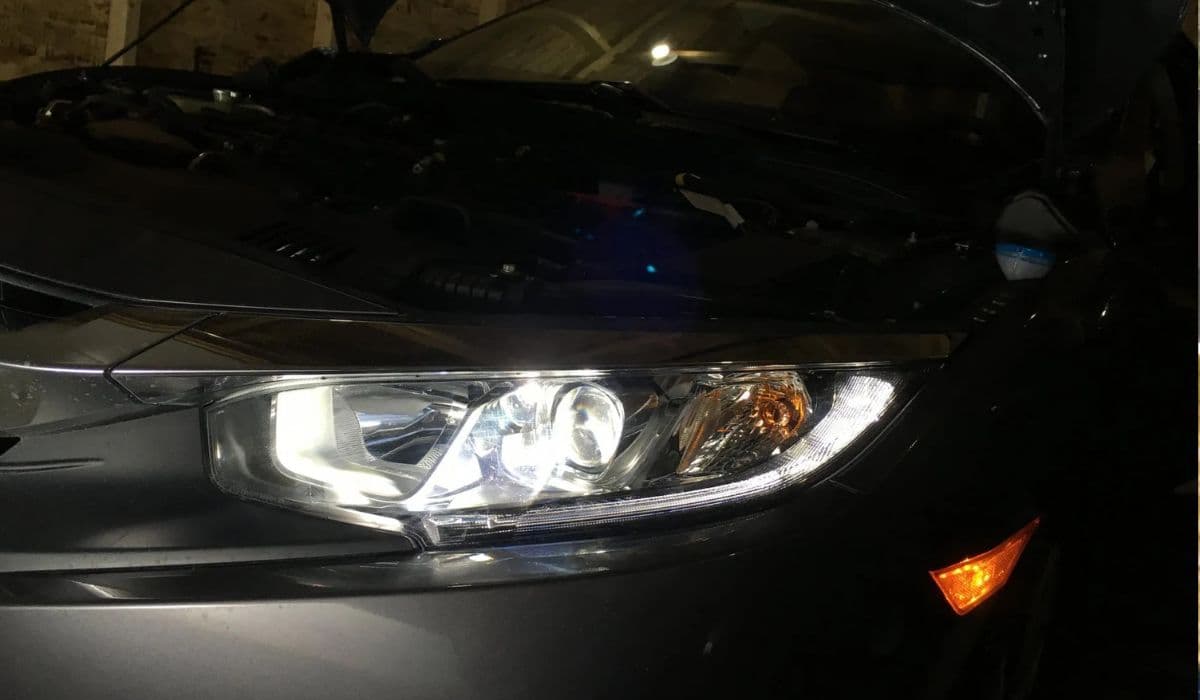
Honda Civic Low Beam Headlight Bulb Replacement Trick That Saves Hours and Broken Clips
08.12.2025 09:38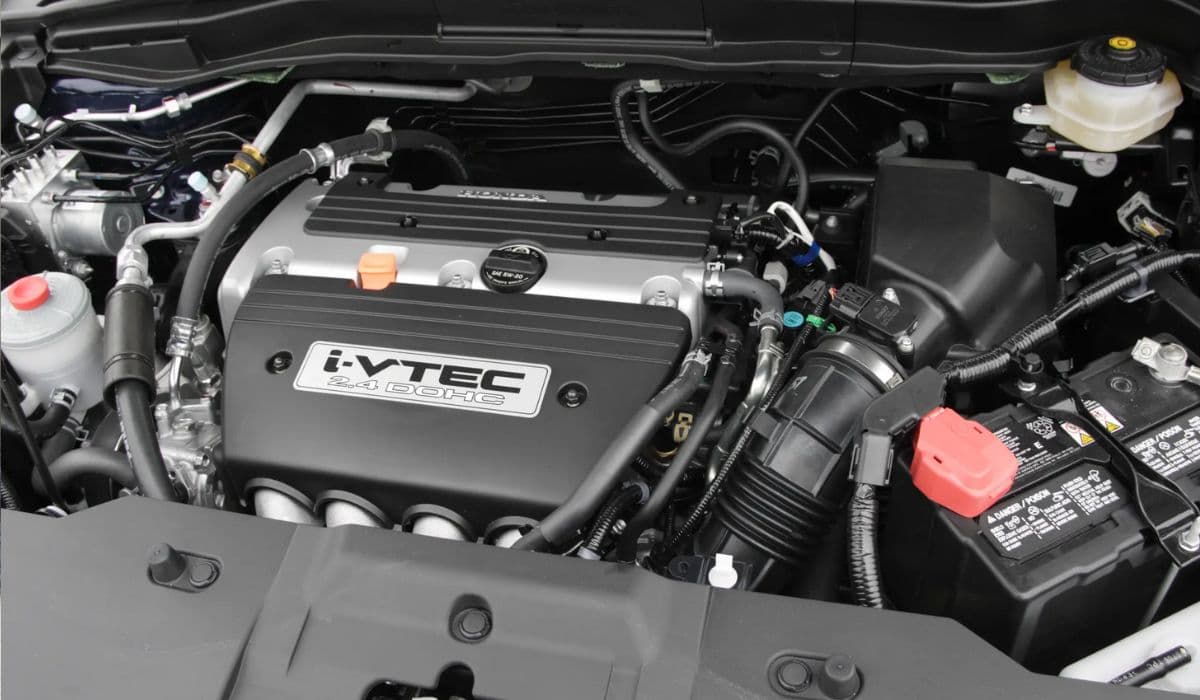
Honda CR-V Vibration at Idle: Why Engine Mount Replacement Is Often the Real Fix
08.12.2025 09:22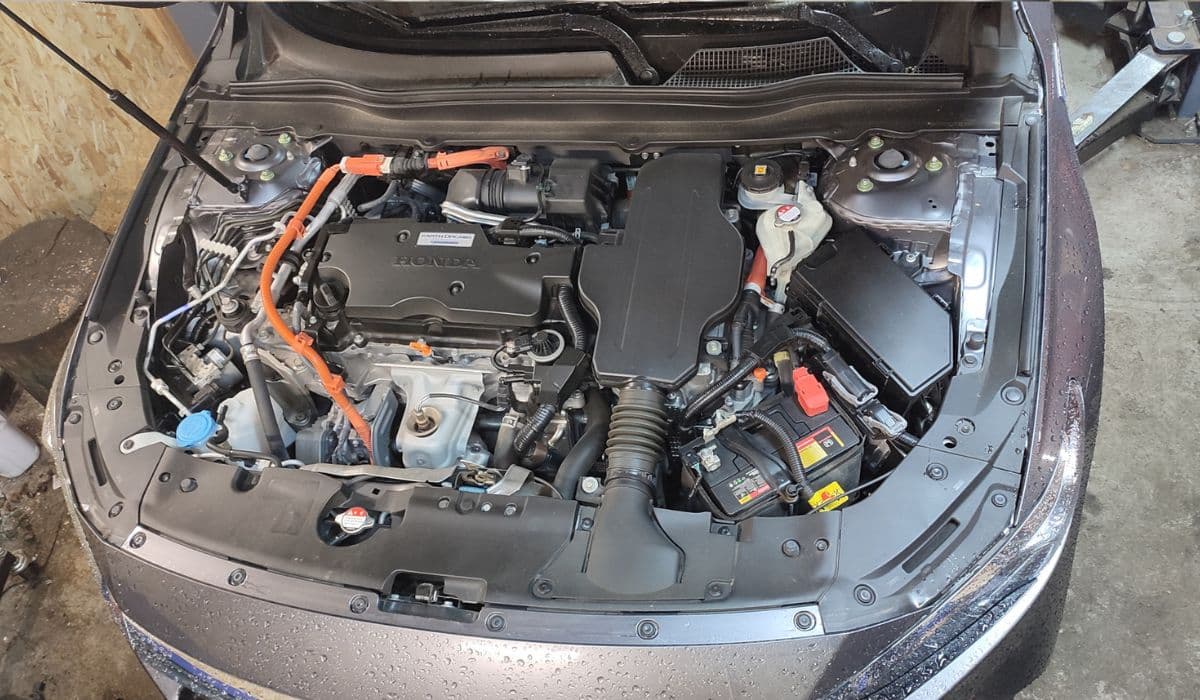
How to Clean the Honda Accord Hybrid Battery Fan Yourself – Full DIY Guide
08.12.2025 08:55