Honda Prologue EV: Charging Port Maintenance Guide
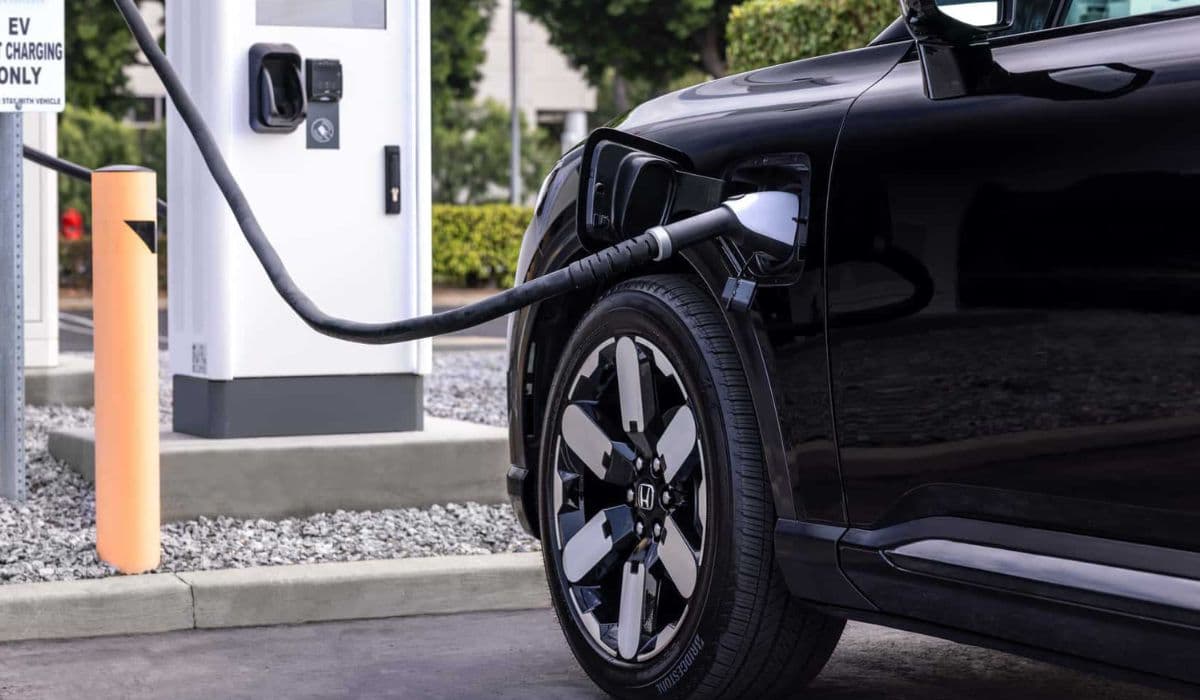
The Honda Prologue EV represents a bold step into the electric vehicle landscape, blending the brand's legacy of reliability with cutting-edge battery technology. At the heart of its charging system lies the charging port, a crucial interface that connects your vehicle to power sources, whether at home, public stations, or fast-charging hubs. This port, typically located on the driver's side fender, features a CCS (Combined Charging System) connector, allowing for both AC and DC charging capabilities. What sets the Prologue apart is its efficient design, which supports up to 150 kW DC fast charging, enabling quick top-ups that align with modern lifestyles.
Delving deeper, the charging port includes protective flaps and seals to guard against dust and moisture. Inside, you'll find pins and contacts engineered for high-voltage transfers, ensuring seamless energy flow to the battery pack. Familiarizing yourself with this component not only enhances your ownership experience but also empowers you to spot potential issues early. Imagine the port as the gateway to your EV's vitality—keeping it in prime condition directly influences range, efficiency, and overall performance.
Why Maintenance Matters for Your EV's Charging Port
Neglecting the charging port can lead to subtle yet significant problems over time. Corrosion, debris buildup, or wear from frequent use might disrupt conductivity, resulting in slower charging speeds or intermittent connections. For Honda Prologue owners, regular upkeep ensures the vehicle's impressive 300-mile range remains consistent, avoiding frustrating downtime. Beyond functionality, proper maintenance extends the lifespan of the port's components, reducing the need for costly interventions.
Think of it this way: the charging port endures exposure to varying weather conditions and physical handling, much like a smartphone's charging slot but on a grander scale. By prioritizing care, you're safeguarding the intricate electronics that manage power delivery, which in turn supports the Prologue's smooth acceleration and regenerative braking features. Enthusiasts often note that a well-maintained port contributes to a more responsive driving experience, as optimal charging preserves battery health.
Daily Inspection Routines
Incorporating quick checks into your routine can prevent minor issues from escalating. Start by visually examining the port before and after each charging session. Look for any signs of dirt, scratches, or unusual residue that could impede contact.
Ensure the protective cover is securely closed when not in use to shield internal elements.
Check for loose cables or connectors that might have shifted during previous sessions.
Wipe away any visible moisture if you've driven in rain or snow, using a soft cloth to avoid scratching.
Note any odd odors or sounds during charging, which could indicate underlying concerns.
These habits take mere seconds but foster a proactive approach, much like glancing at your tires before a road trip. For Prologue drivers who frequently use public chargers, this vigilance is especially valuable, as shared stations can introduce contaminants.
Cleaning Techniques and Tools
Effective cleaning requires gentle methods to avoid damaging sensitive parts. Begin with a non-abrasive microfiber cloth and compressed air to dislodge loose particles. For stubborn grime, a soft-bristled brush dipped in isopropyl alcohol (diluted if needed) works wonders without harming seals.
Always disconnect the vehicle from power sources before cleaning to prioritize safety.
Avoid high-pressure water jets, as they can force moisture into crevices.
Use dielectric grease sparingly on contacts to prevent corrosion, applying it with a cotton swab for precision.
For deeper cleans, consider specialized EV port cleaning kits that include anti-static wipes.
Remember, the goal is to maintain the port's integrity without overdoing it—excessive scrubbing might wear down protective coatings. Honda's engineering emphasizes durability, but consistent, careful cleaning aligns with the vehicle's eco-friendly ethos by maximizing efficiency.
Protecting Against Environmental Factors
Environmental challenges pose ongoing threats to the charging port's performance. In dusty areas, fine particles can accumulate, while coastal regions bring salt-laden air that accelerates rust. To counter this, park in covered spots when possible, and use weatherproof covers designed for EV ports during extended downtime.
In cold climates, prevent ice buildup by gently warming the area with a hairdryer on low heat before opening.
For humid environments, silica gel packets near the port can absorb excess moisture.
During pollen seasons, a quick rinse with distilled water followed by thorough drying helps.
Consider UV-protective sprays for the exterior to fend off sun-induced fading.
These strategies not only preserve the port but also enhance the Prologue's resilience, allowing you to enjoy its agile handling in diverse conditions without worry.
Troubleshooting Common Issues
When issues arise, systematic troubleshooting can restore functionality swiftly. If charging halts unexpectedly, inspect for bent pins or foreign objects obstructing the connection.
Reset the system by unplugging and replugging the cable after a brief pause.
Monitor error messages on the dashboard, which often provide clues like "port fault."
Test with different chargers to isolate whether the problem lies with the vehicle or station.
If connectivity wavers, clean contacts and ensure firmware updates are current via the infotainment system.
For persistent problems, document symptoms with photos for reference. The Prologue's diagnostic tools can offer insights, turning potential headaches into manageable fixes.
Professional Maintenance Tips
While DIY efforts go far, periodic professional checks elevate care. Schedule inspections during routine service visits, where technicians can assess wear using specialized equipment.
Ask about seal replacements if you notice leaks or reduced tightness.
Inquire into advanced diagnostics that scan for electrical anomalies.
Benefit from warranty-covered adjustments for manufacturing-related concerns.
Learn from experts about emerging best practices tailored to the Prologue model.
Engaging with certified Honda service centers ensures your EV remains at peak performance, blending user involvement with professional expertise.
More from Honda
How to Fix 11th Generation Honda Civic Screen Delamination (2022–2024 Models)
08.12.2025 12:32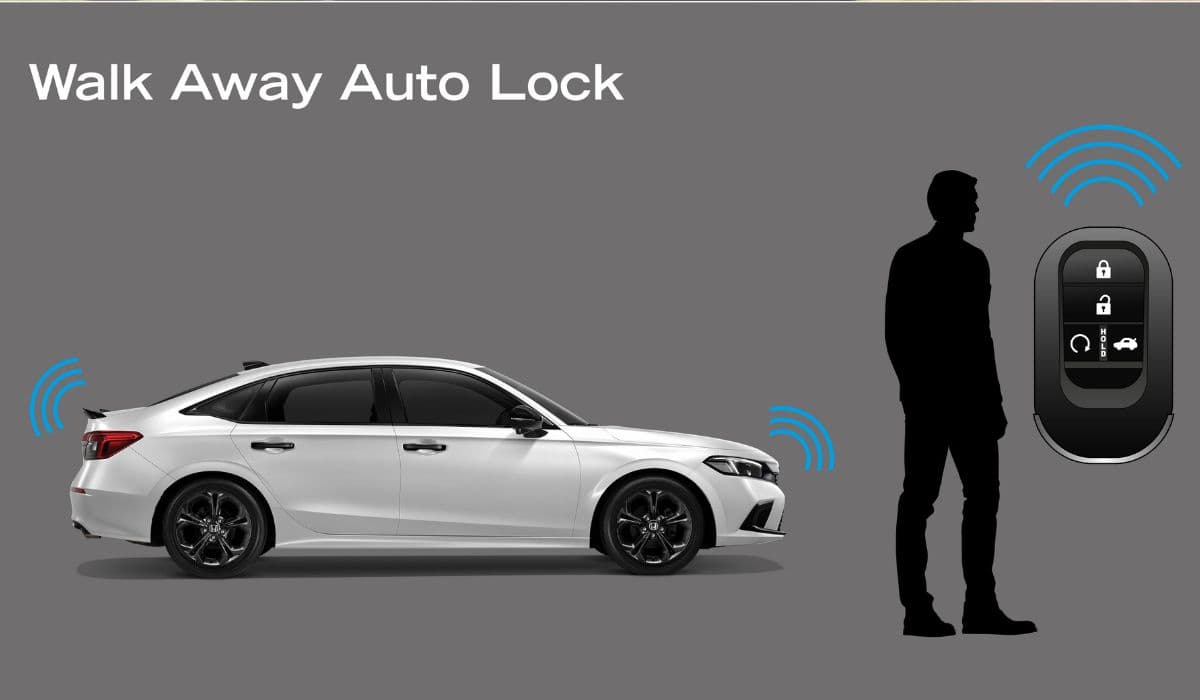
How to Disable Honda Walk Away Auto Lock Forever
08.12.2025 12:44
Honda CR-V: Rear Differential Fluid Change for AWD Models
24.12.2025 06:39
Honda Civic Low Beam Headlight Bulb Replacement Trick That Saves Hours and Broken Clips
08.12.2025 09:38
How to Clean the Honda Accord Hybrid Battery Fan Yourself – Full DIY Guide
08.12.2025 08:55