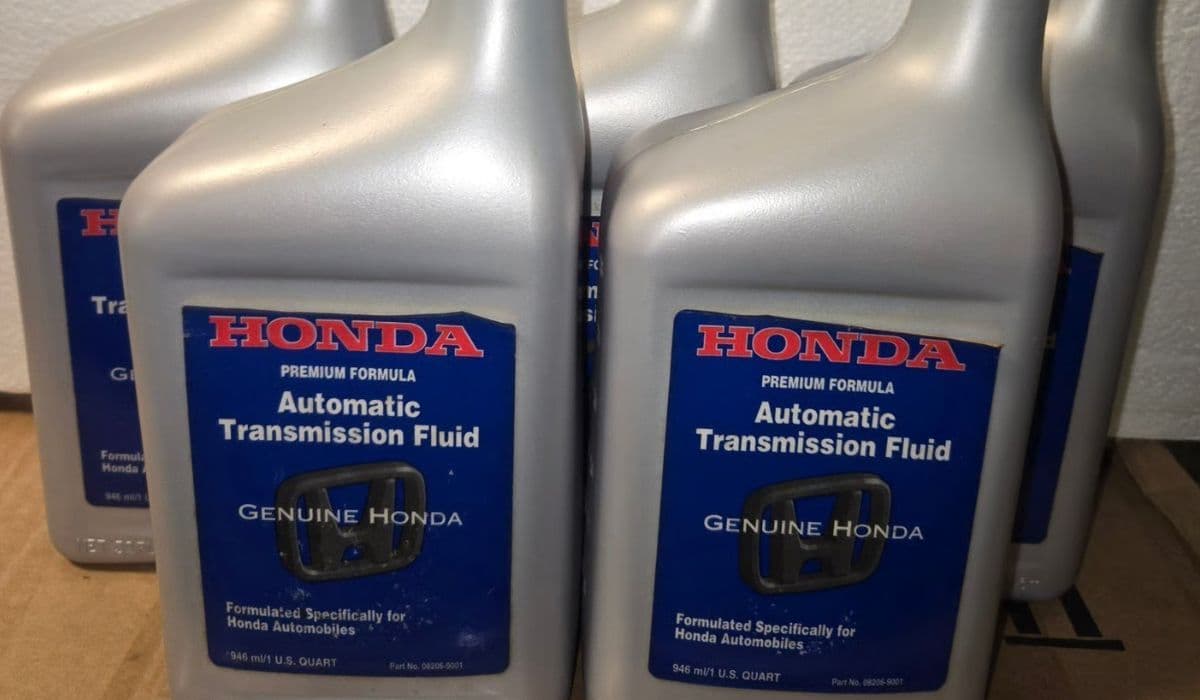
Honda VTC Actuator: Using Thicker Oil to Reduce Rattle
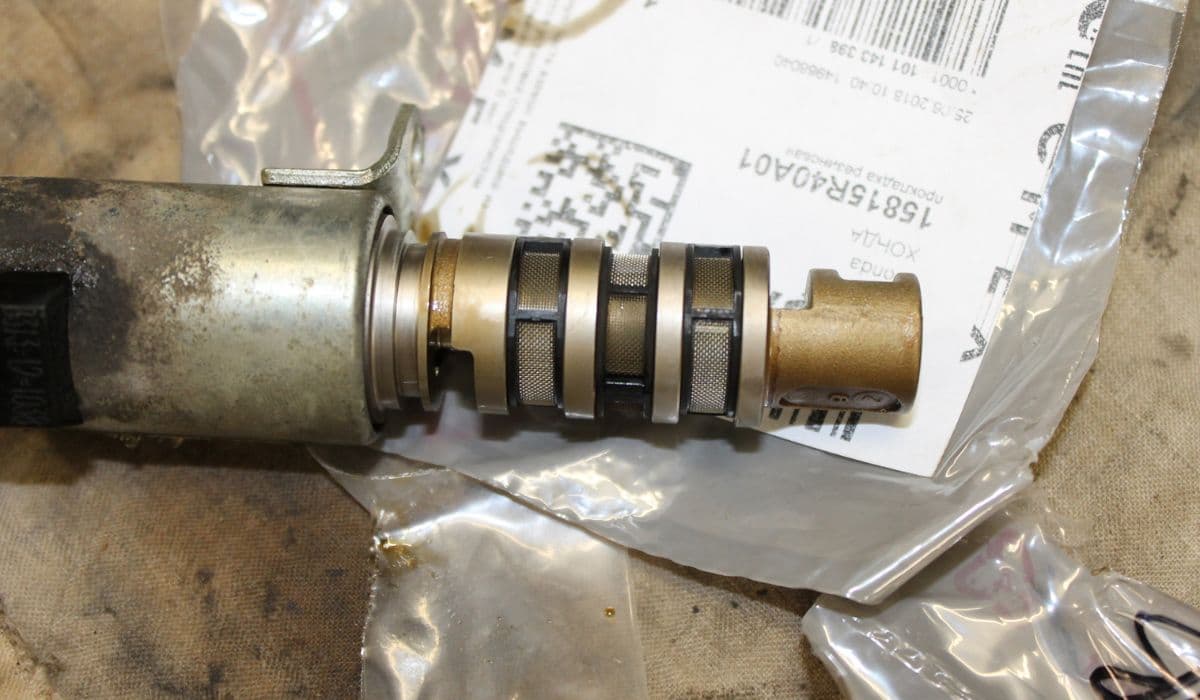
The Honda VTC actuator plays a crucial role in the engine's variable valve timing system, enhancing performance and efficiency. Found in many Honda models, particularly those with VTEC engines, this component adjusts the camshaft timing to optimize power delivery across different RPM ranges. Essentially, it allows the engine to breathe better at high speeds while maintaining smooth operation during everyday driving.
Imagine your engine as a finely tuned orchestra where timing is everything. The VTC actuator acts like the conductor, ensuring valves open and close at precisely the right moments. Without it, you'd notice a drop in responsiveness and fuel economy. Over time, however, wear and tear can lead to noticeable issues, one of which is the infamous rattle that plagues many Honda owners.
Understanding the Rattle Issue in Honda Engines
That unsettling rattle often heard on cold starts isn't just annoying—it's a symptom of potential problems within the VTC system. The noise typically stems from the actuator's internal components, like the solenoid or locking pins, experiencing excessive play due to insufficient lubrication or pressure buildup.
Several factors contribute to this problem:
Oil pressure fluctuations: During startup, oil hasn't fully circulated, leading to momentary low pressure that allows parts to vibrate.
Wear on components: Miles add up, and the actuator's pins or springs can degrade, amplifying any looseness.
Environmental influences: Cold weather thickens oil naturally, but in milder climates, thinner oils might not provide enough cushioning right away.
Engine design specifics: Honda's push for efficiency often means lighter oils, which can sometimes backfire in real-world conditions.
Owners of models like the Civic, Accord, or CR-V frequently report this sound, describing it as a brief metallic chatter lasting a few seconds. While not immediately catastrophic, ignoring it could accelerate wear, potentially leading to more serious timing chain issues down the line.
Why Thicker Oil Can Help Reduce the Rattle
Switching to a thicker oil viscosity is a popular DIY fix among Honda enthusiasts, and for good reason. Thinner oils, such as 0W-20, flow quickly for better fuel efficiency but might not build pressure fast enough on startup, exacerbating the rattle. A thicker option, like 5W-30 or 10W-30, provides a more robust film that cushions moving parts from the get-go.
The science behind it is fascinating: Oil viscosity affects how it resists flow under pressure. Thicker oil maintains a stronger barrier against metal-to-metal contact, damping vibrations in the VTC actuator. Many users report a significant reduction—or complete elimination—of the noise after making this change, especially in older engines where tolerances have widened slightly.
However, it's not a one-size-fits-all solution. The key lies in balancing protection with the engine's original design parameters to avoid undue stress on other components.
Benefits of Using Thicker Oil for VTC Actuator Maintenance
Beyond silencing the rattle, opting for thicker oil brings several advantages that can extend your Honda's lifespan. It enhances overall engine protection, particularly in high-mileage vehicles where parts have seen better days.
Here are some standout benefits:
Improved cold-start performance: Thicker oil clings better to surfaces, reducing initial wear during those critical first moments.
Enhanced lubrication under load: During spirited driving, it maintains film strength, preventing breakdowns in extreme conditions.
Potential for better seal conditioning: It can help keep gaskets and seals supple, minimizing leaks over time.
Noise reduction across the board: Not just the actuator—other valvetrain components might quiet down too.
Cost-effective longevity: By mitigating wear, you could delay expensive repairs like timing chain replacements.
Enthusiasts often share stories of their Hondas running smoother and feeling more responsive after the switch, turning a minor annoyance into an opportunity for optimization.
How to Choose the Right Thicker Oil for Your Honda
Selecting the appropriate oil involves more than just grabbing the thickest bottle on the shelf. Honda recommends specific viscosities, but for rattle-prone engines, a slight upgrade can work wonders without voiding warranties—assuming you're out of that period.
Consider these factors when choosing:
Viscosity ratings: Aim for something like 5W-30 if your manual suggests 0W-20; it's thicker but still flows well in most temperatures.
Synthetic vs. conventional: Full synthetics offer superior stability and additives that combat sludge buildup.
API certifications: Ensure it meets SN or higher standards for modern engines.
Climate adaptation: In hotter regions, thicker oil prevents thinning; in colder ones, avoid going too heavy to prevent sluggish flow.
Brand reputation: Stick with trusted names known for consistent formulations.
Always cross-reference your model's service manual or consult forums for user experiences tailored to your engine code, like the K-series or R-series.
Step-by-Step Guide to Implementing Thicker Oil
Making the change is straightforward, but doing it right ensures maximum effectiveness. Start with a proper oil change to flush out the old fluid completely.
Follow these steps for a seamless transition:
Gather supplies: You'll need the new oil, a filter, drain pan, and tools like a wrench.
Drain the old oil: Warm up the engine slightly, then remove the drain plug and let it flow out fully.
Replace the filter: Install a new one to avoid contaminating the fresh oil.
Add the thicker oil: Pour in the recommended amount, checking the dipstick to avoid overfilling.
Run and monitor: Start the engine, let it idle, and listen for changes in noise levels.
Recheck after driving: After a few miles, inspect for leaks and top off if needed.
Many find the rattle diminishes immediately, but give it a few cycles for the oil to fully coat internals. Track any differences in performance or fuel economy to fine-tune future choices.
Potential Drawbacks and Considerations
While thicker oil often resolves the rattle, it's wise to weigh the pros against possible cons. For instance, it might slightly reduce fuel efficiency due to increased resistance, though the difference is often negligible in daily use.
Other aspects to ponder:
Warranty implications: If your vehicle is still covered, confirm with a dealer to avoid issues.
Engine temperature effects: Thicker oil could lead to higher operating temps in some cases, so monitor gauges.
Compatibility with additives: Avoid mixing types that could cause gelling or reduced effectiveness.
Long-term monitoring: Keep an eye on oil consumption; unusual patterns might indicate deeper problems.
If the rattle persists, it could signal a failing actuator needing replacement, so don't rely solely on oil as a cure-all.
Advanced Tips for Honda Owners Dealing with VTC Issues
For those diving deeper, combining thicker oil with other maintenance can yield even better results. Regular timing chain tensioner checks or using oil additives designed for noise reduction can complement the viscosity change.
Explore these advanced strategies:
Oil analysis kits: Send samples to labs to monitor wear metals and adjust accordingly.
Upgraded components: Consider aftermarket actuators built with tighter tolerances.
Driving habits: Gentle warm-ups reduce stress on the system.
Seasonal adjustments: Switch viscosities based on weather for optimal protection.
Community insights: Engage with Honda-specific groups for model-year quirks.
By staying proactive, you transform a common complaint into a mastered aspect of ownership, keeping your ride reliable and enjoyable for years.
More from Honda
How to Fix 11th Generation Honda Civic Screen Delamination (2022–2024 Models)
08.12.2025 12:32
How to Disable Honda Walk Away Auto Lock Forever
08.12.2025 12:44
Honda CR-V: Rear Differential Fluid Change for AWD Models
24.12.2025 06:39
Honda Civic Low Beam Headlight Bulb Replacement Trick That Saves Hours and Broken Clips
08.12.2025 09:38
How to Clean the Honda Accord Hybrid Battery Fan Yourself – Full DIY Guide
08.12.2025 08:55