How to Fix and Prevent Premature Brake Wear on Honda Accord 2018–2022
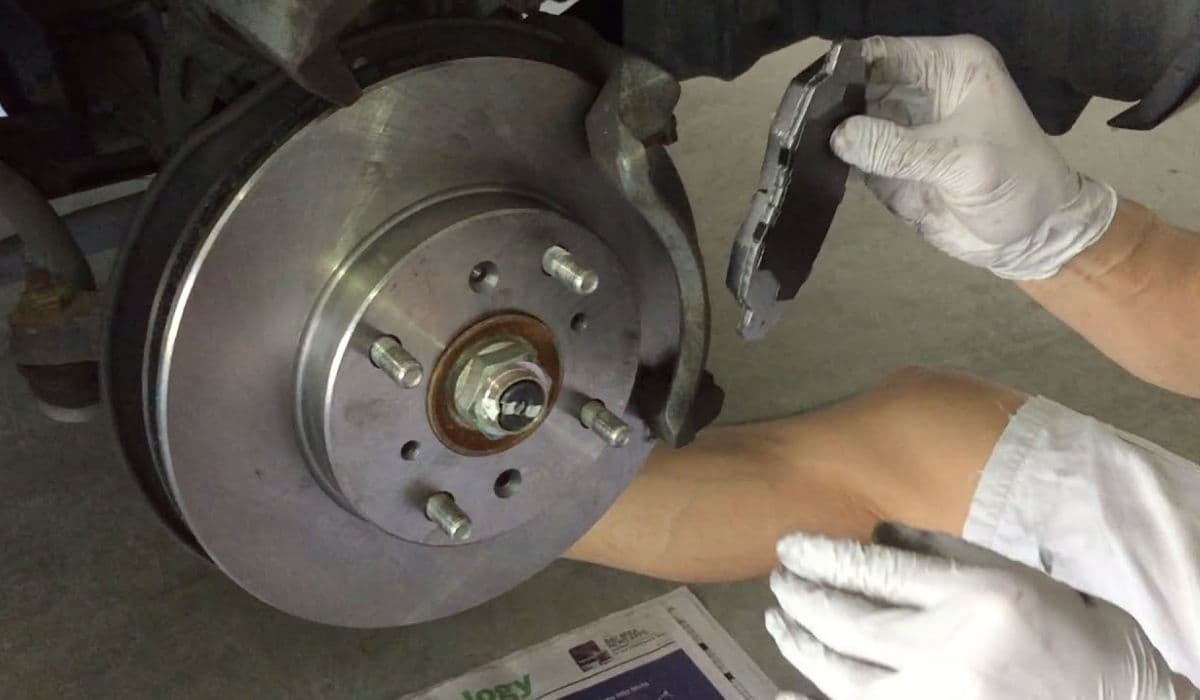
Owners of the 2018–2022 Honda Accord (10th generation) frequently report that rear brakes wear out extremely fast — often needing pads at 15,000–25,000 miles and rotors at 30,000–40,000 miles, while front brakes last 60,000–80,000 miles. This imbalance is not normal wear; it’s a widely documented characteristic of the Accord’s electric parking brake (EPB) system combined with aggressive regenerative braking settings in the hybrid models and certain driving conditions in gas versions.
Why the Rear Brakes Wear Out So Quickly
The root cause is the integrated electronic rear brake caliper design. Unlike traditional mechanical parking brakes, the 10th-gen Accord uses motor-driven actuators on the rear calipers that also serve as the service brake. Every time the car stops, the system logic applies the rear calipers slightly even when the driver only uses the brake pedal normally. This “brake blending” is intentional to:
Keep the electric parking brake mechanism from seizing
Provide smoother stops
Maximize regenerative braking energy recovery (especially on hybrid and 2.0T models)
The result: rear pads are in constant light contact or are applied thousands of times more than in previous generations, dramatically accelerating wear.
Most Effective Permanent Fixes (Ranked by Longevity)
1. Rear Brake Pad Anti-Rattle Clips + Abutment Grease (Most Popular Fix)
Honda released updated anti-rattle clips (slide) clips under Service Bulletin 22-097 (and later revisions). The new clips have a different spring rate that reduces pad drag.
What you need:
Genuine Honda clip kit 4301-TVA-A0 (left) and 4301-TVA-A1 (right)
Honda M-77 high-temperature brake grease (or Sil-Glyde, Syl-Glyde equivalent)
Procedure:
Remove wheels and calipers
Clean abutment surfaces with a wire wheel until shiny
Apply thin layer of M-77 grease on every contact point
Install new clips — they snap in differently than the old ones
Use OEM or Akebono ProACT ceramic pads (ACT1535 set) — they run cooler and quieter
Real-world result: rear pad life jumps from 18k to 50k–70k miles for most owners.
2. Electric Parking Brake “Maintenance Mode” Procedure
Every 6–12 months (or after every brake job) put the EPB into service mode and manually retract the pistons. This resets the adaptive logic and reduces unnecessary pad-to-rotor contact.
Steps:
Ignition ON, engine OFF
Press brake pedal firmly
Press and HOLD the EPB switch DOWN for 7–10 seconds until you hear two beeps and the EPB light flashes
Release switch — system is now in pad replacement mode
Use a scan tool or i-HDS to run “EPB Maintenance Mode” or manually wind pistons back with a 10 mm wrench on the screw inside the motor
After reassembly, pull EPB switch UP for 2 seconds to exit mode
Many owners report 20–30% longer pad life just from doing this regularly.
3. Disable Aggressive Regenerative Braking (Hybrid & 2.0T Models)
The Accord hybrids and 2.0T models use strong regen that heavily loads the rear brakes.
Fix:
In the car settings menu → Vehicle Settings → Drive Mode → switch from “Sport” or “Normal” to “Econ” permanently
Or press the “B” (brake) button on the shifter repeatedly until only one green bar shows on the dash — this is the weakest regen setting
Owners who drive exclusively in Econ + minimal regen report almost even front/rear wear.
4. Aftermarket Low-Drag Caliper Solutions
Several companies now offer redesigned rear caliper bracket kits that move the pad away from the rotor by 0.5–0.8 mm when not braking.
Most popular:
“BrakeDragSolutions” Honda Accord 10th-gen kit
PowerStop “Low-Dust” rear kit with modified guide pins
These kits routinely push rear pad life beyond 80,000 miles.
Best Pad & Rotor Combinations Proven by Owners
Rear pads that last longest on 2018–2022 Accord:
Akebono ProACT Ultra-Premium (ACT1535)
Honda OEM 43022-TVA-A02 (latest revision with anti-squeal shims)
PowerStop Z23 Evolution Sport (carbon-fiber ceramic)
Rear rotors that resist warping:
Centric Premium High-Carbon blank rotors
Honda OEM 42510-TVA-A01 (coated)
PowerStop drilled/slotted (if you accept slight noise increase)
Never use cheap organic pads — they dust heavily and wear twice as fast on this platform.
Torque Specs You Must Follow
Caliper bracket bolts: 80 ft-lbs (108 Nm) — under-torquing causes vibration and uneven wear
Caliper guide pins: 27 ft-lbs (36 Nm)
Lug nuts: 94 ft-lbs (127 Nm) in star pattern
Warning Signs Your Rear Brakes Are Wearing Prematurely
Rear pads <4 mm while fronts are still >8 mm
EPB throws “Electric Parking Brake Problem” after sitting overnight
Pulsing felt only when lightly braking at low speed
Metallic grinding from rear even though fronts look fine
Long-Term Prevention Checklist
Use Econ mode + lowest regen setting
Perform EPB maintenance mode every oil change
Replace anti-rattle clips with latest Honda part
Grease every contact point at every brake job
Rotate tires every 7,500 miles to even out braking forces
Follow these steps and the notorious premature rear brake wear issue on the 2018–2022 Honda Accord becomes a non-issue — many owners now get 60,000–90,000 miles out of a single set of rear pads with perfectly even wear front to rear.
More from Honda
VTEC Not Working? 5 Reasons and How to Fix It Yourself
02.12.2025 13:01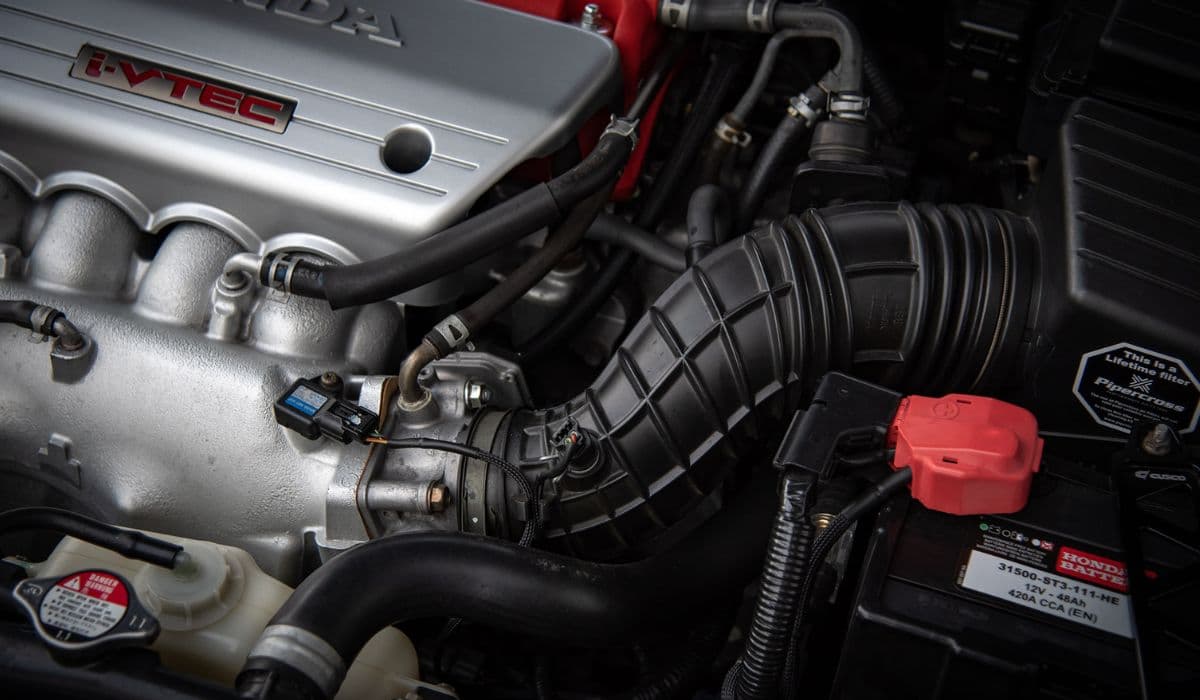
How to Fix VTC Actuator Rattle Honda Civic 2016-2021
08.12.2025 11:54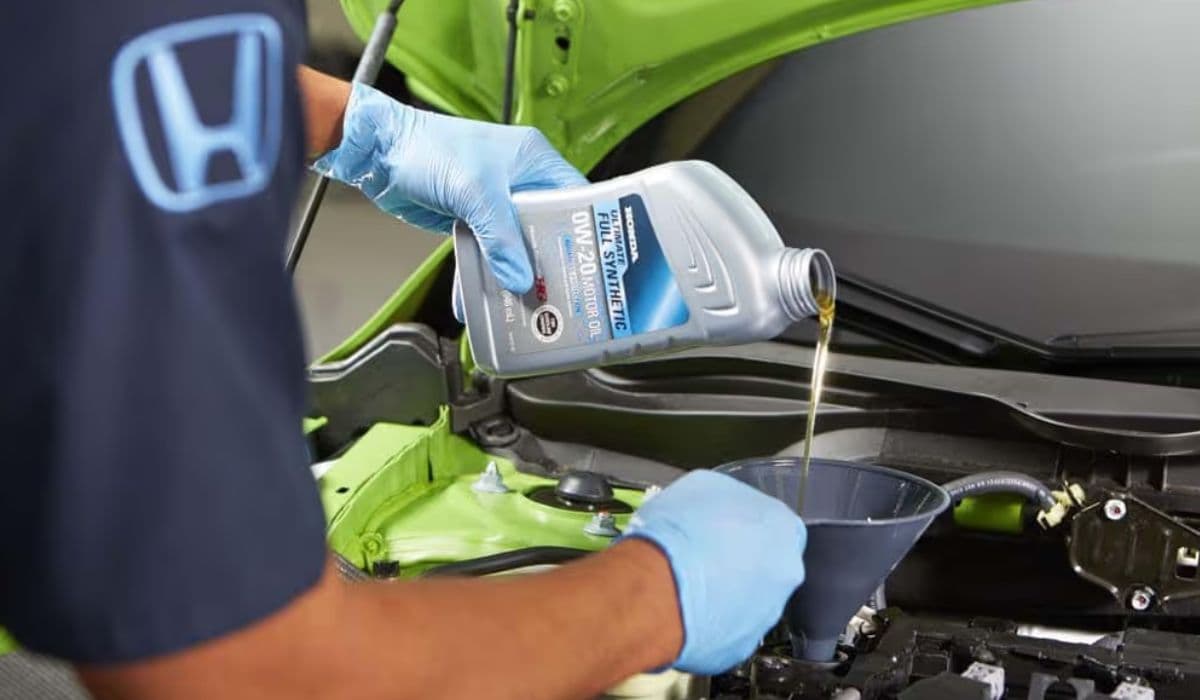
How to Choose the Right Engine Oil for Honda and When to Change It
02.12.2025 11:50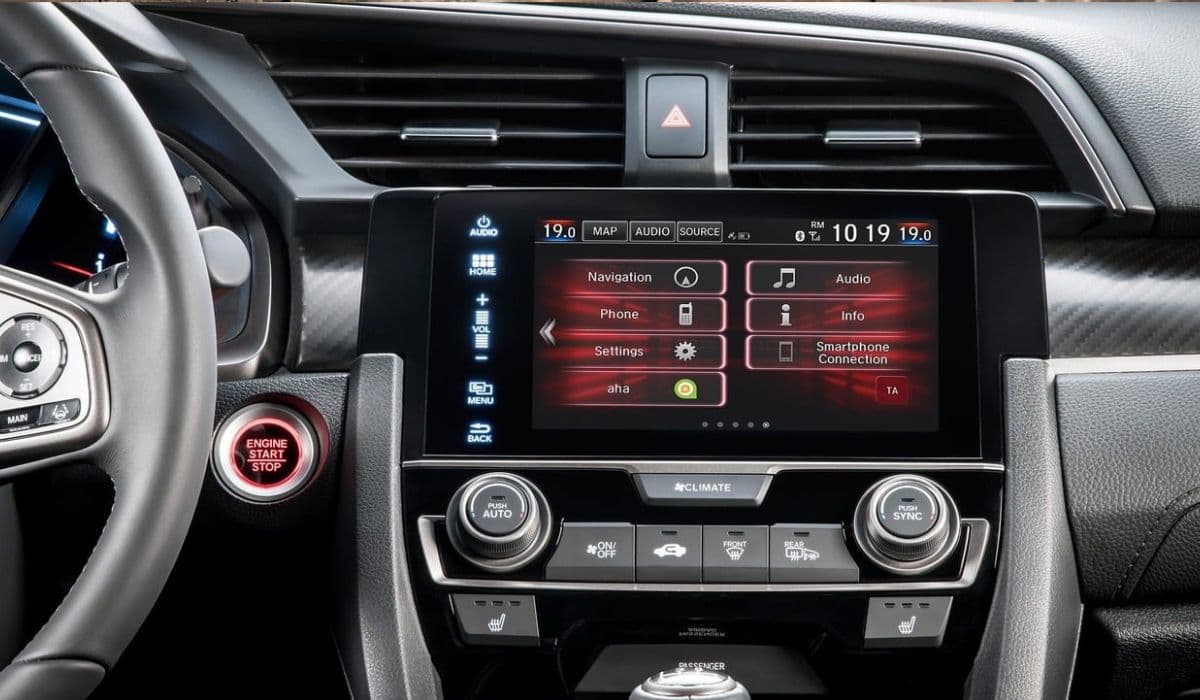
How to Fix Honda Civic 10th Generation Infotainment System Random Rebooting
08.12.2025 12:01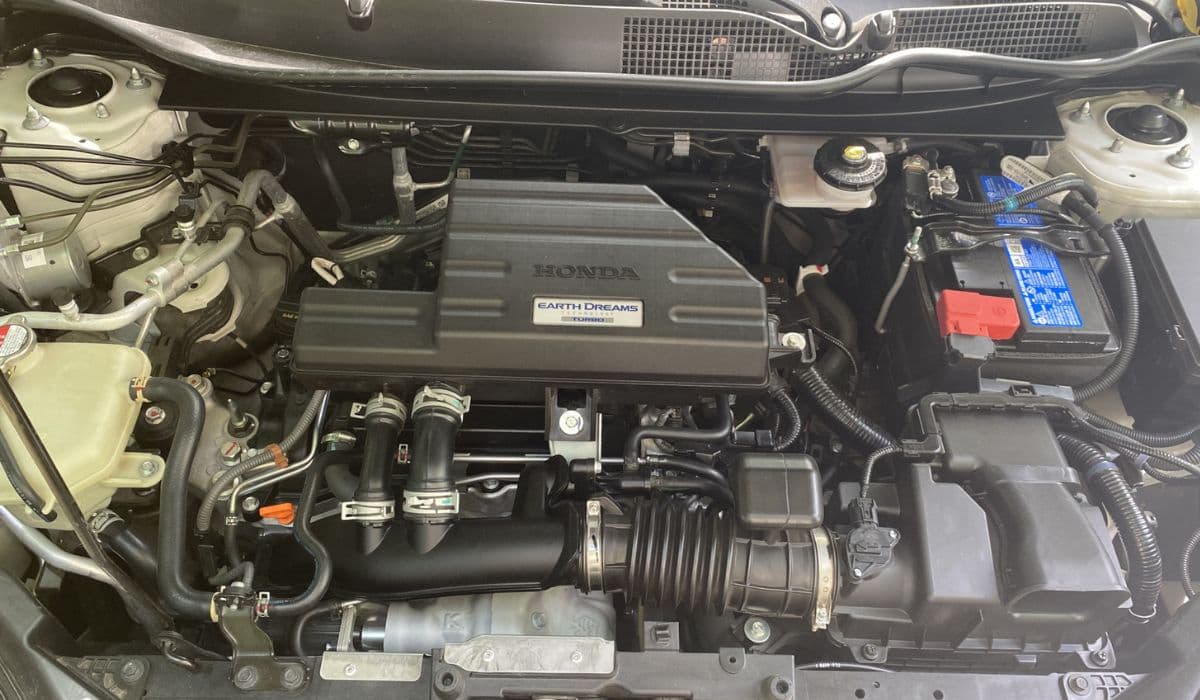
Honda CR-V 1.5T Turbo Coolant Leak – Complete DIY Repair Guide
08.12.2025 09:03