Sensing Camera Honda CR-V Calibration After Windshield Replacement
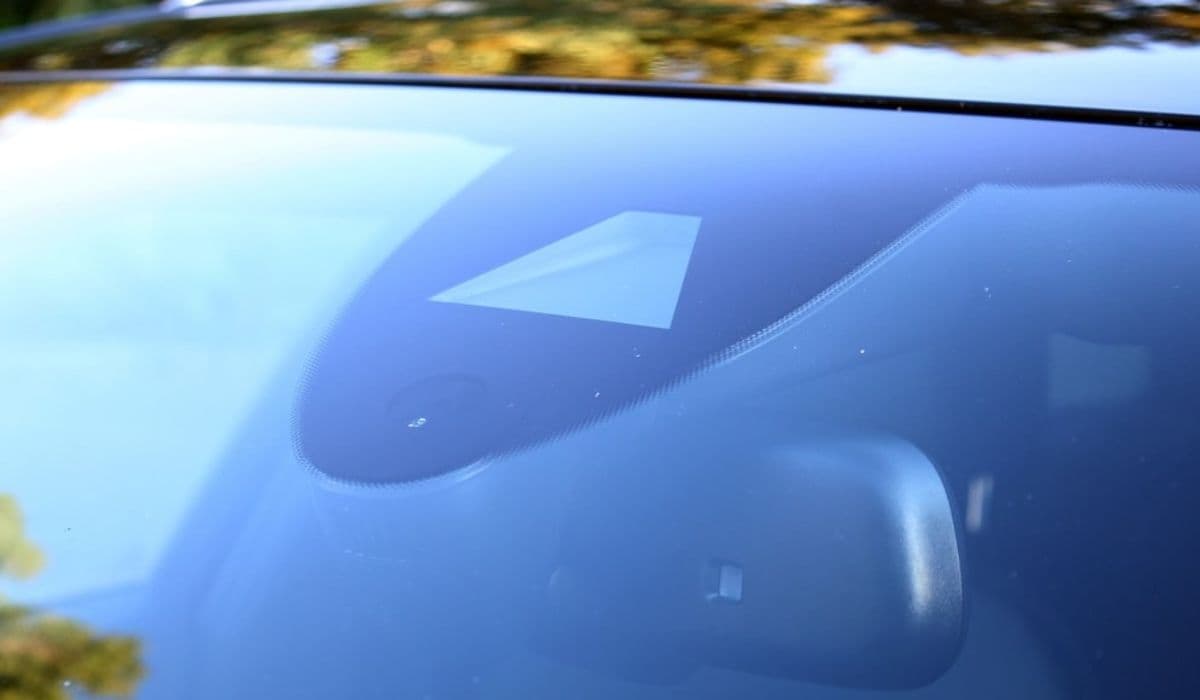
The Honda Sensing suite represents a leap forward in automotive safety technology, integrating advanced sensors to enhance driver awareness and prevent accidents. At the heart of this system in the Honda CR-V lies the sensing camera, a compact yet powerful device mounted behind the windshield. This camera acts as the vehicle's "eyes," constantly scanning the road ahead for potential hazards.
Unlike traditional cameras, the sensing camera uses sophisticated image processing algorithms to detect lane markings, vehicles, pedestrians, and traffic signs. It powers features like adaptive cruise control, lane-keeping assist, collision mitigation braking, and road departure mitigation. For CR-V owners, this means a smoother, safer drive, especially on highways or in urban environments where quick reactions are crucial.
What makes this camera unique is its integration with radar sensors, creating a fused sensor system that provides redundant data for reliability. However, its precise positioning relative to the windshield is critical—any shift can disrupt its accuracy, leading to false alerts or missed detections.
Why Calibration Becomes Essential Post-Windshield Change
Replacing a windshield might seem like a routine repair, but for Honda CR-V models equipped with Sensing technology, it's a gateway to potential system misalignment. The camera's view is calibrated to the original glass's curvature and thickness; a new windshield, even if identical in specs, can introduce subtle distortions.
During replacement, technicians handle the glass carefully, but vibrations, adhesive settling, or minor installation variances can alter the camera's angle by fractions of a degree. Such changes might not be visible to the naked eye but can significantly impact performance. For instance, the system might misinterpret lane lines, causing unnecessary steering corrections or failing to brake in time.
Safety experts emphasize that uncalibrated systems contribute to a higher risk of incidents. Imagine cruising on a winding road where the lane-keeping assist suddenly veers off course—it's not just inconvenient but potentially dangerous. Regular calibration ensures the camera aligns perfectly with the vehicle's geometry, restoring factory-level precision.
Recognizing When Your Sensing Camera Needs Attention
After a windshield swap, your Honda CR-V might exhibit telltale signs that the sensing camera requires recalibration. Paying attention to these indicators can prevent minor issues from escalating.
Dashboard warnings: Look for illuminated icons like the camera symbol or messages such as "Honda Sensing System Malfunction."
Erratic feature behavior: Adaptive cruise control may engage inconsistently, or collision warnings could trigger falsely for distant objects.
Steering anomalies: The vehicle might pull to one side during lane-keeping mode, or the system could deactivate unexpectedly.
Reduced visibility alerts: In low-light or rainy conditions, the camera might struggle more than usual, indicating alignment problems.
These symptoms often appear immediately after replacement but can worsen over time due to road vibrations. Monitoring your dashboard and testing features in a safe environment helps catch issues early.
Step-by-Step Overview of the Calibration Procedure
Calibrating the sensing camera in a Honda CR-V involves a meticulous process that combines technology and expertise. While specifics can vary by model year, the core steps remain consistent.
First, the vehicle is positioned on a level surface with clear markings, often using specialized targets that mimic road elements like lanes and signs. Technicians connect a diagnostic tool to the car's onboard computer, initiating the calibration mode.
The camera then undergoes static calibration, where it captures images of fixed targets to adjust its internal parameters. This is followed by dynamic calibration, requiring a test drive under controlled conditions—typically on straight roads at moderate speeds—to fine-tune real-world responses.
Throughout, the system self-checks for errors, ensuring alignment within tolerances as narrow as 0.1 degrees. Advanced setups use laser-guided tools for even greater accuracy, making the process both scientific and precise.
Benefits of Proper Calibration for Long-Term Vehicle Performance
A well-calibrated sensing camera doesn't just fix immediate issues; it enhances the overall driving experience in your Honda CR-V. Safety features operate seamlessly, reducing driver fatigue on long trips by maintaining consistent assistance.
Moreover, accurate calibration preserves the system's longevity. Misalignments can strain components, leading to premature wear or software glitches. Owners often report improved fuel efficiency, as adaptive controls optimize speed and braking more effectively.
In challenging scenarios, like dense fog or heavy traffic, a calibrated camera provides reliable data fusion with radar, offering superior hazard detection compared to older systems. This proactive approach turns potential risks into managed situations, giving drivers peace of mind.
Debunking Common Misconceptions About Camera Calibration
Many CR-V owners harbor myths about sensing camera calibration, which can lead to delayed maintenance. Let's address a few to set the record straight.
Myth: Calibration is only needed if warnings appear. Reality: Subtle misalignments might not trigger alerts immediately but degrade performance gradually.
Myth: Any auto shop can handle it. Reality: Specialized equipment and Honda-specific protocols are required for accurate results.
Myth: It's a one-time fix. Reality: Events like suspension changes or even tire rotations can necessitate recalibration.
Myth: New windshields auto-calibrate. Reality: While some systems self-adjust minorly, full calibration is essential for optimal function.
Understanding these truths empowers owners to prioritize calibration, ensuring their vehicle's advanced features remain trustworthy.
Expert Tips to Maintain Sensing Camera Integrity
To keep your Honda CR-V's sensing camera performing at its best after windshield replacement, incorporate these practices into your routine.
Schedule calibration immediately post-replacement to avoid driving with compromised safety.
Clean the windshield regularly, focusing on the camera area to prevent dirt or residue from obstructing the lens.
Avoid aftermarket modifications like tinting or films near the camera, as they can interfere with light transmission.
Perform periodic system checks during routine maintenance, using the vehicle's self-diagnostic features.
Drive in varied conditions to test functionality, noting any inconsistencies for prompt attention.
By staying vigilant, you maximize the benefits of Honda's innovative technology, turning every journey into a safer adventure.
More from Honda
How to Fix 11th Generation Honda Civic Screen Delamination (2022–2024 Models)
08.12.2025 12:32
How to Disable Honda Walk Away Auto Lock Forever
08.12.2025 12:44
Honda Civic Low Beam Headlight Bulb Replacement Trick That Saves Hours and Broken Clips
08.12.2025 09:38
Honda CR-V Vibration at Idle: Why Engine Mount Replacement Is Often the Real Fix
08.12.2025 09:22
How to Clean the Honda Accord Hybrid Battery Fan Yourself – Full DIY Guide
08.12.2025 08:55