Timing Belt Replacement Interval Guide Honda Pilot
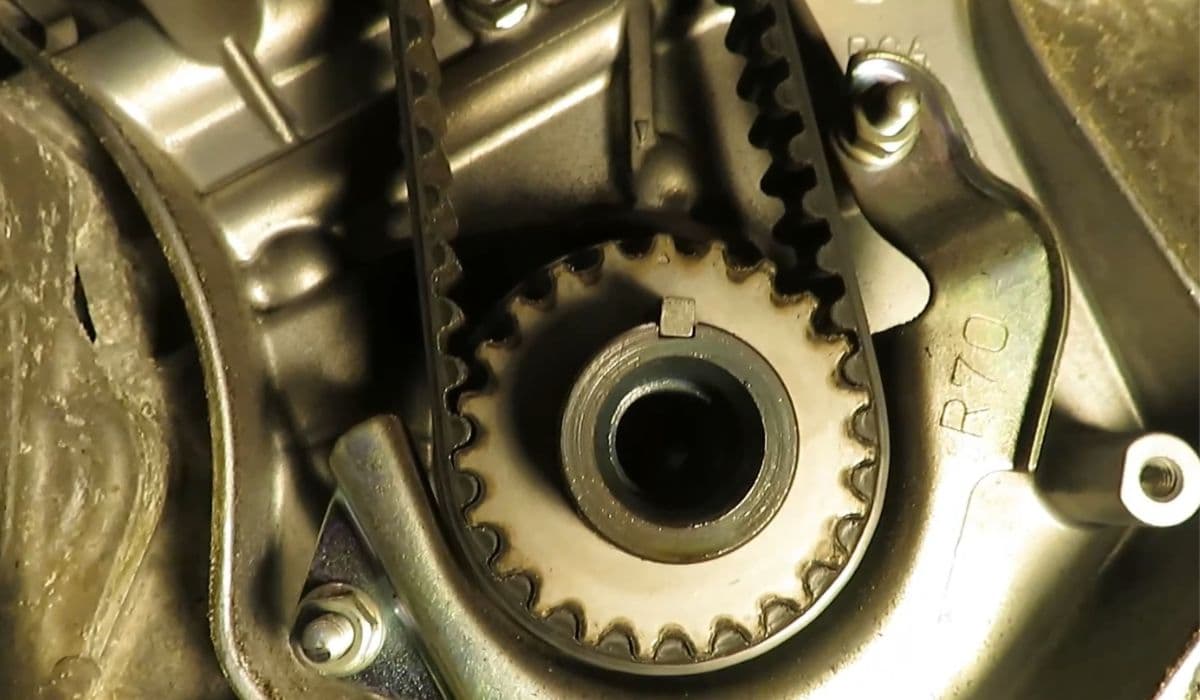
The timing belt in your Honda Pilot plays a pivotal role in the engine's operation, synchronizing the crankshaft and camshaft to ensure valves open and close at precise moments. This rubber-based component, reinforced with fibers, prevents engine damage by maintaining harmony among moving parts. For Honda Pilot owners, grasping its function is essential, as failure can lead to catastrophic engine issues, often requiring extensive repairs.
Introduced in 2003, the Honda Pilot has evolved through generations, each with specific engine configurations affecting the timing belt. Early models featured interference engines, where belt breakage could cause pistons to collide with valves, emphasizing the need for timely maintenance. Over time, Honda refined designs, but the belt remains a wear item susceptible to heat, tension, and mileage. Interestingly, unlike chains in some vehicles, belts offer quieter operation but demand periodic checks to avoid surprises on long drives.
Recommended Replacement Intervals for Different Generations
Honda provides tailored guidelines for timing belt replacement based on model years and driving conditions. These intervals balance durability with real-world factors like climate and usage patterns.
For the first-generation Honda Pilot (2003-2008), equipped with the J35A engine, the manufacturer suggests replacement every 105,000 miles or 7 years, whichever comes first. Severe conditions—such as frequent towing or dusty environments—may shorten this to 60,000 miles.
Moving to the second generation (2009-2015), with updated J35Z variants, the interval remains similar at 105,000 miles or 7 years. However, pilots from 2013 onward might have slight variations due to enhanced materials, though sticking to the baseline prevents risks.
The third generation (2016-2022) and the current fourth (2023-present) often feature timing chains in some trims, but many retain belts, especially in V6 setups. For these, Honda recommends 100,000-110,000 miles or 6-8 years. Always consult your owner's manual for exact specs, as hybrid models or all-wheel-drive versions could differ.
Factors influencing intervals include:
Driving habits: Stop-and-go traffic accelerates wear compared to highway cruising.
Environmental exposure: High temperatures or humidity can degrade rubber faster.
Vehicle modifications: Aftermarket parts might alter tension, necessitating earlier checks.
Adhering to these timelines ensures engine longevity, turning potential breakdowns into routine upkeep.
Signs That Your Timing Belt Needs Replacement
Detecting timing belt issues early can save your Honda Pilot from major problems. While belts don't always announce failure dramatically, subtle cues warrant attention.
Common indicators include unusual engine noises, like a high-pitched whining or slapping sound from the front, signaling slippage or fraying. If the engine misfires or struggles to start, the belt might be off-sync, disrupting valve timing.
Visual inspections reveal cracks, glazing, or missing teeth on the belt—though accessing it requires removing covers. Oil leaks near the timing cover can contaminate the belt, hastening deterioration.
Performance drops, such as reduced power or erratic idling, often stem from belt stretch. In extreme cases, a snapped belt halts the engine abruptly, but proactive monitoring avoids this.
To spot issues:
Listen for rhythmic ticking that varies with RPM.
Check dashboard warnings, as sensors might detect timing anomalies.
Note mileage; if approaching recommended intervals, inspect regardless of symptoms.
Regular vigilance transforms ownership from reactive to rewarding, keeping your Pilot reliable for family adventures or daily commutes.
The Replacement Process: What to Expect
Replacing the timing belt on a Honda Pilot involves a meticulous procedure, best handled by skilled technicians but understandable for informed owners. It typically spans several hours, focusing on precision to avoid misalignment.
The process begins with draining coolant and removing accessories like the serpentine belt and power steering pump for access. The crankshaft pulley is loosened, often using specialized tools to prevent rotation.
Next, the timing covers are detached, exposing the belt. Alignment marks on the camshaft and crankshaft are noted to ensure correct reinstallation. The old belt is removed, along with tensioners and idlers, which are usually replaced simultaneously for optimal performance.
Installation reverses these steps: new components are fitted, tension adjusted per specs, and everything reassembled. A final engine turn-by-hand verifies no interference before starting.
Key aspects include:
Water pump replacement: Often done concurrently, as it's in the same area and shares lifespan.
Seal inspections: Cam and crank seals are checked to prevent future leaks.
Torque specifications: Every bolt must meet Honda's exact values to avoid vibrations.
Post-replacement, a test drive confirms smooth operation, highlighting why this maintenance milestone restores confidence in your vehicle's heart.
Maintenance Tips to Extend Timing Belt Life
Prolonging your Honda Pilot's timing belt lifespan involves proactive habits that enhance overall engine health. Start with regular oil changes, as clean lubricant reduces heat buildup that degrades rubber.
Avoid aggressive driving; sudden accelerations strain the belt. In hot climates, park in shade to minimize thermal stress.
Schedule periodic inspections every 30,000 miles, focusing on tension and alignment. Use high-quality coolant to prevent overheating, which warps components.
Additional strategies:
Monitor accessory belts: Their failure can indirectly affect timing.
Keep the engine bay clean: Debris accelerates wear.
Follow Honda's service schedule: It integrates belt checks with other maintenance.
By integrating these practices, you not only extend the belt's service but also elevate your Pilot's efficiency, making every mile more enjoyable and worry-free.
More from Honda
How to Fix 11th Generation Honda Civic Screen Delamination (2022–2024 Models)
08.12.2025 12:32
How to Disable Honda Walk Away Auto Lock Forever
08.12.2025 12:44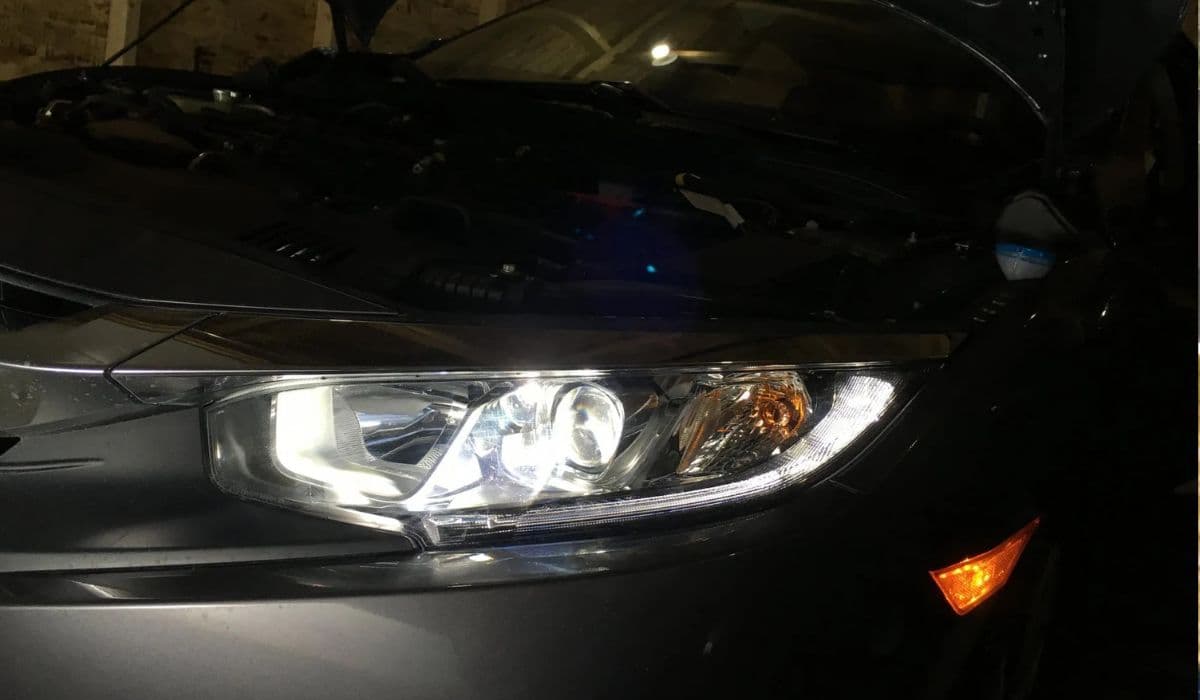
Honda Civic Low Beam Headlight Bulb Replacement Trick That Saves Hours and Broken Clips
08.12.2025 09:38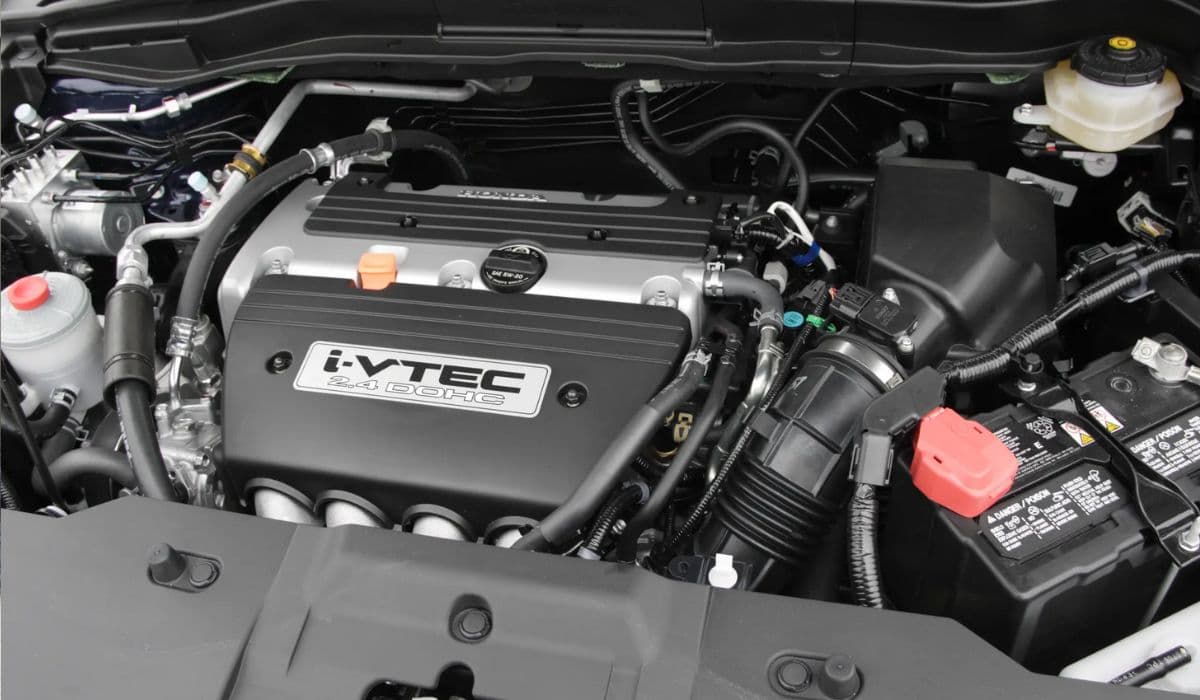
Honda CR-V Vibration at Idle: Why Engine Mount Replacement Is Often the Real Fix
08.12.2025 09:22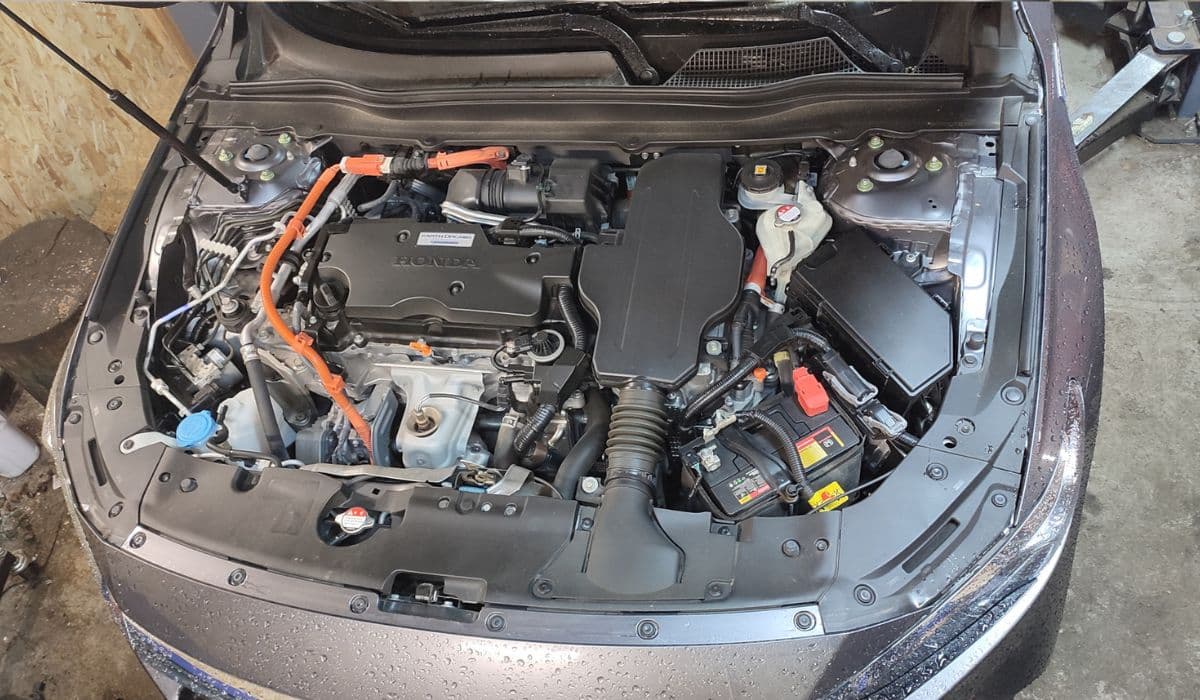
How to Clean the Honda Accord Hybrid Battery Fan Yourself – Full DIY Guide
08.12.2025 08:55