Transmission Fluid Heater Maintenance Honda CR-V Hybrid
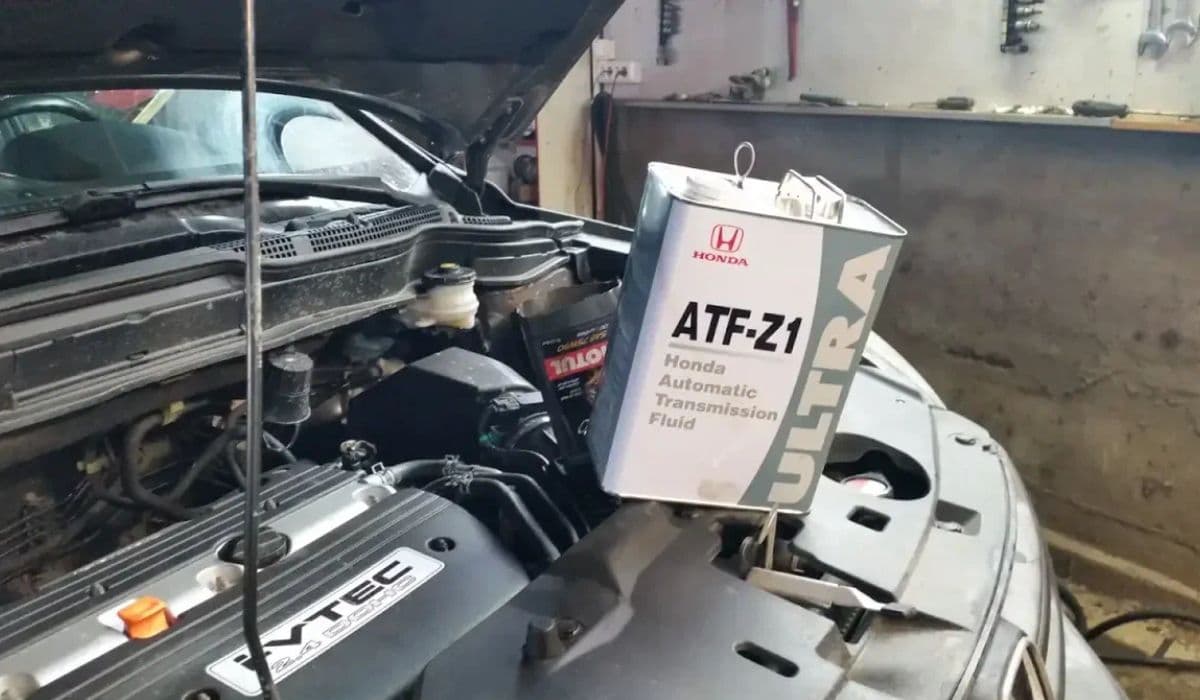
The Honda CR-V Hybrid stands out in the compact SUV market with its efficient powertrain that combines a gasoline engine and electric motors. At the heart of its smooth operation lies the transmission system, specifically designed for hybrid efficiency. One often-overlooked component is the transmission fluid heater, a clever engineering feature that ensures the transmission fluid reaches optimal temperature quickly, especially in colder climates. This heater uses electric resistance to warm the fluid, reducing viscosity and allowing for seamless gear shifts from the start.
Why does this matter? In hybrids like the CR-V, the transmission must handle both engine and electric propulsion, making fluid temperature critical for performance and longevity. Without proper heating, the fluid could remain thick, leading to increased wear on components and reduced fuel economy. Honda integrated this heater to enhance cold-start reliability, drawing power from the high-voltage battery system. It's a subtle yet vital part that contributes to the vehicle's overall hybrid synergy, blending thermal management with advanced electronics.
Signs Indicating Transmission Fluid Heater Issues
Spotting problems early can prevent costly repairs and keep your CR-V Hybrid running smoothly. Drivers might notice subtle cues that the heater isn't functioning as it should. For instance, during winter drives, if the transmission feels sluggish or hesitates on initial acceleration, it could signal inadequate fluid warming. Another red flag is unusual noises from the transmission area, like whining or grinding, which might stem from cold fluid not lubricating properly.
Keep an eye on dashboard warnings too. The CR-V's sophisticated diagnostics might trigger a check engine light or hybrid system alert if the heater circuit malfunctions. Fuel efficiency dips can also hint at issues, as inefficient fluid temperature affects the e-CVT's operation. To diagnose effectively:
Monitor transmission response in low temperatures.
Check for error codes using an OBD-II scanner.
Observe any fluid leaks around the heater assembly.
These indicators, when addressed promptly, help maintain the vehicle's hybrid prowess and driving enjoyment.
Step-by-Step Guide to Maintaining the Transmission Fluid Heater
Maintaining the transmission fluid heater doesn't require advanced mechanical skills, but it demands attention to detail for safety and effectiveness. Start by ensuring the vehicle is parked on a level surface with the engine off and cooled down. Always disconnect the battery to avoid electrical hazards, given the hybrid's high-voltage components.
First, locate the heater, typically integrated near the transmission cooler lines under the hood. Inspect for any visible damage, corrosion, or loose connections. Clean the area gently with a non-conductive brush to remove debris that could impede heat transfer. Next, check the transmission fluid level and condition—dark or burnt-smelling fluid suggests overheating or contamination, which indirectly affects the heater.
For deeper maintenance:
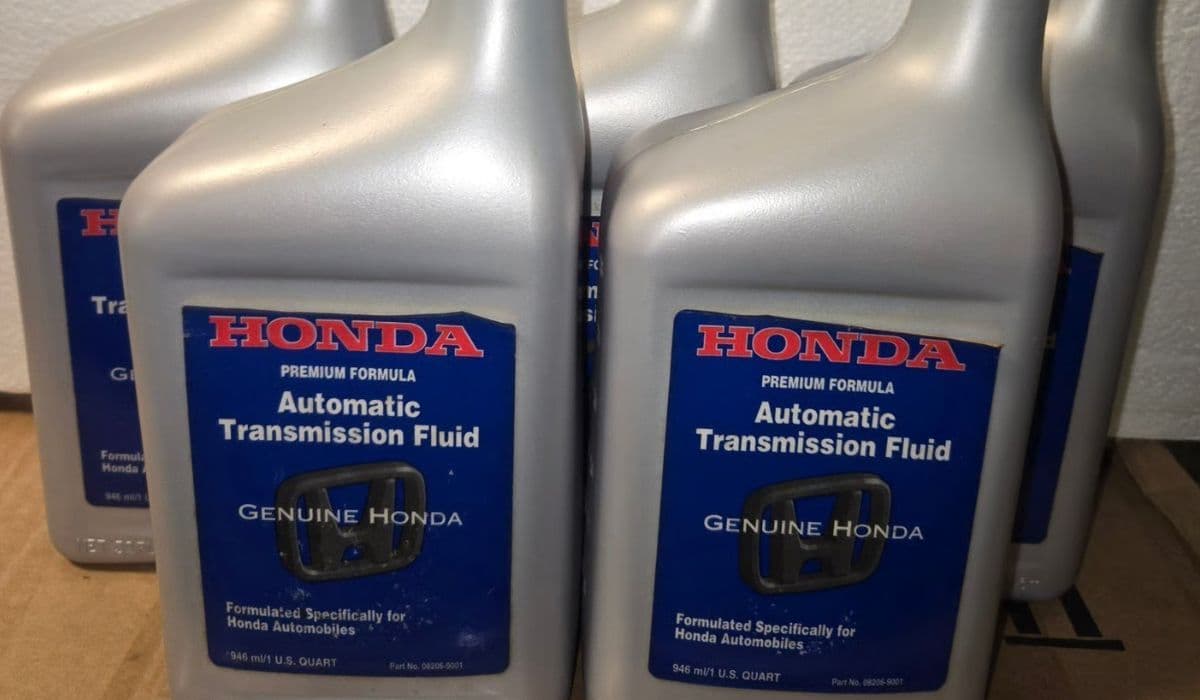
Drain and replace the fluid using Honda-approved ATF, ensuring the system is flushed to remove old residues.
Test the heater's electrical resistance with a multimeter; values outside the specified range indicate a need for replacement.
Reassemble and run a system check by idling the engine in cold conditions, verifying quick warm-up via temperature gauges.
This routine not only preserves the heater but also optimizes the CR-V Hybrid's responsive handling and efficiency.
Common Problems and Troubleshooting Techniques
Even with Honda's reliable engineering, the transmission fluid heater can encounter issues over time. One frequent problem is electrical faults, where wiring harnesses degrade due to exposure to heat cycles and road elements. This might cause intermittent heating, leading to erratic transmission behavior. Another issue involves fluid contamination from worn seals, which clogs the heater channels and reduces efficiency.
Troubleshooting begins with a visual inspection for cracks or leaks. If electrical problems are suspected, trace the wiring back to the control module and check for continuity. In some cases, software updates from Honda can resolve glitches in the heater's activation logic.
Advanced tips include:
Using thermal imaging to detect uneven heating patterns.
Monitoring battery health, as low voltage can impair heater performance.
Consulting service bulletins for model-specific quirks in CR-V Hybrids.
By tackling these proactively, owners can avoid downtime and enjoy uninterrupted hybrid driving dynamics.
Preventive Strategies for Enhanced Durability
To extend the life of your Honda CR-V Hybrid's transmission fluid heater, adopt habits that minimize stress on the system. Regular driving in varied conditions helps cycle the fluid naturally, preventing stagnation. In extreme cold, consider using a block heater to assist the system, reducing the load on the transmission heater.
Schedule fluid changes every 30,000 miles or as per the owner's manual to keep the system clean. Protect the undercarriage with shields if you frequent rough roads, guarding against debris impact.
Additional preventive measures:
Park in garages during harsh weather to maintain ambient temperatures.
Avoid aggressive driving until the system warms up fully.
Integrate heater checks into annual inspections for early detection.
These strategies not only safeguard the heater but also amplify the CR-V Hybrid's eco-friendly performance, ensuring it remains a dependable companion for adventures ahead.
More from Honda
How to Fix 11th Generation Honda Civic Screen Delamination (2022–2024 Models)
08.12.2025 12:32
How to Disable Honda Walk Away Auto Lock Forever
08.12.2025 12:44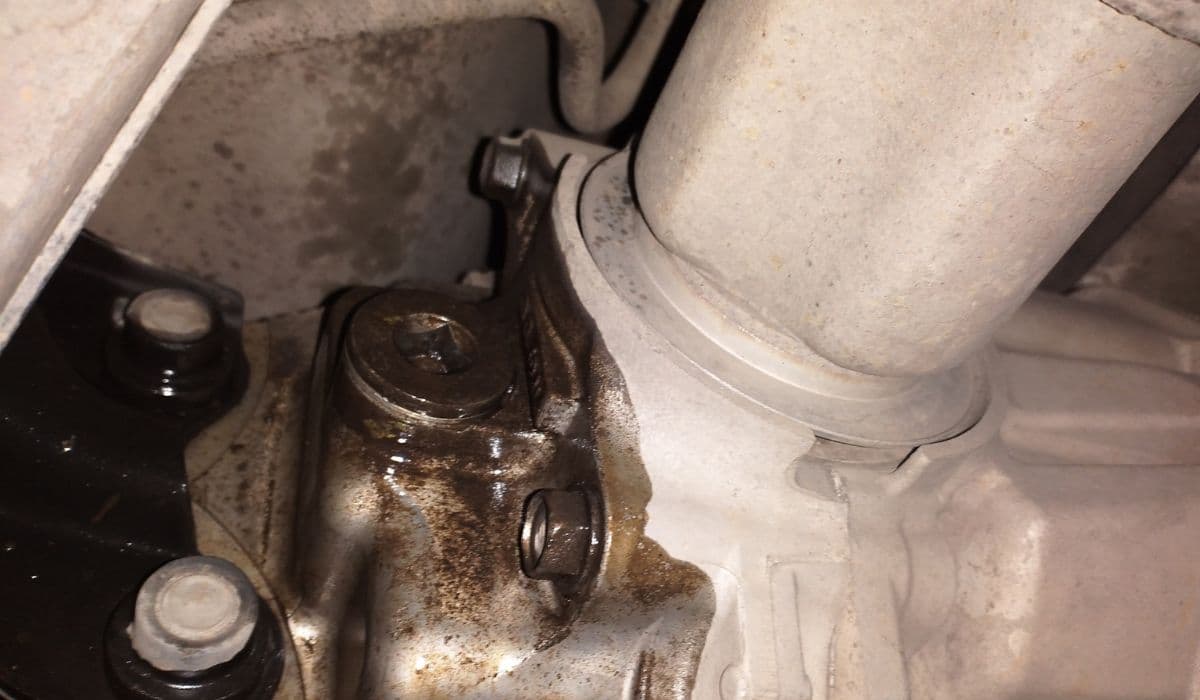
Honda CR-V: Rear Differential Fluid Change for AWD Models
24.12.2025 06:39
Honda Civic Low Beam Headlight Bulb Replacement Trick That Saves Hours and Broken Clips
08.12.2025 09:38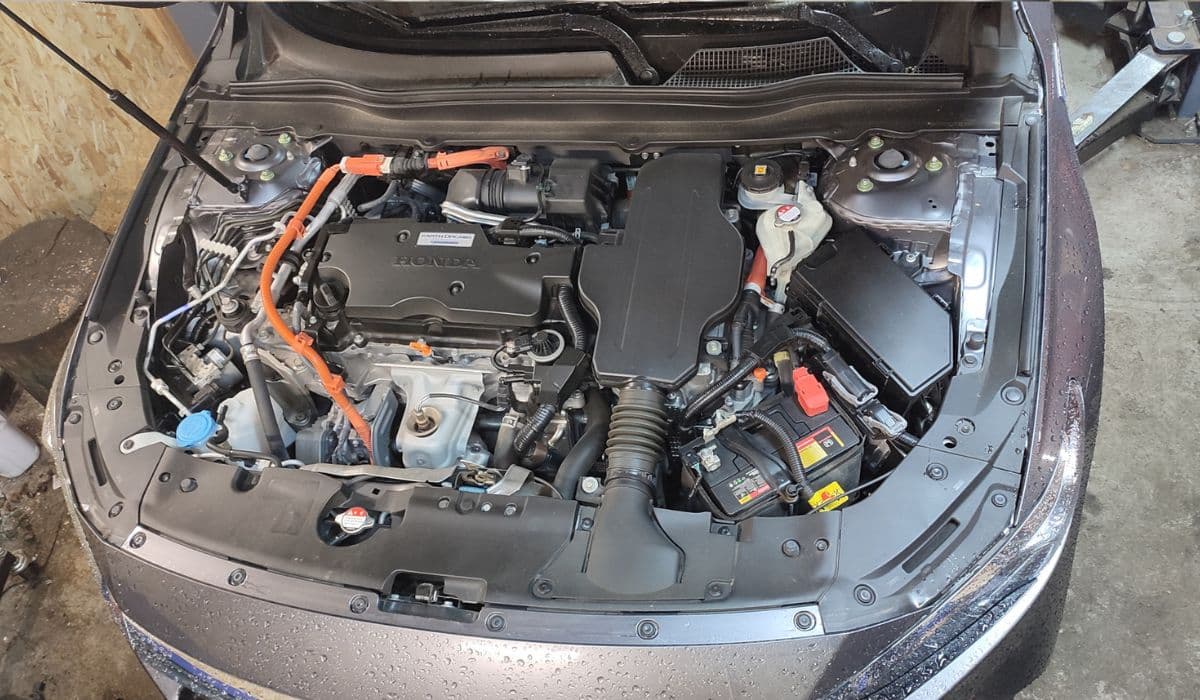
How to Clean the Honda Accord Hybrid Battery Fan Yourself – Full DIY Guide
08.12.2025 08:55