
Camry 2018+ 8-Speed Transmission Fluid Drain & Fill: Complete DIY Guide
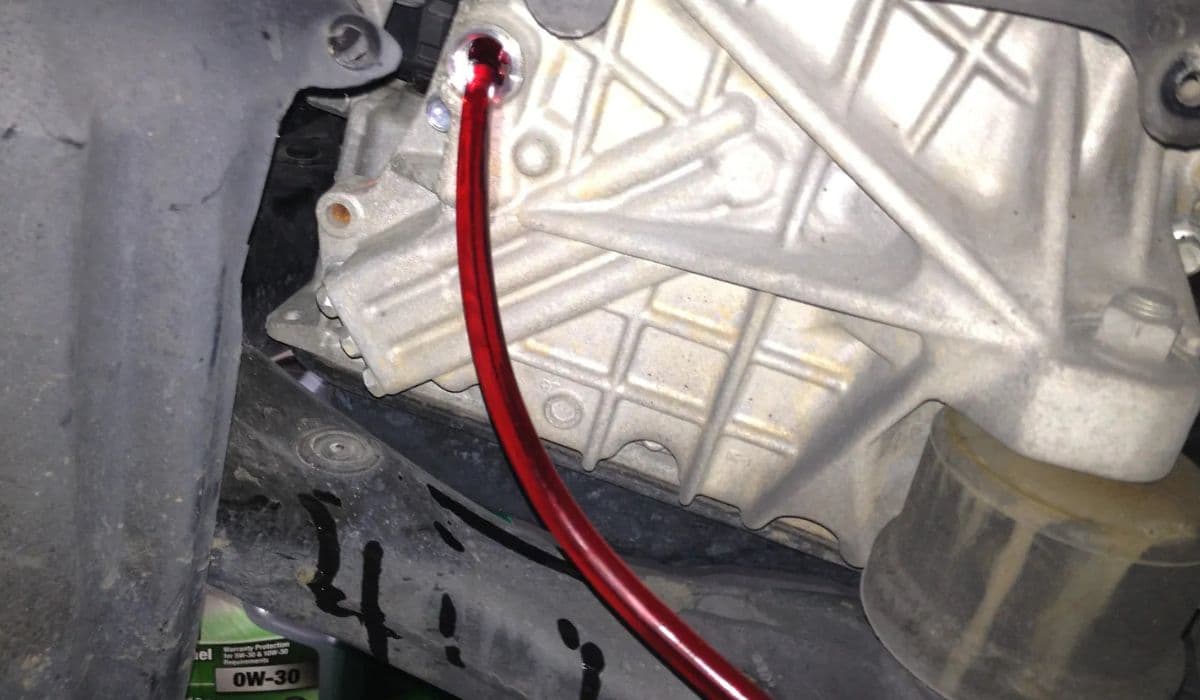
Why the 8-Speed Automatic (UA80E) Needs Regular Fluid Changes
The direct-shift 8-speed automatic transmission (Toyota codes UA80E and U881E) introduced in the 2018+ Camry with the A25A-FKS 2.5L Dynamic Force engine is widely praised for smoothness and efficiency, but it is NOT a “lifetime fill” unit despite what some dealer service departments claim. Toyota’s own Worldwide Technical Service Bulletin T-SB-0006-18 acknowledges that under severe driving conditions (towing, stop-and-go traffic, hot climates, spirited driving) the ATF should be drained and filled every 60,000 miles or sooner. Real-world experience from owners and transmission specialists shows that refreshing the fluid between 40,000–60,000 miles dramatically reduces shift flare, hesitation, and long-term valve-body wear.
The factory fill is Toyota Genuine ATF WS (World Standard), a low-viscosity synthetic fluid. After approximately 40,000 miles the fluid darkens significantly, loses shear stability, and the internal filter begins to load with clutch material. Ignoring the service eventually leads to harsh 2-3 and 3-4 upshifts, torque converter shudder, and in extreme cases, solenoid or valve-body failure costing $3,000+.
Tools and Materials You Will Actually Need
24 mm wrench or socket (drain plug)
6 mm Allen (hex) for the plastic level check plug
10 mm socket for battery tray bolts (to access fill plug)
Long-neck funnel + 1 meter of 5/8″ clear vinyl hose
Fluid pump (highly recommended) or turkey baster with extension
6 quarts genuine Toyota ATF WS (P/N 00289-ATFWS) – you will use ~4.2–4.5 quarts per drain & fill
Crush washer for drain plug (P/N 35178-30010)
Torque wrench (10–40 Nm range)
Catch pan marked in quarts/liters
Jack and jack stands or ramps
Nitrile gloves and plenty of rags
OBD-II scanner capable of reading ATF temperature (Techstream, Carista, or BlueDriver)
Safety Notes Before You Start
Park on a completely level surface. The level check procedure is temperature-critical (40–45 °C / 104–113 °F). Never attempt when the transmission is cold or fully hot (>50 °C). Chock wheels, engage parking brake, and wear eye protection.
Step-by-Step Drain Procedure
Warm the engine to normal operating temperature, then shift through all gears (P-R-N-D-S) holding each for 5 seconds to circulate fluid.
Raise the front of the car or drive onto ramps.
Locate the transmission drain plug on the bottom of the pan (24 mm). It is the lower of the two plugs.
Place catch pan underneath. Remove drain plug and allow ~3.8–4.0 quarts to drain (it will come out in pulses as torque converter drains back).
Inspect the drain plug magnet for excessive metal – a thin gray film is normal; chunks or glitter mean internal problems.
Install new crush washer and reinstall drain plug. Torque to 28 Nm (20 ft-lbs).
Accessing the Fill Plug (The Tricky Part)
The fill plug is on the passenger side of the transmission case, hidden behind the battery tray and airbox on most 2018–2024 Camry models.
Disconnect negative battery terminal
Remove 10 mm bolts holding battery tray
Unclip air intake tube and move tray aside (no need to fully remove battery)
The red plastic fill plug is now visible at ~10 o’clock position looking from the wheel well
Refilling and Level Setting Procedure (Critical)
With engine OFF, remove red fill plug and insert hose + funnel.
Pump or pour exactly the amount that drained out (usually 4.0–4.2 quarts).
Reinstall fill plug loosely.
Start engine, shift through all gears again, then return to Park.
Remove the small 6 mm Allen level check plug on the bottom of the pan (this is NOT the drain plug – it is slightly higher and toward the rear).
Connect scanner and monitor ATF temperature (parameter “A/T Oil Temperature 1”).
When temperature reaches 35 °C, fluid will begin dripping from the level hole. Continue running until it reaches 40–45 °C and fluid flows in a steady stream, then slows to a drip (this is correct level when hot).
If no fluid comes out below 40 °C, add 0.2–0.3 quarts at a time until it drips.
If fluid pours out heavily at 35 °C, the level is too high – let it drain until it slows to a drip at 40–45 °C.
Reinstall level plug (torque 39 Nm / 29 ft-lbs) and fill plug (hand tight + 1/4 turn).
How Many Drain & Fill Cycles for a Complete Refresh?
A single drain & fill replaces only ~40–45 % of total fluid (total system capacity ≈ 8.0 quarts). For a heavily degraded or 100k-mile transmission, perform three drain & fill cycles, driving 50–100 miles between each. This progressively dilutes old fluid and restores proper frictional properties.
Common Mistakes That Ruin These Transmissions
Using non-WS fluid (Valvoline MaxLife ATF, Amsoil, Red Line D6, etc.) – the UA80E is extremely sensitive to friction modifiers
Overfilling – causes foaming, overheating, and torque converter clutch slippage
Setting level when cold or >50 °C – results in 0.5–1 quart error
Forgetting to cycle gears before checking level – traps fluid in cooler lines
Reusing old crush washer – leads to slow leaks
Signs Your Fluid Change Was Successful
Silky-smooth shifts, especially 2-3 and lockup
No flare or hesitation on light throttle
Reduced transmission temperature (10–20 °F lower on highway)
Fluid remains pink/red after 10,000 miles instead of turning brown in 2,000
Bonus Maintenance Tips
Every second ATF service, replace the internal strainer (filter) – P/N 35330-08010. It requires pan drop and 14 bolts, but prevents solenoid clogging past 120k miles. While the pan is off, clean the two magnets thoroughly.
Following this exact procedure with genuine Toyota WS fluid has resulted in documented 250,000+ mile UA80E transmissions with zero repairs in many owner communities.
More from Toyota
How to Fix 4Runner KDSS Lean at Home – Complete DIY Guide
08.12.2025 14:34
How to Make a 2GR-FE (3.5 V6) Engine Live Past 400,000 Miles – Real-World Experience from Cars That Actually Did It
02.12.2025 08:16
Toyota Tacoma Frame Rust Repair DIY: Complete Undercoating Guide
08.12.2025 13:56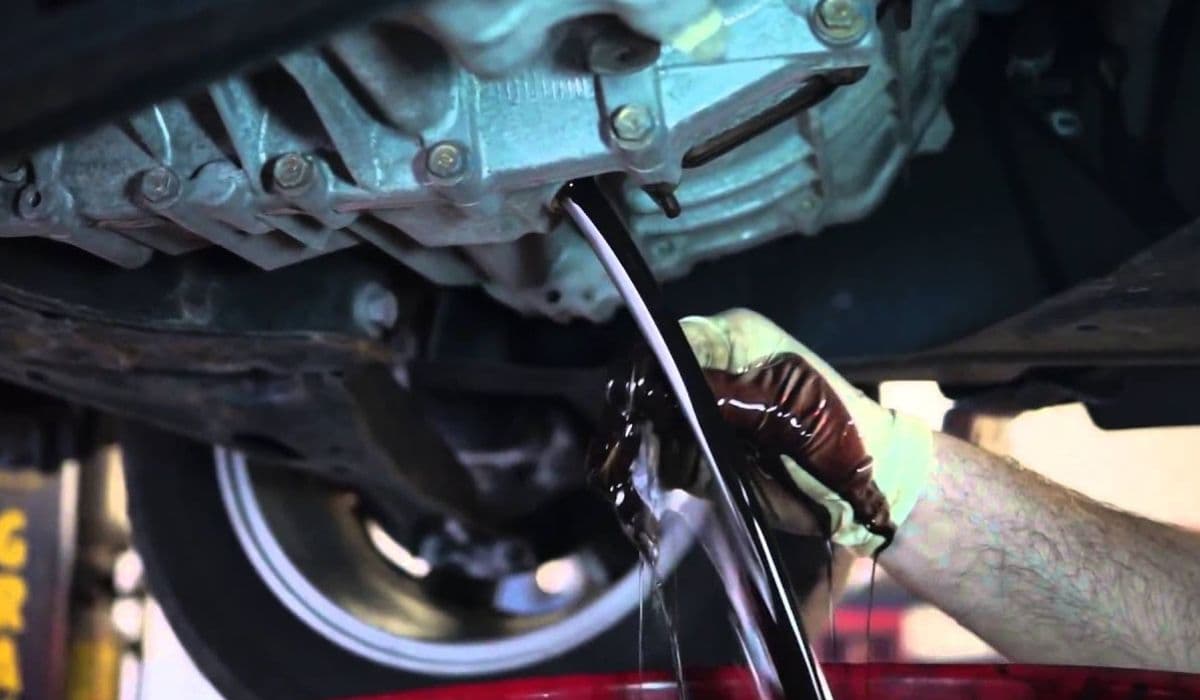
How to Change Transmission Fluid in 3rd Gen Toyota Tacoma (Sealed Transmission) – Complete DIY Guide
08.12.2025 09:59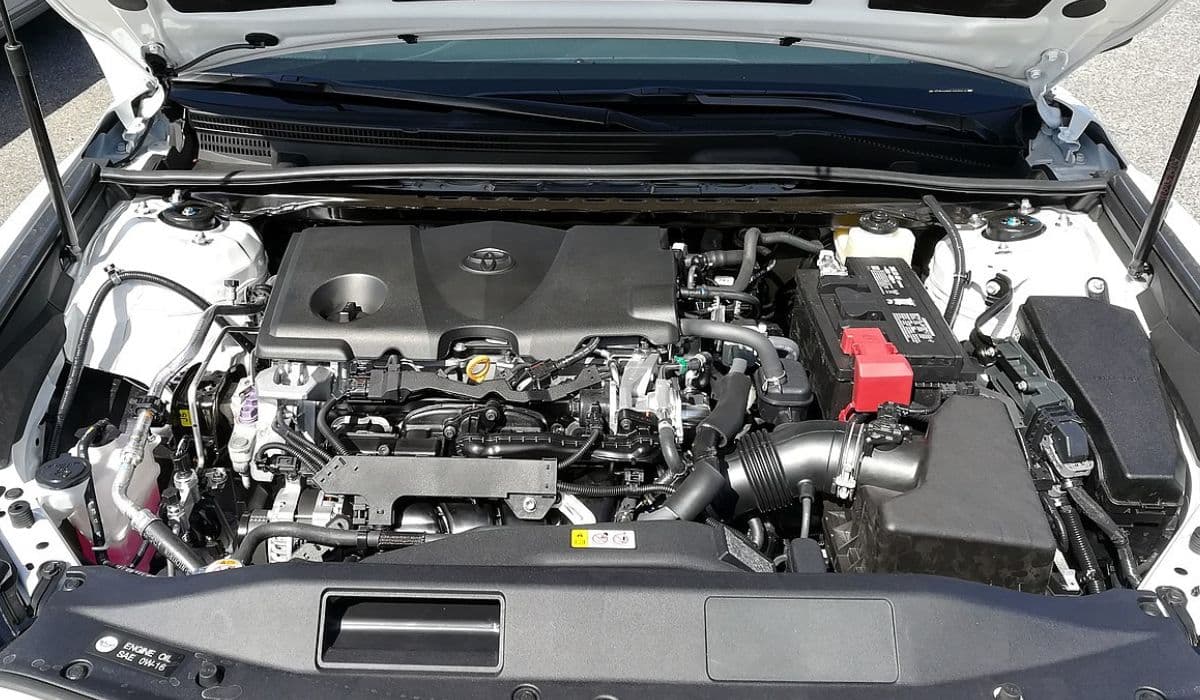
A25A-FKS 2.5 Dynamic Force Engine Long-Term Review: Real-World Durability and Ownership Experience
08.12.2025 09:12