Tundra 5.7 Oil Consumption Fix (Piston Rings?)
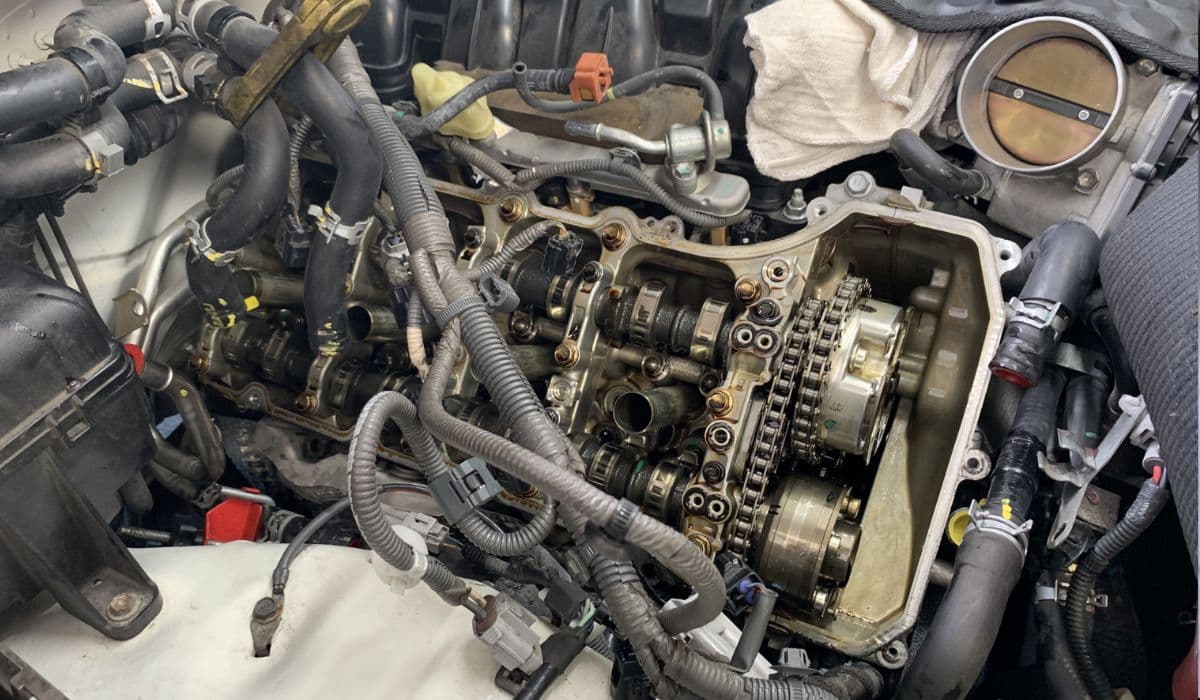
The Toyota Tundra's 5.7-liter V8 engine stands out for its robust power delivery and legendary durability, powering heavy loads and long hauls with ease. Yet many owners encounter a frustrating issue: excessive oil consumption. The dipstick shows levels dropping steadily between changes, sometimes requiring a quart every few thousand miles. This phenomenon often sparks the question—is it the piston rings?
Understanding this problem requires looking at how modern engines balance efficiency, emissions, and longevity. The 5.7 V8 employs low-tension piston rings designed to reduce internal friction for better fuel economy and lower emissions. While innovative, these rings prove sensitive to maintenance habits, leading to carbon buildup that impairs their function.
Recognizing the Symptoms of Excessive Oil Use
Spotting oil consumption early prevents bigger headaches down the road. Key indicators include:
Frequent need to add oil between regular services, often 1 quart every 1,000–3,000 miles in affected cases
Blue or grayish smoke from the exhaust, especially during acceleration or after idling
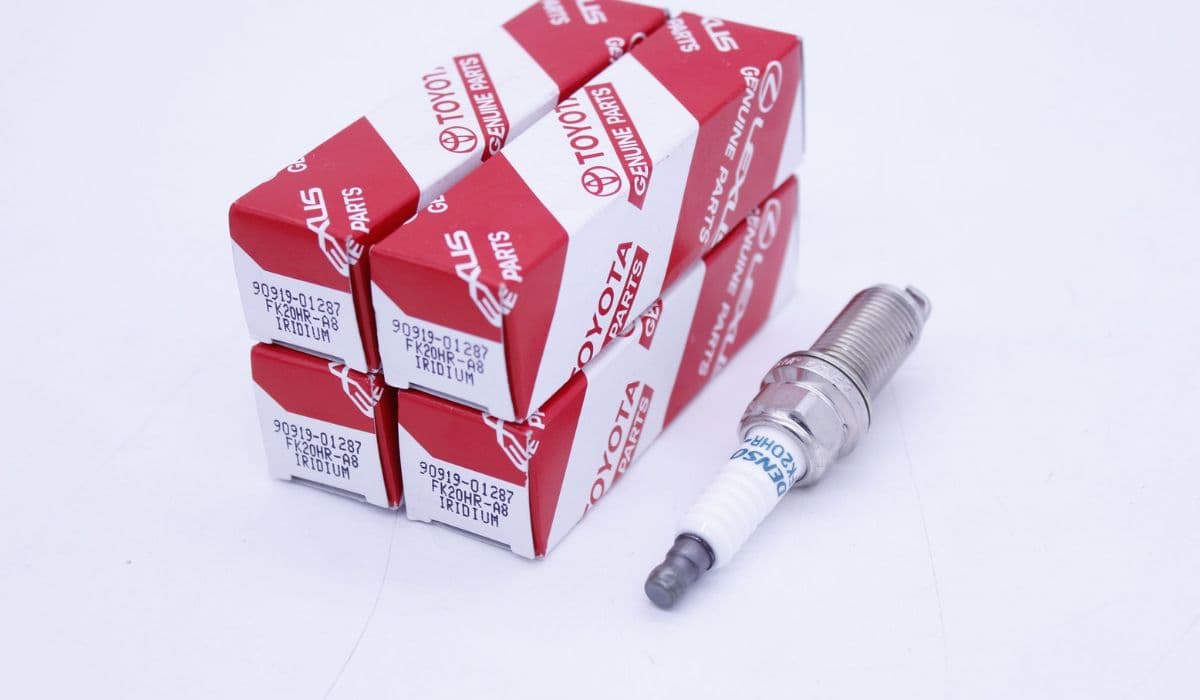
Fouled spark plugs coated in oily residue
No visible external leaks under the vehicle despite dropping oil levels
Possible slight drop in performance or increased fuel use over time
These signs point to oil entering the combustion chamber rather than leaking externally. Unlike a dripping valve cover gasket, internal burning leaves little trace outside the engine.
Primary Causes Behind Oil Burning in the 5.7 V8
Multiple factors contribute, but piston ring issues top the list for many high-mileage examples.
Low-tension oil control rings scrape excess oil from cylinder walls. When carbon deposits (from incomplete combustion or extended intervals) clog the ring grooves or stick the rings, they lose sealing ability. Oil sneaks past into the combustion chamber and burns.
Other contributors include:
Clogged or malfunctioning PCV valve, pulling excess oil vapor into intake
Worn valve stem seals allowing oil down guides
Cylinder wall scoring or excessive wear in rare severe cases
Maintenance lapses accelerating ring coking, such as infrequent oil changes or using lower-quality lubricants
The engine's design prioritizes efficiency, making it more prone to this when neglected compared to older, higher-tension ring setups.
Diagnostic Steps to Pinpoint the Root Cause
Before diving into repairs, confirm the source systematically.
Track consumption precisely over several thousand miles with consistent oil type and driving conditions
Perform a compression test across all cylinders to check ring sealing (low or uneven readings suggest rings)
Conduct a leak-down test for more precise insight into whether rings, valves, or gaskets cause issues
Inspect the PCV system—replace the valve and check hoses for cracks or blockages
Use a borescope to view cylinder walls and piston tops for visible carbon or scoring
These tests separate simple fixes from deeper engine work. A healthy PCV refresh sometimes reduces consumption noticeably.
Effective Solutions: From Simple to Comprehensive
Start conservatively before considering major disassembly.
Non-Invasive Approaches
Switch to a premium full-synthetic oil meeting or exceeding specifications; some owners report reduced burning with slightly thicker viscosities where permitted
Install a fresh PCV valve and inspect related hoses—often the quickest win
Run high-RPM highway drives periodically to help free lightly stuck rings through heat and pressure cycles
Consider specialized engine flush or decarbonization additives designed to clean ring grooves (results vary by severity)
Addressing Stuck or Coked Rings
If carbon buildup is the culprit, cleaning proves more effective than additives alone in moderate cases. Professional chemical cleaning or targeted treatments dissolve deposits, restoring ring movement. This avoids full teardown for many trucks still in reasonable shape.
Piston Ring Replacement: The Definitive Fix
When consumption exceeds manageable levels or diagnostics confirm worn/stuck rings, replacing piston rings becomes necessary. This involves:
Engine removal or in-frame access (depending on shop capabilities)
Disassembly of the bottom end to extract pistons
Careful cleaning or honing of cylinder walls
Installation of new piston rings with proper end-gap orientation and stagger
Reassembly with fresh gaskets and torque specs
New rings restore proper oil control, often eliminating the issue entirely. Many choose upgraded or redesigned rings for better long-term performance against coking.
This repair demands expertise and proper tools—amateur attempts risk further damage. A reputable shop familiar with the 3UR-FE engine ensures best results.
Preventive Strategies for Long-Term Reliability
Avoiding recurrence centers on proactive care.
Adhere to shorter oil change intervals under severe conditions (towing, dusty environments, short trips)
Use high-quality synthetic oil with strong detergency to combat deposits
Monitor PCV function regularly and replace proactively
Check oil levels frequently, especially on longer trips
Address any early signs promptly rather than letting low oil exacerbate wear
Consistent attention keeps the powerful 5.7 V8 running smoothly for hundreds of thousands of miles.
More from Toyota
Highlander Hybrid Battery Cooling Fan Cleaning: Complete Step-by-Step Guide
08.12.2025 12:56
How to Diagnose and Perform 4Runner Transfer Case Actuator Bypass When 4WD Won't Engage
08.12.2025 10:44
Camry 2GR-FE V6 Water Pump Replacement DIY – Full Step-by-Step Guide
08.12.2025 10:39
2024 Toyota Tacoma i-FORCE MAX Battery Drain Fix – Complete Owner’s Guide
08.12.2025 10:35
RAV4 Hybrid Inverter Coolant Bleed Procedure: Complete Step-by-Step Guide
08.12.2025 10:31