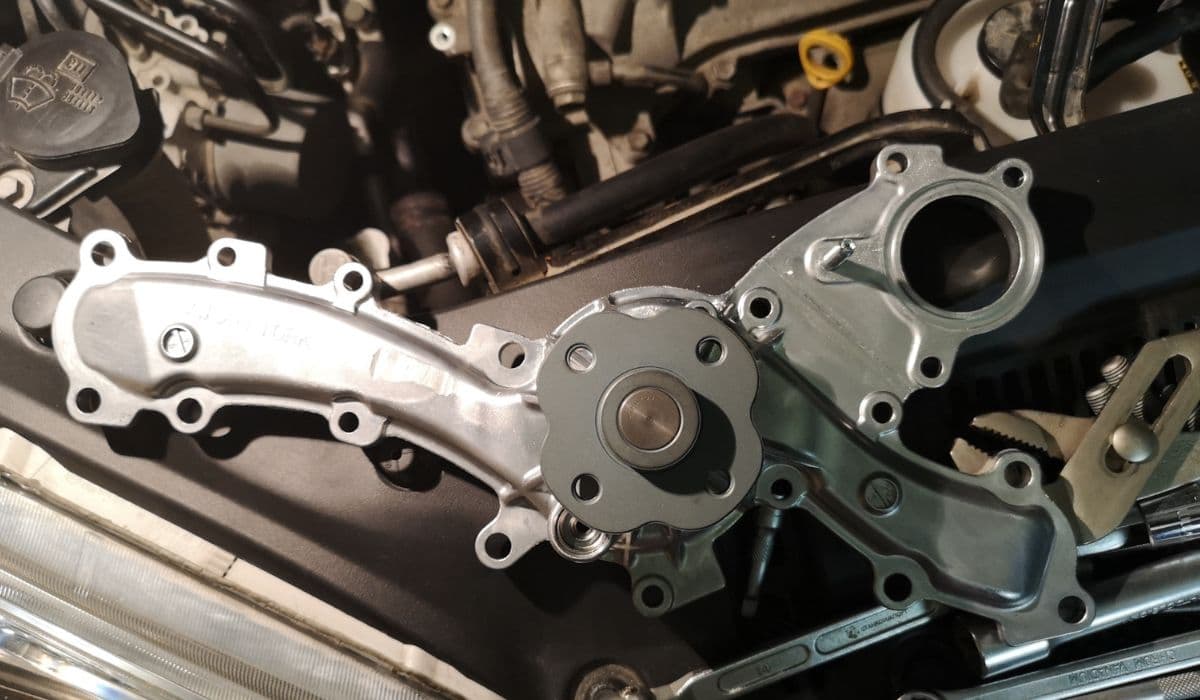
How to Diagnose and Perform 4Runner Transfer Case Actuator Bypass When 4WD Won't Engage
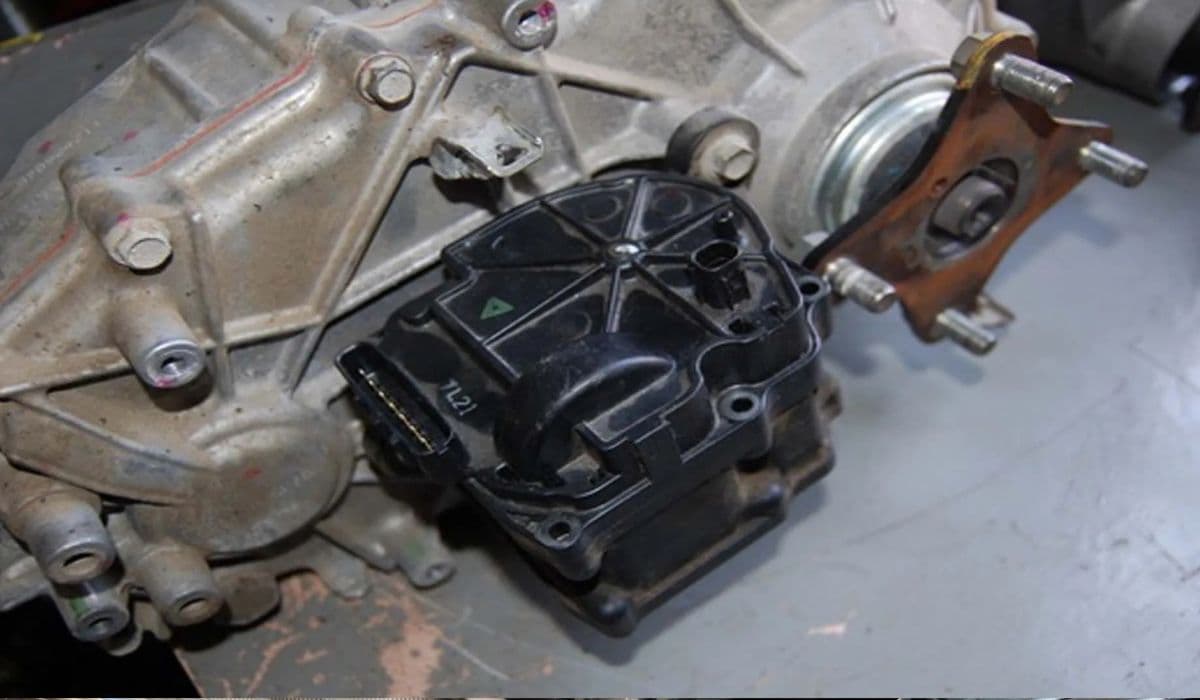
The Toyota 4Runner (especially 4th and 5th generation models from 2003 onward) is legendary for its off-road capability, but one of the most common and frustrating failures is the 4WD system refusing to engage. The dashboard 4WD light flashes, you hear clicking under the truck, or absolutely nothing happens when you twist the dash switch. In 95% of these cases the culprit is the transfer case actuator (also called the transfer case shift motor or 4WD position switch assembly).
This comprehensive guide explains exactly why the actuator fails, how to confirm it’s the problem, and most importantly – how to permanently bypass the electronic actuator using a proven manual bypass method that restores full-time 4WD functionality without spending $800–$1400 on a new Toyota or Denso motor.
Understanding the 4Runner Transfer Case Actuator System
Toyota uses an on-demand 4WD system with an electronically controlled transfer case actuator mounted on the side of the transfer case. A small electric motor with a worm gear drives a sector gear that physically moves the shift fork between 2WD (H2), 4WD High (H4), Neutral, and 4WD Low (L4).
Inside the actuator there are:
Electric motor
Reduction gears (plastic and metal)
Position sensors (hall-effect)
Limit switches
Thermal fuse (very common failure point)
When you turn the dash switch, the 4WD ECU sends voltage to the actuator motor and monitors position feedback. If the motor stalls, gears strip, sensors fail, or the internal thermal fuse blows, the system aborts the shift and flashes the 4WD light.
Most Common Symptoms of a Bad Transfer Case Actuator
4WD light on dash flashes continuously when attempting to engage
Clicking or grinding noise from under the vehicle near the transmission
Truck stays in 2WD no matter what position the switch is in
Occasional intermittent engagement (works when cold, fails when hot)
Diagnostic code P2770 (Transfer Shift Actuator Circuit High) or similar
Actuator motor runs but never completes the shift
Step-by-Step Diagnosis Before You Bypass
Check the 4WD fuse (15A) in the driver-side kick panel – surprisingly often blown.
Listen for actuator motor operation under the truck when a helper turns the switch from 2WD → 4WD High.
Scan for codes with a good OBD2 scanner (Techstream, BlueDriver, or Launch). Look for any 4WD-related codes.
Remove the actuator (three 12mm bolts) and manually turn the sector shaft with channel locks. It should rotate smoothly about 180° between stops. If it’s seized – actuator is bad.
With actuator removed, inspect the plastic sector gear teeth. Stripped teeth are extremely common.
Test motor resistance between terminals – should be around 2–6 ohms. Infinite resistance = blown thermal fuse (most common).
If everything else checks out but still no engagement, suspect the dash switch or 4WD ECU (rare).
Permanent 4Runner Transfer Case Actuator Bypass – Posi-Lock Style Manual Method
Instead of replacing the $1000+ actuator every few years, thousands of 4Runner owners have switched to a manual lever bypass. This converts the truck to part-time 4WD (like older Toyotas) and eliminates the electronic actuator forever.
Tools Required
12mm, 14mm, 17mm sockets
Channel lock pliers
Torque wrench
Jack and jack stands
Zip ties and heat shrink
Optional: aftermarket manual shift lever kit (Part-Time 4WD kit from Low Range Off Road, 4Runner Lifestyle, etc.)
Step-by-Step Bypass Procedure
Safely lift the driver side of the vehicle and support on jack stands.
Locate the transfer case actuator on the driver side rear of the transfer case.
Disconnect the electrical connector from the actuator.
Remove the three 12mm bolts holding the actuator to the transfer case.
Carefully pull the actuator straight out. The sector shaft will remain in the transfer case.
Using large channel lock pliers, rotate the exposed sector shaft fully clockwise (viewed from rear) until it stops – this puts the transfer case in 4WD High.
To lock it permanently in 4WD: fabricate or purchase a steel bracket that bolts to the original actuator mounting holes and clamps the sector shaft in the 4WD position.
Alternative (cleaner) method: Install an aftermarket manual shift lever kit. These kits replace the actuator with a cable-operated lever that mounts inside the cabin or on the transmission tunnel. You simply pull the lever to engage/disengage 4WD.
Reinstall any skid plates and lower the vehicle.
Result: Your 4Runner now has reliable, old-school part-time 4WD with no electronics to fail.
Optional: Add a Dash Indicator Light After Bypass
Since the factory 4WD light no longer works after bypass, many owners add a simple LED indicator:
Tap into front axle actuator lock signal (green wire at the ADD actuator (driver side frame rail)
Run wire into cabin and install LED on dash
Light illuminates only when front axle is locked = true 4WD engaged
Pros and Cons of the Actuator Bypass
Pros:
Permanent fix – no more $1200 actuator replacements
Faster 4WD engagement (instant vs 2–3 second delay)
Works in all temperatures
Can still shift into 4WD Low manually
Cons:
Loses “on-demand” AWD capability (always 2WD or 4WD)
Slight increase in drivetrain wear and fuel consumption when in 4WD on dry pavement (do NOT drive in 4WD on dry roads)
Technically converts system to part-time 4WD
Maintenance Tips After Bypass
Never engage 4WD on dry pavement – binding will occur
Periodically lubricate the manual lever pivot (if using white lithium grease
Keep front driveshaft u-joints greased
Consider upgrading to manual locking hubs in the future for true 2WD when desired
This bypass method has been performed on tens of thousands of 4Runners, Tacomas, and FJ Cruisers with outstanding long-term reliability. Once completed, the dreaded “flashing 4WD light” nightmare is gone forever.
More from Toyota
Permanent Fix for Toyota 4Runner Liftgate Window Rattle (5th Gen 2010–2024)
08.12.2025 16:51
Highlander Hybrid Battery Cooling Fan Cleaning: Complete Step-by-Step Guide
08.12.2025 16:56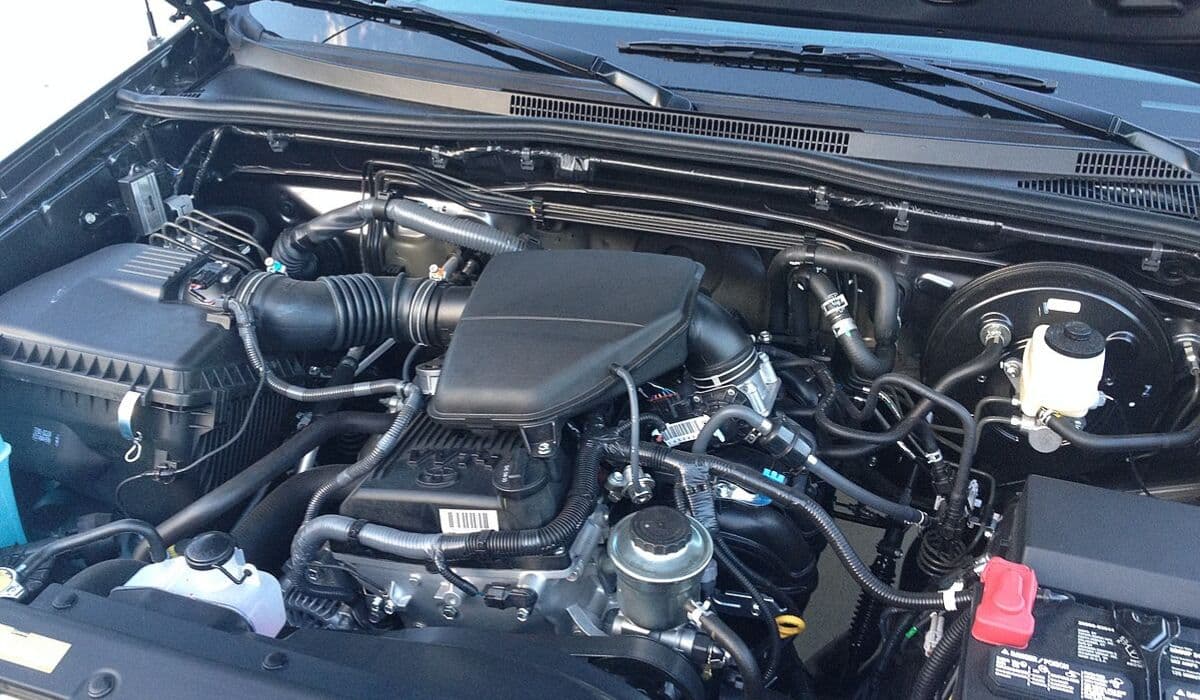
Tacoma 2.7 2TR-FE Spark Plug Replacement at 200,000+ Miles: Complete Real-World Guide
08.12.2025 17:27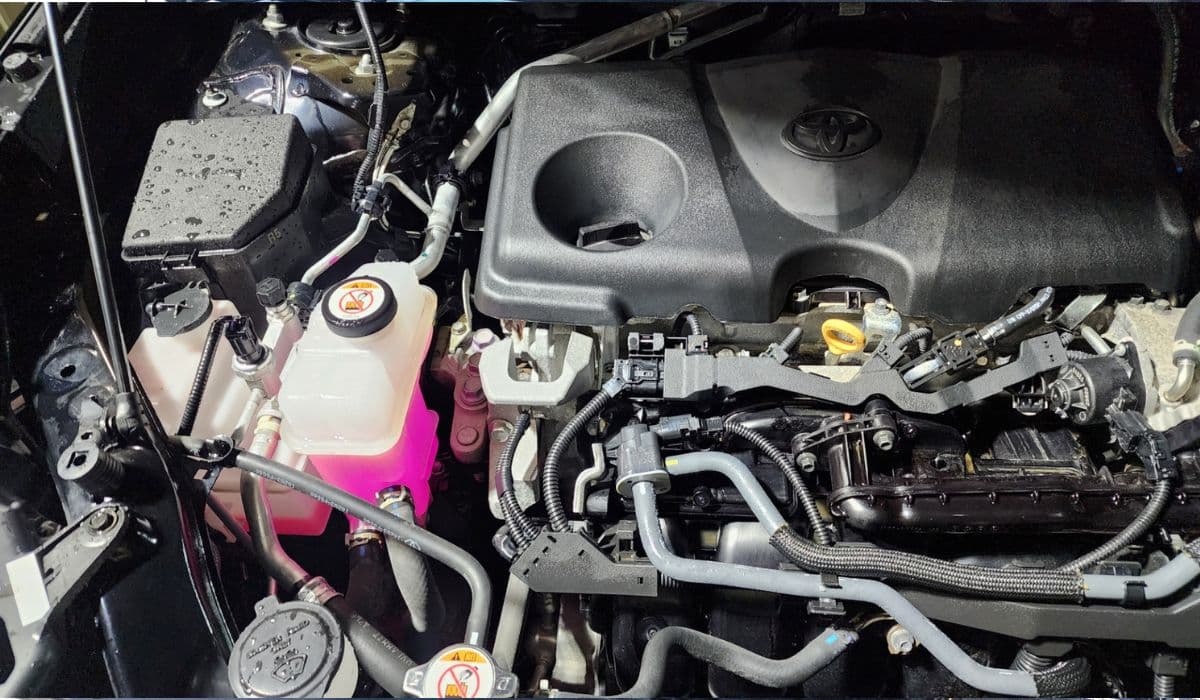
RAV4 Hybrid Inverter Coolant Bleed Procedure: Complete Step-by-Step Guide
08.12.2025 17:31
2024 Toyota Tacoma i-FORCE MAX Battery Drain Fix – Complete Owner’s Guide
08.12.2025 17:35