BMW B58 engine: Still the most reliable powertrain
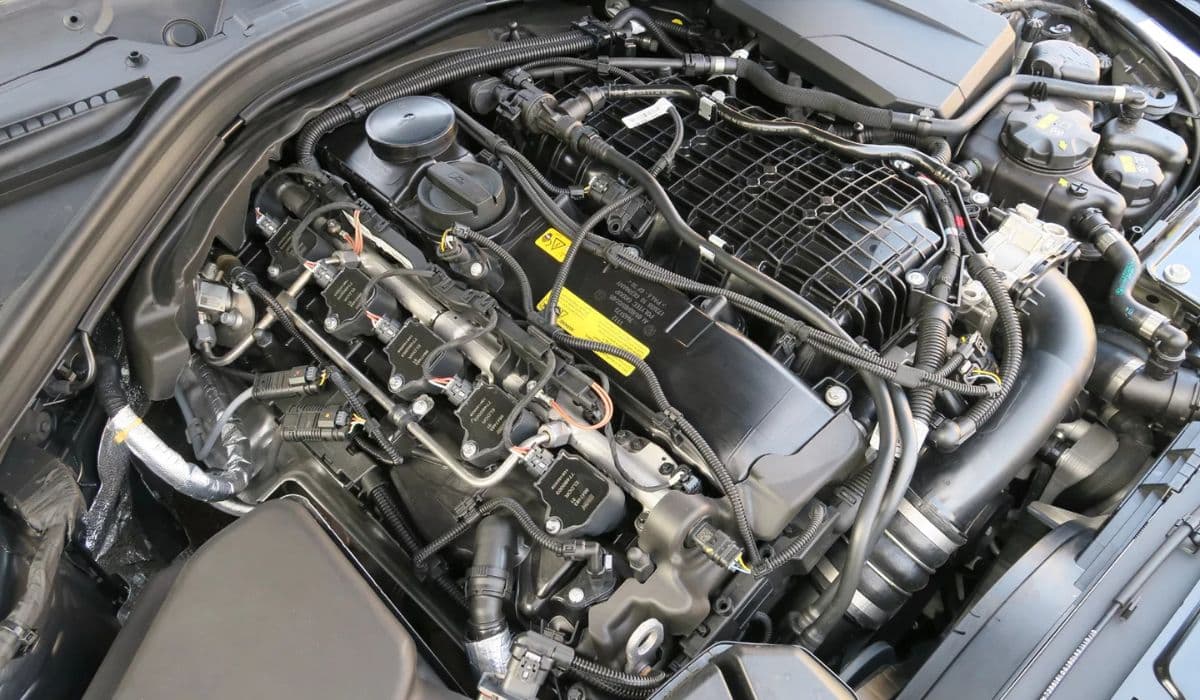
The BMW B58 engine represents a pinnacle of turbocharged inline-six design, blending exhilarating performance with everyday usability. This 3.0-liter powerplant, featuring a single twin-scroll turbocharger, delivers smooth power across a broad rev range while maintaining impressive efficiency. Its closed-deck block, forged crankshaft, and advanced cooling systems set it apart from predecessors, addressing past weaknesses and establishing new standards for durability in forced-induction engines.
What makes the B58 truly special is its ability to thrive in diverse applications, from spirited sports cars to refined luxury sedans. Enthusiasts and everyday drivers alike praise its responsiveness, refined character, and proven longevity, making it a standout in an era of increasingly complex powertrains.
Key Technical Features That Enhance Durability
BMW engineered the B58 with robustness in mind, incorporating several innovations that contribute to its exceptional reliability.
Closed-deck engine block for superior strength under high boost pressures
Twin-scroll turbocharger that minimizes lag while reducing stress on components
Water-to-air intercooler integrated into the intake manifold for consistent charge temperatures
Double VANOS variable valve timing and Valvetronic variable valve lift for optimized efficiency and power delivery
Advanced heat management system that retains warmth during cold starts to minimize wear
These elements work together to create an engine that not only performs strongly from the factory but also withstands demanding conditions over extended mileage.
Why the B58 Outshines Its Predecessors
Compared to earlier turbocharged inline-six engines like the N55, the B58 introduces significant improvements that directly impact long-term dependability.
Stronger block design eliminates common cracking issues seen in open-deck configurations
Upgraded fuel system components reduce failures associated with high-pressure pumps
Refined turbo setup decreases wastegate rattle and related problems
Better oil circulation and filtration minimize internal wear
Real-world experiences from owners consistently highlight fewer major repairs and smoother operation, even at higher mileages where previous generations often required attention.
Proven Reliability in Everyday and Enthusiast Use
The B58 has earned its reputation through extensive real-world testing across countless vehicles. Many examples surpass substantial mileage markers with only routine maintenance.
Owners regularly report smooth operation beyond typical high-mileage thresholds
Independent mechanics note fewer catastrophic failures compared to older turbo engines
Robust internals hold up well under varied driving styles, from commuting to spirited outings
This track record has led to widespread acclaim, with the engine frequently cited as one of BMW's most trustworthy modern designs. Its selection for demanding applications further underscores confidence in its engineering.
Common Issues and Proactive Maintenance Tips
While exceptionally dependable, the B58 benefits from attentive care to prevent minor concerns from developing.
Occasional valve cover gasket seepage, easily addressed during service
Wastegate rattle in some early examples, often resolved with updated components
Oil filter housing leaks if intervals are extended too far
To maximize longevity:
Use high-quality synthetic oil and adhere to conservative change intervals
Monitor coolant levels and flush the system periodically
Inspect plastic components in the cooling system during regular checks
Opt for OEM or proven aftermarket parts for replacements
These straightforward practices help ensure the engine continues to perform flawlessly over time.
Immense Tuning Potential Without Sacrificing Dependability
One of the B58's most appealing traits is its ability to accept substantial power increases while retaining everyday drivability.
Simple ECU remaps unlock noticeable gains in torque and responsiveness
Bolt-on modifications like intakes and downpipes yield impressive results
Even aggressive setups maintain reliability with proper supporting upgrades
Enthusiasts appreciate how the engine's strong foundation allows for enhanced performance that feels refined rather than strained. Many tuned examples demonstrate continued durability, reinforcing the B58's versatile nature.
The Enduring Appeal of the B58 Powertrain
The BMW B58 continues to impress with its rare combination of thrilling dynamics, efficient operation, and steadfast dependability. Its thoughtful engineering addresses past shortcomings while delivering an engaging driving experience that few rivals match. For those seeking a powertrain that excels in both daily duties and enthusiastic drives, the B58 remains a benchmark that consistently proves its worth on the road.
More from Bmw

BMW Starter motor fire risk recall: 145K+ vehicles affected
20.12.2025 18:26
BMW X3 interior quality drop and tire noise complaints
20.12.2025 18:23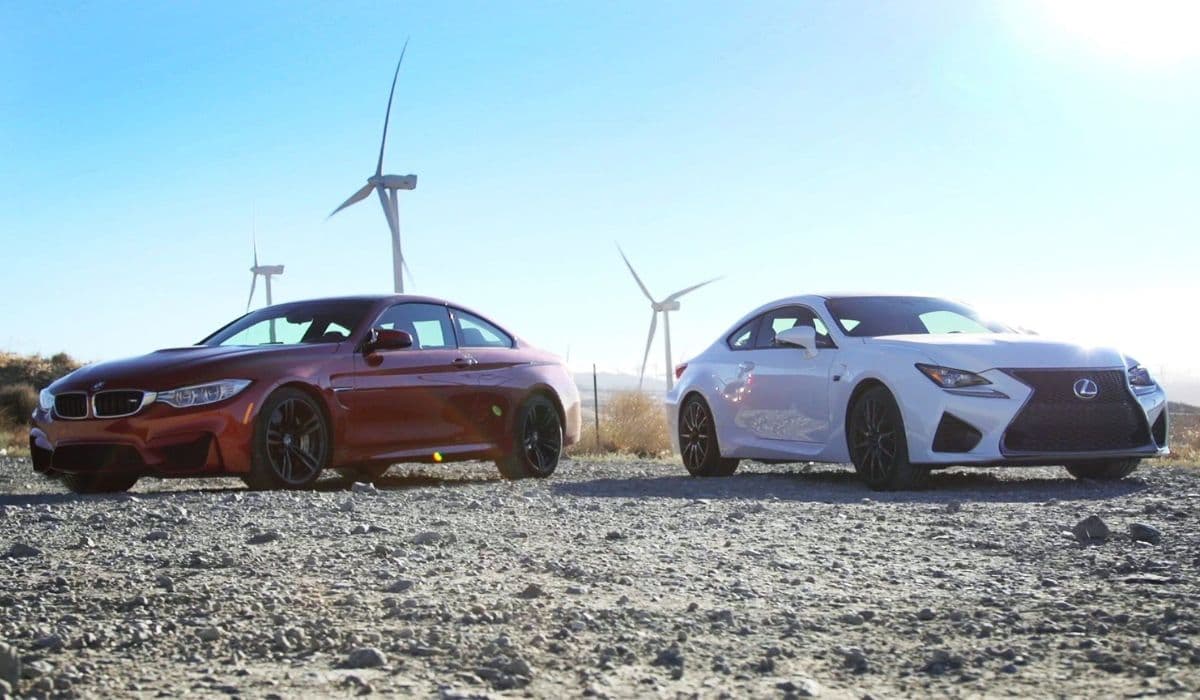
BMW vs Lexus reliability gap narrowing
20.12.2025 18:19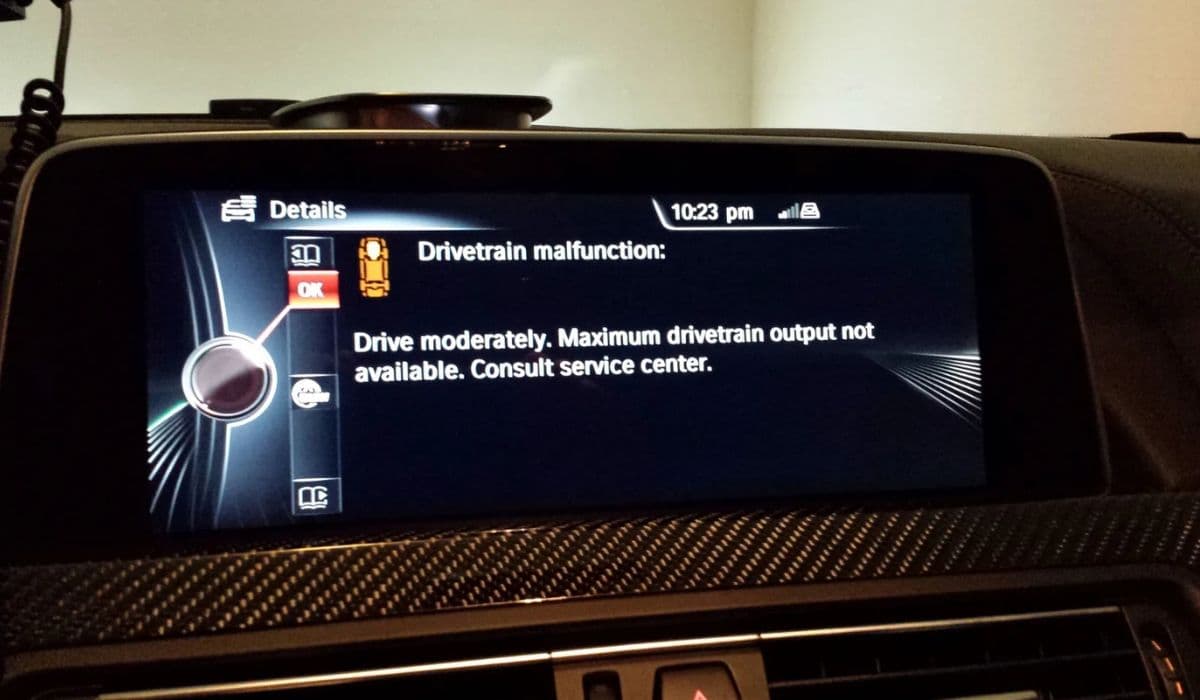
BMW M340i early DME defects and drivetrain malfunctions
20.12.2025 15:16
BMW Consumer Reports: High owner satisfaction despite recalls
20.12.2025 15:12