BMW X5 reliability: Transfer case failures and software woes
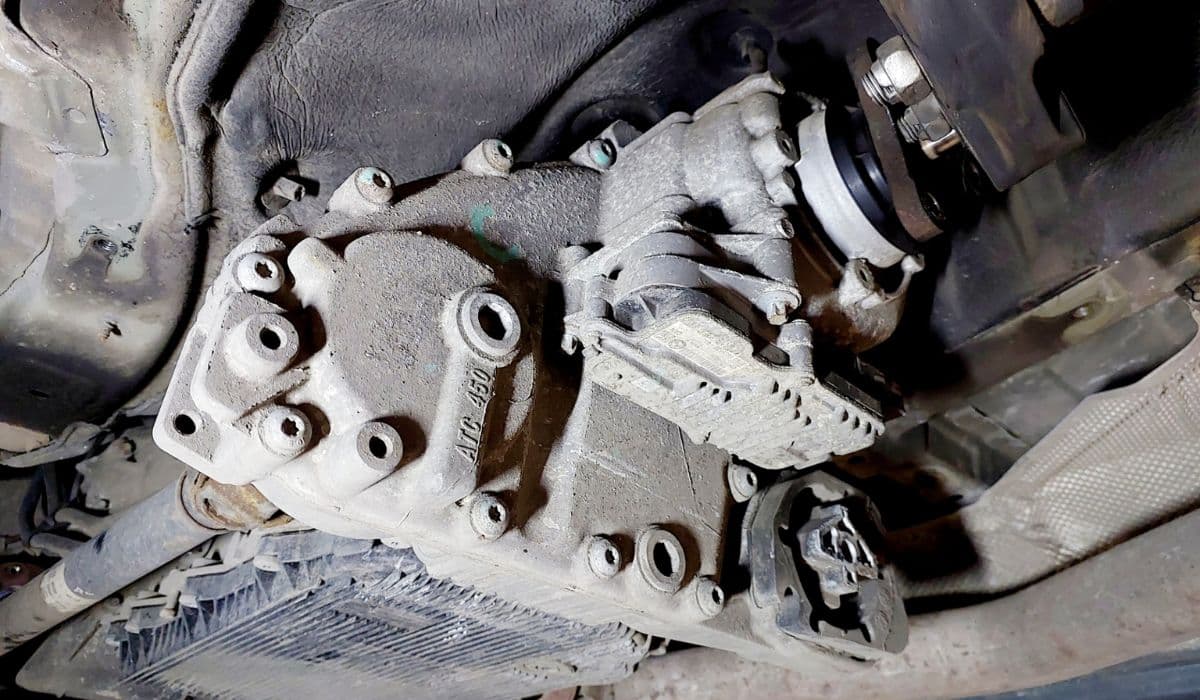
The BMW X5 has long been celebrated as a benchmark in the luxury SUV segment, blending sharp handling, powerful engines, and premium interiors. However, like many sophisticated vehicles, it isn't immune to reliability challenges. Among the most frequently discussed issues by owners are problems with the transfer case in xDrive models and various software-related glitches in the infotainment and control systems. These concerns can impact driving confidence and overall ownership experience, making them worth exploring in depth for prospective buyers or current owners.
Understanding the xDrive Transfer Case
The xDrive all-wheel-drive system is a hallmark of the BMW X5, providing enhanced traction and dynamic performance by intelligently distributing power between the front and rear axles. At the heart of this setup is the transfer case, a compact unit that manages torque split through clutches, chains, and gears.
While the system excels in delivering seamless power delivery on varied surfaces, certain generations of the X5 have shown vulnerability in this component. Owners often report premature wear, particularly in models equipped with electronically controlled transfer cases. The design relies on precise lubrication and minimal stress from mismatched components, but real-world driving conditions can accelerate degradation.
Common Symptoms of Transfer Case Issues
Recognizing early warning signs can prevent more extensive damage. Many X5 drivers describe a distinct shuddering or binding sensation during low-speed maneuvers, such as turning in parking lots or navigating tight corners. This juddering feels like the vehicle is momentarily resisting the turn, often accompanied by a subtle vibration through the steering wheel or floor.
Other indicators include:
Hesitation or jerking during acceleration, especially from a standstill.
Unusual noises like grinding, whining, or clunking from underneath the vehicle.
Dashboard warnings related to the drivetrain or xDrive system, sometimes triggering limp mode.
Uneven tire wear, as the system struggles to manage power distribution properly.
These symptoms tend to worsen over time if ignored, potentially leading to complete failure where the all-wheel-drive functionality is lost, reverting the SUV to rear-wheel drive only.
Root Causes Behind Transfer Case Failures
Several factors contribute to these problems. One recurring theme is fluid degradation— the transfer case oil can break down faster than expected, losing its lubricating properties and allowing internal clutches to slip or bind. In some cases, factory-filled fluid has been implicated in accelerated wear due to improper specifications.
Mismatched tires play a significant role too. The xDrive system constantly monitors wheel speeds, and even slight differences in tire circumference—from mixing brands, sizes, or wear levels—can cause the transfer case to overwork, stressing the clutches and chain.
Additional triggers include:
Aggressive driving habits, like frequent sharp turns on dry pavement.
Lack of regular maintenance, as the transfer case is often overlooked in service schedules.
Internal component wear, such as stretched chains or damaged gears in higher-mileage examples.
While not every X5 experiences these issues, forums and owner reports highlight patterns across various production runs, underscoring the importance of proactive care.
Navigating Software Glitches in the BMW X5
Modern BMW X5 models are packed with advanced technology, centered around the iDrive infotainment system. This interface controls navigation, media, climate, and vehicle settings through a central screen and controller. However, the heavy reliance on software introduces another layer of potential reliability concerns.
Software woes manifest in diverse ways, from minor annoyances to frustrating disruptions. Owners frequently encounter frozen screens, unresponsive controls, or random reboots that interrupt navigation or audio playback mid-drive.
Typical Software-Related Problems
The iDrive system can exhibit erratic behavior, particularly after over-the-air updates or during heavy use. Common complaints involve connectivity drops with Bluetooth devices or smartphone integration, where pairing fails intermittently or audio streams cut out.
Other prevalent issues include:
Voice command malfunctions, with the system misinterpreting inputs or activating unprompted.
Navigation delays or inaccuracies, sometimes freezing on loading screens.
Random warning chimes or dashboard alerts tied to driver assistance features.
Infotainment blackouts, where the main display goes dark unexpectedly.
These glitches often stem from complex interactions between modules, exacerbated by outdated firmware or conflicting updates.
Factors Contributing to Software Instability
BMW continually refines its software through remote updates, aiming to enhance features and fix bugs. Ironically, these updates can sometimes introduce new instabilities, especially if interrupted or incompatible with existing configurations.
Overloaded systems—from excessive connected devices or cached data—can strain processing power. Environmental factors like extreme temperatures also play a role, affecting electronic components.
Many problems resolve with simple resets or dealer-performed recalibrations, but persistent ones may require deeper diagnostics to rule out hardware faults in control units.
Strategies for Maintaining Reliability
Owning a BMW X5 with awareness of these potential pitfalls allows for better longevity. For the transfer case, sticking to matched, high-quality tires and periodic fluid inspections can mitigate risks significantly.
On the software side, keeping the system updated through official channels and performing occasional resets—such as holding the volume button for extended periods—helps stabilize performance.
Regular professional checkups catch emerging issues early, preserving the X5's renowned driving pleasure amid its technological sophistication.
More from Bmw

BMW X3 tire noise and ride quality complaints
15.12.2025 15:46
Overall BMW ownership 2025: Precision driving vs high costs
15.12.2025 09:09
BMW 3 Series: Best handling but distracting controls
15.12.2025 09:03
BMW Consumer Reports 2025 rankings: High owner satisfaction
15.12.2025 07:48
BMW brake system recall: 1.5M vehicles affected
15.12.2025 07:00