BMW X3 interior quality drop and tire noise complaints
The BMW X3 has long been a favorite in the compact luxury SUV segment, blending sporty handling with practical versatility. However, recent models have sparked discussions among owners and reviewers about two persistent issues: a perceived drop in interior material quality and noticeable tire noise. These concerns often surface in forums, reviews, and owner feedback, prompting many to question whether the latest iterations live up to the brand's premium reputation. This article explores these topics in depth, examining common complaints, potential causes, and realistic expectations for current and prospective owners.
Perceived Drop in Interior Quality: What Owners Are Saying
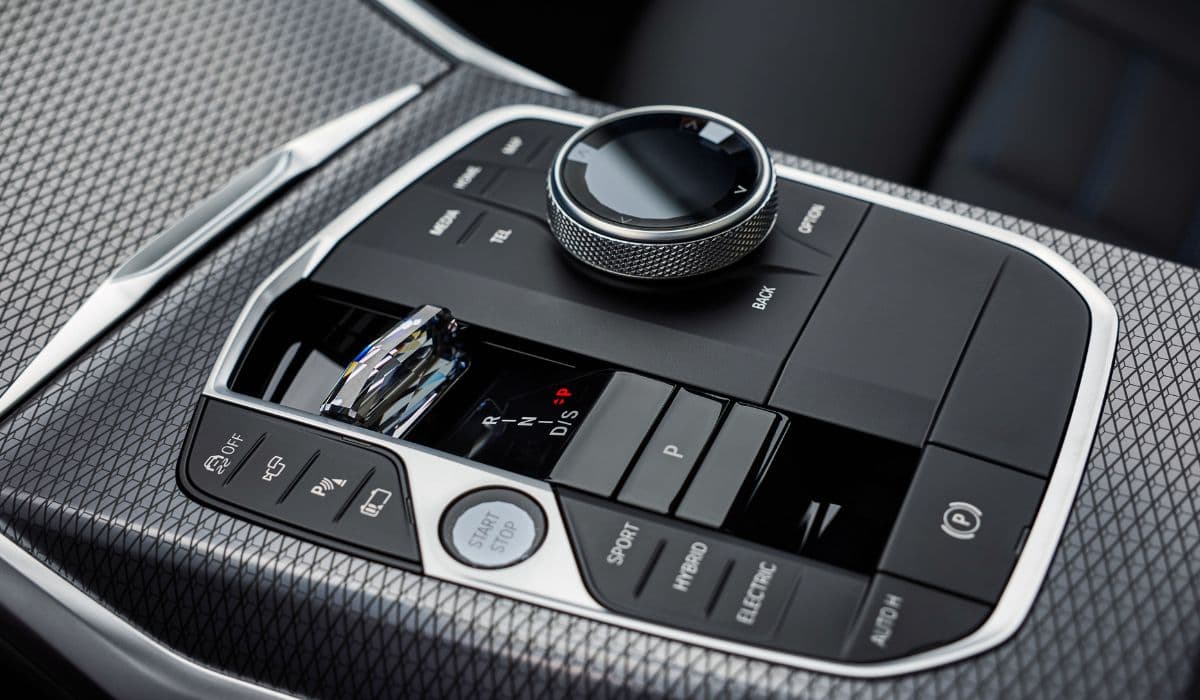
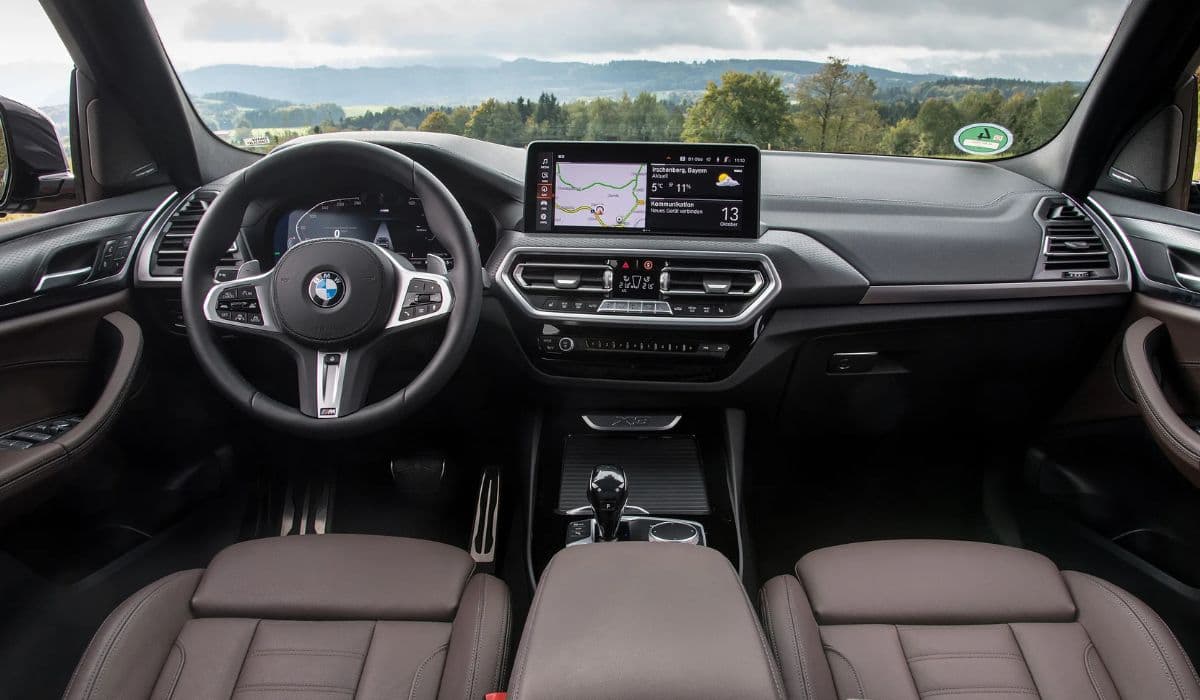
BMW's shift toward minimalist, tech-forward cabins has divided opinions, with many noting that newer X3 models feel less luxurious than predecessors. Critics point to an increased use of hard plastics, simplified designs, and fewer tactile elements, which can make the cabin seem sparse or cost-cut.
Key factors contributing to this perception include:
Minimalist dashboard layout — The move away from physical buttons toward touch-sensitive controls and large screens creates a cleaner look but reduces the sense of premium tactility.
Material choices — Surfaces like door panels, lower dash sections, and trim pieces often feature harder plastics or fabric-like coverings that feel less upscale than leather-wrapped or soft-touch materials found in earlier generations.
Passenger-side emptiness — The absence of detailed design elements on the right side of the dashboard can make the interior feel unfinished or unbalanced.
Ambient lighting emphasis — While creative LED accents add visual interest, some owners feel they mask rather than elevate underlying material quality.
Many long-time BMW enthusiasts compare the current X3 unfavorably to previous models, which offered more consistent soft-touch surfaces and traditional luxury cues. Reviewers have described the cabin as functional but lacking the refinement expected in a premium SUV, especially when cross-shopped against competitors with richer finishes.
Despite these critiques, not all feedback is negative. Some owners appreciate the modern, driver-focused design and find the materials durable and easy to maintain. The spacious layout, supportive seats, and intuitive infotainment system often win praise, suggesting the perceived quality drop stems more from design philosophy than outright poor construction.
Common Tire Noise Complaints: Roar, Hum, and Road Intrusion
Tire noise remains one of the most frequently mentioned drawbacks in BMW X3 ownership experiences. Owners report a persistent roar or hum, particularly noticeable on highways or coarse pavement, which can detract from the otherwise refined driving experience.
Several factors contribute to elevated tire noise levels:
Run-flat tires — Many X3 models come equipped with run-flat tires as standard. These prioritize safety and handling but often produce more road noise due to their stiffer sidewalls and reinforced construction.
Wheel and tire size — Larger wheels (especially 20-inch or 21-inch options) paired with low-profile tires amplify road imperfections and transmit more noise into the cabin.
Tread patterns and compounds — Aggressive all-season or performance-oriented tires can generate a humming or roaring sound, particularly at speeds above 40 mph.
Sound insulation trade-offs — BMW's focus on lightweight construction and sporty dynamics sometimes results in less extensive cabin insulation compared to comfort-oriented rivals.
The noise is often described as a low-frequency drone that becomes fatiguing on long drives. Some owners note it worsens with uneven tire wear, improper alignment, or specific road surfaces like concrete highways. While not a defect in the mechanical sense, this characteristic can surprise buyers expecting a quieter luxury SUV.
Comparing Generations: How Interior and Noise Have Evolved
The X3 has seen notable changes across generations, influencing both interior perception and noise levels.
Earlier generations — Featured more traditional layouts with abundant soft-touch materials, physical controls, and often better perceived build quality. Tire noise was present but typically less intrusive due to smaller wheels and more conventional tire choices.
Recent models — Emphasize digital interfaces and sustainable materials, which can feel less luxurious to some. Larger wheels and run-flats contribute to higher road noise, though improved aerodynamics and powertrains help in other areas.
Owners transitioning from older X3s frequently highlight these shifts as downgrades in refinement, while new buyers may find the modern setup appealing.
Potential Solutions and Mitigations for Tire Noise
For those bothered by tire roar, several practical steps can help reduce cabin intrusion:
Switch to non-run-flat tires — Replacing run-flats with conventional all-season tires often yields the most significant quiet improvement, though it requires carrying a repair kit.
Choose quieter tire brands — Options focused on comfort and low noise (such as Michelin or Continental touring models) perform better than performance-oriented alternatives.
Downsize wheels — Opting for smaller-diameter wheels with taller sidewalls can dampen road noise while maintaining ride comfort.
Add aftermarket sound deadening — Applying materials to doors, floor, and wheel wells can noticeably reduce tire hum, though this involves more effort.
Regular maintenance — Proper tire rotation, alignment, and balancing prevent uneven wear that exacerbates noise.
Many owners report substantial improvements after these changes, transforming a noisy commute into a more serene experience.
Balancing Expectations: Strengths Amid the Criticisms
While interior quality and tire noise draw criticism, the X3 excels in areas that matter to driving enthusiasts. Its sharp handling, responsive steering, and powerful engine options deliver an engaging experience few rivals match. The cabin remains spacious and practical, with excellent visibility and user-friendly technology.
For buyers prioritizing sporty dynamics over absolute serenity or traditional luxury, these trade-offs may be acceptable. Those seeking a quieter, more opulent interior might consider cross-shopping alternatives, but the X3's blend of performance and versatility keeps it competitive.
More from Bmw
BMW vs Lexus reliability gap narrowing
20.12.2025 18:19
BMW M340i early DME defects and drivetrain malfunctions
20.12.2025 15:16
BMW Consumer Reports: High owner satisfaction despite recalls
20.12.2025 15:12
BMW X5 reliability: Transfer case failures and software woes
20.12.2025 15:07
Overall BMW ownership 2025: Precision driving vs high costs
15.12.2025 09:09