idyCar logo

BMW vs Lexus reliability gap narrowing
Bmw20.12.2025 21:19
BMW vs Lexus reliability gap narrowing
Image credit: idyCar archives

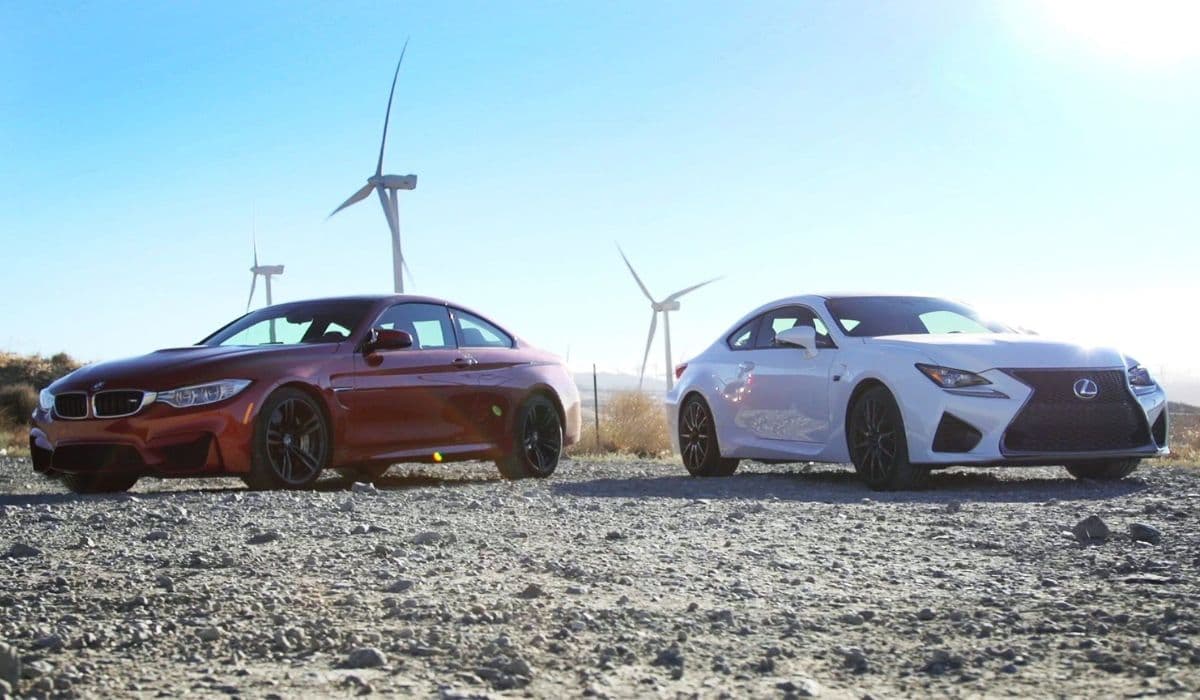
For decades, the automotive world has pitted German engineering against Japanese precision, with BMW and Lexus often representing these two philosophies. BMW, hailing from Bavaria, has long been synonymous with dynamic driving experiences, powerful engines, and cutting-edge technology. In contrast, Lexus, Toyota's luxury arm, emerged in the late 1980s with a focus on unwavering dependability, smooth rides, and minimal breakdowns. This rivalry in reliability stems from fundamental design approaches: BMW's emphasis on performance often led to complex systems prone to issues, while Lexus prioritized simplicity and longevity.

Early reliability surveys painted a stark picture. In the 1990s and early 2000s, Lexus models like the LS and ES consistently topped charts from organizations such as J.D. Power and Consumer Reports. These vehicles boasted robust V6 and V8 engines, durable transmissions, and interiors that aged gracefully. BMW, meanwhile, faced criticism for frequent electrical glitches, turbocharger failures in models like the 335i, and costly repairs on components such as the VANOS system in older 3 Series and 5 Series sedans. Owners reported higher-than-average visits to dealerships, contributing to a perception of BMW as a "driver's car" that demanded more maintenance.

The gap was quantifiable. Historical data from reliability indices showed Lexus scoring 80-90 out of 100 in long-term dependability studies, while BMW hovered around 60-70. Factors like Lexus's use of proven Toyota parts—such as the legendary 2JZ engine in early GS models—ensured fewer surprises. BMW's innovations, including iDrive infotainment and adaptive suspensions, introduced complexities that sometimes backfired, leading to recalls for issues like high-pressure fuel pumps in N54-engined vehicles.

Key Factors Behind Lexus's Traditional Reliability Advantage

Lexus's edge in reliability isn't accidental; it's rooted in Toyota's kaizen philosophy of continuous improvement and rigorous quality control. From the outset, Lexus vehicles underwent extensive testing, including simulations of extreme conditions like desert heat and arctic cold. This resulted in components designed for endurance: transmissions that could last over 200,000 miles without rebuilds, and suspensions that maintained composure even on rough roads.

One standout aspect is engine durability. Lexus's UZ-series V8s, found in flagship models like the LS 400, are legendary for their ability to rack up mileage with basic oil changes. Electrical systems are straightforward, reducing the likelihood of failures in sensors or wiring harnesses. Moreover, Lexus's hybrid technology, pioneered in the RX 400h, integrated seamlessly, offering not just efficiency but also reliability through regenerative braking that eases wear on traditional components.

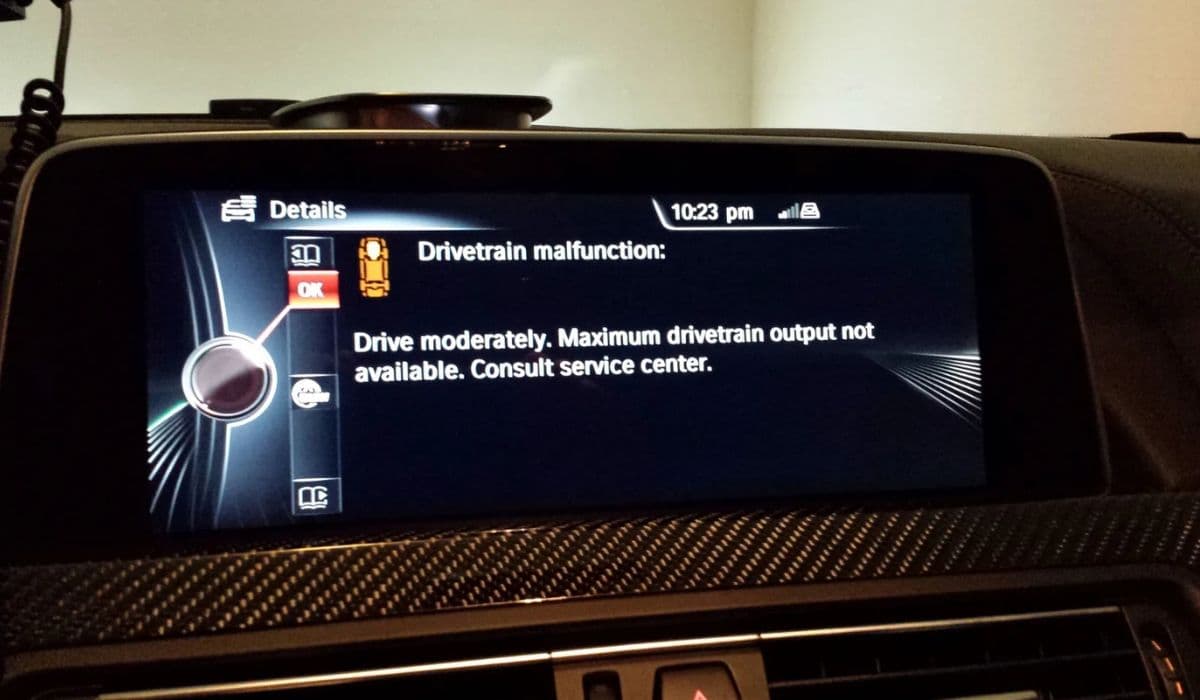
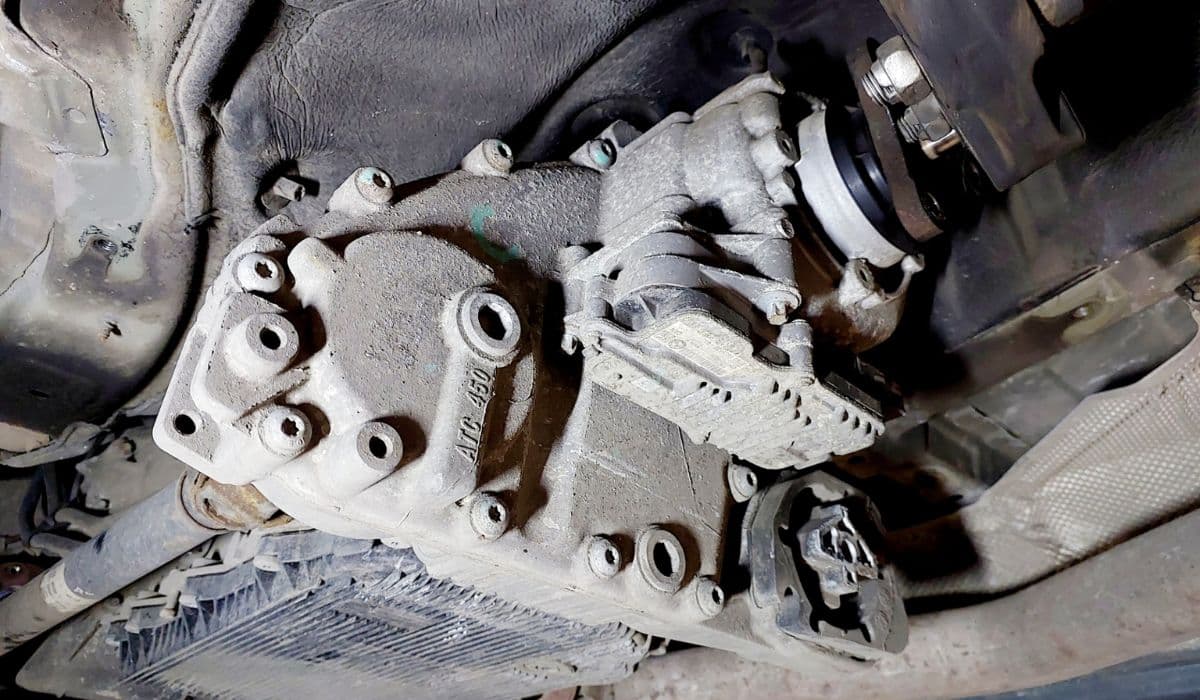
In comparison, BMW's pursuit of performance meant pushing boundaries. Turbocharged engines in models like the X5 provided thrilling acceleration but at the cost of potential oil leaks or carbon buildup. The brand's all-wheel-drive systems, while advanced, added weight and complexity, sometimes leading to drivetrain issues. Lexus countered this with conservative engineering—opting for naturally aspirated engines in many models until recently, avoiding the pitfalls of forced induction.

Supply chain management also plays a role. Lexus benefits from Toyota's global network, ensuring consistent part quality. BMW, sourcing from various European suppliers, occasionally faced disruptions, as seen in the 2010s with valve stem seal problems in certain 7 Series models. Owner surveys highlighted Lexus's lower unscheduled repair rates, often under 10% in the first five years, versus BMW's 15-20%.

BMW's Strategic Improvements in Recent Years

Recognizing the reliability critique, BMW has invested heavily in closing the gap. Starting in the mid-2010s, the company revamped its engineering processes, adopting modular architectures like the CLAR platform for models such as the latest 3 Series (G20) and 5 Series (G30). This standardization reduces part variations, simplifying manufacturing and improving quality control.

Engine refinements have been pivotal. The B58 inline-six, introduced in 2015, features a more robust timing chain and improved cooling systems, addressing past weaknesses in the N55 predecessor. Owners of 2020+ models report fewer turbo-related issues, with many achieving 150,000 miles without major interventions. BMW also extended warranties on critical components, like the 8-year/80,000-mile coverage for high-voltage batteries in plug-in hybrids such as the 330e.

Electronics have seen upgrades too. The iDrive 7 and 8 systems incorporate over-the-air updates, allowing fixes for software glitches without dealer visits. This mirrors Lexus's approach in models like the NX, but BMW has accelerated adoption. Additionally, BMW's use of predictive maintenance through connected services alerts owners to potential problems, such as brake wear or fluid levels, preempting breakdowns.

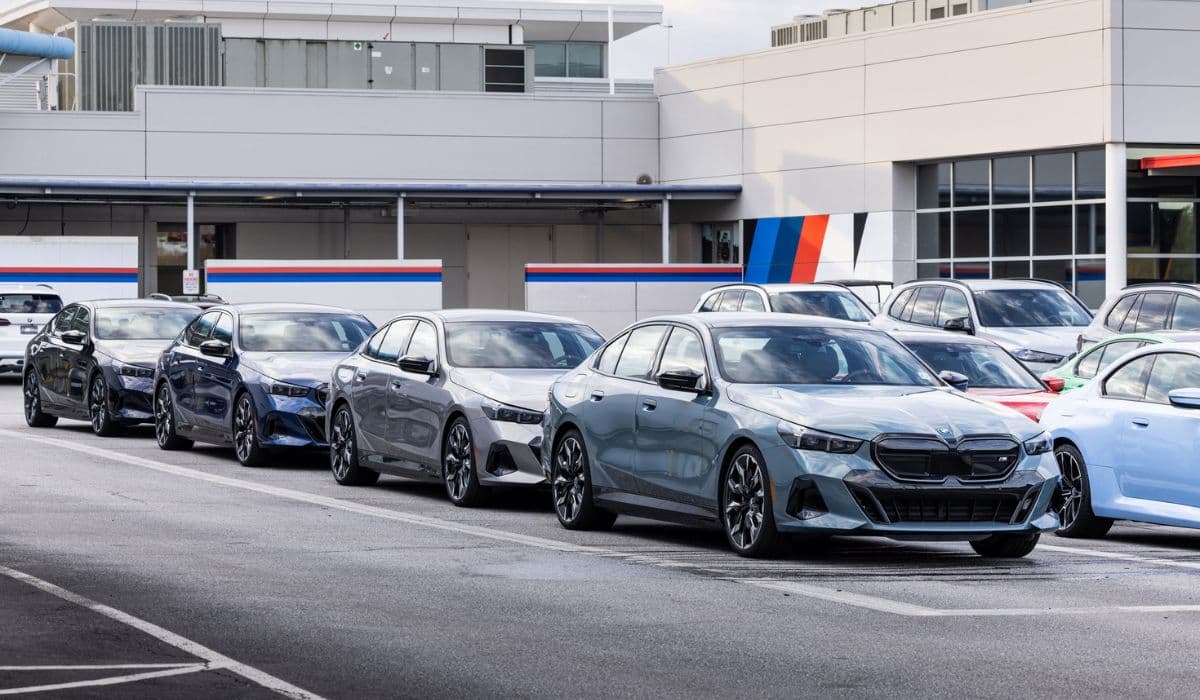
Manufacturing advancements contribute as well. Plants in Spartanburg, USA, and Dingolfing, Germany, now employ AI-driven quality checks, catching defects early. Recalls have decreased; for instance, the 2023 recall rate for BMW was half that of a decade ago. These efforts reflect a shift toward balancing performance with durability, evident in the X3 and X5 SUVs, which now rival Lexus RX and GX in owner satisfaction scores.

Analyzing Recent Reliability Data and Trends

Current metrics indicate the narrowing gap. In 2024 Consumer Reports, Lexus still leads with an average reliability score of 79, but BMW has climbed to 68—up from 55 in 2015. J.D. Power's 2025 Vehicle Dependability Study shows Lexus at 135 problems per 100 vehicles (PP100), with BMW at 148, a mere 13-point difference compared to 50 points in 2010.

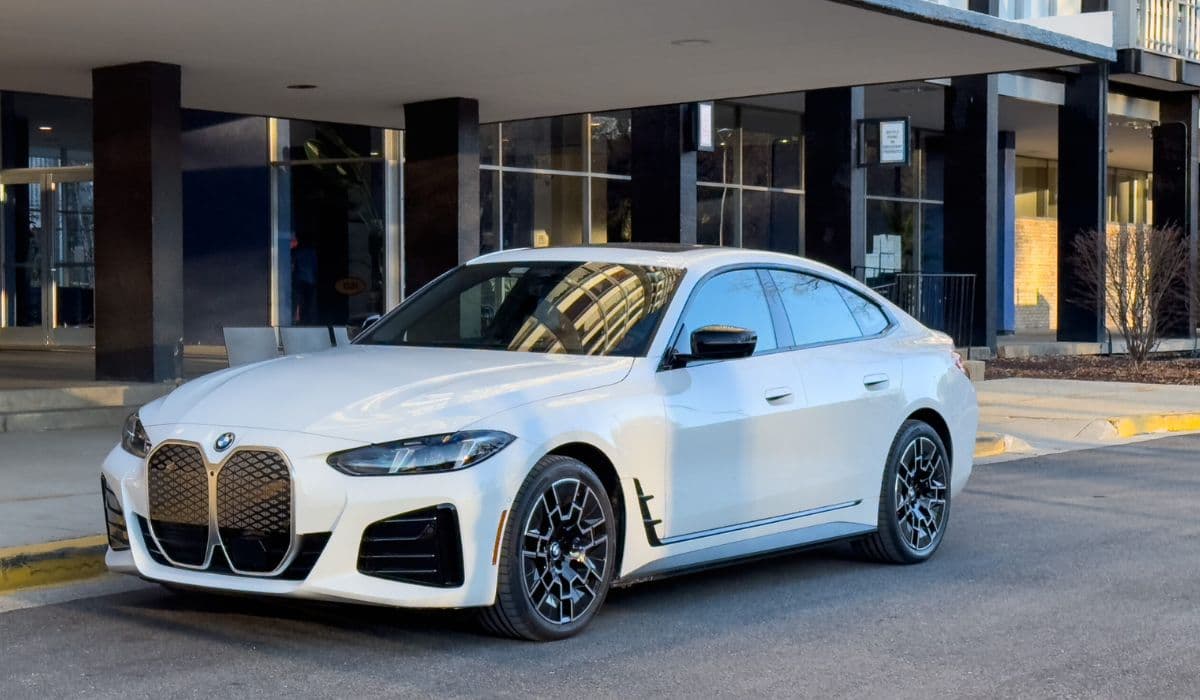
Model-specific data reveals progress. The BMW 4 Series Gran Coupe scores similarly to the Lexus IS in transmission reliability, both under 5% failure rates in the first three years. Hybrids are a battleground: BMW's 530e plug-in edges out the Lexus ES 300h in battery longevity, thanks to advanced thermal management. However, Lexus maintains superiority in infotainment uptime, with fewer crashes reported.

Warranty claims provide insight. BMW's average claim cost dropped 15% from 2020 to 2025, while Lexus's remained stable but low. Third-party analyses, like those from WarrantyWise, show BMW models from 2022 onward requiring repairs every 18 months on average, versus Lexus's 24 months—a closing interval.

Demographic shifts influence perceptions. Younger buyers prioritize BMW's tech features, accepting minor issues for connectivity like Apple CarPlay integration. Older demographics favor Lexus for peace of mind, but crossover appeal is growing, with BMW's iX electric SUV matching the Lexus RZ in reliability ratings.

Owner Experiences and Real-World Comparisons

Anecdotal evidence from forums and reviews underscores the trend. BMW owners of recent 2 Series models praise the cars' robustness, noting seamless shifts from the ZF 8-speed automatic—once a weak point but now refined. In contrast, Lexus GX owners highlight off-road durability, but BMW's X7 counters with comparable towing capacity and fewer suspension complaints.

Maintenance routines differ. Lexus recommends oil changes every 10,000 miles, often using synthetic blends that extend engine life. BMW aligns with this, moving away from 15,000-mile intervals that caused sludge buildup in older engines. Cost-wise, a routine service for a Lexus RX might run $300, while a BMW X3 could be $400, but the gap narrows with BMW's inclusive maintenance packages.

Long-term ownership stories vary. A 2018 Lexus LS might hit 100,000 miles with only tire and brake replacements, whereas a comparable BMW 7 Series could need a water pump or alternator. Yet, 2023 models show parity; both brands offer vehicles that endure urban commutes and highway hauls with minimal drama.

Environmental factors matter too. In salty winter climates, Lexus's underbody coatings resist rust better, but BMW has improved with galvanized steel in newer chassis. Fuel quality sensitivity is another area: BMW's direct-injection engines once suffered from carbon deposits, but updated injectors mitigate this, approaching Lexus's indirect-injection reliability.

Maintenance Costs and Long-Term Ownership Implications

Ownership economics highlight the evolving landscape. Historically, BMW's parts were pricier— a replacement turbo for a 335i could exceed $2,000, versus $1,200 for a Lexus compressor. Today, aftermarket options and BMW's economies of scale have reduced this disparity. Annual maintenance for a five-year-old BMW averages $1,200, down from $1,800 a decade ago, while Lexus holds at $800.

Depreciation plays a role. Lexus vehicles retain value better, with a five-year-old ES losing 40% of MSRP, compared to 50% for a BMW 3 Series. However, BMW's certified pre-owned programs offer extended warranties, making used purchases more appealing. Fuel efficiency favors Lexus hybrids, saving owners $500 annually over BMW's gas models, though BMW's mild-hybrids close this.

Insurance rates reflect reliability perceptions: Lexus premiums are 10-15% lower, but as BMW's scores improve, insurers adjust downward. Resale markets show BMW gaining ground; 2020 models now fetch prices closer to Lexus equivalents due to enhanced durability reputations.

Technological Innovations Driving Convergence

Both brands leverage tech to boost reliability. Lexus's Safety System+ includes adaptive cruise and lane-keeping with proven sensors, reducing accident-related repairs. BMW's Driving Assistance Professional matches this, with redundant systems for failover. Electrification accelerates convergence: BMW's i4 EV uses modular batteries with 10-year warranties, rivaling Lexus's UX 300e.

Software integration is key. Over-the-air updates in BMW's OS 8 prevent obsolescence, while Lexus's Enform system offers similar remote diagnostics. Materials science advances, like carbon-fiber reinforcements in BMW's M models, enhance structural integrity without adding failure points, echoing Lexus's use of high-tensile steel.

Supply chain resilience post-pandemic has benefited both. BMW diversified suppliers, reducing delays that once plagued reliability. Lexus, already robust, maintains lead times under two weeks for parts, but BMW now matches this in major markets.

Market Implications for Buyers

Prospective owners face nuanced choices. For daily drivers, Lexus's ES offers serene reliability, but BMW's 5 Series provides engaging dynamics with improving dependability. SUVs like the Lexus RX versus BMW X5: the former excels in family hauling with fewer issues, while the latter adds sportiness, now with comparable uptime.

Budget considerations tilt toward Lexus for minimal long-term costs, yet BMW's lease deals and incentives make entry affordable. Test drives reveal subtleties—BMW's steering feedback versus Lexus's isolation— but reliability data empowers informed decisions.

As electrification grows, the gap may narrow further. BMW's Neue Klasse platform promises simplified architectures, potentially surpassing Lexus in EV reliability. Meanwhile, Lexus invests in solid-state batteries for future models, maintaining its edge.

More from Bmw

Back to Bmw