
BMW M340i early DME defects and drivetrain malfunctions
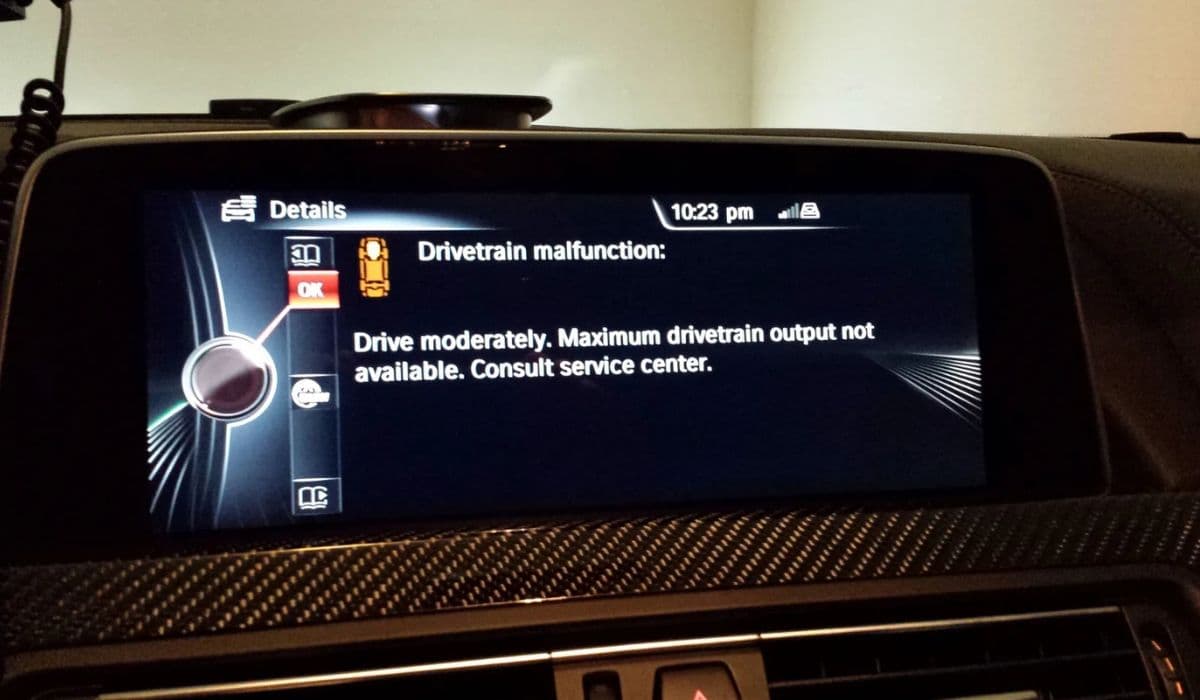
The BMW M340i stands out as a thrilling performance sedan, blending sharp handling with a potent turbocharged inline-six engine. However, like many high-performance vehicles, it has faced reports of early issues related to the Digital Motor Electronics (DME) system and broader drivetrain malfunctions. These problems often appear in low-mileage examples, catching owners off guard and sparking discussions in enthusiast communities.
Understanding the DME and Its Role in the M340i
The DME serves as the brain of the engine management system, controlling critical functions such as fuel injection, ignition timing, boost pressure, and emissions compliance. In the M340i, powered by the acclaimed B58 engine, the DME processes inputs from dozens of sensors to optimize performance and efficiency.
When the DME encounters faults—whether from internal defects, wiring issues, or sensor failures—it triggers warning messages like "Drivetrain Malfunction: Drive Moderately." This safety feature limits power output to prevent further damage, often resulting in reduced acceleration and a noticeable drop in the car's dynamic character.
Early DME defects have been noted in some M340i models, particularly those with very low mileage. Owners have described scenarios where the vehicle suddenly displays multiple warnings, including power supply malfunctions and failure to start, sometimes accompanied by unusual noises like high-frequency coil whine.
Common Symptoms of DME-Related Issues
Recognizing the signs early can help mitigate more severe consequences. Typical indicators include:
Sudden appearance of the "Drivetrain Malfunction" message on the iDrive screen.
Reduced engine power, with the car entering a limp mode that caps boost and throttle response.
Check engine light activation, often paired with intermittent starting problems.
Rough idling or hesitation during acceleration, even without full power loss.
Associated warnings for low voltage or standby current violations, hinting at electrical strain on the DME.
These symptoms stem from the DME's protective protocols, which prioritize engine safety over performance when anomalies are detected.
Drivetrain Malfunctions Beyond the DME
Drivetrain warnings in the M340i aren't always isolated to the DME. The term "drivetrain" encompasses the engine, transmission, transfer case (in xDrive models), differentials, and related components. Malfunctions here can arise from interconnected systems.
For instance, faulty sensors—such as crankshaft position, camshaft, or oxygen sensors—can confuse the DME, leading to misfires or improper air-fuel mixtures. Issues with the Valvetronic system or VANOS solenoids may cause uneven engine operation, flagged as drivetrain faults.
In xDrive variants, the transfer case distributes power between front and rear axles. While not rampant, reports highlight potential wear or fluid-related problems that manifest as binding during turns or chassis stabilization errors.
Other contributors include:
Low battery voltage affecting wastegate control or boost regulation.
Active grille shutter malfunctions disrupting airflow and triggering secondary codes.
High-pressure fuel pump wear, leading to inconsistent fuel delivery under load.
These interconnected faults explain why a single warning can cascade into multiple dashboard alerts.
Diagnostic Approaches for Owners
Addressing these issues starts with proper diagnosis. Scanning for fault codes using advanced tools reveals specifics stored in the DME or transmission modules.
Common codes point to sensor circuits, internal DME faults, or communication errors. Dealerships often consult factory engineers for complex cases, especially in nearly new vehicles.
Preventive steps help maintain reliability:
Regular battery checks and replacements to avoid voltage drops.
Timely software updates, as some malfunctions resolve through DME reprogramming.
Monitoring fluid levels and condition in the differential and transfer case.
Avoiding aggressive driving until any warning clears or is investigated.
Enthusiasts emphasize that while alarming, many drivetrain messages prove transient or resolve with targeted repairs, restoring the M340i's full capabilities.
Real-World Owner Experiences and Insights
Community forums buzz with stories from M340i owners encountering these challenges early in ownership. Some report faults emerging under 1,000 miles, leading to extended service visits and part replacements.
Yet, many highlight the B58 engine's overall robustness, with issues often tied to isolated component defects rather than systemic flaws. Quick intervention typically returns the car to its exhilarating form, complete with precise steering and explosive mid-range punch.
These experiences underscore the importance of warranty coverage and building relationships with knowledgeable service technicians familiar with BMW's sophisticated electronics.
The M340i's blend of everyday usability and track-ready performance makes it a standout, even amid occasional early hurdles with DME and drivetrain systems. Awareness of these potential defects empowers owners to act swiftly, ensuring long-term enjoyment of this capable machine.
More from Bmw

BMW Consumer Reports: High owner satisfaction despite recalls
20.12.2025 15:12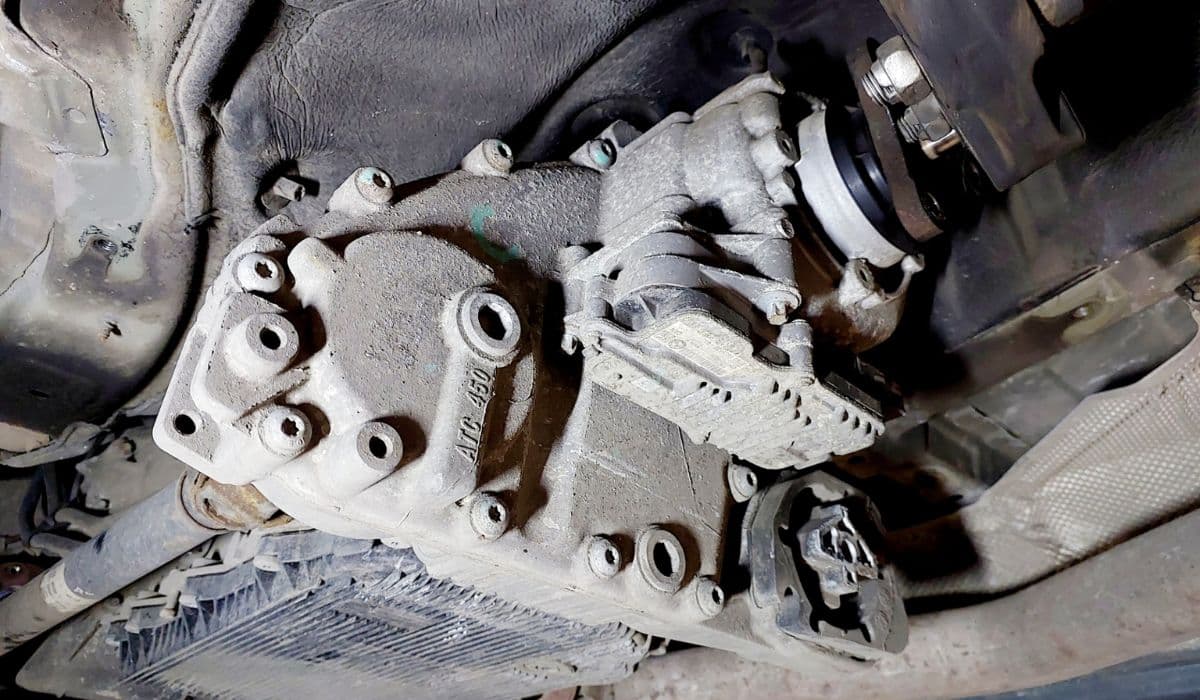
BMW X5 reliability: Transfer case failures and software woes
20.12.2025 15:07
Overall BMW ownership 2025: Precision driving vs high costs
15.12.2025 09:09
BMW 3 Series: Best handling but distracting controls
15.12.2025 09:03
BMW brake system recall: 1.5M vehicles affected
15.12.2025 07:00