BMW iX/i4 high-voltage shutdown recalls
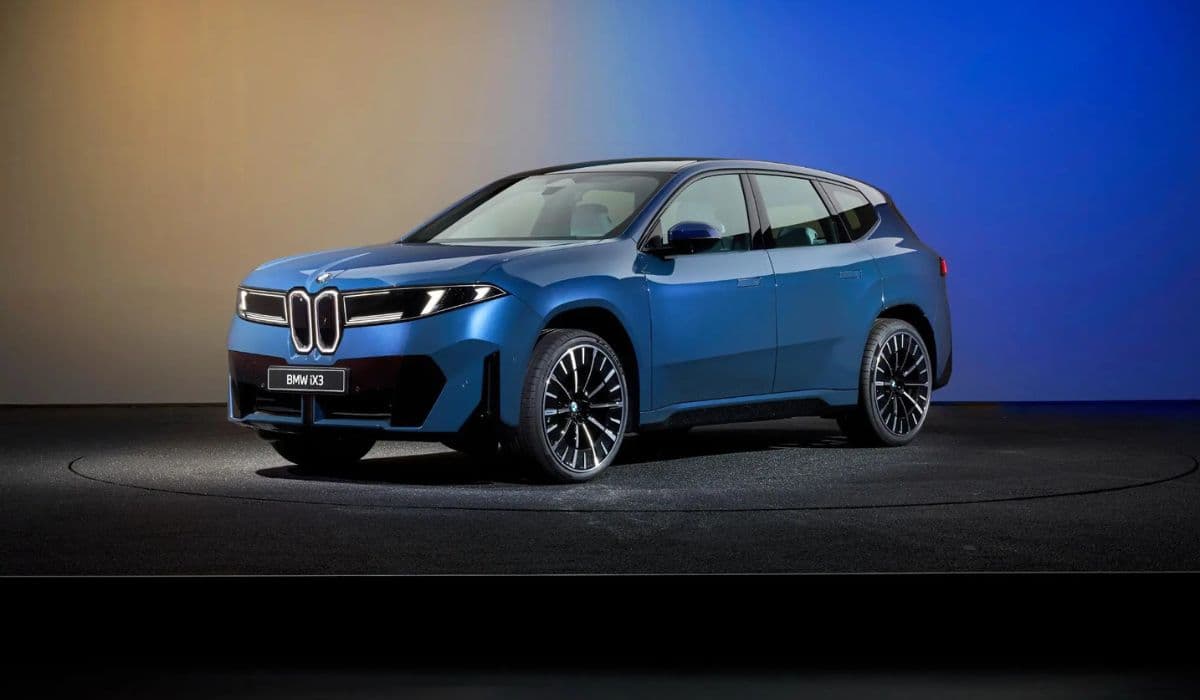
BMW's transition to electric vehicles has brought innovative models like the iX SUV and i4 sedan to the forefront of luxury EV driving. However, in June 2025, the company announced a significant safety recall affecting thousands of these vehicles due to a potential high-voltage system shutdown. This issue stems from a software glitch in the electric drive motor that could lead to an unexpected loss of propulsion while the vehicle is in motion. The recall, identified by the National Highway Traffic Safety Administration (NHTSA) as 25V395, highlights the complexities of integrating advanced software in high-performance electric drivetrains.
The problem primarily involves the electric drive motor software erroneously detecting a "double-isolation" condition. In electric vehicles, isolation refers to the separation of high-voltage components to prevent electrical hazards. A true double-isolation event warrants a system shutdown to avoid risks like electric shock or thermal overload. However, in affected vehicles, the software might misinterpret a single-isolation scenario as a double one, triggering an unnecessary shutdown. This can occur approximately 15 to 20 seconds after a warning message appears on the dashboard, potentially leaving drivers without power assistance for acceleration.
This recall underscores the growing pains in the EV industry, where software plays a pivotal role in vehicle safety and performance. BMW has emphasized that while the issue is rare—estimated to affect only about 0.1% of the involved vehicles—it prioritizes proactive measures to ensure driver safety. The announcement came after extensive internal investigations, including analysis of warranty claims and field data, which began as early as 2021.
Affected BMW Models and Production Periods
The recall encompasses several BMW electric models, with a particular focus on the iX and i4 series. Specifically, it impacts the 2022-2024 BMW iX models, produced between February 4, 2021, and January 16, 2024, totaling around 25,280 units. These are multipurpose passenger vehicles powered by electric battery systems, known for their spacious interiors and advanced all-wheel-drive capabilities.
For the i4 lineup, the recall covers 2022-2025 models, including variants like the i4 eDrive35, manufactured from March 17, 2021, to January 18, 2024, affecting approximately 35,414 vehicles. The i4 is a gran coupe-style sedan that combines sporty handling with electric efficiency, appealing to enthusiasts seeking a blend of performance and sustainability.
Additionally, the recall extends to related models such as the 2023-2024 i7 (about 5,484 units, produced February 16, 2022, to January 18, 2024) and the 2024 i5 (around 4,674 units, from February 23, 2023, to December 14, 2023). While the primary discussion revolves around the iX and i4, owners of these other models should also be vigilant. All affected vehicles were assembled using supplier production records that integrated the faulty software versions.
BMW determined the scope based on detailed vehicle assembly data and component tracking. This precise identification ensures that only vehicles with the specific software configuration are targeted, minimizing unnecessary disruptions for other owners.
Root Cause of the High-Voltage Shutdown
Delving deeper into the technical aspects, the root cause lies in the electric drive motor software's inability to accurately differentiate between genuine and false isolation conditions. In BMW's electric architecture, the high-voltage system includes the battery, inverter, and motor, all monitored by sophisticated control units. The software is designed as a fail-safe mechanism: upon detecting what it perceives as a critical isolation fault, it initiates a controlled shutdown to protect occupants and the vehicle.
However, investigations revealed that in rare instances, the algorithm could trigger this response erroneously. Early warranty claims from 2021 pointed to issues with the electric drive motor, initially suspected to involve debris from manufacturing. By 2023, focus shifted to software anomalies, where data logs showed false positives in isolation detection. BMW's engineering teams, in collaboration with suppliers, analyzed electronic control units and high-voltage components to pinpoint the glitch.
The software flaw does not stem from hardware defects but rather from algorithmic inaccuracies in real-time monitoring. This is particularly relevant in dynamic driving scenarios, where voltage fluctuations or sensor inputs might mimic a fault. BMW noted that the occurrence rate is extremely low, with fewer than 1% of vehicles likely to experience it, based on field monitoring. Nonetheless, the potential for it to happen at higher speeds—above 20 mph—prompted the recall.
Potential Safety Risks and Symptoms
The primary safety concern is the sudden loss of drive power, which could increase the risk of a crash, especially in high-traffic or highway conditions. Importantly, power-assisted steering and braking remain functional during such an event, allowing drivers to maintain control and safely pull over. BMW has reported no accidents or injuries directly linked to this issue as of the recall announcement.
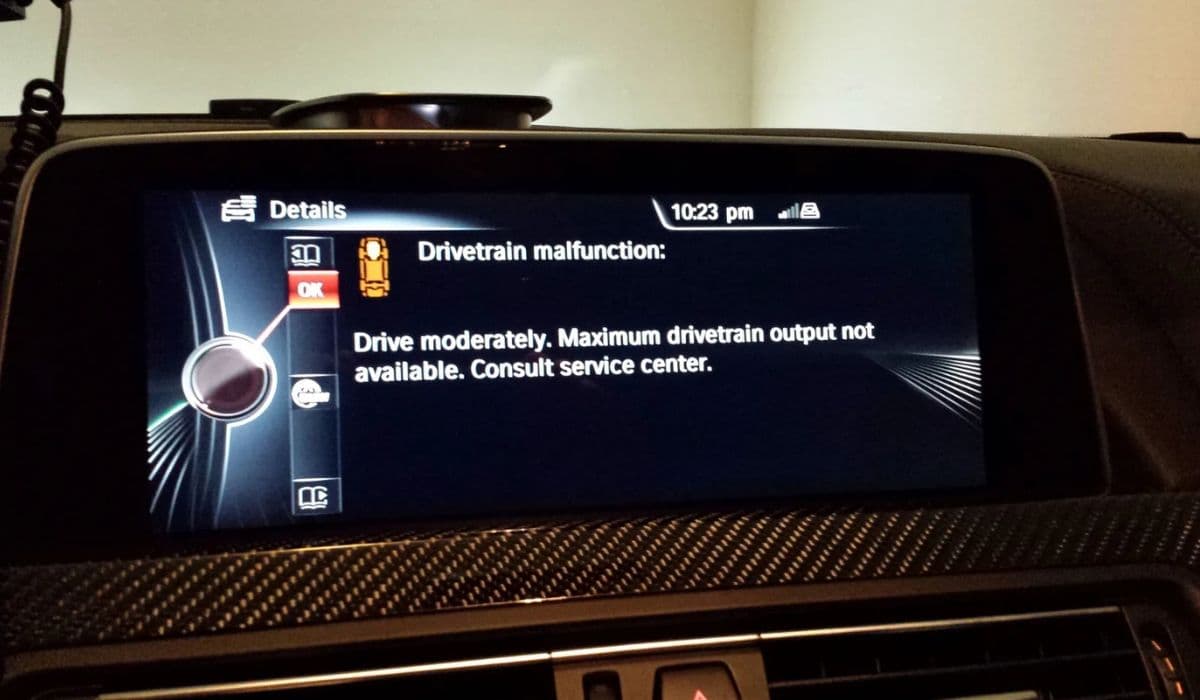
Symptoms are straightforward: A red warning message and symbol will illuminate on the instrument cluster, alerting the driver to the impending shutdown. This gives about 15-20 seconds to react, such as slowing down or exiting the roadway. Owners might notice this during normal operation, without prior indications like unusual noises or vibrations, as it's purely a software-triggered event.
For iX and i4 drivers, this could manifest during acceleration or cruising, disrupting the seamless electric driving experience these models are known for. The iX, with its dual-motor setup delivering up to 516 horsepower, and the i4's rear-wheel or all-wheel drive options, rely on uninterrupted power delivery for optimal performance. A shutdown could strand drivers, particularly in remote areas or adverse weather, emphasizing the need for immediate attention.
BMW's Official Response and Remedy Process
BMW acted swiftly upon identifying the issue. On June 6, 2025, following discussions with regulatory bodies like the Korean Ministry of Land, Infrastructure, and Transport, the company decided on a voluntary safety recall. The remedy involves updating the electric drive motor software to improve fault detection accuracy, eliminating false shutdowns.
This update can be delivered over-the-air (OTA), a convenient feature of BMW's connected vehicle ecosystem, or at an authorized dealership at no cost. OTA updates allow owners to resolve the issue remotely via the vehicle's infotainment system or the My BMW app, typically taking less than an hour. For those preferring in-person service, dealers were notified on June 13, 2025, and equipped with the necessary tools.
Owner notifications via first-class mail began around August 5, 2025, providing instructions on how to proceed. BMW also advises parking vehicles outside as a precaution until the update is applied, though driving is not explicitly prohibited. The company's customer service line at 1-800-525-7411 is available for inquiries, referencing the recall number.
How to Determine if Your Vehicle is Impacted
Owners can easily check their vehicle's status using the VIN (Vehicle Identification Number). BMW's official website offers a recall lookup tool where entering the 17-digit VIN reveals any open recalls. Alternatively, the NHTSA website provides a similar service under the recall number 25V395.
For iX and i4 models, the VIN is located on the driver's side dashboard or door jamb. Cross-referencing production dates—February 2021 to January 2024 for iX, and March 2021 to January 2024 for i4—can give a preliminary indication. If a vehicle falls within these ranges and hasn't received an update, it's advisable to contact a dealer promptly.
BMW encourages proactive checks, especially for used vehicle buyers or those who may have missed notifications. Service bulletins, like SIB 12 09 25, detail the programming process for control units in affected models.
Temporary Safety Measures for Owners
While awaiting the remedy, owners should remain vigilant. If the warning light appears, safely reduce speed and pull over immediately. Avoid high-speed highways if possible until the update is installed. Regular software checks via the My BMW app can alert users to available updates.
BMW recommends not attempting DIY fixes, as tampering with high-voltage systems could void warranties or pose risks. Instead, schedule an OTA update or dealer visit. For peace of mind, some owners might opt for roadside assistance enhancements through BMW's premium services.
Long-Term Implications for BMW EV Owners
This recall, while addressing a specific software issue, reflects broader trends in EV reliability. BMW's commitment to OTA updates demonstrates the advantages of software-defined vehicles, allowing quick resolutions without physical interventions. For iX and i4 owners, this could enhance trust in the brand's electric lineup, which includes features like adaptive air suspension and advanced driver-assistance systems.
Market-wise, the recall might temporarily affect resale values, but BMW's transparent handling could mitigate long-term impacts. As EVs evolve, such incidents highlight the importance of robust testing and post-launch monitoring. Owners benefit from extended warranties on high-voltage components, typically covering 8 years or 100,000 miles.
Updates and Developments as of December 2025
By late 2025, most affected vehicles have likely received the software patch, with BMW reporting high compliance rates through OTA deployments. No new incidents have been publicly noted, and the company continues field monitoring. Separate battery-related recalls in July 2025 for some models underscore ongoing vigilance in EV safety. BMW's iDrive system updates ensure future-proofing against similar glitches, reinforcing the iX and i4's positions as reliable luxury EVs.
More from Bmw

BMW Starter motor fire risk recall: 145K+ vehicles affected
20.12.2025 21:26
BMW vs Lexus reliability gap narrowing
20.12.2025 21:19
BMW X3 interior quality drop and tire noise complaints
20.12.2025 21:23
BMW B58 engine: Still the most reliable powertrain
20.12.2025 21:30
BMW M340i early DME defects and drivetrain malfunctions
20.12.2025 18:16