10R80 Transmission Problems in 2021+ F-150 – What 9Actually Goes Wrong
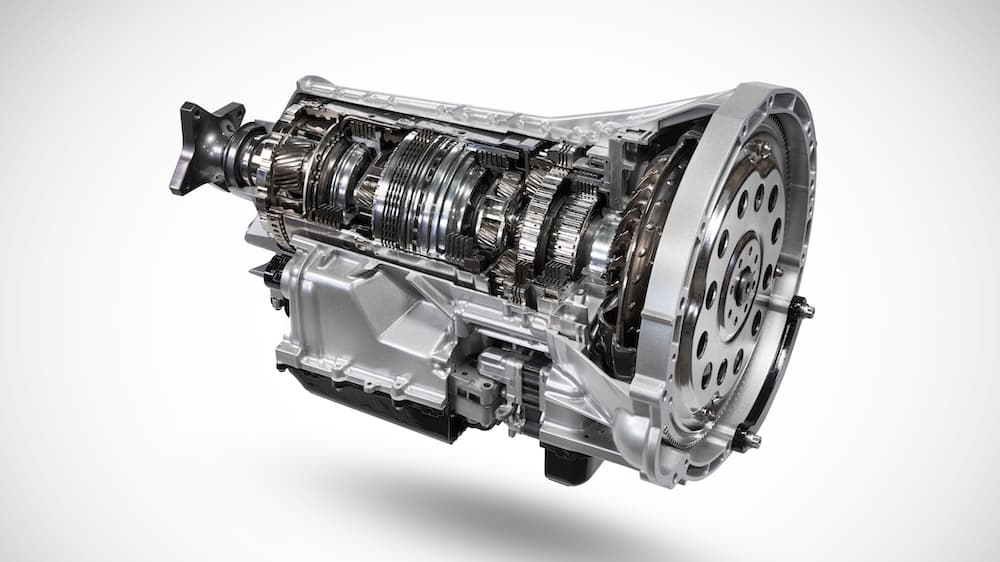
The 10R80 10-speed automatic, co-developed with GM, promised lightning-fast shifts and better fuel economy when it debuted in the refreshed F-150. While most units shift flawlessly for the first 50,000-80,000 miles, a significant percentage develop expensive and frustrating issues afterward. These are the real-world problems owners and transmission shops see every single day.
Harsh 1-2 and 2-3 Upshifts or Downshift Clunk
The single most common complaint. The truck slams into 2nd or 3rd gear, especially when cold or during light throttle. Ford’s official explanation is usually “adaptive learning” or “normal characteristic,” but in reality it is almost always the CDF drum (clutch C/D/F) developing cracks or the molded lead-frame piston feeding it starting to leak pressure. Early failures happen under 60k miles; many more between 80k-120k.
Torque Converter Shudder and TCC Lock-Up Issues
Feels like driving over rumble strips at 40-60 mph under light load. Ford issued multiple TSBs blaming contaminated fluid. The “fix” is usually 6-8 complete fluid exchanges with Mercon ULV until the shudder disappears temporarily. Most trucks return within 20k miles because the root cause (torque converter clutch material breaking down) was never addressed. Replacement converters are on national back-order at most dealerships.
Valve Body and Solenoid Failures
The 10R80 uses nine pressure-control solenoids and a complex valve body. Solenoids E, G, and H are the most common to stick or burn out, throwing codes P0751, P0766, P0796, P07A3 series. Symptoms range from delayed shifts to full limp mode. A new valve body runs $1,800-$2,400 parts alone, plus 10-12 hours labor.
Complete Loss of Forward Gears (No Drive)
Sudden catastrophic failure where the truck will only move in reverse. This is almost always the CDF drum completely fracturing and dumping clutch material through the entire transmission. Repair requires full teardown and rebuild; cost typically $6,500-$9,000 at an independent shop, $10,000+ at the dealer.
Fluid Overheating and Pump Issues
The thermal bypass valve in the cooler circuit was undersized on early builds, causing fluid temperatures to spike under towing or hot weather. Ford quietly redesigned the valve and cooler assembly, but many trucks still cook their fluid black by 80k miles. Black or burnt-smelling Mercon ULV means internal clutches are already damaged.
Delayed Engagement When Shifting from Park to Drive/Reverse
A 2-5 second lag before the truck moves. Usually caused by low line pressure from a failing main pressure regulator or pump stator support seal. Early symptom of bigger problems coming.
TSBs and “Repairs” That Don’t Fix Anything
Ford has released over a dozen TSBs involving fluid flushes, PCM/TCM re-flashes, and clutch adaptive relearns. Most owners report the problems come right back. The extended warranty “Customer Satisfaction Program” for certain harsh-shift trucks only covers valve body replacement up to 100k miles and explicitly excludes the CDF drum.
What Actually Works as a Permanent Fix
Full rebuild or replacement with the latest revision-level CDF drum, torque converter, valve body, and pump (independent shops using Sonnax and RevMax upgraded parts have the best track record)
Aftermarket transmission cooler bypass (completely eliminates the problematic thermal bypass valve)
Changing fluid every 30k-40k miles instead of “lifetime” fill (yes, it’s expensive at ~$400 each time, but cheaper than a rebuild)
Bottom Line
The 10R80 is smooth and efficient when it works, but the failure rate of the CDF drum and torque converter clutch is high enough that many transmission shops now keep rebuilt 10R80s on the shelf specifically for F-150s. If you own or are shopping a 2021+ truck with this transmission, budget for a potential $7,000-$9,000 repair bill between 80k-150k miles unless the previous owner has already done a proper upgraded rebuild.
More from Ford
Best Year for 3rd Gen Ford F-150 (2009-2014)
06.12.2025 07:09
5.0 Coyote vs 3.5 EcoBoost – Which Is Actually More Reliable?
06.12.2025 05:56
5.0L Coyote V8: The Modern Legend of Ford Performance
01.12.2025 13:36