2.7 EcoBoost vs 3.5 EcoBoost – Long-Term Reliability Reality
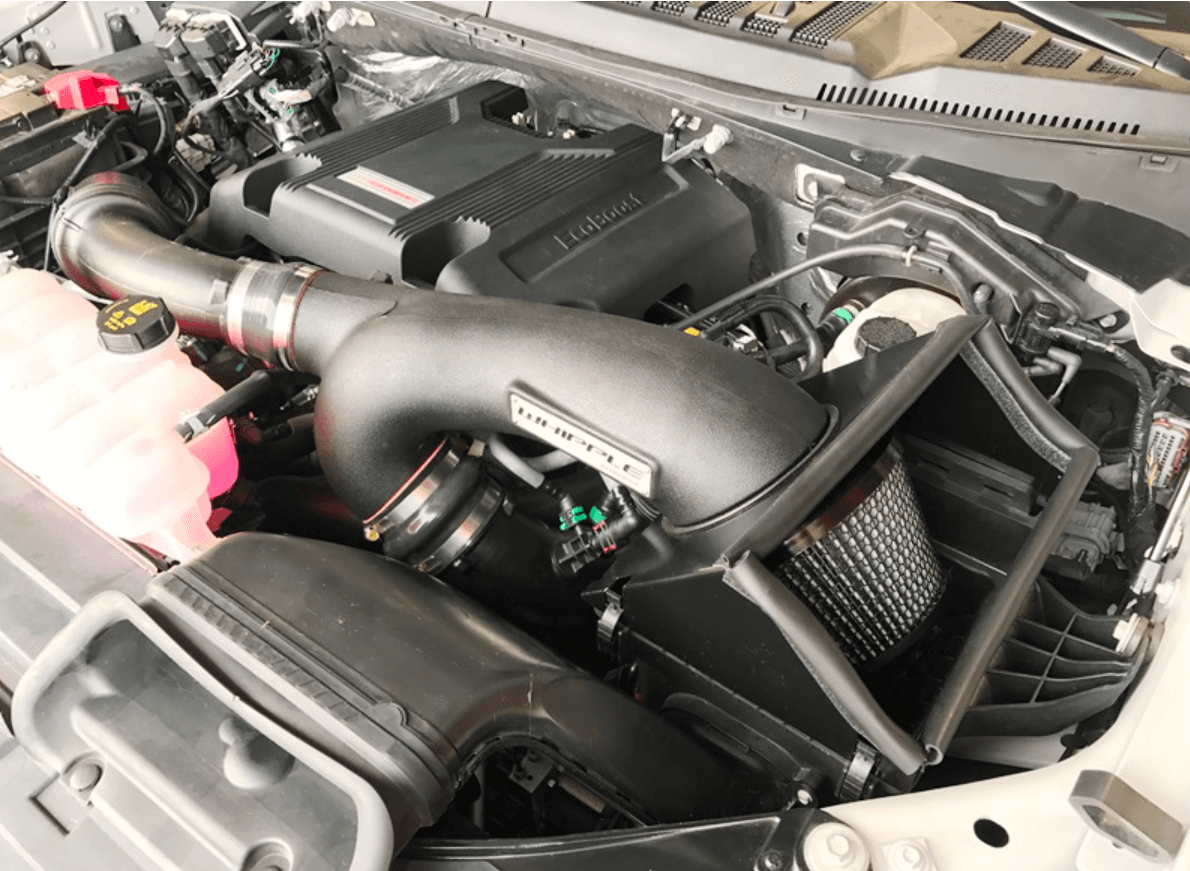
Ford’s twin-turbo EcoBoost family now has two very different V6 options in the F-150: the smaller 2.7L Nano and the long-running 3.5L that started it all. Both share direct injection, twin turbos, and aluminum blocks, but the differences in design, stress levels, and real-world durability are massive once the odometers climb past 150,000 miles.
Engine Design and Stress Levels
The 2.7L EcoBoost is built on a unique compacted-graphite-iron (CGI) block shared with some diesel applications, making it stiffer and stronger than the 3.5L’s aluminum block. Bore spacing is tighter, turbos are smaller and spin faster, but peak cylinder pressure and heat are lower because it makes “only” 325 hp and 400 lb-ft instead of 375-450 hp and 470-510 lb-ft from the 3.5L.
In simple terms: the 2.7 runs cooler, sees lower boost (around 18-20 psi max vs 22-25 psi on the 3.5), and the turbos live an easier life. The 3.5 is asked to do far more work in the same package.
Most Common Serious Failures
2.7L EcoBoost typical issues
Carbon buildup on intake valves (same DI curse, but slower because of lower heat)
Occasional wastegate rattle (usually just an actuator, $300-500 fix)
Oil pan leaks at the front or rear seal (RTV fix under TSB, $600-900)
Very rare turbo failure before 200k miles
Cam phaser rattle almost unknown compared to 3.5
3.5L EcoBoost typical issues
Timing chain stretch and phaser failure (cold-start death rattle, $2,500-$4,000 repair)
Turbo oil/coolant leaks and bearing failures (150k-220k common)
Cracked or warped cylinder heads from heat cycling (rare but catastrophic)
Flexplate cracks when towing heavy
Spark plug and coil pack death every 40-60k miles
The 2.7 has none of the infamous 3.5L timing-chain nightmares because it uses a completely different chain design and lower internal stresses.
Maintenance Burden Comparison
2.7 EcoBoost owners treat it like a normal modern engine: oil changes every 5,000-7,000 miles with full synthetic, spark plugs every 80-100k miles, and very little else. Many fleets run them to 300,000+ miles with only basic service.
3.5 EcoBoost owners live in fear of the rattle: oil changes every 3,000-5,000 miles, constant coolant level checks, plugs every 40-60k, and still face big bills when the chain or turbos finally give up.
High-Mileage Survivors
Taxi companies, hot-shot haulers, and regular owners consistently report 2.7L trucks crossing 250,000-400,000 miles with original turbos and bottom end. The 3.5L can reach those numbers too, but almost always after at least one major repair (new turbos, timing chain, or both).
Independent shops openly say the 2.7 is the EcoBoost they actually recommend for long-term ownership. The 3.5 is the one they make real money fixing.
When the 3.5 Still Wins
If you need to tow 10,000+ lbs regularly or want the absolute maximum performance, the 3.5 is still king. The 2.7 tows “only” 8,500-9,000 lbs depending on configuration and simply can’t match the bigger engine’s grunt at full load.
For everything else (daily driving, moderate towing, long-term cost of ownership), the 2.7 is the clear winner.
The 2.7 EcoBoost is the most bulletproof gasoline V6 Ford has ever put in an F-150. It delivers 90% of the 3.5L’s real-world performance with dramatically lower repair risk and cost over hundreds of thousands of miles.
If you want a twin-turbo F-150 that you can truly buy, maintain normally, and forget about for a decade, the 2.7 Nano is the smart money choice. The 3.5 is still an incredible engine, but only if you’re willing to accept the higher stakes that come with its higher rewards.
More from Ford
7.3 Godzilla Engine Swap into Older F-150 – The Ultimate Guide
06.12.2025 09:09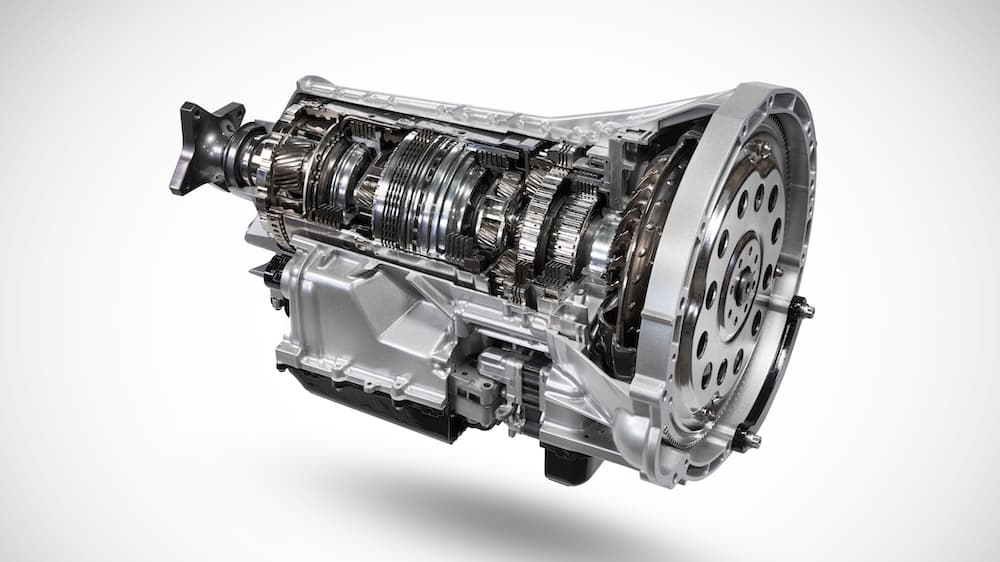
10R80 Transmission Problems in 2021+ F-150 – What 9Actually Goes Wrong
06.12.2025 09:04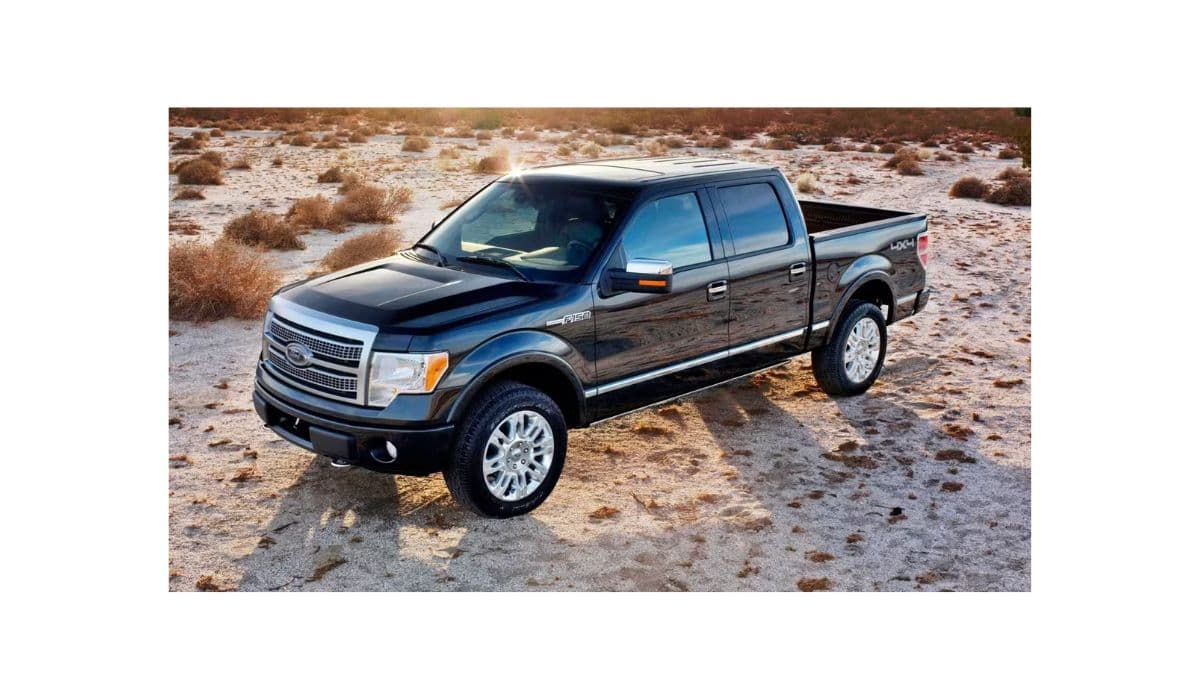
Best Year for 3rd Gen Ford F-150 (2009-2014)
06.12.2025 07:09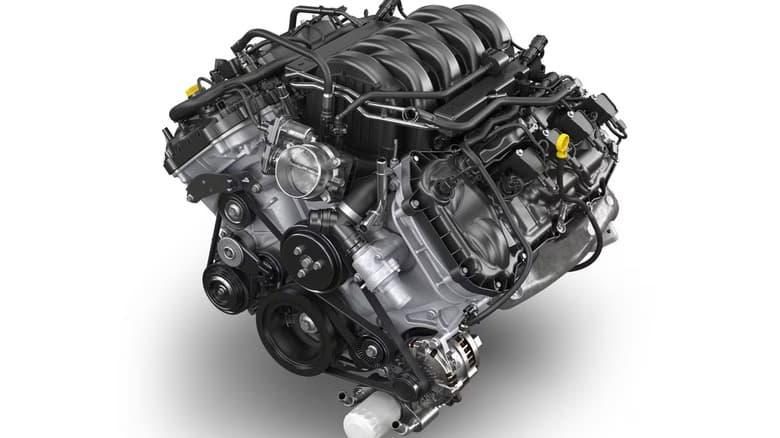
5.0 Coyote vs 3.5 EcoBoost – Which Is Actually More Reliable?
06.12.2025 05:56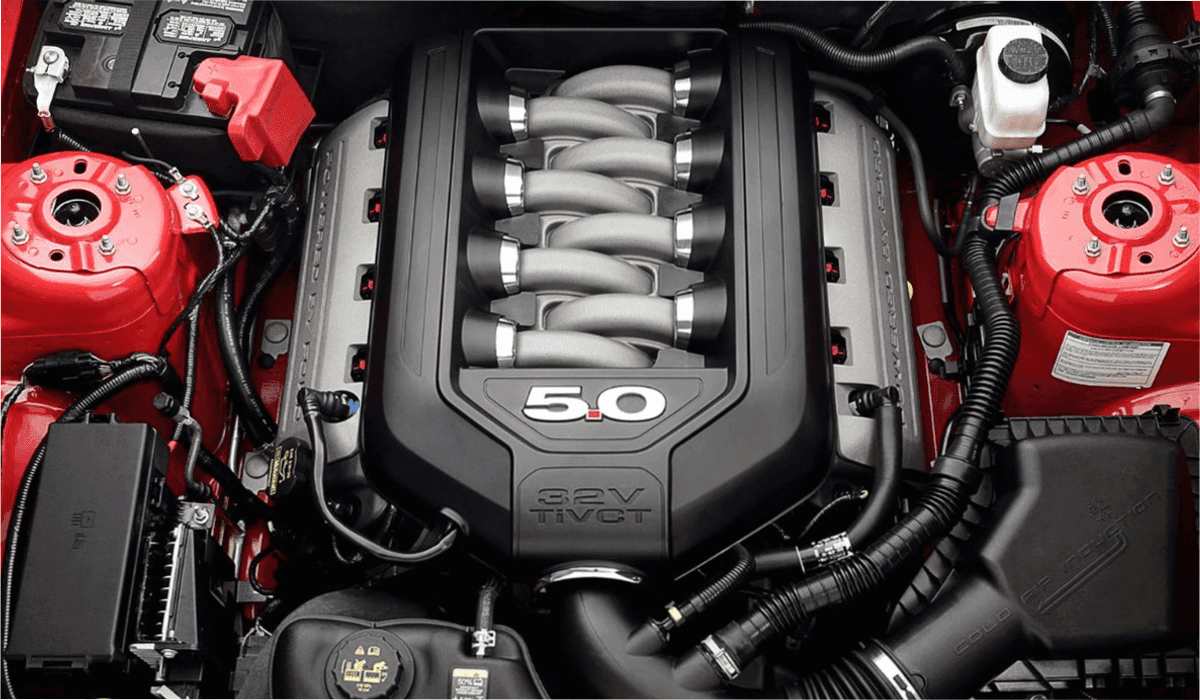
5.0L Coyote V8: The Modern Legend of Ford Performance
01.12.2025 13:36