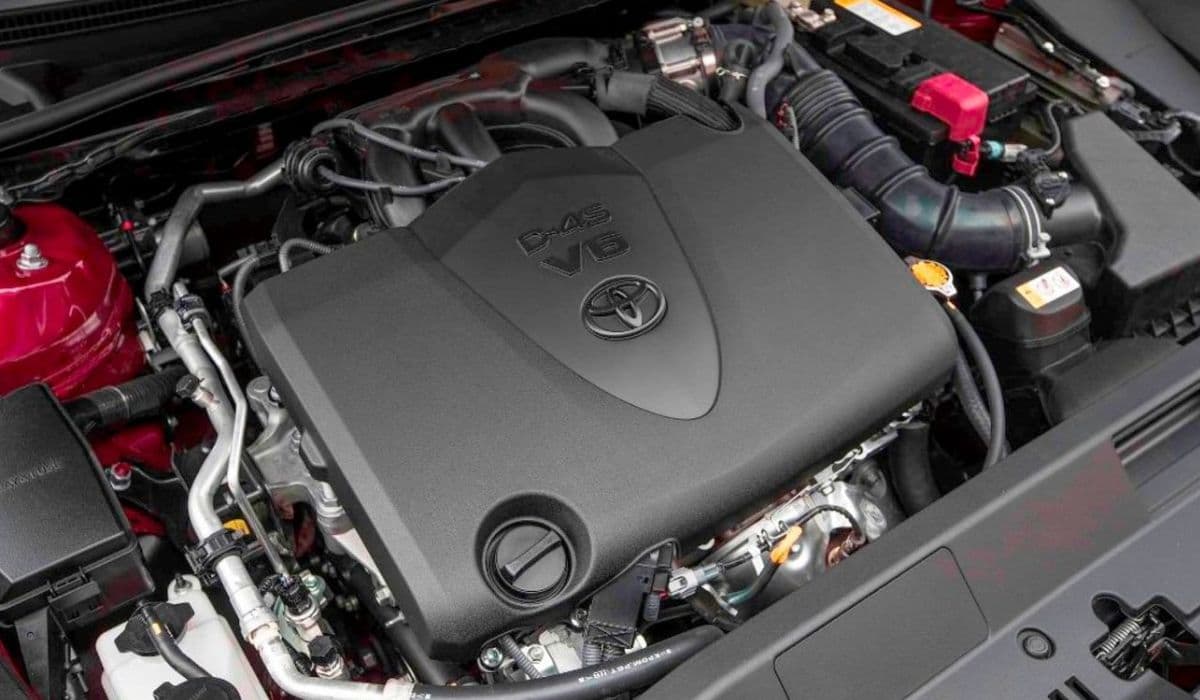
8-Speed vs 10-Speed Transmission Toyota Reliability: In-Depth Real-World Comparison
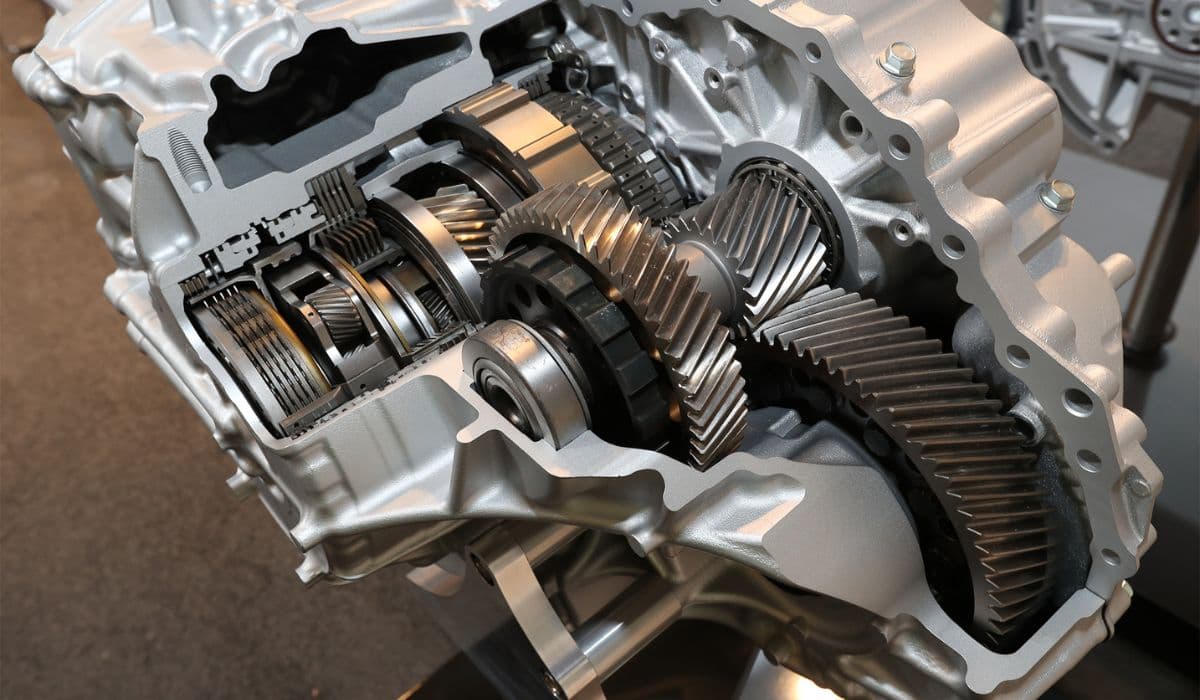
Toyota has long been synonymous with bulletproof reliability, but in recent years the brand introduced two very different automatic transmissions: the traditional 8-speed (primarily the Aisin-sourced UA80/UB80 and later AC60 series) and the newer 10-speed Aisin AA80/AA81 series co-developed with Lexus. Owners and enthusiasts constantly debate which one is actually more reliable in daily driving, towing, and long-term ownership. This article digs deep into real-world data, TSBs, known failure points, fluid maintenance differences, heat management, and how each performs across Toyota and Lexus models.
Origins and Basic Architecture Differences
The 8-speed family (UA80E/UA80F for RWD, UB80E/UB80F for FWD/AWD, and the heavier-duty AC60E/AC60F used in trucks) traces its roots to 2016-2017. It is essentially an evolution of the proven 6-speed Aisin design with two additional gears added on top, a wider 7.83:1 ratio spread, and very fast lock-up clutch engagement from 2nd gear upward.
The 10-speed AA80E/AA81E (Direct Shift-10A in Toyota marketing) arrived later in high-end models such as the Lexus LS 500, LC 500, certain IS 500, RC F, and the new Tundra i-Force MAX hybrid, Land Cruiser 300 series, and LX 600. It was designed from a clean sheet with an extremely wide 8.73:1 ratio spread, magnesium case parts, and significantly more clutch packs (six multi-plate clutches vs four in the 8-speed).
Even though both are made by Aisin, the 10-speed is noticeably more complex: 40% more moving parts, three planetary gearsets instead of two, and almost double the number of solenoids.
Early 8-Speed Issues That Were Largely Solved
When the UA80/UB80 series launched in the Camry, Highlander, Sienna, RAV4 Prime, and Tacoma, there were several TSBs regarding harsh 1-2 and 2-3 shifts, torque converter shudder, and occasional flare on the 3-4 upshift. Most of these were addressed with ECM reflash updates and the introduction of Toyota Genuine ATF-WS fluid specification changes around 2020-2021.
The heavier AC60 8-speed used in the current 4Runner, GX 550, Tacoma, and Land Cruiser Prado has proven almost flawless so far, with very few reported failures even in severe off-road and towing conditions. The torque converter design is extremely robust, and the valve body is less sensitive to contamination than earlier 8-speeds.
10-Speed Growing Pains and Current Status
The Direct Shift-10A had a much rougher start. Early Lexus LS 500 and LC 500 owners reported harsh downshifts, delayed engagement from Park to Drive, and in some cases complete transmission failure before 30,000 miles due to clutch pack burn-up. Lexus issued multiple TSBs (L-SB-0005-20, L-SB-0019-21, etc.) and quietly replaced hundreds of units under warranty.
The most common failure mode was the C1/C2 clutch drum spline stripping or the clutch hub cracking because of excessive heat and torque spikes under aggressive acceleration. Aisin redesigned the clutch pack material and added extra cooling in later production runs.
In the 2022+ Tundra and LX 600 the 10-speed has been considerably improved: new valve body calibration, stronger intermediate shaft, and an additional external transmission cooler on most configurations. Failure reports have dropped dramatically, but they still occur more often than with the 8-speed family.
Fluid Maintenance and Long-Term Durability
Toyota claims both transmissions are “lifetime filled” with WS or equivalent fluid, but real-world experience shows this is only true under ideal conditions.
The 8-speed holds about 7.2-8.5 quarts (depending on 2WD/4WD) and is relatively easy to perform a proper drain-and-fill (3.5-4 quarts per service). Most owners who change fluid every 50-60k miles report silky-smooth operation past 250,000 miles in Camrys and Highlanders.
The 10-speed holds almost 11.5-12 quarts and has a very fine mesh filter that clogs faster when towing or in hot climates. Drain-and-fill only replaces ~40% of the fluid, so multiple services or a proper flush machine is required to get clean fluid. Shops that skip steps, leading to premature solenoid and clutch wear. Owners who follow severe-service intervals (30-40k miles fluid change) rarely have issues.
Heat Management and Towing Performance
The 8-speed has a reputation for running cooler. Even the base UA80 in a RAV4 rarely exceeds 200°F oil temperature in normal driving, and the truck AC60 rarely goes above 220°F when towing near max capacity.
The 10-speed in the Tundra i-Force MAX and LX 600 runs significantly hotter — often 230-260°F when towing 10,000+ lbs in summer — despite the extra cooler. High heat accelerates fluid breakdown and clutch glazing. Many Tundra owners install aftermarket deep sump pans and larger coolers to keep temperatures under 200°F.
Real-World Failure Statistics (Forums + Warranty Data)
Camry/RAV4/Highlander with UA80/UB80 8-speed: failure rate is estimated at under 0.8% before 150,000 miles (mostly early harsh-shift TSBs, not catastrophic failures).
Tacoma and 4Runner AC60 8-speed: virtually zero catastrophic failures reported on major forums.
Early (2018-2020) Lexus LS/LC 10-speed: roughly 4-6% needed full replacement under warranty.
2022+ Tundra/LX600/LS500 10-speed: current failure rate appears to be around 1.2-1.8% in the first 60,000 miles — still higher than any Toyota 8-speed but trending downward.
Which One Is Actually More Reliable Today?
If you drive a Camry, RAV4, Highlander, Sienna, 4Runner, Tacoma, or GX, you have an 8-speed (or the related 6-speed in older models), and statistically it remains one of the most reliable automatic transmissions on the market today. Hundreds of taxi fleets worldwide have surpassed 400,000-500,000 miles with only fluid changes.
If you own a current Tundra, Sequoia, Land Cruiser 300, LX 600, or high-performance Lexus with the 10-speed, the transmission is now “good enough” for normal use, but it is still the weak link compared to the engine and the rest of the drivetrain. Aggressive driving, heavy towing without auxiliary cooling, or skipped fluid services dramatically increase risk.
Bottom Line for Buyers and Owners
For maximum peace of mind and lowest long-term cost of ownership, the various 8-speed versions (especially the truck-oriented AC60) are still the gold standard in the Toyota lineup. The 10-speed has come a long way since its problematic introduction and is perfectly adequate in most situations, but it remains inherently more complex, runs hotter, and requires more diligent maintenance to reach the same mileage potential.
If you're choosing between two otherwise identical models where one has an 8-speed and the other a 10-speed, the 8-speed version will almost certainly be the safer long-term bet.
More from Toyota
4th Gen Tacoma 2.4T i-Force Max vs 3.5 V6: Which Powertrain Is Actually Better?
08.12.2025 13:05
5th Gen 4Runner Engine Options and Long-Term Reliability: The Definitive Guide
08.12.2025 13:09
Best Tacoma Generation: 2nd vs 3rd Gen – Which One Wins in 2025?
08.12.2025 12:59