What Florida Drivers Need to Know About 2026 Traffic Laws
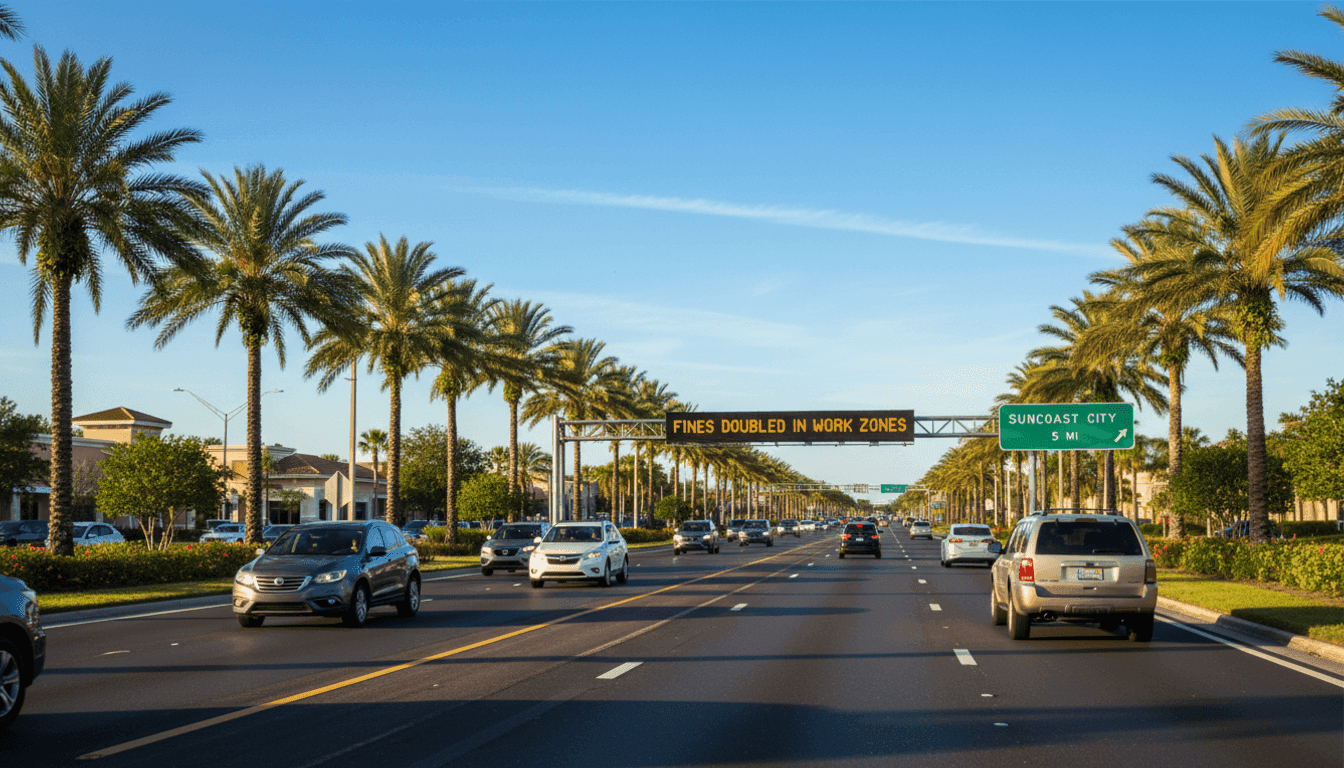
Earlier this month we broke down the biggest nationwide driving law changes coming in 2026. Now it’s time to zoom in on Florida — a state with unique traffic conditions, a fast-growing population, and some important rule changes that every driver should understand before the new year.
Florida isn’t introducing a single “mega law” in 2026, but rather a set of gradual updates: higher fines in specific situations, new safety requirements, and closer attention to vehicle condition and emissions in urban areas. For most drivers, these changes won’t rewrite the rulebook — but they will make certain mistakes much more expensive.
New Fines and Penalties in Florida for 2026
(Florida new fines and penalties 2026)
The most noticeable change for many Florida drivers will be updated fine schedules, especially in high-risk zones and for repeat offenders.
Authorities are putting extra focus on:
Speeding in school and work zones – base fines are increasing, and surcharges will be higher during active hours and visible construction activity.
Ignoring “Move Over” requirements – failing to slow down or change lanes for emergency, utility, or road service vehicles will carry steeper penalties than before.
Reckless and aggressive driving behaviors – tailgating, weaving through lanes, and racing can trigger higher minimum fines, mandatory court dates, and potential license consequences.
In practical terms, a violation that might have felt like “an expensive warning” in previous years could easily turn into a financial shock in 2026 if it happens in the wrong place (school zone, active work area, near emergency vehicles).
Vehicle Inspection Expectations Going Into 2026
(Florida vehicle inspection changes 2026)
Florida is known for not having the same annual safety inspection requirements as states like New York or Pennsylvania. That won’t suddenly change in 2026 — there is no plan to introduce a full statewide inspection program.
However, drivers should pay attention to two quiet but important trends:
More frequent roadside checks and targeted enforcement operations, especially for commercial vehicles, heavily modified cars, and obviously unsafe vehicles (broken lights, bald tires, missing mirrors).
Stricter enforcement of existing equipment laws, such as functioning headlights and taillights, legal window tint, visible license plates, and working brake lights.
You may not be required to pass a yearly inspection, but if your car looks clearly neglected or illegally modified, the chances of being pulled over and cited will be higher in 2026 than in previous years.
Emissions and Environmental Focus in Urban Areas
(Florida new emission rules 2026)
Florida still does not operate a broad emissions testing program like California or some Northeastern states, and 2026 is not expected to introduce a full statewide emissions inspection.
What is changing is:
More attention to smoky exhaust and visible emissions, especially from older cars and trucks in dense metro areas like Miami, Orlando, Tampa, and Jacksonville.
Potential local ordinances and targeted enforcement in zones with chronic air-quality concerns, near ports, and along busy freight corridors.
Ongoing support for EV and hybrid adoption, with parking and charging rules increasingly enforced (for example, fines for blocking EV-only charging spaces).
So while there may not be a new emission test for every car, drivers with poorly maintained vehicles producing visible smoke or excessive noise will be more at risk of fines in major Florida cities.
Driver Safety Updates and Enforcement Priorities for 2026
(Florida driver safety updates 2026)
Florida’s crash statistics — especially involving pedestrians, cyclists, and older drivers — remain a serious concern. That’s why 2026 will bring tougher, more focused enforcement in several areas:
Vulnerable road users – expect more tickets for failing to yield in crosswalks, passing too close to cyclists, and driving aggressively around motorcycles and scooters.
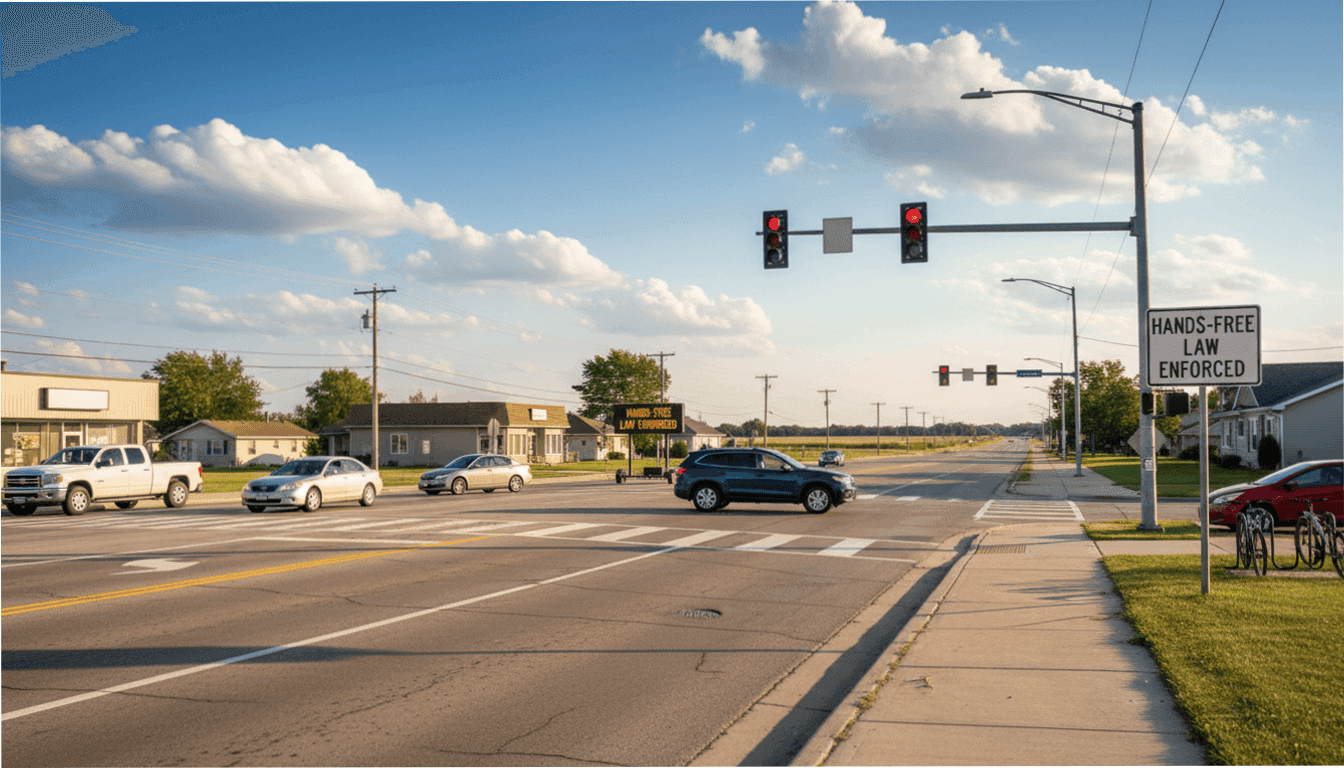
Distracted driving – Florida’s hands-free and texting laws aren’t new, but enforcement is tightening, especially on interstates and in urban corridors with high crash rates.
Impaired driving – roadside operations and DUI checkpoints are becoming more data-driven, with enforcement concentrated on weekends, holiday periods, and known high-risk zones.
For everyday drivers, the message is simple: behaviors that used to earn a warning are more likely to result in a ticket in 2026, especially when they endanger pedestrians, cyclists, or children in school zones.
Florida Law Changes 2026 Explained Simply
(Florida law changes 2026 explained)
Putting it all together, here’s what really matters for Florida drivers:
You’re less likely to see a brand-new type of law and more likely to see stricter enforcement of rules that already exist.
School zones, work zones, and roadside emergency scenes will become the most expensive places to make a mistake.
Even without annual inspections, poorly maintained vehicles will attract more attention from law enforcement, especially in bigger cities.
Environmental and safety concerns will drive more targeted enforcement, not broad new testing programs.
If you drive regularly in Florida in 2026, the best protection is simple:
keep your car in obvious roadworthy condition, slow down where it matters most, stay off the phone, and give vulnerable road users more space.
Florida’s 2026 traffic law landscape is less about rewriting the rules and more about raising the stakes for risky driving. The state is combining higher fines, smarter enforcement, and targeted safety priorities to reduce crashes in the most dangerous environments — school zones, construction areas, and busy urban corridors.
Drivers who adjust their habits now will barely feel the change. Those who don’t may find 2026 an unexpectedly expensive year behind the wheel.
More from Traffic & Law
Iowa’s New Hands-Free Driving Law in 2026: What Drivers Need to Know
02.12.2025 15:56
Are Cell Phone Laws Changing in Texas in 2026?
02.12.2025 14:51
New Traffic Laws Coming to New York in 2026: What Drivers Need to Know
02.12.2025 14:39
Major 2026 Driving Law Changes in California: What Drivers Need to Know
02.12.2025 14:31
What Happens If Someone Else Is Driving My Car and Gets in an Accident?
24.11.2025 11:34