What Washington Drivers Need to Know About 2026 Traffic Laws
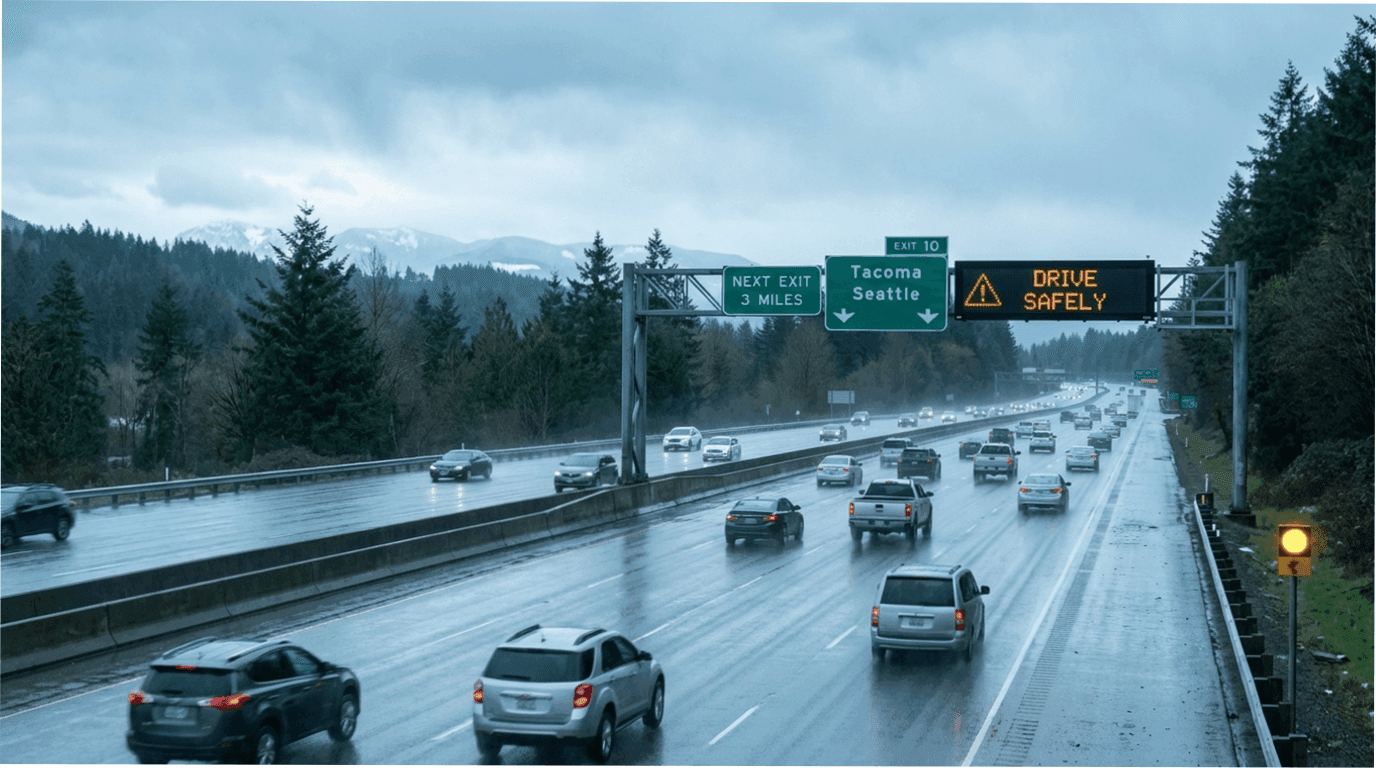
Earlier this month, we broke down national driving law updates taking effect in 2026. Now we’re focusing on Washington State, where several important changes are being introduced — from higher fines to new safety requirements and more proactive enforcement strategies. Washington’s crash data has shown persistent increases in distracted driving, impaired driving, and pedestrian injuries, and lawmakers are responding with rules designed to address those trends.
This guide explains what Washington drivers should expect in 2026 and how the changes will affect everyday commuting, long-distance travel, and vehicle ownership.
Washington Is Increasing Fines and Penalties in High-Risk Areas
(Washington new fines and penalties 2026)
Washington drivers will see noticeable increases in fines for unsafe behaviors, especially in zones with historically high crash rates.
The biggest fine increases will apply to:
Speeding in school zones — surcharges rising across multiple counties.
Violations near emergency or roadside workers — “Move Over” penalties becoming substantially higher.
Distracted or aggressive driving in urban corridors — especially on I-5, I-405, and in Seattle metro areas.
Passing a stopped school bus — fines rising sharply following multiple high-profile incidents.
Washington State Patrol has indicated that enforcement around school zones, ferry terminals, and dense pedestrian areas will be “significantly more active” in 2026.
What’s Changing for Vehicle Condition and Inspections
(Washington vehicle inspection changes 2026)
Washington does not require traditional annual inspections like New York or Pennsylvania, but the state is tightening rules related to vehicle condition and safety equipment.
Key changes include:
More frequent safety stops for vehicles with visibly unsafe equipment (broken lights, bald tires, cracked windshields).
Stricter enforcement of lighting rules, especially regarding auxiliary lights and aftermarket LEDs.
Commercial and rideshare vehicles facing more targeted mechanical inspections.
Expanded VIN and odometer verification processes during certain title transfers.
Drivers with older or poorly maintained cars may see more frequent interactions with law enforcement or DOT inspection teams in 2026.
New Emission & Environmental Enforcement Trends for 2026
(Washington new emission rules 2026)
Washington continues moving toward clean transportation policies, and in 2026 the state will expand environmental oversight — even without reintroducing traditional emissions testing.
Drivers should expect:
Crackdowns on visible smoke and excessive exhaust, especially in Seattle, Tacoma, Olympia, and Spokane.
More enforcement of idling restrictions in school zones and ferry line queues.
Tighter rules for commercial diesel vehicles, particularly near ports.
Increased fines for blocking EV-charging spaces or parking in restricted green-vehicle zones.
These changes won’t impact most well-maintained vehicles, but drivers with older trucks or modified exhaust systems may face penalties.
Safety Rules and Enforcement Priorities for 2026
(Washington driver safety updates 2026)
Washington continues to report high rates of distracted driving and impaired driving crashes. In response, the 2026 updates place more emphasis on:
Hands-free compliance — officers will more actively ticket phone use, even at red lights or in heavy traffic.
Pedestrian right-of-way enforcement, especially in urban crosswalks and transit corridors.
More DUI checkpoints during weekends and late-night hours.
Tougher consequences for speeding combined with lane violations, a common factor in King and Snohomish County crashes.
Expanded use of safety cameras, not for general speeding, but for high-risk areas with documented crash histories.
For everyday drivers, the main difference is how quickly violations will be detected and how consistently they’ll be enforced — particularly in King, Pierce, Clark, and Spokane counties.
Washington’s 2026 Law Changes Explained Simply
(Washington law changes 2026 explained)
Here’s the easiest way to understand what’s changing in Washington:
The state isn’t adding many new laws — it is toughening existing rules.
Fines will be higher in school zones, construction zones, and downtown pedestrian areas.
Drivers with poorly maintained vehicles will face more frequent stops.
Distracted driving enforcement will become more consistent statewide.
Environmental oversight is increasing, especially regarding exhaust smoke and idling.
For most drivers, adjusting to the new expectations is easy — but ignoring them will become more expensive than in previous years.
Washington’s 2026 updates focus on safety, visibility, and accountability. By raising fines in key areas, expanding enforcement of distracted driving, and placing more attention on vehicle condition and emissions behavior, the state aims to reduce severe crashes and encourage more responsible driving habits.
Drivers who understand these updates ahead of time will avoid fines, stay compliant, and navigate Washington’s roads in 2026 with confidence.
More from Traffic & Law
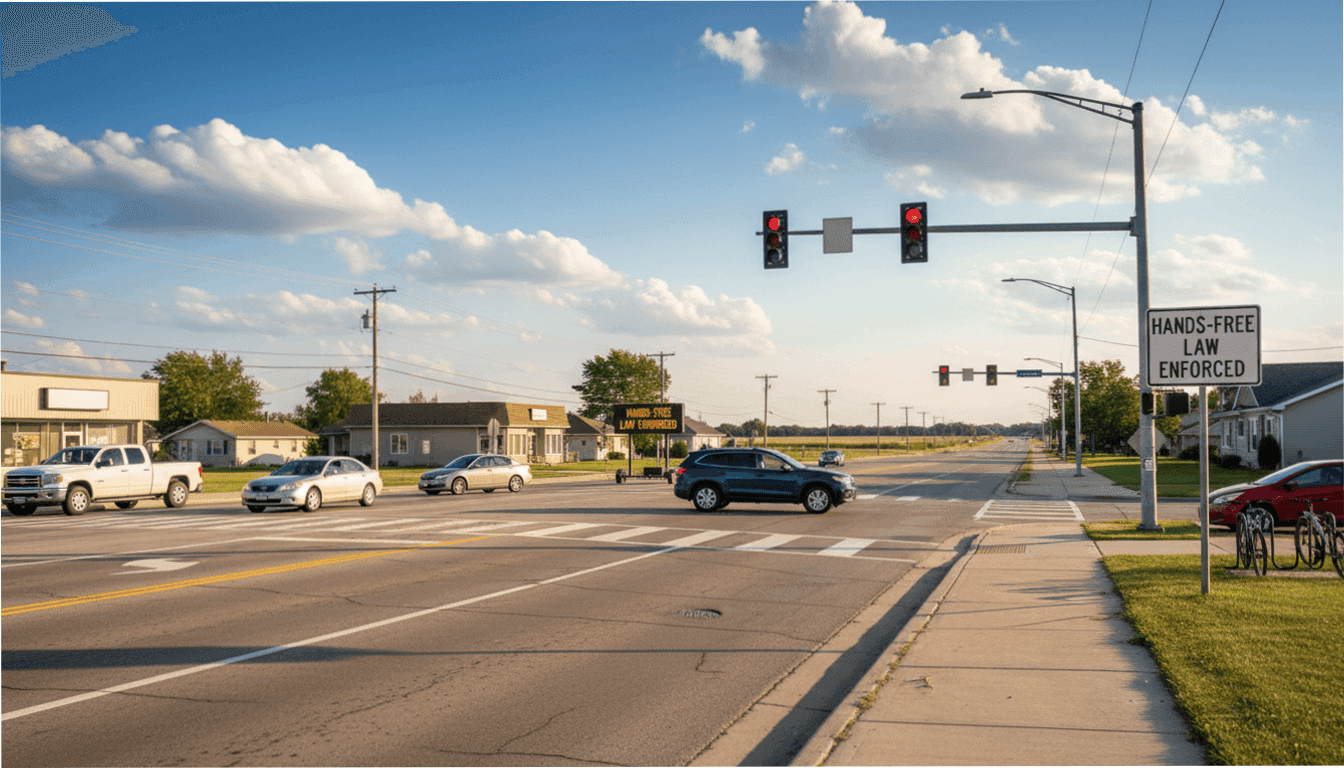
Iowa’s New Hands-Free Driving Law in 2026: What Drivers Need to Know
02.12.2025 15:56
What Florida Drivers Need to Know About 2026 Traffic Laws
02.12.2025 16:03
Are Cell Phone Laws Changing in Texas in 2026?
02.12.2025 14:51
New Traffic Laws Coming to New York in 2026: What Drivers Need to Know
02.12.2025 14:39
Major 2026 Driving Law Changes in California: What Drivers Need to Know
02.12.2025 14:31