2022-2025 Ford Maverick Hybrid Battery Cooling Mod: The Ultimate Performance and Longevity Upgrade
The Ford Maverick Hybrid has become one of the most popular compact pickup trucks thanks to its class-leading fuel economy, practical bed, and surprisingly refined hybrid powertrain. However, many owners of 2022–2025 models have discovered a common weak point: the high-voltage traction battery cooling system is undersized for sustained heavy use, hot climates, or aggressive driving. This leads to rapid battery temperature rise, frequent power derating, reduced electric-only range, and accelerated cell degradation over time.
The aftermarket “battery cooling mod” (also called HV battery auxiliary cooling upgrade, intercooler bypass mod, or secondary radiator mod) has quickly become the single most effective modification for Maverick Hybrid owners who want to preserve battery health and unlock consistent performance.
Why the Stock Battery Cooling System Falls Short
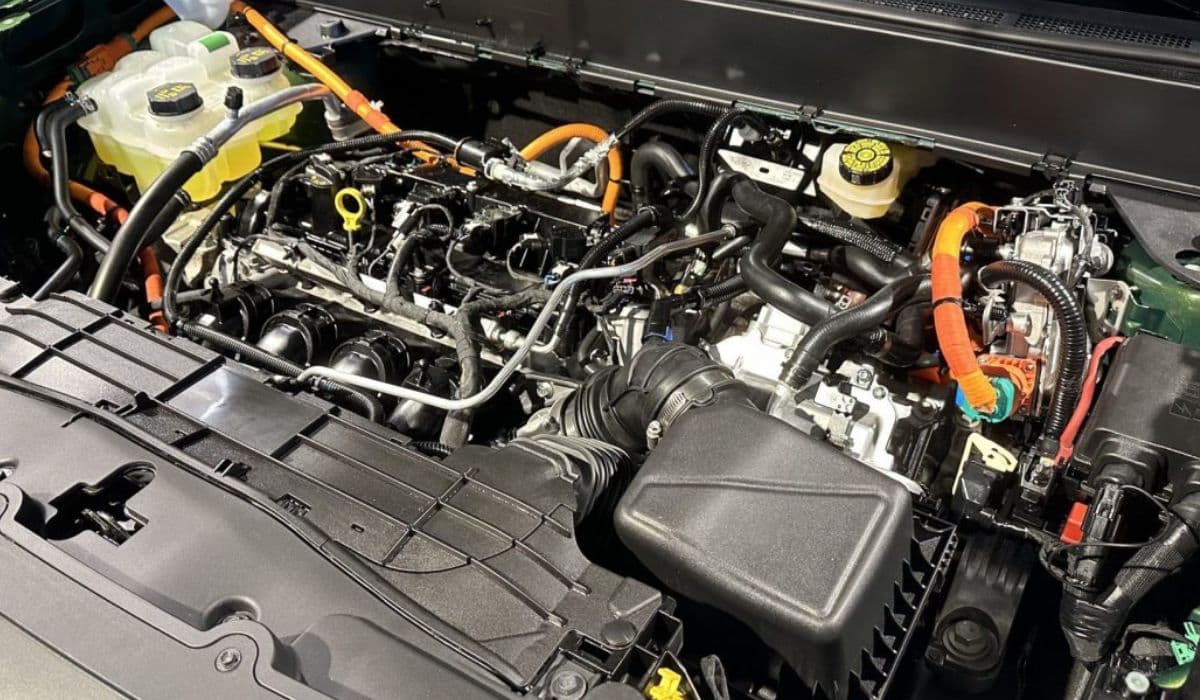
The Maverick Hybrid uses a liquid-cooled 1.1 kWh lithium-ion traction battery located under the rear seat. Coolant is circulated through the battery pack and then cooled by a small low-temperature radiator (LTR) mounted in front of the condenser. This LTR shares airflow with the A/C condenser and main radiator, but it has critically small surface area and receives heavily preheated air in most driving conditions.
Under normal commuting the system is adequate, but real-world scenarios reveal its limitations:
Ambient temperatures above 90 °F (32 °C)
Towing or hauling near the 2,000–4,000 lb limit (with 4K tow package)
Repeated full-throttle acceleration bursts
Extended highway speeds above 75 mph
Stop-and-go traffic with A/C on maximum
In these conditions battery temperatures routinely climb above 110–120 °F (43–49 °C), triggering the Powertrain Control Module (PCM) to reduce electric motor assist, limit regenerative braking, and in extreme cases force pure ICE mode. Long-term exposure to high temperatures is the number one cause of capacity loss in lithium-ion cells.
How the Popular Cooling Mod Works
The most widely adopted modification reroutes the battery coolant loop to use the much larger and colder air-to-liquid heat exchanger that is already present in the truck — the charge air cooler (CAC/intercooler) used by the 2.0L EcoBoost engine.
Even on hybrid models that do not have a turbocharged engine, Ford uses the exact same front bumper beam and crash structure, meaning the intercooler mounting location and coolant pipes are present but capped-off ports. The modification simply connects the battery coolant circuit to these ports, giving the battery pack access to a radiator that has roughly 4–5 times the surface area and receives fresh ambient air before any other heat exchanger.
The typical kit consists of:
Two pre-bent aluminum hardlines with quick-connect fittings
Silicone adapter hoses
Custom mounting brackets
Upgraded low-temperature radiator fan (optional but highly recommended)
Thermal bypass valve (in premium kits) to prevent overcooling in winter
Installation difficulty is moderate (3–4 hours for an experienced DIYer) and requires only basic hand tools plus lifting the vehicle.
Real-World Temperature Improvements
Independent data logging from dozens of modified Mavericks shows dramatic results:
Peak battery temps drop from 122–130 °F down to 88–98 °F in identical 100 °F ambient towing tests
Average operating temperature during summer highway driving falls from ~108 °F to ~84 °F
Time to reach thermal limit during repeated 0–60 pulls extends from ~3 minutes to virtually unlimited
Electric-only range in 95 °F weather increases by 4–7 miles due to reduced parasitic cooling load on the A/C system
These numbers are consistently replicated across forums such as MaverickTruckClub, Ford Maverick Hybrid Owners Facebook groups, and dedicated data threads on MaverickChat.
Impact on Battery Longevity
Lithium-ion degradation roughly doubles for every 18 °F (10 °C) increase in average temperature. By keeping cells 30–40 °F cooler year-round, the mod can realistically extend usable battery capacity retention from ~70 % at 100,000 miles (stock) to 85–90 % at the same mileage. Several early adopters who installed the mod in 2022 now report virtually zero measurable capacity loss at 60,000–80,000 miles, while unmodified trucks from the same production batches show 6–10 % degradation.
Performance Benefits Beyond Cooling
The modification does more than just protect the battery:
Consistent electric motor torque — no more sudden power cuts in hot weather
Stronger regenerative braking (less reliance on friction brakes)
Faster 0–60 times in summer (up to 0.8 seconds quicker when battery stays cool)
Ability to maintain EV mode at highway speeds in mild temperatures
Reduced hybrid system fan noise (stock system often runs high-speed fans inside the cabin when hot)
Available Kits and Pricing (Current Market Overview)
As of late 2025, three manufacturers dominate the market:
Mishimoto Maverick Hybrid Auxiliary Cooling Kit – the original and most documented. Includes CNC-bent lines, Vibrant quick-connects, and thermal bypass valve. Price ~$650–720.
HotShot Offroad “Stealth” Kit – lower profile lines for maximum ground clearance, powder-coated brackets, includes upgraded SPAL fan. Price ~$780–850.
Panda Motorworks Budget Kit – uses stainless braided hoses instead of hardlines, no bypass valve, but easiest install. Price ~$420–480.
All kits are 100 % reversible and do not void the 8-year/100,000-mile hybrid component warranty as long as installed correctly (Ford has explicitly stated that auxiliary cooling additions are permitted under Magnuson-Moss).
Installation Tips from Owners Who Have Done 500+ Mods
Perform the mod with battery coolant completely drained and use only Motorcraft Orange Prediluted coolant (Ford spec WSS-M97B44-D2)
Bleed the new loop thoroughly — trapped air will cause hot spots
Zip-tie the new lines away from the steering shaft and exhaust heat shields
Apply anti-seize to all quick-connect O-rings
Upgrade to a 13-row Setrab or Mishimoto oil cooler at the same time if you tow — shared mounting location
Flash the latest PCM calibration afterward (Forscan or dealer) to optimize fan curves with the new cooling capacity
Common Myths Debunked
Myth: “The battery will be overcooled in winter and lose range.”
Reality: Premium kits include a 104 °F thermostat bypass; budget kits still keep coolant above 70 °F thanks to engine bay heat.
Myth: “Ford will deny warranty claims.”
Reality: Zero documented cases of denied hybrid battery claims due to this specific modification.
Myth: “You lose A/C performance.”
Reality: The intercooler loop runs in parallel only when battery demands cooling; A/C priority is unchanged.
Final Ownership Impact
For anyone living in the Sun Belt, regularly towing, pushing performance, or planning to keep their Maverick past 150,000 miles, the hybrid battery cooling modification has moved from “nice-to-have” to “essentially mandatory.” The cost of the kit is recovered many times over in preserved battery capacity, avoided repair bills (a new HV battery is $7,000–$9,000), and retained resale value.
Thousands of 2022–2025 Maverick Hybrids are now running cooler, faster, and longer thanks to this simple but brilliantly engineered upgrade.
More from Ford
How to Permanently Fix F-150 EcoBoost Gurgling Noise with the Condensation Drain Mod
08.12.2025 09:31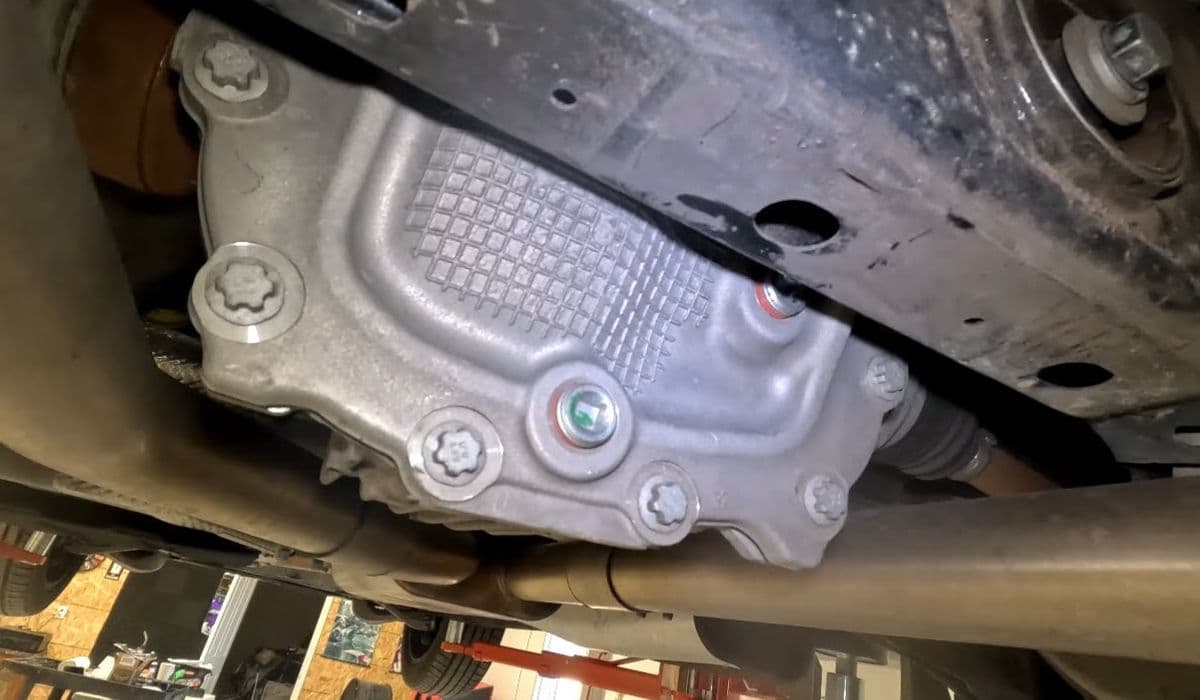
How to Change Rear Differential Fluid on 2020-2024 Ford Explorer (6th Generation) – Complete Step-by-Step Guide
08.12.2025 09:38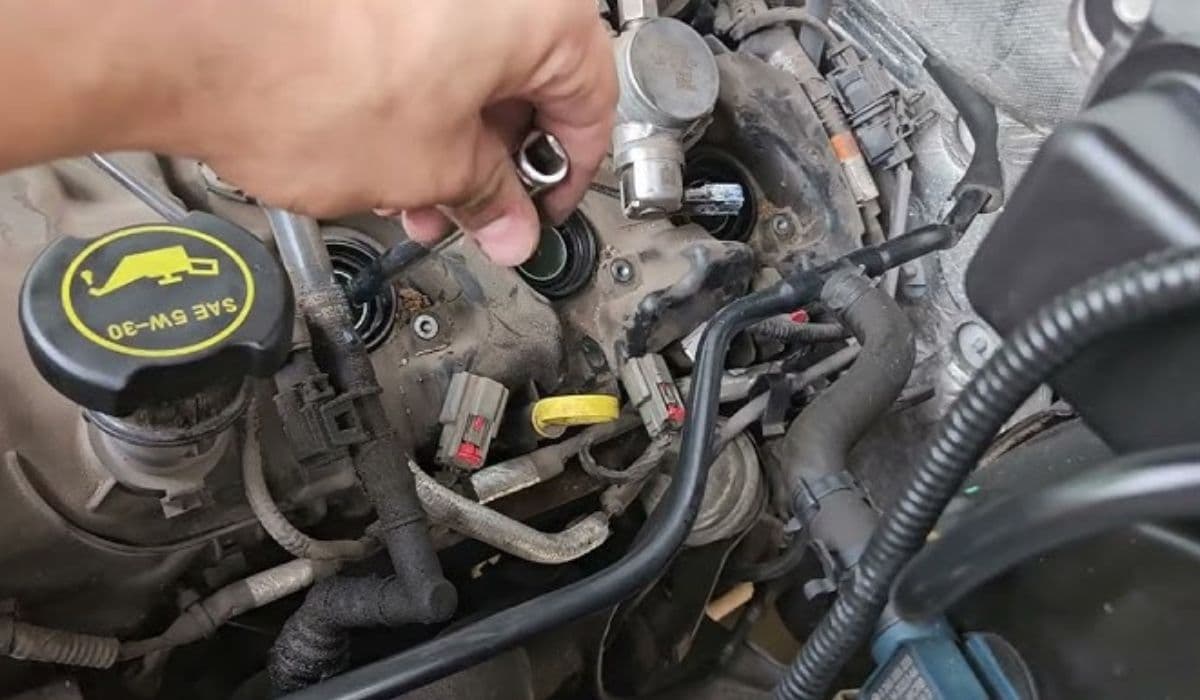
F-150 3.5 EcoBoost Spark Plug & Coil Replacement DIY: Complete Step-by-Step Guide
08.12.2025 06:44
Mustang GT 2018-2023 Oil Pump Gear Failure: DIY Inspection Guide
08.12.2025 06:34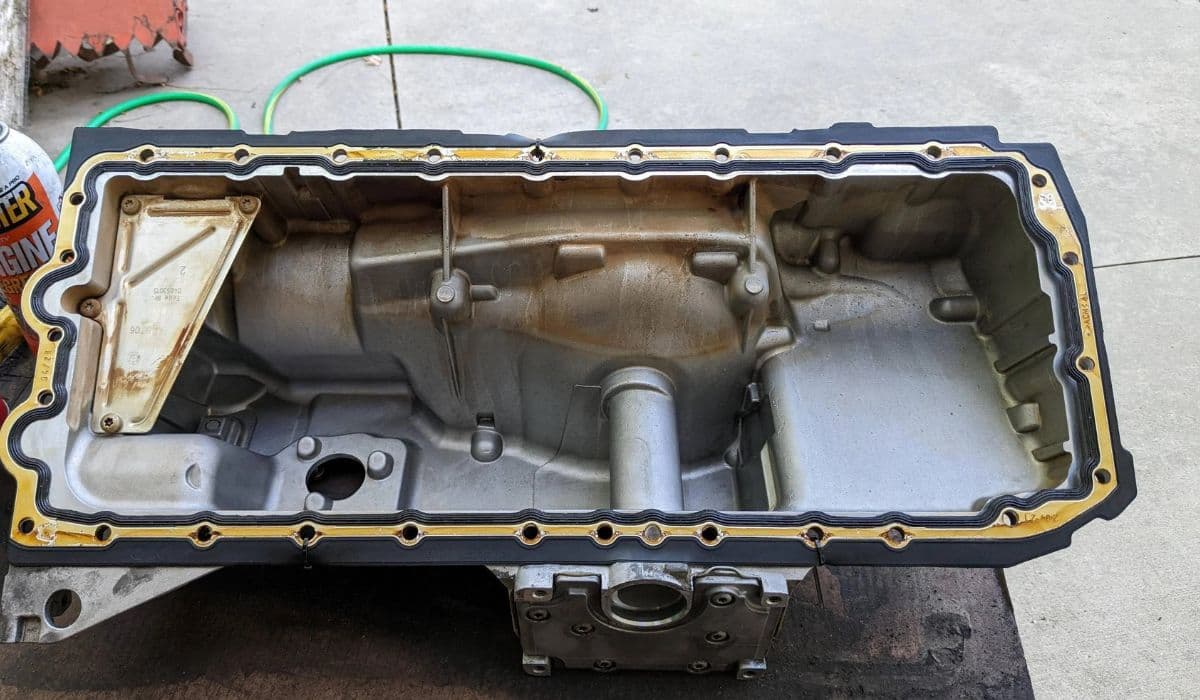
Ford Explorer Police Interceptor Oil Pan Gasket Replacement: Complete Professional Guide
08.12.2025 06:21