
Coolant Flush Every Ford F-150 30,000–50,000 Miles
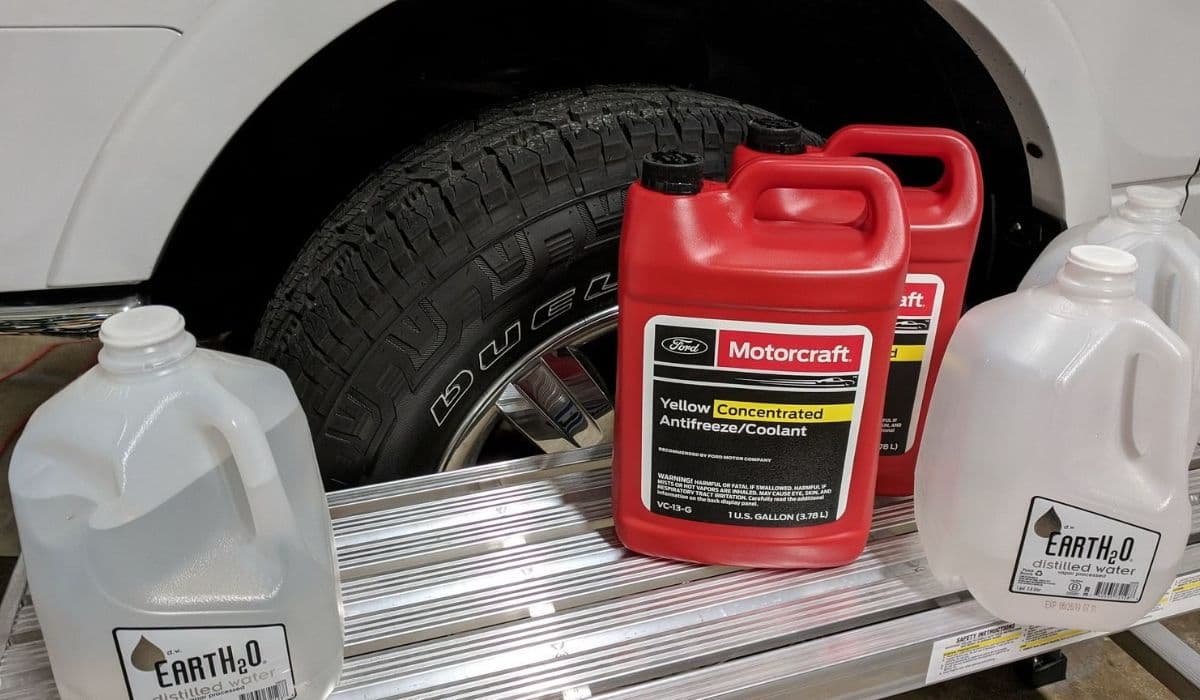
The Ford F-150 stands as a powerhouse in the truck world, known for its rugged reliability and performance across diverse terrains. Yet, beneath that tough exterior lies a complex cooling system that demands regular attention. A coolant flush every 30,000 to 50,000 miles isn't just routine maintenance—it's a vital step to ensure your truck runs smoothly for years. This process involves draining old coolant, cleaning the system, and refilling with fresh fluid, preventing issues like overheating or corrosion that could sideline your vehicle.
Understanding the Cooling System in Your Ford F-150
At the heart of every Ford F-150 is an engine that generates immense heat during operation. The cooling system circulates coolant—a mixture of water and antifreeze—through the engine block, radiator, and hoses to absorb and dissipate this heat. Over time, coolant degrades, losing its ability to protect against freezing, boiling, and rust. For F-150 models, especially those with EcoBoost engines or heavy-duty towing capabilities, maintaining optimal coolant levels is crucial to avoid costly repairs.
Modern F-150s feature advanced aluminum engines that are lightweight and efficient but more susceptible to corrosion if coolant becomes contaminated. Dirt, debris, and mineral deposits build up, reducing efficiency. Regular flushes help maintain the system's integrity, ensuring your truck handles everything from daily commutes to off-road adventures without faltering.
Why Regular Coolant Flushes Matter for Performance
Skipping coolant maintenance can lead to subtle yet damaging effects on your F-150's performance. Degraded coolant fails to lubricate the water pump, leading to premature wear. It also allows air pockets to form, causing uneven cooling and potential hot spots in the engine. For enthusiasts who push their F-150s hard—whether hauling loads or navigating rough trails—this can translate to reduced power output and fuel efficiency.
Consider the real-world impact: A well-maintained cooling system helps the engine operate at peak temperatures, optimizing combustion and reducing emissions. This not only extends engine life but also preserves the truck's resale value. Owners of older F-150 generations, like the 13th or 14th, often report smoother idling and better throttle response after a flush, highlighting how this simple procedure revitalizes the vehicle.
Signs Your Ford F-150 Needs a Coolant Flush Sooner
Even if you're within the 30,000–50,000-mile window, certain indicators suggest it's time for a flush. Pay attention to these red flags to catch problems early:
Overheating dashboard warnings or rising temperature gauges during normal driving.
Sweet-smelling exhaust or visible leaks under the truck, indicating coolant breakdown.
Sludgy residue in the radiator cap or overflow tank, signaling contamination.
Reduced heater performance in colder months, as clogged passages restrict flow.
Unusual engine noises, like knocking, from inadequate lubrication.
Ignoring these signs can escalate to severe issues, such as warped cylinder heads or failed gaskets. For F-150 drivers in hot climates or those frequently towing, these symptoms might appear earlier, underscoring the need for vigilant monitoring.
Optimal Interval: Every 30,000–50,000 Miles Explained
Ford recommends coolant flushes every 30,000 to 50,000 miles, but this varies based on driving conditions. Highway miles are gentler on the system compared to stop-and-go city traffic or heavy loads, which accelerate coolant degradation. Always consult your owner's manual for model-specific guidelines—newer F-150s with extended-life coolants might stretch to the higher end, while older ones benefit from more frequent attention.
Factors influencing the interval include environmental exposure; salty roads in winter can introduce corrosive elements, shortening the effective life of coolant. By adhering to this range, you align with Ford's engineering standards, designed to maximize durability in America's bestselling truck.
Step-by-Step Process for a Proper Coolant Flush
Performing a coolant flush on your F-150 can be a rewarding DIY project, provided you have basic tools and safety gear. Start by parking on a level surface and allowing the engine to cool completely to avoid burns.
First, locate the radiator drain plug and place a catch pan underneath. Open the plug to drain the old coolant, then remove the radiator cap to speed up the process. Once drained, close the plug and fill the system with distilled water. Run the engine with the heater on to circulate the water, flushing out residues—repeat this until the water runs clear.
Next, add a cooling system cleaner if deposits are heavy, following product instructions for circulation time. Drain again, then refill with the appropriate coolant mixture, typically a 50/50 blend suited for Ford specifications. Bleed air from the system by running the engine and topping off as needed. This methodical approach ensures thorough cleaning without shortcuts.
Benefits of Staying on Top of Coolant Maintenance
A timely flush yields numerous advantages beyond basic functionality. It enhances thermal efficiency, allowing your F-150 to maintain consistent power under stress. Corrosion inhibitors in fresh coolant protect internal components, reducing the risk of leaks in hoses or the radiator.
For performance-oriented owners, this maintenance supports modifications like aftermarket turbos or exhaust systems, which increase heat output. Environmentally, clean coolant minimizes the chance of spills during repairs, and efficient engines burn fuel more cleanly. Long-term, it fosters a deeper connection with your vehicle, turning routine care into a habit that pays dividends in reliability.
Common Pitfalls and How to Avoid Them
Even seasoned F-150 owners make mistakes during flushes that can compromise the system. One frequent error is using tap water instead of distilled, introducing minerals that cause scaling. Always opt for distilled to preserve purity.
Another issue is incomplete draining, leaving old coolant mixed with new, diluting protection. Ensure full drainage by elevating the front end if necessary. Overfilling the reservoir can lead to pressure issues, so monitor levels post-flush. Finally, neglecting to check for leaks after the procedure might mask underlying problems—inspect hoses and connections thoroughly.
By sidestepping these errors, you safeguard your truck's cooling system, ensuring it performs as robustly as the F-150's legendary reputation demands.
Maintaining your Ford F-150's coolant system through regular flushes integrates seamlessly into broader vehicle care, enhancing every drive with confidence and efficiency.
More from Ford

Ford F-150: Active Grille Shutter Maintenance and Cleaning Guide
28.12.2025 11:29
Ford Maverick Hybrid: Battery Cooling Fan Cleaning Tips
28.12.2025 08:22
Ford EcoBoost: Preventing Cam Phaser Rattle with Regular Oil Changes
28.12.2025 05:53
Ford F-150: How to Perform Tire Rotation and Balance Every 5,000 Miles
27.12.2025 14:45
Ford F-150 Aluminum Body: Corrosion Protection Tips
25.12.2025 14:18