
Ford F-150: How to Perform Tire Rotation and Balance Every 5,000 Miles
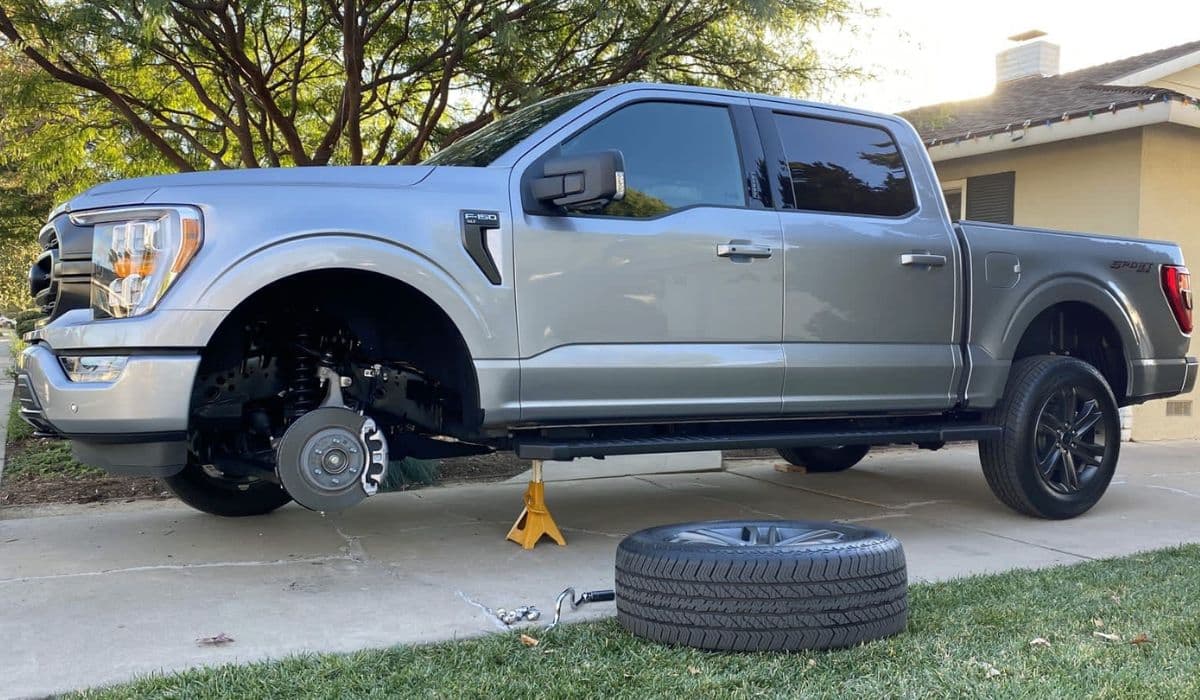
Owning a Ford F-150 means embracing a vehicle built for rugged performance, from hauling heavy loads to navigating off-road trails. However, even this powerhouse relies on its tires for optimal handling, fuel efficiency, and safety. Regular tire rotation and balance every 5,000 miles play a crucial role in extending tire life and maintaining the truck's legendary stability.
Tire rotation involves switching the positions of your wheels to ensure even wear. On a rear-wheel-drive beast like the F-150, front tires often wear faster due to steering forces, while rear ones handle more torque. Without rotation, you might face uneven tread depths, leading to vibrations, reduced traction, and premature replacements. Balancing, on the other hand, corrects weight imbalances in the tire-wheel assembly, preventing shakes at higher speeds and protecting suspension components.
Imagine cruising down a highway at 70 mph only to feel a subtle wobble— that's imbalance creeping in. For F-150 owners who tow trailers or carry payloads, these maintenance steps are non-negotiable. They not only enhance ride comfort but also boost resale value by keeping your truck in top shape. Studies from automotive experts show that consistent rotations can add thousands of miles to tire longevity, making every drive smoother and more reliable.
Understanding Tire Rotation Patterns for the F-150
The Ford F-150 comes in various configurations, including 4x2 and 4x4 models, which influence the ideal rotation pattern. For most setups with non-directional tires, a front-to-rear or cross-pattern works best. This evens out wear caused by the truck's weight distribution and drivetrain.
Front-to-rear: Swap front tires straight back and rear ones forward, ideal for even-wearing all-season tires.
Cross-pattern: Move front left to rear right, front right to rear left, and vice versa for rears—perfect for aggressive off-road tires to combat uneven shoulder wear.
For directional tires (with arrows indicating rotation direction), stick to front-to-rear swaps on the same side to maintain their performance.
Always check your owner's manual for specifics, as Super Duty variants or those with larger wheel sizes might require adjustments. If your F-150 has a full-size spare, include it in the rotation cycle to keep all five tires in similar condition. This practice is especially vital for trucks used in mixed terrains, where mud, gravel, and pavement accelerate uneven degradation.
Tools and Materials Needed for the Job
Before diving in, gather the right gear to make the process efficient and safe. Working on your F-150's tires requires precision to avoid damage.
Essential items include:
A hydraulic floor jack rated for at least 3 tons, given the F-150's hefty curb weight.
Four jack stands for secure elevation—never rely solely on the jack.
A torque wrench to tighten lug nuts to Ford's specified 150 ft-lbs.
Lug nut wrench or impact socket set matching your wheel size (usually 21mm).
Wheel chocks to prevent rolling.
Tire pressure gauge and air compressor for post-rotation checks.
Optional: Wheel weights and balancer if doing balance at home, though professional equipment is recommended for accuracy.
Safety gear like gloves and eye protection is a must, especially when dealing with rusty components on older models. For balancing, a static or dynamic balancer tool ensures even weight distribution.
Step-by-Step Guide to Tire Rotation on Your Ford F-150
Performing a tire rotation at home can be a satisfying DIY task, taking about an hour once you're familiar. Start in a flat, level area with the engine off and parking brake engaged.
First, loosen the lug nuts on all wheels while the truck is on the ground—turn them counterclockwise about half a turn. This prevents straining when elevated.
Next, jack up one corner at a time using designated lift points under the frame. Place jack stands securely and lower the vehicle onto them. Remove the wheels carefully, inspecting for damage like cracks or bulges.
Follow your chosen pattern:
For a standard cross: Move the driver's front to passenger rear, passenger front to driver's rear, driver's rear to driver's front, and passenger rear to passenger front.
Label tires if needed to track positions.
Reinstall wheels, hand-tighten lugs, then lower the truck and torque them in a star pattern for even seating. Finally, check and adjust tire pressures to the door jamb sticker specs—typically 35-40 PSI for stock setups.
Drive a short distance and re-torque after 50 miles, as lugs can settle.
How to Balance Tires for Optimal F-150 Performance
Balancing complements rotation by addressing vibrations from uneven weight. While rotations redistribute wear, balancing fine-tunes the assembly.
If doing it yourself, use a bubble balancer for static checks or a spin balancer for dynamic. Mount the tire on the balancer, spin it, and note heavy spots. Add adhesive weights opposite the imbalance—start small, like 0.25 ounces, and test again.
For precision, visit a shop with road force balancers, which simulate driving conditions. This is ideal for F-150's larger tires, where even minor imbalances amplify at highway speeds.
Signs needing balance include steering wheel shimmy or floor vibrations. Pairing this with rotation every 5,000 miles keeps your truck humming smoothly, enhancing fuel economy and reducing strain on shocks and struts.
Tips for Maintaining Tire Health Beyond Rotation and Balance
To maximize your F-150's tire lifespan, adopt habits that prevent issues before they arise. Monitor tread depth monthly using the penny test— if Lincoln's head is visible, it's time for new ones.
Align wheels annually or after hitting potholes to avoid feathering wear.
Rotate more frequently if you frequently off-road or tow, perhaps every 3,000 miles.
Store seasonal tires properly in cool, dark places to prevent cracking.
Clean wheels regularly to remove brake dust and road salt, preserving balance.
Incorporate visual inspections during oil changes, checking for nails or uneven patterns. For electric variants like the Lightning, balance is even more critical due to instant torque stressing tires differently.
By staying proactive, you'll enjoy the F-150's capabilities longer, turning routine maintenance into a gateway for better adventures.
More from Ford
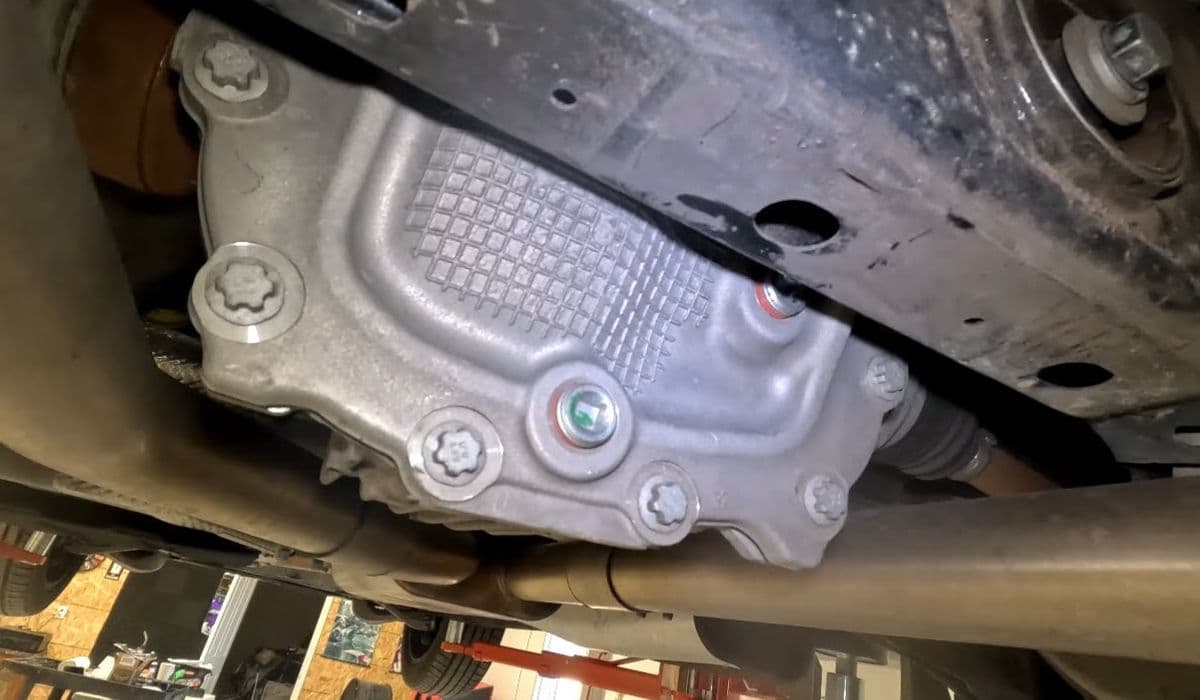
How to Change Rear Differential Fluid on 2020-2024 Ford Explorer (6th Generation) – Complete Step-by-Step Guide
08.12.2025 09:38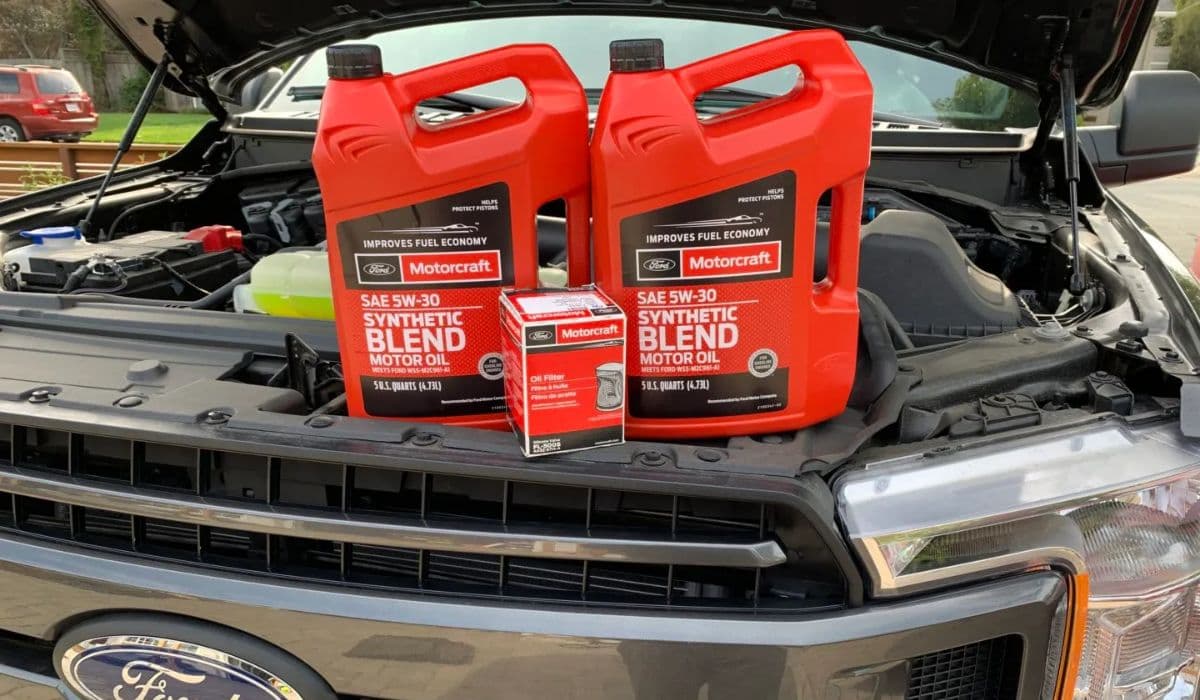
Ford F-150: Oil Change Interval Guide for EcoBoost Engines
27.12.2025 17:14
Ford 6.7L Powerstroke CP4 Pump Failure Prevention: Complete In-Depth Guide
08.12.2025 06:53
2022-2025 Ford Maverick Hybrid Battery Cooling Mod: The Ultimate Performance and Longevity Upgrade
08.12.2025 06:50
F-150 3.5 EcoBoost Spark Plug & Coil Replacement DIY: Complete Step-by-Step Guide
08.12.2025 06:44