Ford F-150 Aluminum Body: Corrosion Protection Tips
The Ford F-150 has long been a staple in the truck world, known for its rugged performance and innovative engineering. Since the 2015 model year, Ford revolutionized the pickup segment by introducing an aluminum body, shedding weight while boosting fuel efficiency and payload capacity. However, aluminum isn't immune to environmental challenges, and corrosion can sneak up if not addressed properly. This guide dives deep into practical strategies to safeguard your F-150's aluminum structure, ensuring it stays pristine for years of reliable service.
Why Aluminum Bodies Matter in the Ford F-150
Aluminum's adoption in the F-150 was a game-changer, reducing the truck's curb weight by up to 700 pounds compared to steel predecessors. This shift enhances acceleration, towing capabilities, and overall handling without sacrificing strength. Yet, aluminum corrodes differently than steel—it's prone to oxidation, pitting, and galvanic corrosion when in contact with dissimilar metals. Factors like road salt, moisture, and pollutants accelerate this process, especially in harsh climates.
Understanding the science behind it helps owners appreciate the need for vigilance. Aluminum forms a natural oxide layer that acts as a barrier, but scratches or contaminants can breach this shield, leading to deeper damage. For F-150 enthusiasts, maintaining this body isn't just about aesthetics; it's about preserving structural integrity and resale value. Regular inspections reveal early signs like white powdery residue or small pits, allowing timely interventions.
Daily Habits to Prevent Corrosion
Incorporating simple routines into your ownership experience can make a significant difference. Start by parking strategically—avoid areas with heavy salt exposure or standing water, which promote electrochemical reactions on the aluminum surface.
Wash your truck frequently, especially after driving on salted roads, to remove corrosive residues.
Use touchless car washes when possible to minimize scratches that expose bare metal.
Dry the vehicle thoroughly after cleaning to prevent water spots that trap minerals.
Apply a protective wax layer every few months to create an additional barrier against elements.
These habits not only combat corrosion but also keep your F-150 looking showroom-fresh. Imagine cruising down highways with a gleaming body that turns heads, all thanks to consistent care.
Effective Cleaning Methods for Aluminum Surfaces
Cleaning isn't just about soap and water; it's an art that protects while enhancing shine. Opt for pH-neutral cleaners designed for aluminum to avoid stripping the protective oxide layer. Harsh chemicals can etch the surface, inviting corrosion.
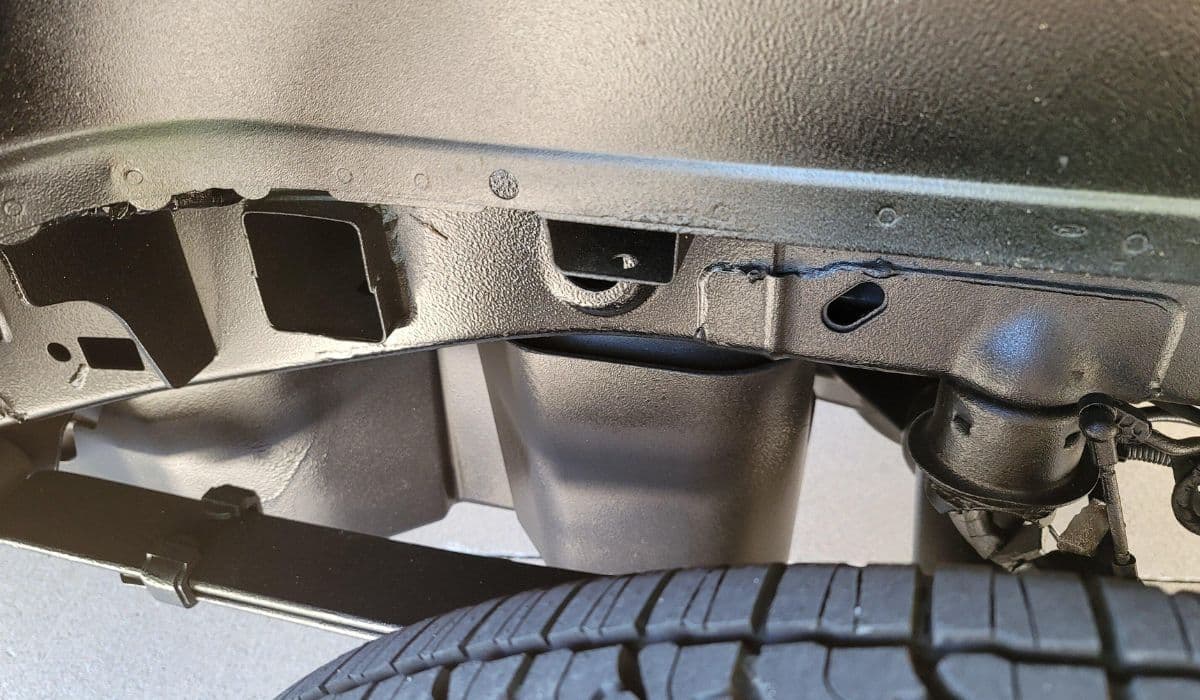
Begin with a pre-rinse to loosen dirt, then gently scrub with a soft microfiber mitt. Focus on undercarriage areas where mud and salt accumulate, as these are corrosion hotspots on the F-150's frame.
Target wheel wells and rocker panels, where debris often hides.
Use compressed air to blow out crevices around badges and trim.
Rinse with deionized water if available to reduce mineral deposits.
Polish with aluminum-specific compounds for a mirror-like finish.
This methodical approach turns maintenance into a rewarding ritual, revealing the truck's engineered beauty layer by layer.
Advanced Protective Treatments
Beyond basics, specialized treatments offer long-term defense. Ceramic coatings, for instance, bond chemically with the aluminum, creating a hydrophobic surface that repels water and contaminants. These can last several years, reducing the frequency of washes.
Another option is clear film protection, applied to vulnerable areas like the hood and fenders. It absorbs impacts from road debris, preventing chips that lead to corrosion entry points.
Consider anodizing touch-ups for exposed edges, enhancing the oxide layer.
Use anti-corrosion sprays on seams and joints to inhibit moisture ingress.
Apply underbody shields to guard against gravel and salt spray.
Explore galvanic inhibitors for areas near steel components, like bolts.
These treatments transform your F-150 into a fortress against the elements, blending technology with practicality for enduring performance.
Navigating Environmental Challenges
Your surroundings play a pivotal role in corrosion risks. In coastal regions, saltwater mist can be relentless, while urban pollution adds acidic particles. Adapt your strategy accordingly— for salty winters, invest in undercarriage rinses at specialized facilities.
In humid climates, ensure proper ventilation in storage to avoid condensation buildup. For off-road adventurers, post-trail cleanings are crucial to remove abrasive mud that grinds away protective layers.
Monitor weather patterns and adjust washing schedules proactively.
Use breathable covers for long-term storage to prevent trapped moisture.
Avoid parking near sprinklers or leaky gutters that introduce constant wetness.
In arid areas, combat dust buildup with regular dusting to prevent abrasive wear.
By tailoring protection to your environment, you turn potential threats into manageable factors, keeping your truck adventure-ready.
Avoiding Pitfalls in Corrosion Management
Even seasoned owners can fall into traps that hasten damage. Overzealous scrubbing with abrasive tools, for example, strips away the aluminum's natural defenses. Similarly, ignoring minor dings allows corrosion to spread unchecked.
Steer clear of mixing metals during repairs—always use compatible fasteners to prevent galvanic reactions. Neglecting the battery area is another oversight, as acid leaks can corrode nearby aluminum.
Resist using household cleaners; they often contain harmful alkalis.
Don't overlook hidden spots like door hinges and tailgate mechanisms.
Avoid pressure washers too close, as high force can dent or pit surfaces.
Skip cheap protectants that wear off quickly, opting for quality instead.
Learning from these common errors empowers you to maintain your F-150 with confidence, ensuring every drive is as thrilling as the first.
The journey of owning a Ford F-150 with its aluminum body is one of innovation and resilience. By embracing these tips, you're not just protecting metal—you're safeguarding a legacy of toughness that defines this iconic truck. Keep exploring the open road with a vehicle that's as durable as your spirit.
More from Ford
Ford F-150: Active Grille Shutter Maintenance and Cleaning Guide
28.12.2025 11:29
Ford Maverick Hybrid: Battery Cooling Fan Cleaning Tips
28.12.2025 08:22
Ford EcoBoost: Preventing Cam Phaser Rattle with Regular Oil Changes
28.12.2025 05:53
Ford F-150: Oil Change Interval Guide for EcoBoost Engines
27.12.2025 17:14
Ford F-150: How to Perform Tire Rotation and Balance Every 5,000 Miles
27.12.2025 14:45