
F-150 vs Tundra vs Ram – 10-Year Cost of Ownership
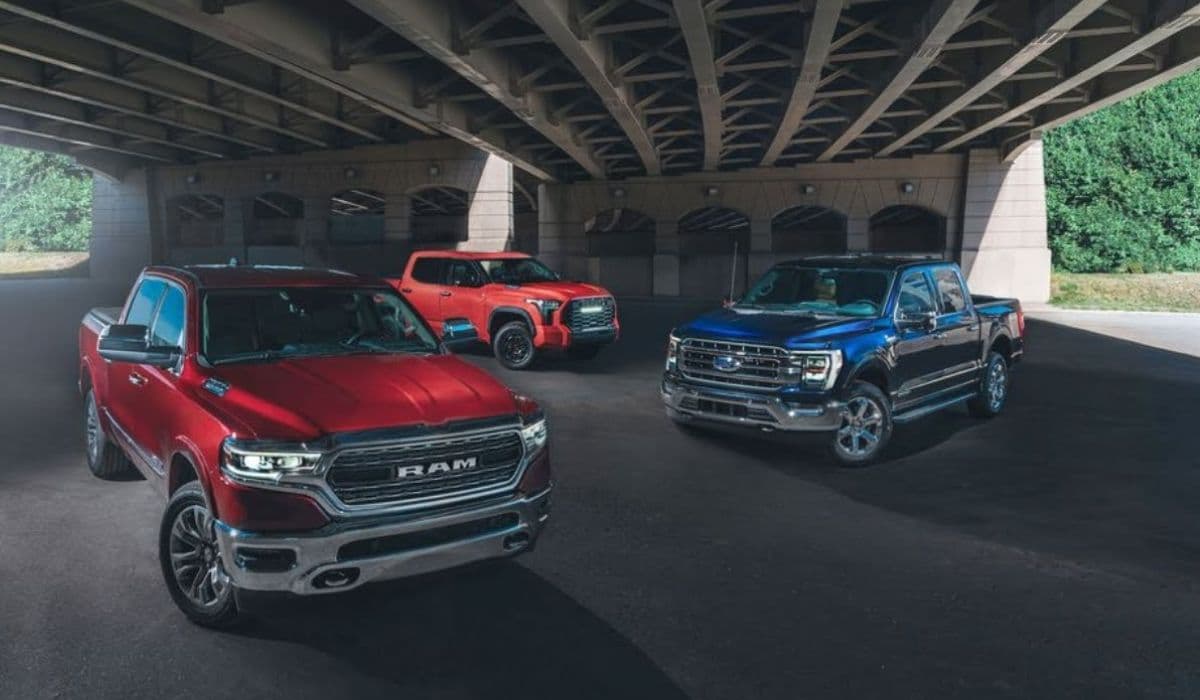
When buyers evaluate full-size pickup trucks for the long haul, the true picture emerges beyond initial appeal. Over a decade, the Ford F-150, Toyota Tundra, and Ram 1500 reveal distinct strengths and trade-offs in total ownership expenses. Factors like fuel efficiency, scheduled and unscheduled repairs, insurance patterns, depreciation behavior, and residual strength shape the financial reality of living with each truck day after day.
Fuel Efficiency and Long-Term Fuel Expenses
Fuel remains one of the largest ongoing costs for any pickup, especially with frequent highway miles or heavy use.
The Ford F-150 benefits from diverse powertrain choices, including efficient turbo V6 options and hybrid variants that deliver noticeably better highway returns compared to traditional V8 setups in competitors.
The Ram 1500 counters with smooth inline-six engines (some with mild-hybrid assistance) that provide competitive efficiency in real-world mixed driving, often closing the gap on long trips.
The Toyota Tundra tends to trail in observed fuel economy, particularly in non-hybrid configurations, where larger displacement and truck weight push consumption higher over tens of thousands of miles.
Owners who drive 15,000+ miles annually see this difference compound significantly, making powertrain selection a key lever for controlling decade-long fuel spending.
Maintenance and Repair Patterns
Reliability directly influences how much owners spend at the service bay across ten years.
Toyota Tundra builds its reputation on exceptional durability and lower frequencies of major failures. Many components last longer before needing replacement, and the brand's conservative engineering keeps unexpected repairs infrequent.
Ford F-150 offers widespread service availability and a massive aftermarket ecosystem, which helps keep parts affordable and labor accessible. Routine maintenance stays reasonable, though certain model years or specific systems (electronics, turbo-related items) can introduce variability.
Ram 1500 has made strong gains in recent generations, posting solid reliability ratings and lower-than-average annual maintenance figures according to industry trackers. Owners report fewer catastrophic issues when following recommended service intervals.
Unscheduled repairs—whether suspension wear from towing or electrical gremlins—tend to hit hardest after warranty expiration, so brand track records matter immensely in years 6–10.
Depreciation and Resale Strength
How much value a truck retains after years of use dramatically affects net cost.
Toyota Tundra consistently leads in holding value, thanks to perceptions of bulletproof longevity and strong demand in the used market. Many examples command premium prices even at high mileage.
Ford F-150 benefits from enormous sales volume and brand loyalty, creating a deep, active resale pool that keeps used prices firm across most trims and configurations.
Ram 1500 performs respectably in recent years, particularly with refreshed designs and improved interiors that appeal to buyers seeking luxury-oriented trucks on the second-hand market.
Trucks that depreciate more slowly effectively reduce the ownership burden, as a higher trade-in or sale value offsets earlier expenditures.
Insurance and Ancillary Ownership Costs
Insurance premiums reflect repair complexity, safety ratings, theft rates, and claim history.
The Ford F-150 often sees moderate rates due to high volume (parts availability lowers repair bills) and strong safety scores across configurations.
Ram 1500 can carry slightly higher premiums in some regions because of past perceptions, though newer models with advanced driver aids have narrowed the gap.
Toyota Tundra frequently enjoys favorable insurance costs, tied to its reputation for fewer severe incidents and lower overall claim severity.
Additional expenses—tires (which wear faster under load), registration fees varying by location, and accessories—add smaller but cumulative layers to the decade-long total.
Powertrain and Capability Considerations in Cost Context
Capability influences real-world use and, indirectly, expenses.
Ford F-150 excels with maximum towing and payload ratings in many configurations, plus innovative features like onboard power generation that deliver practical value for work or recreation without necessarily inflating long-term costs.
Ram 1500 prioritizes ride comfort and refinement, often using air suspension that reduces fatigue on long hauls while maintaining strong towing numbers.
Toyota Tundra delivers dependable torque and hybrid options that boost low-end pull, appealing to owners who value consistent performance without frequent visits to the shop.
Choosing a truck that matches actual usage avoids unnecessary wear, preserving components and minimizing repair frequency.
Real-World Ownership Experience Over a Decade
Owners who keep trucks long-term often highlight different priorities.
Those prioritizing minimal surprises and maximum retained value frequently gravitate toward the Tundra for its proven endurance and strong standing in used markets.
Drivers seeking versatility, innovation, and broad support networks appreciate the F-150 ecosystem, where parts, upgrades, and service options abound.
Enthusiasts valuing cabin luxury, smooth dynamics, and recent engineering advancements find the Ram 1500 rewarding, especially as newer generations address earlier reliability concerns.
Each truck carves its niche: one leans toward legendary durability, another toward widespread practicality, and the third toward elevated daily refinement.
The Ford F-150, Toyota Tundra, and Ram 1500 all deliver capable full-size performance, yet their 10-year ownership profiles diverge meaningfully. Thoughtful buyers weigh driving habits, service access, and long-term priorities to identify which truck aligns best with their financial and practical reality over the long road ahead.
More from Ford
How to Permanently Fix F-150 EcoBoost Gurgling Noise with the Condensation Drain Mod
08.12.2025 09:31
How to Change Rear Differential Fluid on 2020-2024 Ford Explorer (6th Generation) – Complete Step-by-Step Guide
08.12.2025 09:38
Ford 6.7L Powerstroke CP4 Pump Failure Prevention: Complete In-Depth Guide
08.12.2025 06:53
2022-2025 Ford Maverick Hybrid Battery Cooling Mod: The Ultimate Performance and Longevity Upgrade
08.12.2025 06:50
F-150 3.5 EcoBoost Spark Plug & Coil Replacement DIY: Complete Step-by-Step Guide
08.12.2025 06:44