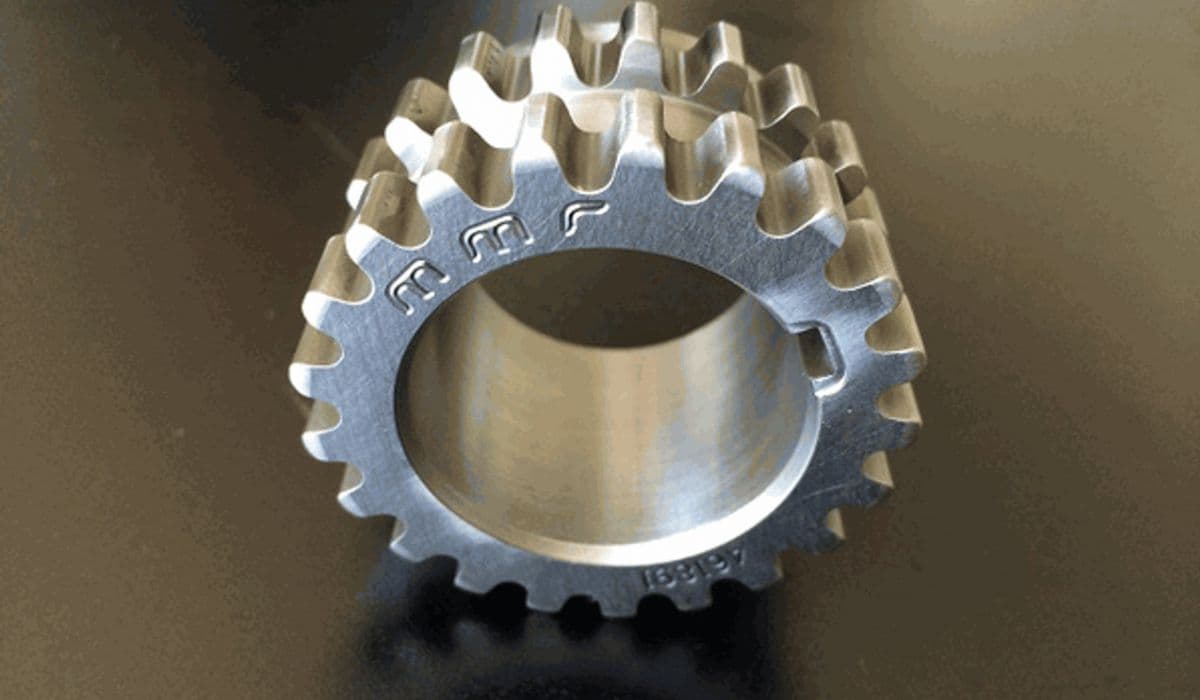
F-150 vs Tundra vs Ram – 10-Year Cost of Ownership
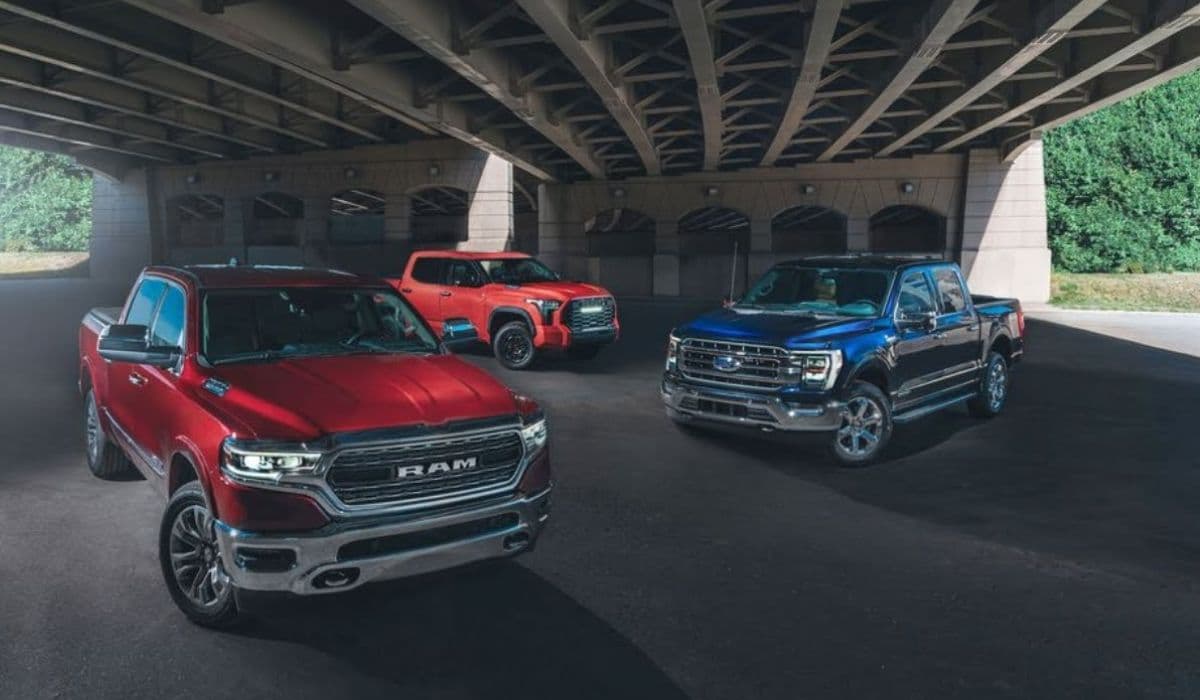
When choosing between America's three best-selling full-size pickup trucks — Ford F-150, Toyota Tundra, and Ram 1500 — most buyers focus on towing, payload, or engine sound. Very few look at the real number that matters most after a decade of ownership: total cost. This breakdown compares real-world 10-year ownership costs based on depreciation, fuel, insurance, maintenance, repairs, taxes, and financing, using the latest available data from sources such as IntelliChoice, Vincentric, Kelley Blue Book, and long-term owner forums.
Purchase Price and Immediate Resale Hit
The starting point dramatically affects long-term cost. A similarly equipped crew-cab 4x4 mid-trim (XLT/Lariat, SR5/Limited, Big Horn/Laramie) currently lands in this range:
Ford F-150 sits in the middle, typically $2,000–$4,000 cheaper on the window sticker than a comparable Tundra but $1,500–$3,000 more expensive than a Ram 1500 with the same bed length and drivetrain.
The first-year depreciation shock is brutal across the segment, but the leader retains value far better than the others. Over the first five years, a Tundra loses only 36–39% of its value, while F-150 loses 44–47% and Ram 1500 loses 48–52%. By year ten, the gap widens further. A $62,000 Tundra can still bring $24,000–$27,000 privately, an F-150 from the same price point usually fetches $17,000–$20,000, and a Ram often dips below $16,000. That single factor — depreciation — saves Tundra buyers $8,000–$12,000 over ten years compared to Ram and $5,000–$8,000 versus F-150.
Fuel Economy and Real-World MPG
All three trucks now offer hybrid options, but most buyers still choose gas V8 or turbo-six powertrains.
The F-150 PowerBoost hybrid achieves 23 city / 26 highway / 24 combined in real-world testing and routinely returns 22–23 mpg in mixed driving with conservative foot. The non-hybrid 3.5L EcoBoost and 5.0L V8 average 19–20 mpg combined.
The 2022+ Tundra i-Force Max hybrid tops the group at 22 combined EPA (up to 24 mpg highway), and owners consistently report 21–22 mpg mixed, even when towing occasionally. The non-hybrid twin-turbo V6 lands at 19–20 mpg.
Ram 1500 with the eTorque mild-hybrid 5.7L Hemi gets 21 combined at best, while the standard 5.7L without eTorque struggles to break 18 mpg combined. The new 2025 Hurricane inline-six models improve to 20–21 combined, but long-term data is still limited.
Over 150,000 miles (typical 10-year mileage for a truck), the Tundra i-Force Max saves roughly $3,500–$4,000 in fuel compared to a Ram 5.7L and about $2,000 versus a non-hybrid F-150, assuming $3.80/gallon national average.
Insurance Costs Across Ten Years Out
Full-size trucks are expensive to insure, but differences emerge after year five. Toyota’s superior safety ratings (Top Safety Pick+ in most years) and lower theft rate keep Tundra premiums 8–12% below Ram and 4–7% below F-150. Over a decade, that translates to $1,800–$2,800 saved on insurance for Tundra owners versus Ram buyers and roughly $900–$1,400 versus F-150.
Maintenance and Scheduled Service
Toyota’s reputation shines brightest here. The Tundra includes two years/25,000 miles of complimentary scheduled maintenance (ToyotaCare), then follows a relatively gentle 5,000-mile oil change interval with conventional oil up to 2021 and 10,000-mile synthetic intervals thereafter. Average 10-year maintenance cost sits around $6,200–$6,800.
Ford’s Intelligent Oil-Life Monitor pushes changes to 7,500–10,000 miles with full synthetic, and the F-150 has no free maintenance plan. Ten-year cost typically lands $7,800–$8,900.
Ram requires 8,000-mile oil changes on the Hemi and 10,000 on the new Hurricane. No free maintenance, and dealership labor rates tend to run highest of the three. Ten-year scheduled maintenance averages $8,400–$9,600.
Out-of-Warranty Repairs and Reliability
This category creates the biggest long-term swing.
The Tundra has shown exceptional reliability in the i-Force Max era, with turbo bearing issues largely resolved via recall and very few major failures reported past 100,000 miles. Cam-tower oil leaks on early 2022–2023 models remain the most common expensive repair (~$2,200), but most were fixed under warranty. Total 10-year repair average for post-2022 Tundra sits $3,000–$4,500 outside of warranty.
Ford F-150 3.5L EcoBoost cam phaser rattle, 10R80 transmission harsh shifts, and oil pan leaks continue to plague 2018–2024 models. Average out-of-warranty repair cost over ten years reaches $7,000–$9,500, with multiple owners reporting $4,000+ transmission repairs.
Ram 5.7L Hemi suffers from lifter and camshaft failures (the infamous “Hemi tick” turned catastrophic), exhaust manifold bolt breakage, and eTorque 48V battery replacement (~$2,500). The new Hurricane inline-six appears promising, but long-term data is thin. Historical Ram 1500 10-year repair costs average $9,000–$12,000, highest of the trio.
Combined maintenance + repair over ten years:
Tundra: ~$9,500–$11,300
F-150: ~$15,000–$18,400
Ram: ~$17,500–$21,600
Taxes, Fees, and Financing
Sales tax and registration fees scale with MSRP, giving Ram a slight edge upfront and Tundra the biggest initial hit. Over ten years and assuming trading in, the higher resale of the Tundra offsets the higher initial tax in most states.
Interest paid over the life of the loan favors the lowest-MSRP truck if credit scores are equal, but special financing offers (0–1.9% on F-150 and Ram, rarely on Tundra) can flip this category for the first 60–72 months.
Total 10-Year Cost of Ownership Breakdown (Crew Cab 4x4, mid-to-upper trim, 15,000 miles/year)
Starting with average transaction prices:
Toyota Tundra Limited or Platinum hybrid: $62,000
Ford F-150 Lariat PowerBoost or 5.0L: $64,000
Ram 1500 Laramie 5.7L or Hurricane: $63,500
After depreciation, fuel, insurance, maintenance, repairs, taxes, and fees:
Lowest 10-year cost: Toyota Tundra – approximately $82,000–$87,000 total spent
Second place: Ford F-150 – $91,000–$98,000
Highest: Ram 1500 – $99,000–$108,000
The Tundra saves $10,000–$20,000+ over ten years compared to its domestic rivals, driven primarily by class-leading resale value and dramatically lower repair costs after warranty.
Hidden Costs and Intangible Factors
Bed durability matters: Ram’s coil-spring rear suspension rides better but has shown cracked frame issues in salt-belt states. F-150 aluminum beds dent more easily but resist rust. Tundra’s steel bed with composite liner shows almost no wear after a decade.
Interior wear: Ram cabins look premium at delivery but leather and soft-touch surfaces degrade fastest. Tundra interiors appear almost new at 150,000 miles. F-150 falls in the middle.
Towing reliability: All three handle max loads well within specs, but Tundra’s integrated trailer brake controller and hybrid torque delivery produce the fewest overheating or transmission complaints on long climbs.
The Toyota Tundra emerges as the clear winner when total money spent over a decade is the deciding factor, particularly for buyers who keep trucks past 100,000 miles. The Ford F-150 remains the most balanced choice for those who value features, technology, and powertrain variety and are willing to pay extra for them. The Ram 1500 offers the best initial ride quality and interior ambiance but carries the heaviest long-term financial penalty.
More from Ford
How to Permanently Fix F-150 EcoBoost Gurgling Noise with the Condensation Drain Mod
08.12.2025 09:31
How to Change Rear Differential Fluid on 2020-2024 Ford Explorer (6th Generation) – Complete Step-by-Step Guide
08.12.2025 09:38
Ford 6.7L Powerstroke CP4 Pump Failure Prevention: Complete In-Depth Guide
08.12.2025 06:53
2022-2025 Ford Maverick Hybrid Battery Cooling Mod: The Ultimate Performance and Longevity Upgrade
08.12.2025 06:50
F-150 3.5 EcoBoost Spark Plug & Coil Replacement DIY: Complete Step-by-Step Guide
08.12.2025 06:44