
Ford 10R80 Transmission: Early Fluid Change for Harsh Shifting Prevention
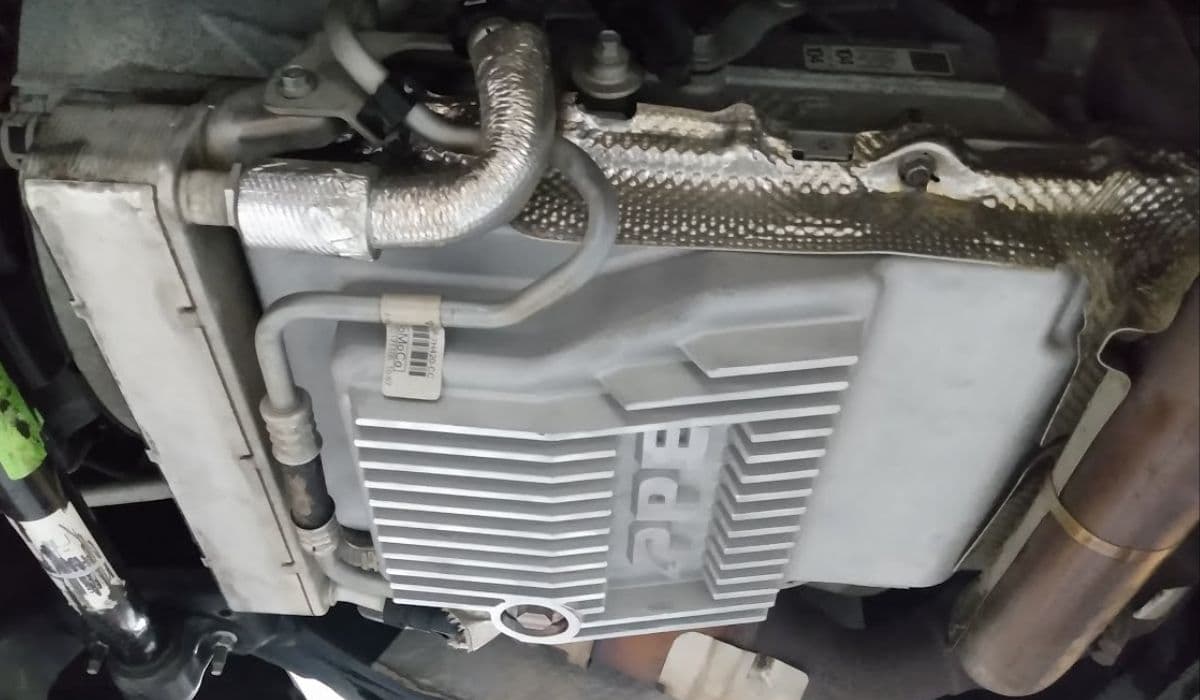
The Ford 10R80 is a sophisticated 10-speed automatic transmission co-developed with General Motors, making its debut in vehicles like the Ford F-150, Mustang, and Expedition starting around 2017. This transmission stands out for its ability to deliver smooth power delivery, improved fuel efficiency, and enhanced towing capabilities through its multiple gear ratios. Unlike older 6-speed units, the 10R80 uses advanced electronic controls and hydraulic systems to optimize shifting based on driving conditions, from city commutes to highway cruises.
Engineered for durability, it incorporates lightweight materials and precise engineering to handle high torque outputs in powerful engines. However, its complexity means that even minor issues can lead to noticeable performance hiccups, prompting owners to seek proactive solutions.
Common Issues with the 10R80: Harsh Shifting Explained
Harsh shifting, often described as jerky or abrupt gear changes, is one of the most reported concerns among 10R80 owners. This problem can manifest as a clunking sensation during acceleration, delayed engagement, or rough transitions between gears, especially in lower speeds or under load.
Several factors contribute to this:
Degraded fluid quality: Over time, transmission fluid breaks down due to heat and contamination, losing its lubricating properties.
Clutch wear: The multi-plate clutches in the 10R80 can slip or grab unevenly if not properly maintained.
Valve body malfunctions: Solenoids and valves may accumulate debris, disrupting hydraulic pressure.
Software glitches: Early models sometimes required updates to refine shift algorithms.
These issues not only affect driving comfort but can escalate to more severe damage if ignored, highlighting the need for timely interventions.
The Role of Transmission Fluid in the 10R80
Transmission fluid serves as the lifeblood of the 10R80, performing multiple critical functions. It lubricates moving parts to reduce friction, cools the system by dissipating heat generated during operation, and acts as a hydraulic medium to facilitate smooth gear shifts. In the 10R80's design, the fluid must maintain specific viscosity levels to ensure precise control over the clutches and bands.
High-quality synthetic fluids are recommended for this transmission, as they resist thermal breakdown better than conventional options. Contaminants like metal shavings from normal wear or moisture ingress can compromise fluid integrity, leading to inefficiencies. Regular monitoring of fluid condition—through color, smell, and level checks—helps detect early signs of trouble.
Why Early Fluid Change Matters for Harsh Shifting Prevention
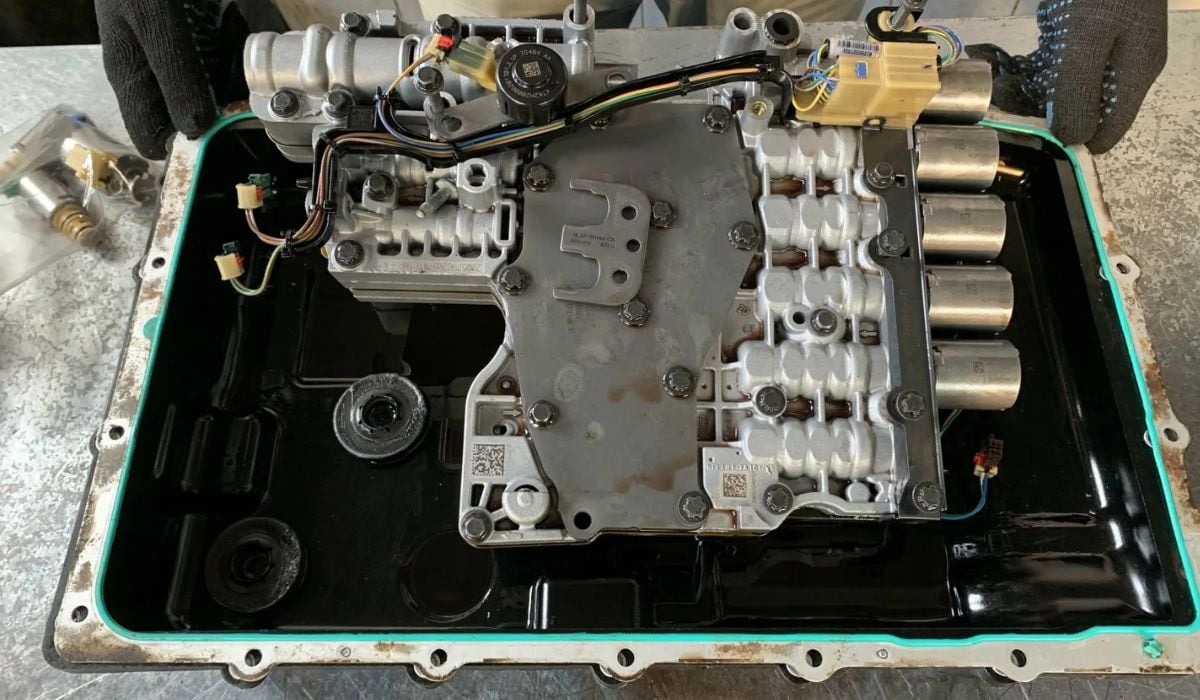
Performing an early fluid change in the Ford 10R80 can be a game-changer for preventing harsh shifting. Unlike waiting for the manufacturer's recommended interval, which might span tens of thousands of miles, an early swap—around 30,000 to 50,000 miles—removes accumulated debris before it causes significant wear.
This proactive approach addresses potential problems at their root:
Removes contaminants: Fresh fluid flushes out particles that could clog filters or valves.
Restores lubrication: New fluid ensures optimal friction characteristics for smoother clutch engagement.
Prevents overheating: Clean fluid transfers heat more effectively, reducing the risk of component warping.
Extends component life: By minimizing stress on solenoids and clutches, it delays the onset of harsh shifts.
Owners who adopt this strategy often report a noticeable improvement in shift quality, transforming a potentially frustrating drive into a seamless experience.
Step-by-Step Guide to Performing an Early Fluid Change
While professional service is advisable for those unfamiliar with automotive work, understanding the process empowers owners to oversee it effectively. Begin by gathering necessary tools like a fluid pump, drain pan, and the correct specification fluid—typically Mercon ULV for the 10R80.
Key steps include:
Warm up the vehicle: Drive for about 10-15 minutes to heat the fluid for better drainage.
Drain the old fluid: Locate the drain plug on the transmission pan and remove it carefully to avoid spills.
Replace the filter: If accessible, swap the internal filter to ensure clean flow.
Refill with new fluid: Use a funnel or pump to add the precise amount, checking levels with the dipstick.
Test drive and recheck: After refilling, cycle through gears and verify for leaks or irregularities.
Always consult your vehicle's manual for model-specific nuances, and consider a fluid flush for thorough cleaning if partial drains aren't sufficient.
Benefits of Preventive Maintenance on the 10R80
Embracing preventive maintenance through early fluid changes yields long-term advantages beyond just averting harsh shifting. It fosters overall transmission health, potentially avoiding costly repairs down the line.
Notable benefits encompass:
Enhanced performance: Smoother shifts contribute to better acceleration and responsiveness.
Improved fuel economy: Optimal fluid conditions reduce energy losses in the drivetrain.
Increased reliability: Regular care builds resilience against extreme conditions like towing or off-roading.
Peace of mind: Knowing your transmission is well-maintained allows for worry-free long trips.
By integrating this into your routine, you align with a philosophy of vehicle longevity that pays dividends in driving enjoyment.
Additional Tips for Maintaining Your 10R80 Transmission
To maximize the effectiveness of early fluid changes, incorporate complementary habits into your maintenance regimen. These practices help sustain the transmission's peak condition over time.
Consider these strategies:
Monitor driving habits: Avoid aggressive acceleration or sudden stops that strain the system.
Schedule regular inspections: Check for leaks or unusual noises during routine oil changes.
Update software: Ensure any available firmware enhancements are applied to refine shift logic.
Use quality additives sparingly: Only if recommended, as they can sometimes alter fluid properties unpredictably.
Adapt to climate: In extreme temperatures, more frequent checks may be warranted to combat fluid degradation.
Staying vigilant transforms potential issues into manageable tasks, keeping your Ford's 10R80 performing like new.
More from Ford
Ford F-150: Active Grille Shutter Maintenance and Cleaning Guide
28.12.2025 11:29
Ford Maverick Hybrid: Battery Cooling Fan Cleaning Tips
28.12.2025 08:22
Ford EcoBoost: Preventing Cam Phaser Rattle with Regular Oil Changes
28.12.2025 05:53
Ford F-150: Oil Change Interval Guide for EcoBoost Engines
27.12.2025 17:14
Ford F-150: How to Perform Tire Rotation and Balance Every 5,000 Miles
27.12.2025 14:45