
Ford F-150: Oil Change Interval Guide for EcoBoost Engines
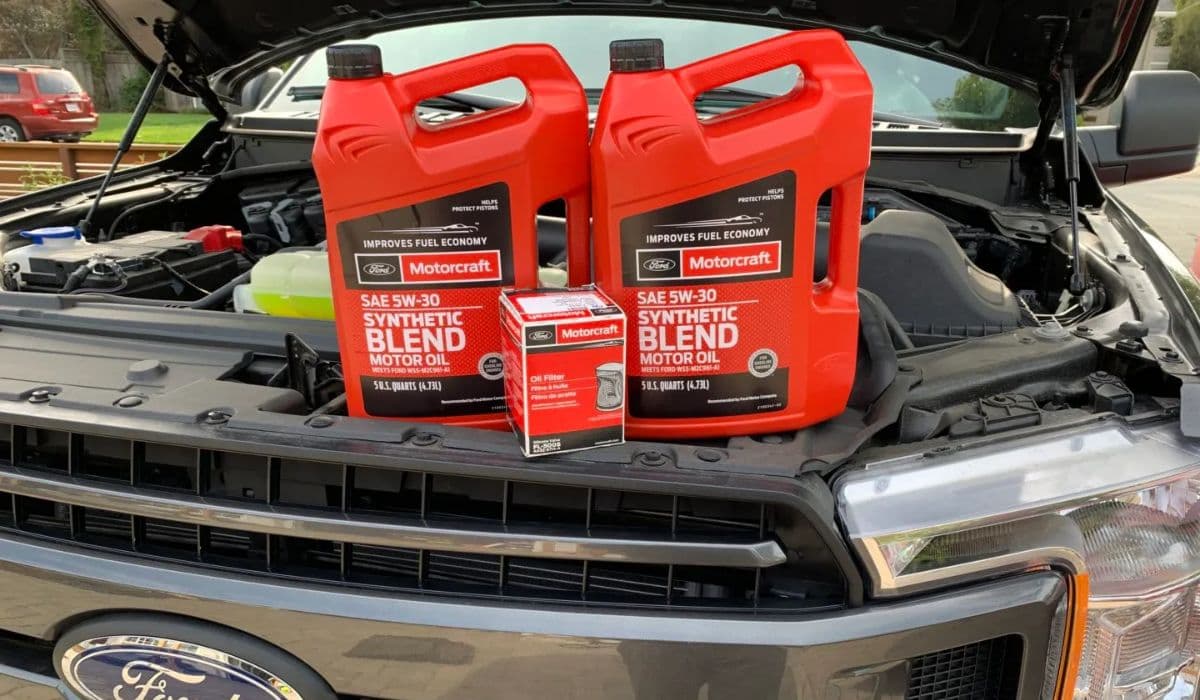
The Ford F-150 has long been a staple in the truck world, blending rugged capability with innovative engineering. At the heart of many modern F-150 models lies the EcoBoost engine family, which combines turbocharging and direct fuel injection to deliver impressive power without sacrificing efficiency. These engines, ranging from the punchy 2.7-liter twin-turbo V6 to the robust 3.5-liter variant, power everything from daily commutes to heavy towing tasks. What sets EcoBoost apart is its ability to produce V8-like performance from smaller displacements, making it a favorite among truck enthusiasts who crave both torque and fuel savings.
EcoBoost engines thrive on precise maintenance, and oil changes play a pivotal role in their longevity. Unlike traditional naturally aspirated engines, the turbochargers in EcoBoost setups generate higher heat and stress, which can accelerate oil degradation. Ignoring this can lead to reduced performance, increased wear on components like the turbo bearings, and even costly repairs down the line. By following a tailored oil change schedule, owners can ensure their F-150 remains responsive and reliable, whether navigating city streets or off-road trails.
Recommended Oil Change Intervals for Different EcoBoost Models
Ford provides guidelines based on engine type and driving conditions, but the Intelligent Oil-Life Monitor (IOLM) in newer F-150s takes the guesswork out of scheduling. This system uses algorithms to track factors like engine temperature, load, and mileage, displaying a percentage of oil life remaining on the dashboard.
For the 2.7L EcoBoost, commonly found in base and mid-trim F-150s, the standard interval under normal driving is every 7,500 to 10,000 miles or once a year, whichever comes first. This engine's compact design benefits from frequent oil refreshes to maintain turbo efficiency.
The 3.5L EcoBoost, powering higher trims and the high-output Raptor variants, follows a similar pattern but may require more frequent changes if used for towing or in extreme conditions. Ford suggests 5,000 to 7,500 miles for severe duty, such as frequent short trips or dusty environments.
Hybrid versions, like the PowerBoost with its 3.5L EcoBoost paired with electric assistance, extend intervals slightly due to reduced engine runtime, often up to 10,000 miles under ideal scenarios. Always consult the owner's manual for model-specific details, as updates in engine calibration can influence these recommendations.
Factors Influencing Oil Change Frequency
Several elements can shorten or extend the time between oil changes, turning a standard schedule into a personalized one. Driving habits top the list—aggressive acceleration or constant stop-and-go traffic heats the oil faster, breaking down its protective properties.
Environmental conditions also matter:
Extreme temperatures, whether scorching summers or freezing winters, cause oil to thicken or thin, reducing its effectiveness.
Dusty or off-road adventures introduce contaminants that clog filters and degrade lubrication.
Towing heavy loads stresses the engine, generating more heat and necessitating earlier changes.
Fuel quality plays a subtle role; lower-octane gas can lead to incomplete combustion, introducing more byproducts into the oil. Additionally, the age of the vehicle affects intervals—newer F-150s with advanced oil monitoring might stretch to 10,000 miles, while older models benefit from conservative 5,000-mile swaps to prevent sludge buildup in the turbo lines.
Signs It's Time for an Oil Change
Even with a monitor, keen observation helps catch issues early. Watch for these indicators that your EcoBoost engine needs fresh oil:
Dashboard warnings: The oil change light or low oil pressure alert is a direct call to action.
Unusual engine noises: Knocking or ticking sounds from the turbo area suggest lubrication breakdown.
Reduced performance: Sluggish acceleration or decreased fuel efficiency points to contaminated oil hindering efficiency.
Dark or gritty oil: Checking the dipstick reveals if the oil has turned from golden to black and sludgy.
Exhaust smoke: Blue-tinged smoke could mean oil burning due to worn seals, exacerbated by overdue changes.
Addressing these promptly keeps the engine's intricate components, like the variable geometry turbos, in top shape, preserving that signature EcoBoost punch.
Choosing the Right Oil for EcoBoost Engines
Selecting appropriate oil is crucial for EcoBoost performance. Ford recommends synthetic blends or full synthetics meeting API SN or higher specifications, with viscosities like 5W-30 for most climates. These oils handle the high shear forces from turbo spooling, maintaining film strength under pressure.
Key considerations include:
Detergent additives to combat carbon deposits common in direct-injection systems.
Anti-wear agents that protect camshafts and bearings during cold starts.
Thermal stability to withstand the heat from twin turbos without breaking down.
Avoid conventional oils, as they can't cope with the demands, potentially voiding warranties. Synthetic options ensure better flow in cold weather and superior protection during high-rev scenarios, like highway merging or trail climbing.
Step-by-Step Oil Change Process for F-150 Owners
Performing an oil change at home can be rewarding for DIY enthusiasts, fostering a deeper connection with the vehicle. Start by gathering tools: a wrench set, oil filter remover, drain pan, and fresh oil plus filter.
Warm the engine slightly to ease drainage, then elevate the truck safely on jack stands. Locate the drain plug under the oil pan—remove it carefully to avoid spills. Once drained, replace the plug with a new washer if needed.
Next, swap the filter:
Unscrew the old one, wiping the mounting surface clean.
Apply a light oil coat to the new filter's gasket for a secure seal.
Hand-tighten plus a quarter turn.
Refill with the specified amount—typically 6 to 8 quarts for EcoBoost V6s—checking the dipstick to avoid overfilling. Run the engine briefly, then recheck levels. Dispose of old oil responsibly at a recycling center.
This process not only saves time but also allows inspection of undercarriage components, catching potential issues early.
Maximizing Engine Longevity Through Consistent Maintenance
Beyond oil changes, holistic care amplifies EcoBoost durability. Regular filter replacements—air, fuel, and cabin—prevent contaminants from reaching the oil. Monitoring coolant levels is vital, as overheating strains the lubrication system.
Incorporate routine checks into your driving routine:
Inspect belts and hoses for cracks every few months.
Use high-quality fuel to minimize deposits.
Schedule professional tune-ups annually to calibrate the engine management system.
By treating oil changes as part of a broader maintenance strategy, F-150 owners can enjoy seamless performance for hundreds of thousands of miles, turning their truck into a lifelong companion for work and adventure.
More from Ford
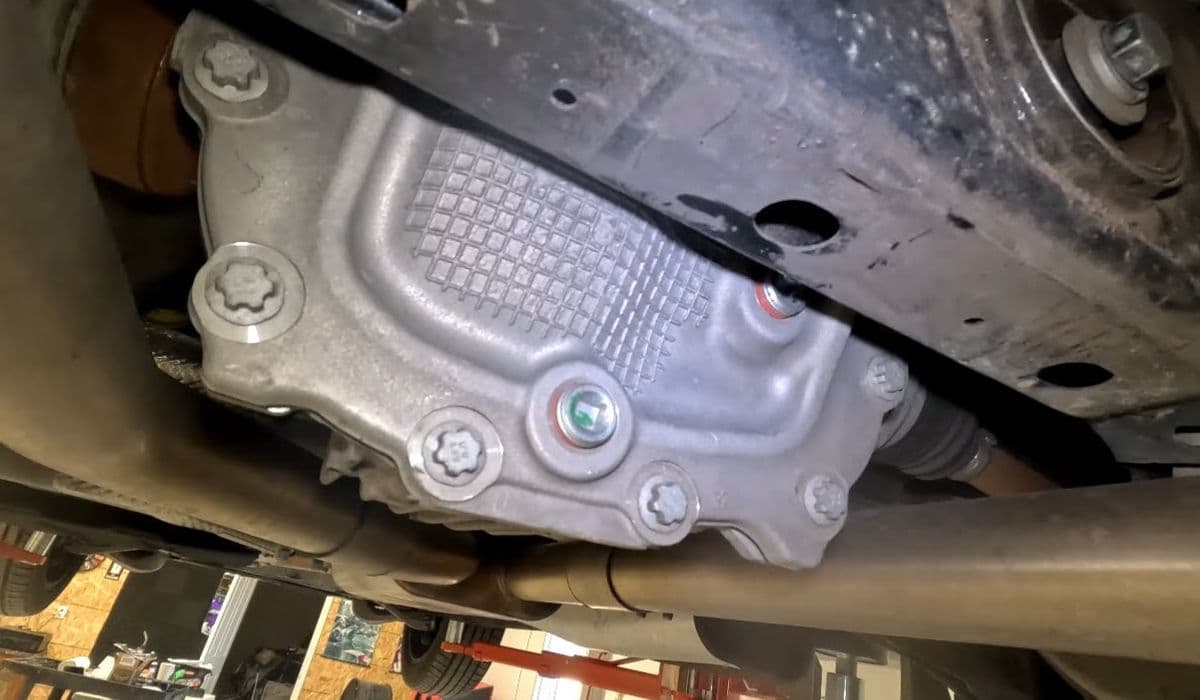
How to Change Rear Differential Fluid on 2020-2024 Ford Explorer (6th Generation) – Complete Step-by-Step Guide
08.12.2025 09:38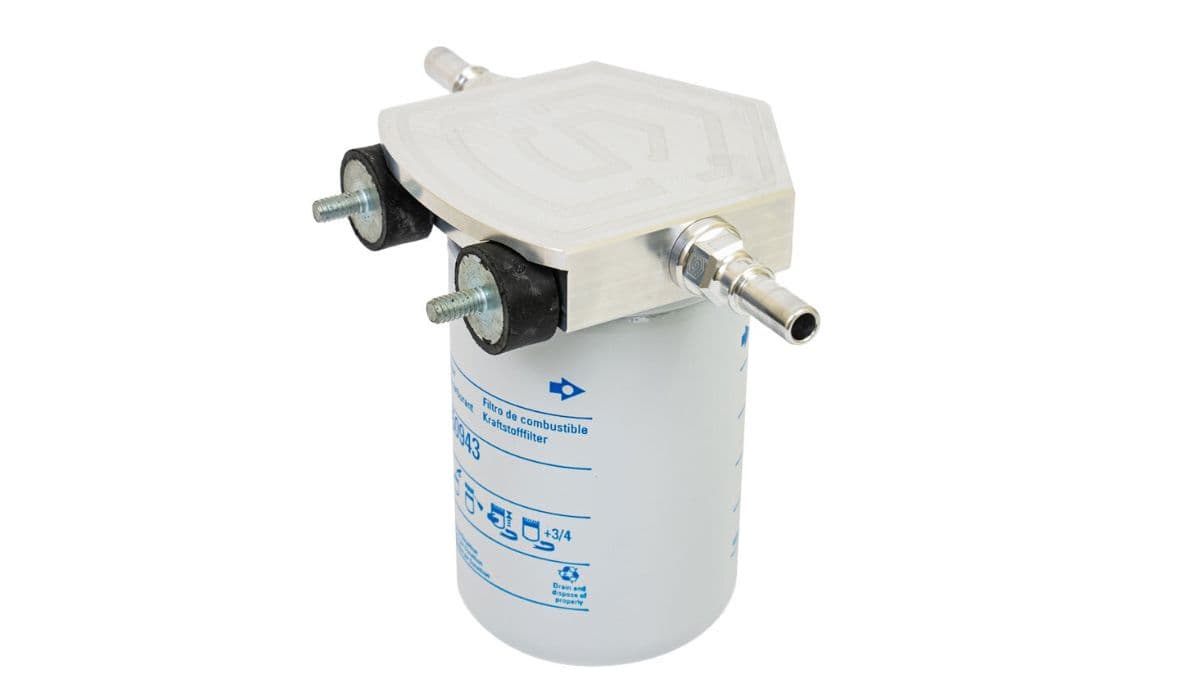
Ford 6.7L Powerstroke CP4 Pump Failure Prevention: Complete In-Depth Guide
08.12.2025 06:53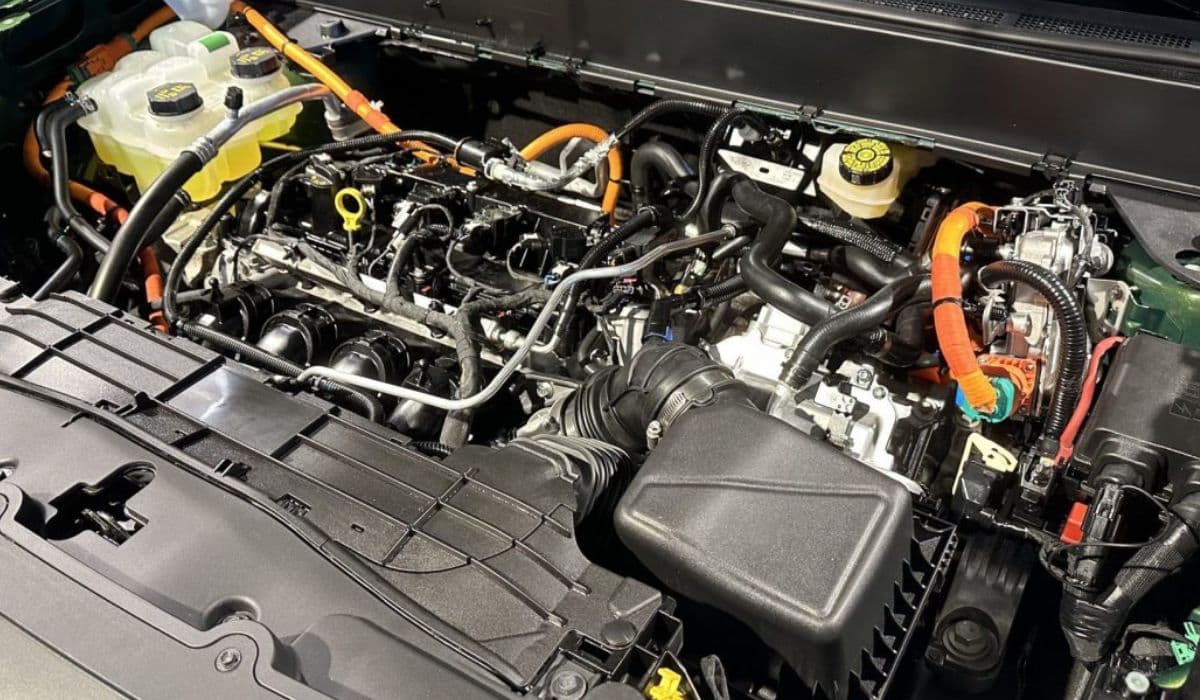
2022-2025 Ford Maverick Hybrid Battery Cooling Mod: The Ultimate Performance and Longevity Upgrade
08.12.2025 06:50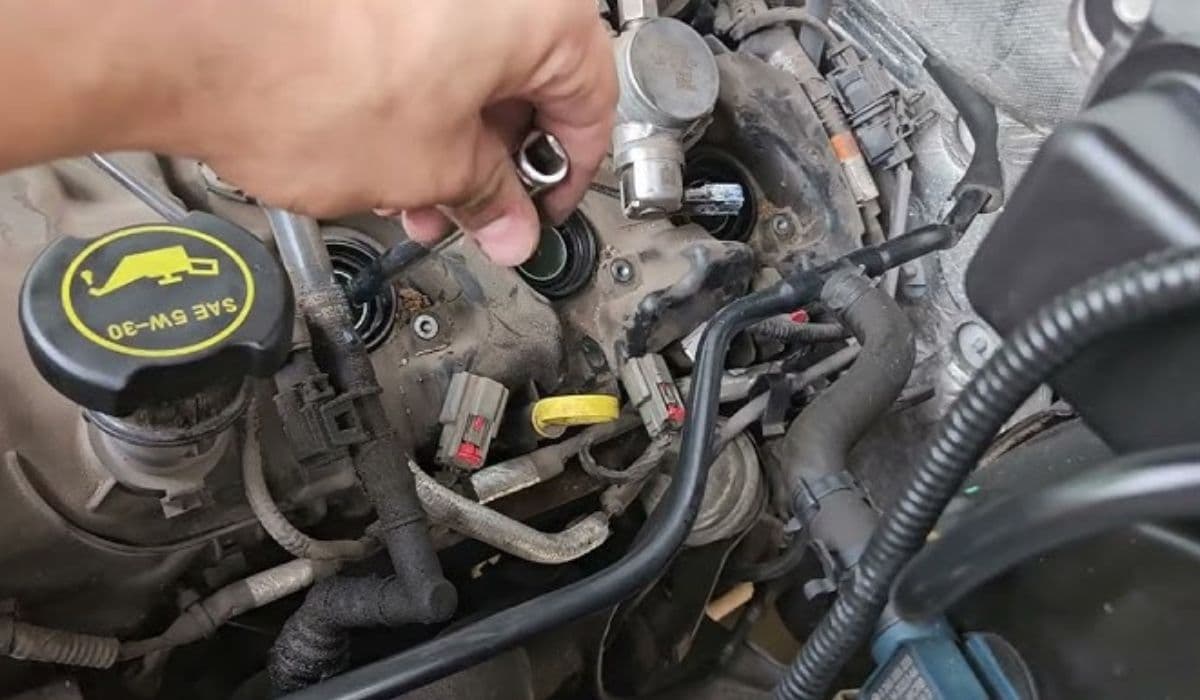
F-150 3.5 EcoBoost Spark Plug & Coil Replacement DIY: Complete Step-by-Step Guide
08.12.2025 06:44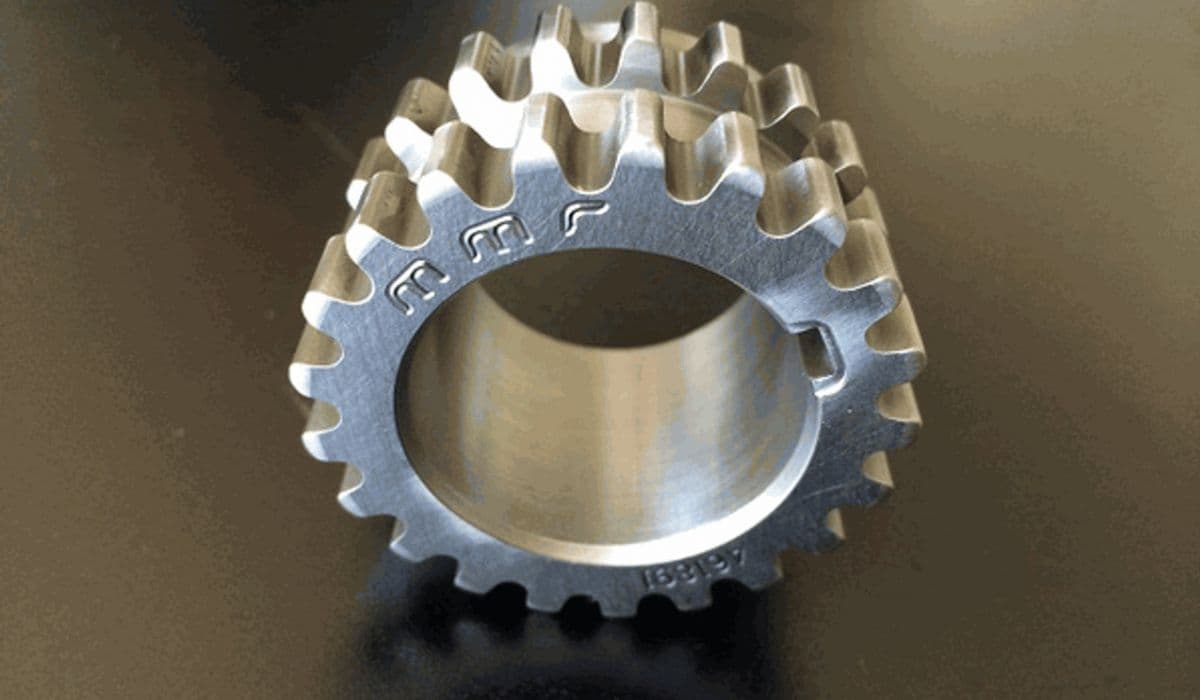
Mustang GT 2018-2023 Oil Pump Gear Failure: DIY Inspection Guide
08.12.2025 06:34