Ford EcoBoost: Spark Plug Replacement Interval for Longevity
Ford's EcoBoost engines represent a pinnacle of modern automotive engineering, blending turbocharging with direct fuel injection to deliver impressive power from smaller displacements. Introduced in 2009, this technology has revolutionized vehicles like the F-150, Mustang, and Explorer, offering a balance of performance, fuel efficiency, and reduced emissions. At the heart of these engines lies the spark plug, a seemingly simple component that plays a critical role in igniting the air-fuel mixture under high-pressure conditions. In EcoBoost setups, spark plugs must withstand extreme temperatures and pressures, often exceeding those in naturally aspirated engines. This durability demand underscores why timely replacement is key to maintaining engine health and extending its lifespan. Ignoring spark plug maintenance can lead to misfires, reduced power, and even costly repairs down the line. By understanding the nuances of EcoBoost's design, drivers can appreciate how spark plugs contribute to the engine's responsive throttle and efficient combustion process.
Understanding Spark Plug Functionality in EcoBoost Engines
Spark plugs in Ford EcoBoost engines are engineered with precision to handle the rigors of turbocharged operation. These plugs feature iridium or platinum tips for superior conductivity and resistance to wear, ensuring a consistent spark across thousands of cycles. The direct injection system in EcoBoost motors means fuel is sprayed directly into the combustion chamber, creating a denser mixture that requires a more robust ignition source. This setup enhances torque at low RPMs, giving that signature punchy acceleration. However, the high compression ratios—often around 10:1 or higher—accelerate electrode erosion over time. Heat from the turbocharger can reach up to 1,000 degrees Celsius, testing the plug's thermal resilience. Regular inspection reveals how carbon deposits or fouling can disrupt this delicate balance, leading to inefficient burns and increased emissions. For enthusiasts, delving into the spark plug's gap specifications, typically between 0.028 and 0.032 inches, highlights the fine-tuning required for optimal performance in these advanced powerplants.
Manufacturer-Recommended Replacement Intervals
Ford provides specific guidelines for spark plug replacement in EcoBoost engines to ensure peak operation. For most models, such as the 2.0L and 2.3L variants found in the Focus ST or Edge, the interval is set at every 100,000 miles under normal driving conditions. Larger engines like the 3.5L in the F-150 extend this to 100,000 miles as well, but severe conditions—such as frequent towing or stop-and-go traffic—can halve this to 50,000 miles. These recommendations stem from extensive testing, factoring in the engine's boosted nature that subjects plugs to intensified stress. Adhering to these timelines prevents gradual performance degradation, preserving the EcoBoost's hallmark efficiency. It's worth noting that hybrid EcoBoost systems, like those in the Escape Hybrid, might follow slightly adjusted schedules due to electric assist reducing thermal loads. Always cross-reference your vehicle's manual for model-specific details, as variations exist across generations.
Factors Influencing Spark Plug Wear and Longevity
Several elements dictate how quickly spark plugs in EcoBoost engines degrade, turning a standard interval into a personalized maintenance plan. Driving habits play a starring role; aggressive acceleration or prolonged idling amplifies heat cycles, eroding electrodes faster. Fuel quality is another culprit—using lower-octane gasoline than recommended can cause detonation, pitting the plug's surface. Environmental conditions, like dusty roads or humid climates, introduce contaminants that foul insulators.
Engine modifications, such as aftermarket tunes increasing boost pressure, demand more frequent checks to avoid pre-ignition issues.
Oil consumption, if excessive, coats plugs with residues, shortening their life.
Cooling system efficiency ensures plugs don't overheat; a faulty thermostat can indirectly accelerate wear.
By monitoring these factors, owners can extend intervals beyond the baseline, fostering greater engine durability.
Recognizing Signs of Worn Spark Plugs
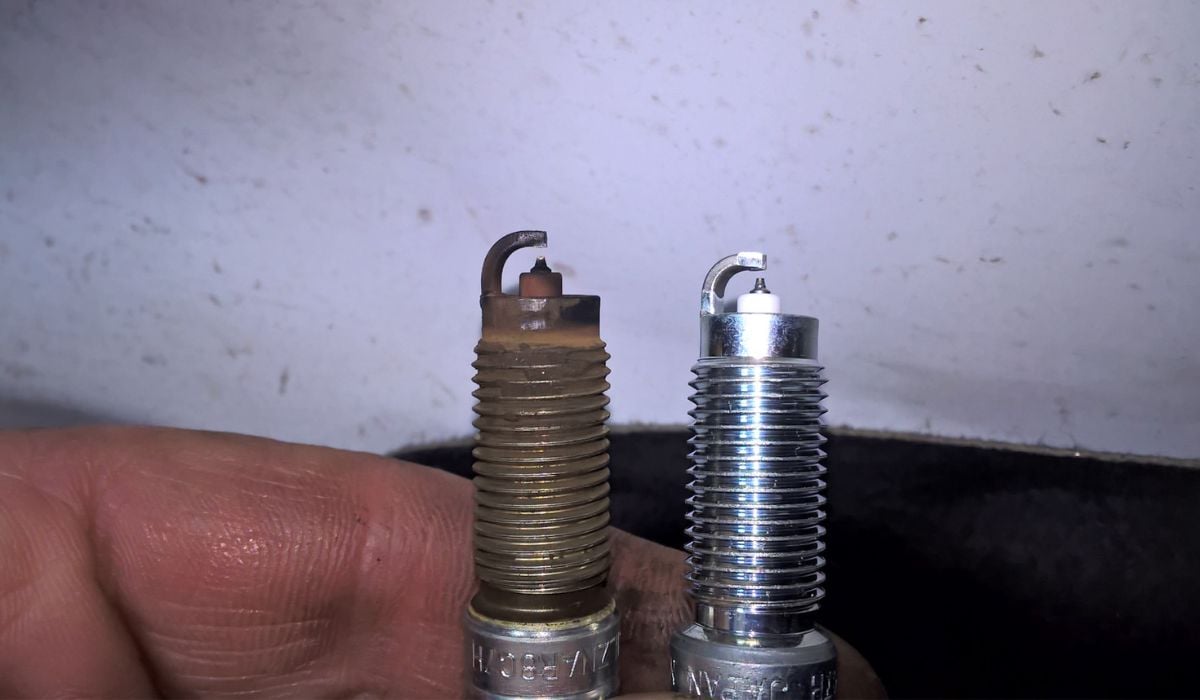
Spotting early indicators of spark plug failure in EcoBoost engines can avert major headaches. A common symptom is rough idling, where the engine vibrates noticeably due to inconsistent firing. Reduced acceleration, especially under load, signals weakened sparks failing to ignite the dense fuel mix efficiently. Increased fuel consumption often accompanies this, as the ECU compensates for misfires by injecting more gasoline.
Check engine light illumination, triggered by diagnostic codes like P0300 for random misfires.
Unusual exhaust smells or smoke, indicating incomplete combustion.
Difficulty starting in cold weather, as worn plugs struggle with initial sparks.
These signs, if addressed promptly, maintain the EcoBoost's spirited drive and prevent cascading damage to catalytic converters or pistons.
Best Practices for Spark Plug Replacement
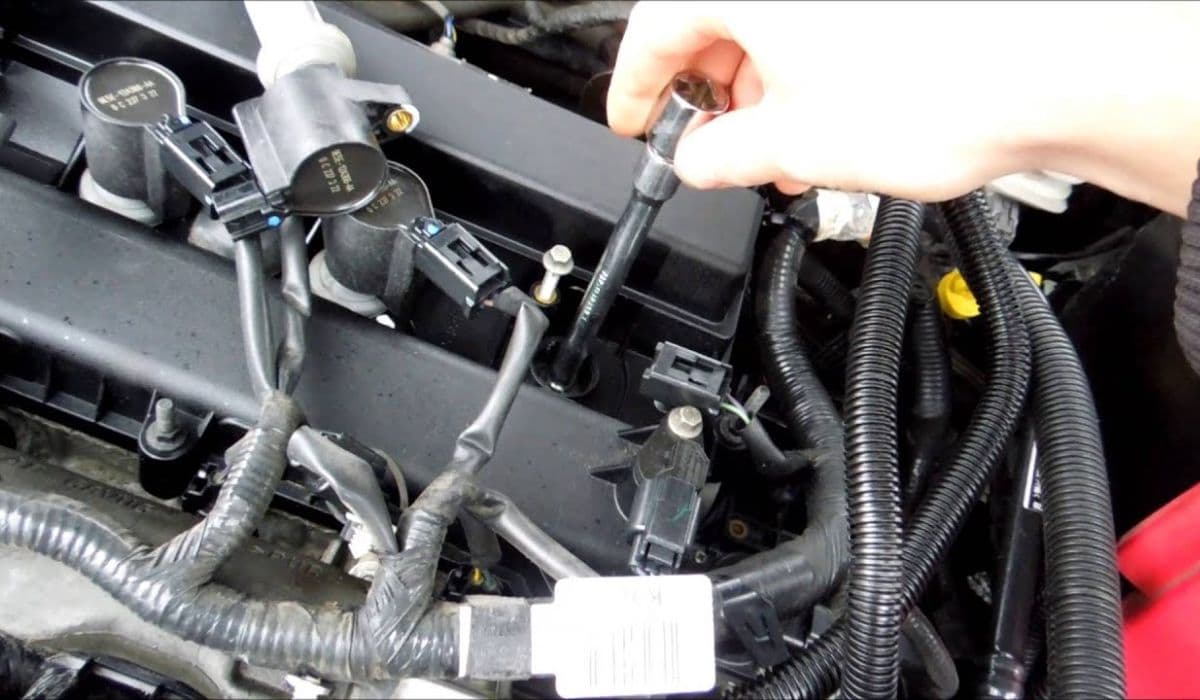
Replacing spark plugs in Ford EcoBoost engines requires careful execution to avoid complications like cross-threading or damaging coils. Start by allowing the engine to cool completely, as aluminum heads expand with heat. Use a torque wrench to apply the specified 15-20 ft-lbs, ensuring plugs seat properly without over-tightening. Opt for OEM-spec plugs to match the engine's calibration, preserving warranty and performance.
Clean the plug wells to remove debris before installation, preventing contaminants from entering cylinders.
Apply anti-seize compound sparingly on threads to ease future removals.
Inspect ignition coils for cracks during the process, as they work in tandem with plugs.
This methodical approach not only restores smooth operation but also enhances overall responsiveness.
Strategies to Maximize EcoBoost Engine Longevity
Beyond spark plugs, holistic maintenance amplifies the longevity of Ford EcoBoost engines. Regular oil changes with synthetic blends suited for turbo applications keep internals lubricated, reducing friction that indirectly affects plug performance. Monitoring turbo health through boost gauges prevents overworking the ignition system. Incorporating fuel system cleaners periodically clears injectors, ensuring even mixtures that ease spark demands.
Schedule intercooler inspections to maintain charge air temperatures, minimizing detonation risks.
Use high-quality air filters to limit particulate ingress, protecting plugs from abrasion.
Track mileage meticulously, aligning all services for synergistic benefits.
These habits transform routine upkeep into a pathway for sustained power and reliability, letting EcoBoost owners enjoy their vehicles for years.
More from Ford
Ford F-150: Active Grille Shutter Maintenance and Cleaning Guide
28.12.2025 11:29
Ford Maverick Hybrid: Battery Cooling Fan Cleaning Tips
28.12.2025 08:22
Ford EcoBoost: Preventing Cam Phaser Rattle with Regular Oil Changes
28.12.2025 05:53
Ford F-150: Oil Change Interval Guide for EcoBoost Engines
27.12.2025 17:14
Ford F-150: How to Perform Tire Rotation and Balance Every 5,000 Miles
27.12.2025 14:45