
Ford F-150: Brake Fluid Flush Every 30,000 Miles Guide
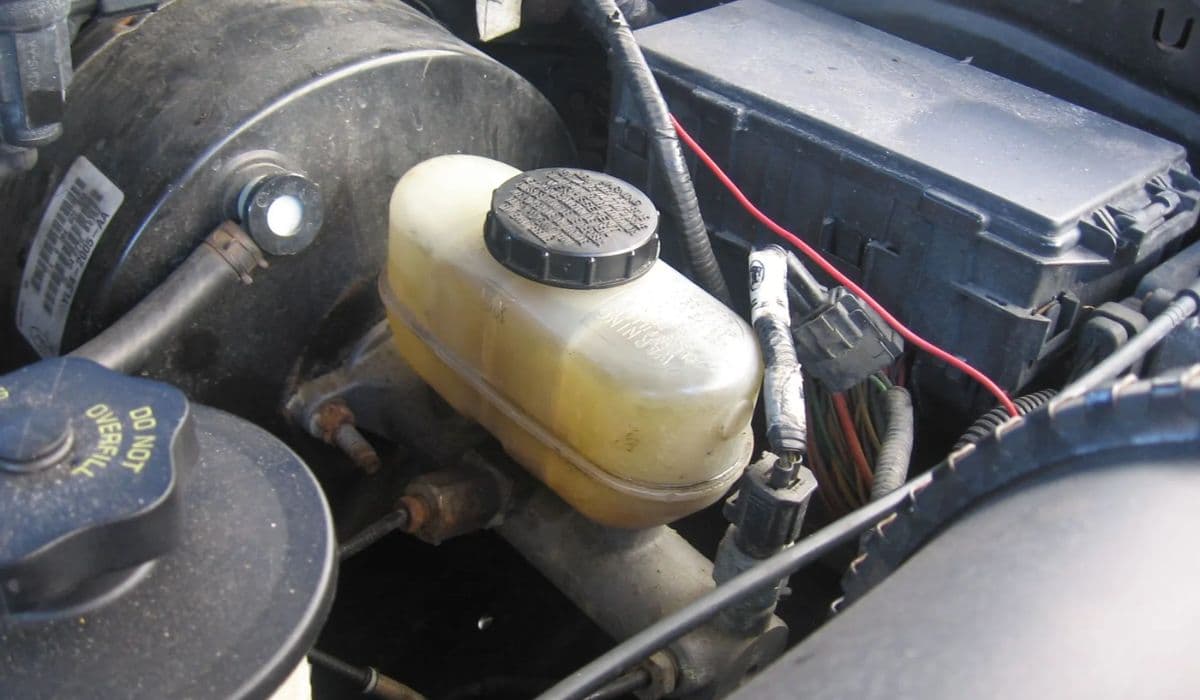
Owning a Ford F-150 means embracing a vehicle built for toughness, whether hauling heavy loads across rugged terrain or navigating daily commutes. Yet, even this powerhouse relies on a well-maintained brake system to ensure safety and performance. Brake fluid plays a pivotal role here, acting as the hydraulic medium that transfers force from your pedal to the calipers. Over time, it absorbs moisture from the air, which lowers its boiling point and can lead to reduced braking efficiency or even failure during intense use, like towing a trailer down a steep hill.
Flushing the brake fluid every 30,000 miles isn't just a suggestion—it's a proactive step to preserve the integrity of your truck's braking components. Moisture contamination can cause corrosion in the master cylinder, calipers, and lines, potentially leading to costly repairs down the road. By adhering to this interval, you maintain optimal hydraulic pressure, ensuring responsive stops that match the F-150's robust capabilities. Think of it as giving your truck the hydraulic refresh it needs to handle everything from off-road adventures to highway cruising with confidence.
Understanding Brake Fluid Types for Ford F-150
Ford recommends specific brake fluids for the F-150 to match its engineering standards. Most models use DOT 3 or DOT 4 fluids, which are glycol-based and designed for high-temperature performance. DOT 4 offers a higher boiling point, making it ideal for trucks subjected to heavy-duty tasks. Avoid mixing types, as incompatibility can lead to seal degradation or sluggish pedal response.
What makes brake fluid degrade? It's hygroscopic, meaning it naturally pulls in water vapor through microscopic pores in hoses and seals. In humid climates or during frequent exposure to wet conditions—common for F-150 owners who venture off pavement—this process accelerates. Over 30,000 miles, the fluid can accumulate enough moisture to compromise its effectiveness, turning a clear, amber liquid into a murky one that invites rust and reduces heat resistance.
Signs Your Ford F-150 Needs a Brake Fluid Flush
Spotting early warning signs can prevent minor issues from escalating. Pay attention to these indicators:
Spongy brake pedal: If it feels soft or requires more travel to engage, moisture might be compressing instead of transmitting force.
Longer stopping distances: Especially noticeable when loaded or on inclines, signaling reduced hydraulic efficiency.
Brake warning light: This dashboard alert could point to low fluid levels or contamination.
Unusual noises: Grinding or squealing during braking might stem from corroded components affected by old fluid.
Dark or cloudy fluid: Check the reservoir under the hood—if it's not translucent, it's time for a change.
Ignoring these can lead to ABS malfunctions or uneven braking, particularly in the F-150's four-wheel disc setup. Regular inspections during oil changes can help catch these early, keeping your drives smooth and secure.
Tools and Materials for a Successful Flush
Preparing properly turns a potentially messy job into a straightforward one. Gather these essentials before starting:
Brake fluid: Stick to Ford-spec DOT 3 or 4, enough for a full system flush—typically around a quart.
Turkey baster or syringe: For removing old fluid from the reservoir without spills.
Clear tubing and catch bottle: To direct old fluid away from painted surfaces.
Brake bleeder wrench: Sized for your F-150's bleeder valves, usually 8mm or 10mm.
Jack and stands: For safe access to all wheels.
Gloves and safety glasses: To protect against fluid, which can irritate skin and damage paint.
Ensure your workspace is level and well-lit. For F-150 models with electronic stability control, consult the owner's manual for any specific precautions, as some require activating the system during bleeding.
Step-by-Step Guide to Flushing Brake Fluid
Approach this as a systematic process to avoid air bubbles that could soften the pedal. Start with the engine off and the truck on a flat surface.
First, remove as much old fluid as possible from the master cylinder reservoir using a baster, then refill with fresh fluid. This minimizes contamination.
Next, begin at the wheel farthest from the master cylinder—usually the passenger rear. Attach tubing to the bleeder valve, submerge the other end in a catch bottle with some fluid to prevent air suck-back.
Have a helper pump the brake pedal several times, then hold it down while you open the valve to release old fluid. Close the valve before releasing the pedal to avoid drawing in air. Repeat until clear fluid flows, topping off the reservoir as needed to prevent it from running dry.
Move to the driver rear, then passenger front, and finally driver front. For F-150s with advanced brake systems, monitor for any electronic alerts during the process.
After all wheels, test the pedal for firmness. If it's spongy, re-bleed the system. Dispose of old fluid responsibly, as it's hazardous waste.
Common Mistakes to Avoid During the Process
Even seasoned DIYers can slip up, so steer clear of these pitfalls:
Skipping the sequence: Bleeding out of order can leave air pockets, leading to inconsistent braking.
Over-tightening bleeder valves: This strips threads, causing leaks—snug is enough.
Letting the reservoir empty: Air enters the system, requiring a full re-bleed.
Using the wrong fluid: Non-compatible types swell seals, potentially locking brakes.
Ignoring post-flush checks: Always road-test for pedal feel and listen for abnormalities.
By avoiding these, you ensure the flush enhances your F-150's reliability, especially under demanding conditions like towing or off-roading.
Maintenance Tips to Prolong Brake System Health
Beyond the 30,000-mile flush, integrate these habits for longevity:
Inspect fluid levels monthly: Top off if low, but investigate leaks if frequent.
Pair with brake pad checks: Replace pads when worn to prevent scoring rotors, which stresses the fluid.
Drive mindfully: Avoid aggressive stops that overheat the system, accelerating fluid breakdown.
Store in dry conditions: If garaged in humid areas, consider a dehumidifier to slow moisture ingress.
Monitor for recalls: Ford occasionally issues updates for brake components—stay informed.
These practices not only extend intervals but also amplify the F-150's legendary durability, letting you focus on the road ahead.
More from Ford
Ford F-150: Active Grille Shutter Maintenance and Cleaning Guide
28.12.2025 11:29
Ford Maverick Hybrid: Battery Cooling Fan Cleaning Tips
28.12.2025 08:22
Ford EcoBoost: Preventing Cam Phaser Rattle with Regular Oil Changes
28.12.2025 05:53
Ford F-150: Oil Change Interval Guide for EcoBoost Engines
27.12.2025 17:14
Ford F-150: How to Perform Tire Rotation and Balance Every 5,000 Miles
27.12.2025 14:45