
Ford F-150: Cabin and Engine Air Filter Replacement Schedule
The Ford F-150 has long been a symbol of rugged reliability, powering through tough jobs and long hauls with ease. But beneath its tough exterior lies a system of components that keep it running smoothly, and air filters play a starring role. These unsung heroes ensure that both the engine and the cabin receive clean air, directly impacting performance, fuel efficiency, and occupant comfort. Imagine driving across dusty backroads or navigating urban traffic—without proper filtration, contaminants like pollen, dirt, and exhaust particles could wreak havoc. For F-150 owners, staying on top of filter replacements isn't just maintenance; it's about preserving the truck's legendary durability and enhancing your driving experience.
Air filters work tirelessly in the background. The engine air filter safeguards the powertrain by trapping debris before it enters the combustion chamber, while the cabin air filter purifies the air circulating inside the vehicle. Over time, these filters accumulate grime, reducing airflow and straining other systems. Neglecting them can lead to subtle issues that snowball into bigger problems, like decreased acceleration or stuffy interiors. By following a structured replacement schedule, you can avoid these pitfalls and keep your F-150 performing at its peak.
The Engine Air Filter: Guardian of Performance
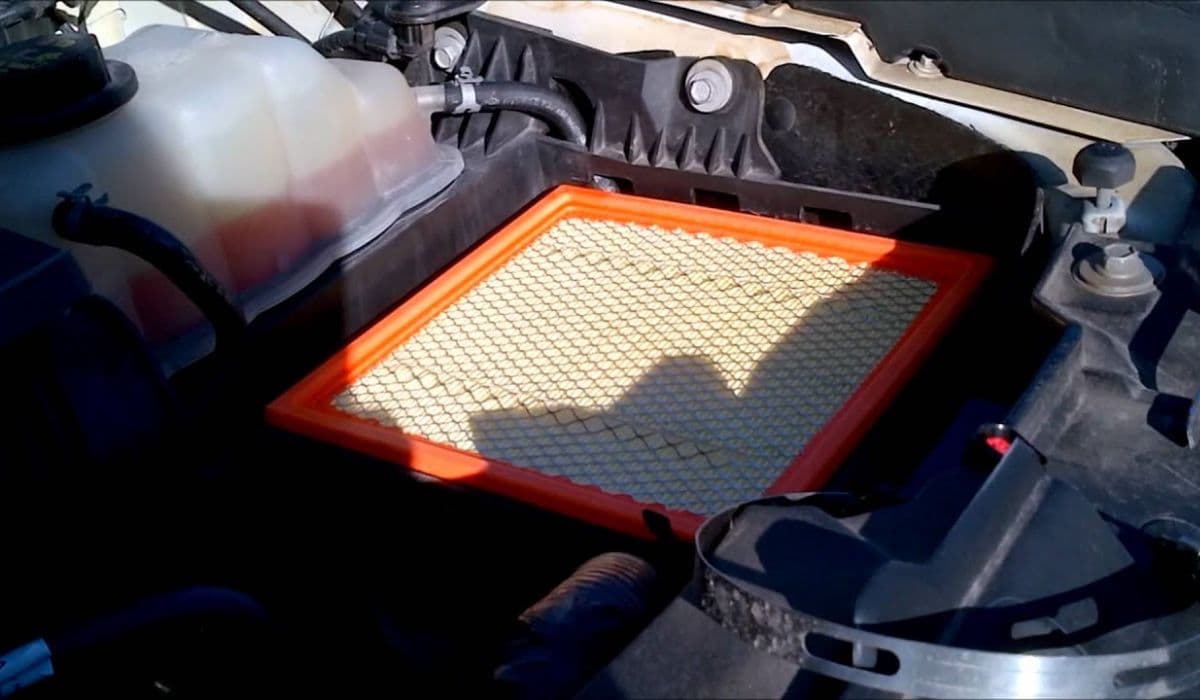
At the heart of your Ford F-150's power is the engine air filter, a critical barrier that ensures only clean air mixes with fuel for optimal combustion. This filter is typically housed in a plastic box under the hood, designed to handle the demands of a truck that might tow heavy loads or conquer off-road trails. When clogged, it restricts airflow, forcing the engine to work harder, which can diminish throttle response and even affect towing capacity.
What makes the engine air filter so vital? It directly influences horsepower and torque—key attributes that define the F-150's appeal. In models equipped with EcoBoost engines, for instance, clean filtration helps maintain turbo efficiency, preventing buildup that could lead to costly repairs. Dust and debris from construction sites or rural drives accelerate clogging, making regular checks essential for those who push their trucks hard.
Cabin Air Filter: Ensuring a Comfortable Ride
Shifting focus to the interior, the cabin air filter acts as your F-150's personal air purifier, filtering out allergens, odors, and pollutants from the ventilation system. Located behind the glove box or under the dashboard in most models, it's easy to overlook until allergy season hits or strange smells emerge. This filter not only improves air quality but also protects the HVAC system, preventing dust from coating blower motors and evaporators.
For families or long-haul drivers, a fresh cabin filter transforms the driving experience. It reduces exposure to road fumes, pollen, and even wildfire smoke, which is increasingly relevant in varying climates. In newer F-150 generations with advanced climate controls, a clean filter ensures even temperature distribution, making those extended trips more enjoyable. Interestingly, some filters incorporate activated carbon layers to neutralize odors, adding an extra layer of sophistication to this simple component.
Recommended Replacement Intervals for Optimal Maintenance
Ford provides guidelines tailored to the F-150's diverse usage scenarios, but real-world conditions often dictate adjustments. For the engine air filter, the standard recommendation is every 30,000 miles under normal driving conditions. However, in dusty environments or with frequent off-roading, this interval shrinks to 15,000 miles or even sooner.
Check visually during oil changes for signs of heavy dirt accumulation.
Replace annually if your driving includes a lot of unpaved roads.
Monitor for performance dips, as restricted airflow can subtly reduce fuel economy.
The cabin air filter follows a similar pattern, with replacements suggested every 15,000 to 20,000 miles. In high-pollen areas or for those with sensitivities, swapping it out yearly keeps the interior pristine.
Inspect during seasonal transitions, like spring or fall, when allergens peak.
Consider more frequent changes in urban settings with heavy traffic pollution.
Align replacements with other routine services to streamline maintenance.
These schedules aren't set in stone; they're starting points. Factors like regional climate and driving habits play a huge role, so adapting them ensures longevity.
Spotting the Warning Signs of Worn Filters
Even with a schedule in place, your F-150 might signal when filters need attention sooner. For the engine air filter, watch for reduced acceleration, especially during merges or climbs, as restricted air hampers combustion efficiency. A whistling noise under the hood or black exhaust smoke could indicate severe clogging, potentially triggering check engine lights related to mass airflow sensor issues.
Cabin filter problems are more noticeable inside: musty odors when activating the AC, weaker airflow from vents, or increased dust on dashboards. If windows fog up more easily or allergies flare up during drives, it's a clear cue.
Listen for unusual engine sounds that worsen with RPM increases.
Note if fuel efficiency drops noticeably over short periods.
Feel for sluggish HVAC performance, like uneven cooling.
Addressing these early prevents cascading effects, like strained engines or compromised air quality, keeping your truck reliable.
Tips for DIY Replacement and Best Practices
Replacing air filters in a Ford F-150 is straightforward, often requiring no tools beyond a screwdriver, making it an ideal DIY task. Start with the engine filter: pop the hood, unlatch the airbox clips, remove the old filter, and insert the new one, ensuring a snug fit to avoid unfiltered air leaks.
For the cabin filter, access varies by model year—consult your owner's manual for specifics. Generally, lower the glove box, remove the cover, and slide out the old unit. Always handle filters by their edges to avoid contaminating them.
Clean the housing before installing to remove loose debris.
Choose OEM or high-quality aftermarket filters for better fit and performance.
Track replacements in a maintenance log for pattern recognition.
This hands-on approach not only saves time but also fosters a deeper connection with your vehicle, revealing other potential issues during the process.
Extending Filter Life Through Smart Habits
Prolonging the lifespan of your F-150's air filters involves proactive habits that align with the truck's versatile nature. Avoid idling in dusty areas, and use recirculate mode in heavy traffic to minimize cabin filter strain. Regular under-hood inspections during washes can catch early buildup.
In extreme conditions, like desert driving, consider auxiliary pre-filters for added protection. These strategies not only extend intervals but also enhance overall efficiency, letting you focus on what the F-150 does best: conquering challenges with power and poise.е
More from Ford
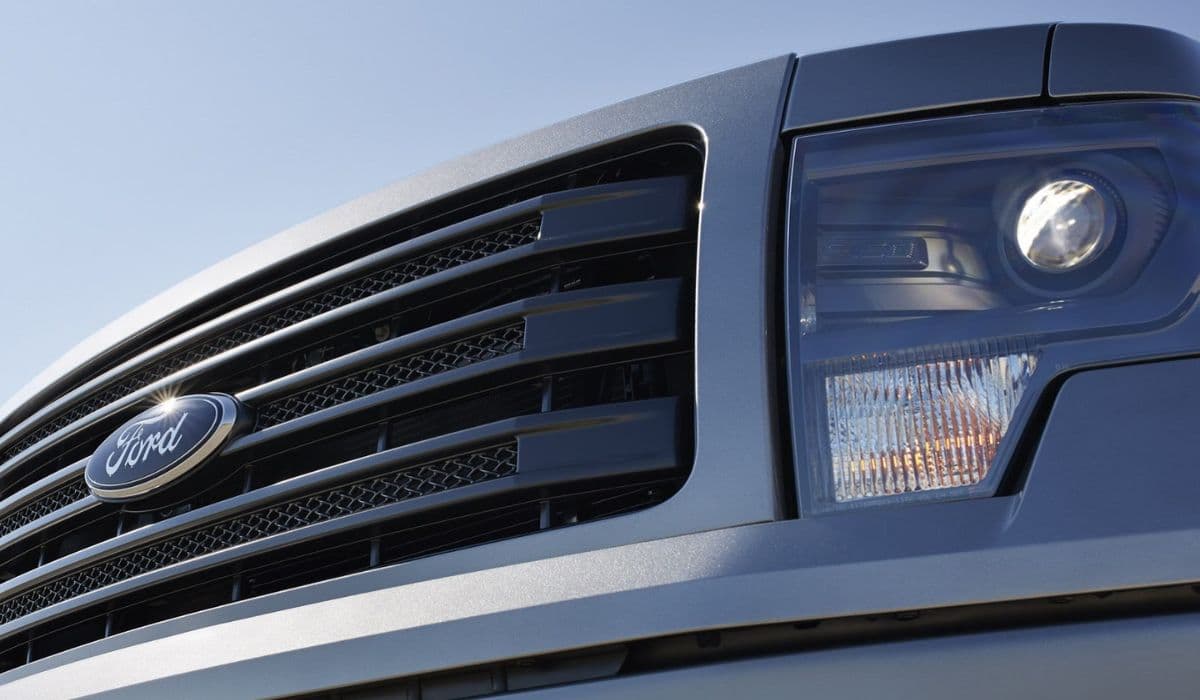
Ford F-150: Active Grille Shutter Maintenance and Cleaning Guide
28.12.2025 11:29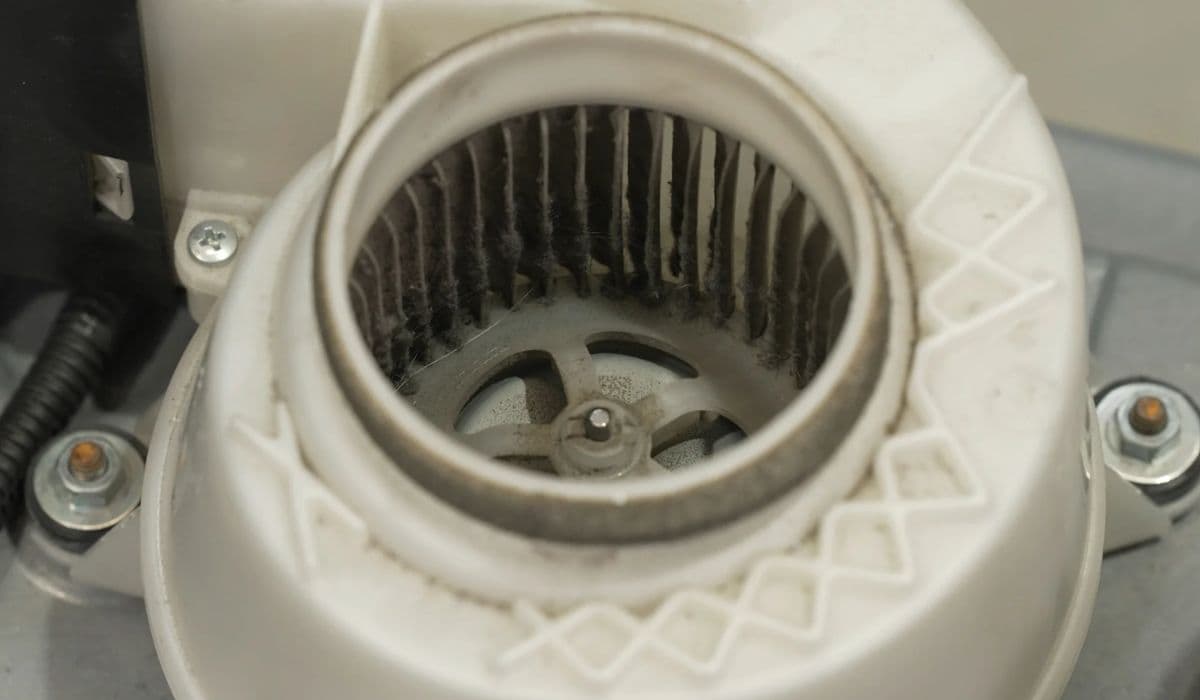
Ford Maverick Hybrid: Battery Cooling Fan Cleaning Tips
28.12.2025 08:22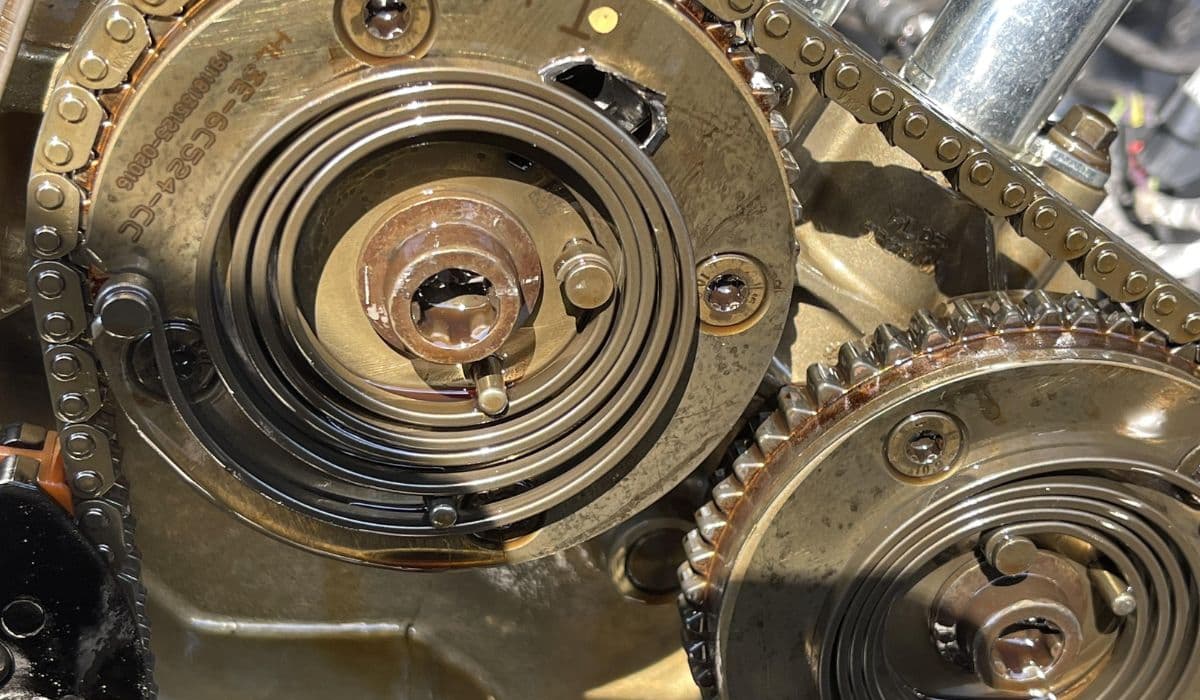
Ford EcoBoost: Preventing Cam Phaser Rattle with Regular Oil Changes
28.12.2025 05:53
Ford F-150: Oil Change Interval Guide for EcoBoost Engines
27.12.2025 17:14
Ford F-150: How to Perform Tire Rotation and Balance Every 5,000 Miles
27.12.2025 14:45