
Ford F-150: Preventive Maintenance for High-Mileage Longevity
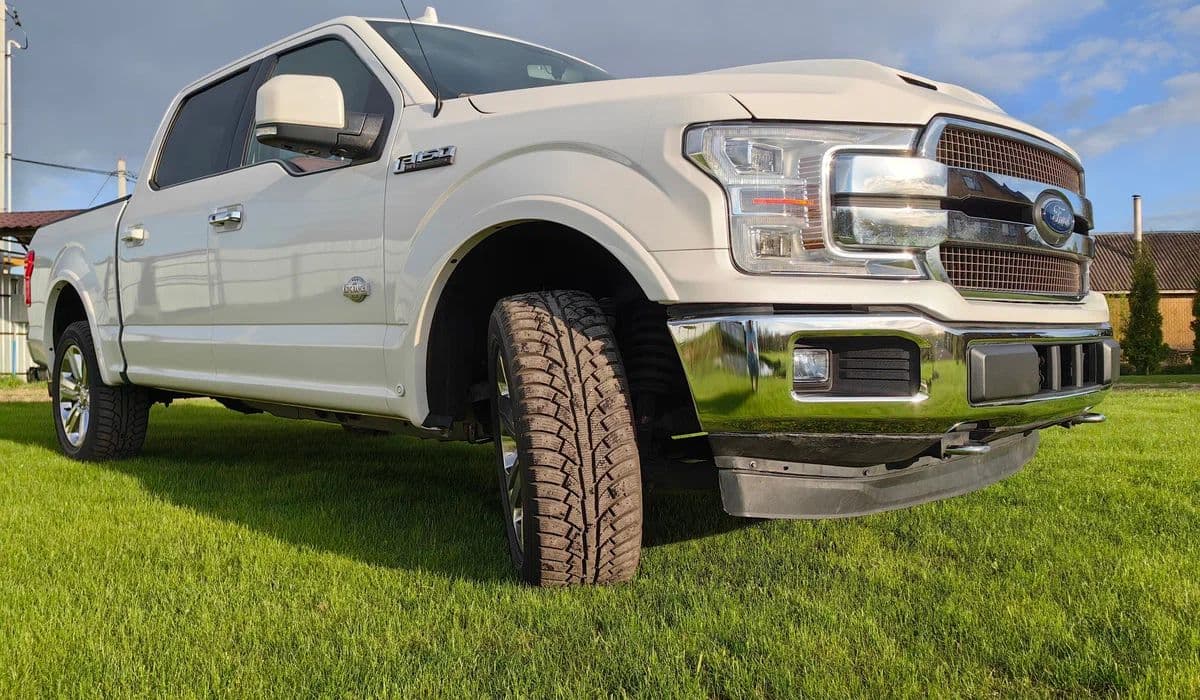
The Ford F-150 stands as a testament to American engineering, a workhorse that powers through rugged terrains and daily commutes alike. For owners aiming to push their trucks beyond the 200,000-mile mark, preventive maintenance isn't just a routine—it's the secret sauce to unlocking unparalleled durability. This iconic pickup, with its robust frame and powerful engines, thrives on proactive care that anticipates wear before it escalates into costly breakdowns. By focusing on key systems, you can ensure your F-150 remains reliable, efficient, and ready for adventures well into its golden years.
Engine Health: The Heart of Your F-150
At the core of every Ford F-150 beats a formidable engine, whether it's the EcoBoost V6 or the classic V8. To maintain peak performance over high mileage, start with vigilant oil management. Synthetic blends offer superior protection against heat and friction, especially in turbocharged models where temperatures soar.
Monitor oil levels weekly, topping off as needed to prevent dry starts that accelerate internal wear.
Change the oil filter during every service to trap contaminants that could score pistons or bearings.
Inspect for leaks around seals and gaskets, addressing them promptly to avoid oil starvation in critical components.
Cooling system oversight is equally vital. Overheated engines lead to warped heads and failed gaskets, common pitfalls in high-mileage trucks. Flush the radiator every 60,000 miles or as per your driving conditions—towing heavy loads demands more frequent attention. Antifreeze mixtures should be tested for pH balance to ward off corrosion in aluminum blocks.
Spark plugs and ignition coils deserve regular scrutiny. Worn plugs cause misfires, reducing fuel efficiency and straining the catalytic converter. Replace them at recommended intervals, and while you're at it, clean the throttle body to eliminate carbon buildup that hampers throttle response.
Transmission and Drivetrain: Smooth Power Delivery
The transmission in a Ford F-150 endures immense stress, particularly in models equipped with the 10-speed automatic. Preventive steps here focus on fluid integrity and mechanical harmony.
Use only manufacturer-specified transmission fluid to maintain proper viscosity and prevent slippage.
Check for fluid discoloration or burnt smells, which signal overheating or internal friction issues.
Service the filter and pan gasket regularly to remove metal shavings that could clog solenoids.
For four-wheel-drive variants, the transfer case and differentials require equal diligence. These components transfer power seamlessly but accumulate debris from off-road excursions.
Drain and refill differential fluids every 50,000 miles, opting for synthetics in extreme climates.
Lubricate U-joints and driveshafts to minimize vibrations that lead to premature failure.
Align the drivetrain after any suspension modifications to ensure even wear on gears.
By catching minor issues early, like unusual noises during shifts, you preserve the system's longevity and avoid the dreaded transmission rebuild.
Suspension and Steering: Handling the Rough Stuff
Ford F-150's suspension is built for punishment, but high mileage exposes it to fatigue from potholes and payloads. Ball joints, bushings, and shocks wear gradually, affecting ride quality and safety.
Inspect shocks and struts for leaks or reduced damping, replacing them in pairs for balanced handling.
Tighten control arm bushings to eliminate squeaks and maintain precise steering.
Rotate tires every 6,000 miles to promote even tread wear, extending their life and improving traction.
Steering components, including the rack and pinion, benefit from fluid flushes that remove contaminants. Power steering fluid should be clear and free of air bubbles—foamy fluid indicates aeration, which erodes seals.
In off-road setups, upgrade to heavy-duty components if your usage demands it, but always align the wheels afterward to prevent uneven tire degradation.
Brake System: Stopping Power That Lasts
Brakes on the F-150 are engineered for heavy-duty stopping, yet they demand consistent attention to handle high-mileage demands. Pads and rotors face constant friction, especially when hauling.
Measure pad thickness routinely; thin pads overheat rotors, leading to warping.
Bleed the brake lines to expel air and old fluid, ensuring firm pedal response.
Clean calipers to prevent seizing, which causes uneven braking and pulls.
ABS sensors can accumulate grime, triggering false warnings. Wipe them clean during inspections to maintain electronic stability control effectiveness.
Electrical and Battery Maintenance: Keeping the Lights On
Modern F-150s boast sophisticated electronics, from infotainment to advanced driver aids. High mileage amplifies risks from corroded connections and failing alternators.
Test the battery's charge and clean terminals to avoid starting issues in cold weather.
Check alternator output to ensure it's recharging properly, preventing dim lights or dead accessories.
Update software modules as needed to fix glitches in systems like adaptive cruise control.
Wiring harnesses under the hood should be secured against chafing, particularly in engine bays exposed to heat cycles.
Tire and Wheel Care: Foundation of Stability
Tires are your F-150's direct link to the road, influencing everything from fuel economy to handling. High-mileage longevity hinges on proper inflation and balance.
Maintain recommended PSI levels, checking weekly to counter slow leaks.
Balance wheels during rotations to reduce vibrations that stress hubs.
Examine sidewalls for cracks or bulges, signs of age-related deterioration.
All-terrain tires suit versatile use, but monitor tread depth with a penny test—Lincoln's head visible means it's time for replacements.
Body and Rust Prevention: Preserving the Exterior
The F-150's aluminum body resists rust better than steel predecessors, but undercarriage protection remains crucial for high-mileage endurance.
Wash the frame regularly, especially after salted roads, to remove corrosive buildup.
Apply undercoating sprays to vulnerable areas like wheel wells.
Inspect paint for chips, touching up to prevent moisture intrusion.
Cab seals around doors and windows should be lubricated to maintain weatherproofing, keeping interiors dry and mold-free.
Through these practices, your Ford F-150 transforms from a mere vehicle into a legacy machine, clocking miles with the reliability of a trusted companion.
More from Ford
Ford F-150: Active Grille Shutter Maintenance and Cleaning Guide
28.12.2025 11:29
Ford Maverick Hybrid: Battery Cooling Fan Cleaning Tips
28.12.2025 08:22
Ford EcoBoost: Preventing Cam Phaser Rattle with Regular Oil Changes
28.12.2025 05:53
Ford F-150 Aluminum Body: Corrosion Protection Tips
25.12.2025 14:18
Parasitic Battery Drain Diagnosis and Fix Ford F-150
24.12.2025 06:08