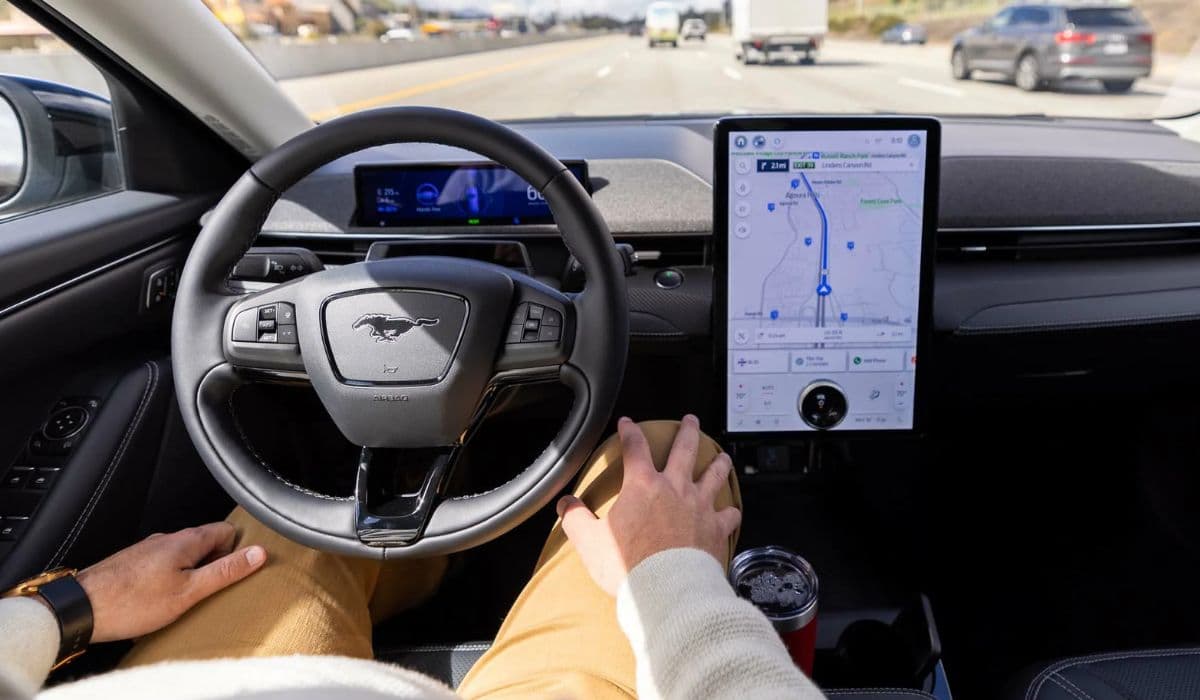
Ford Maverick: Hybrid Battery Health Maintenance Guide
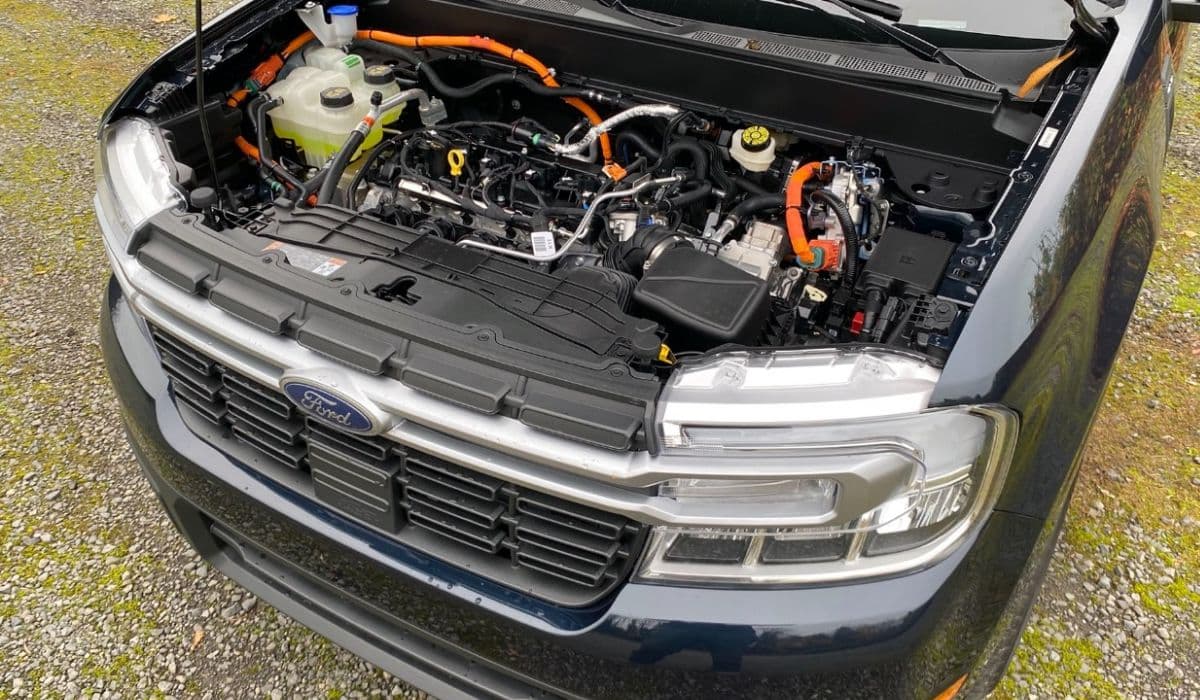
The Ford Maverick stands out as a versatile compact pickup that blends efficiency with capability, largely thanks to its hybrid powertrain. At the heart of this system is the high-voltage battery, a lithium-ion unit designed to work seamlessly with the gasoline engine. This battery not only powers the electric motor for smooth acceleration and fuel savings but also captures energy during braking to recharge itself. Maintaining its health is crucial because a well-cared-for battery ensures optimal performance, extends the vehicle's range, and minimizes unexpected downtime.
What makes the Maverick's battery unique is its integration into a system that balances power demands intelligently. Unlike traditional vehicles, the hybrid setup relies on the battery for short bursts of electric-only driving, especially in city traffic. Over time, factors like temperature extremes, driving habits, and charging patterns can influence its longevity. By grasping how this battery operates—like its ability to self-regulate charge levels—you can adopt practices that keep it in top shape, turning routine maintenance into a proactive strategy for reliability.
Daily Driving Habits That Boost Battery Longevity
Your everyday driving style plays a pivotal role in preserving the hybrid battery's health. Smooth, consistent acceleration and braking allow the regenerative braking system to recapture energy efficiently, reducing wear on the battery cells. Abrupt starts and stops, on the other hand, force the battery to work harder, potentially leading to faster degradation.
To make your drives more battery-friendly, consider these approaches:
Anticipate traffic flow to minimize hard braking, letting the regenerative system do its job.
Use eco-mode whenever possible, as it optimizes energy use and prioritizes electric propulsion.
Avoid overloading the truck bed beyond recommended limits, since excess weight strains the entire powertrain, including the battery.
Incorporate short highway stretches into your routine if you're mostly city-bound, helping to balance charge cycles.
These habits not only extend battery life but also enhance the overall driving experience, making the Maverick feel more responsive and efficient. Imagine gliding through stop-and-go traffic with the electric motor humming quietly—that's the reward of mindful driving.
Optimal Charging Practices for Peak Performance
Charging the Ford Maverick's hybrid battery isn't as involved as with full EVs, but smart strategies can make a difference. The battery primarily recharges via the engine and regenerative braking, but plugging in at home or public stations adds flexibility, especially for those with access to level 1 or 2 chargers.
Focus on maintaining a moderate state of charge rather than letting it drop too low or stay fully topped off for extended periods. Extreme charge levels can stress the cells, so aim for 20-80% as a sweet spot during storage or infrequent use. Temperature management is key here; park in shaded areas during hot summers to prevent overheating, which accelerates chemical reactions inside the battery.
Additional tips include:
Schedule charges during cooler parts of the day to avoid thermal stress.
Use the vehicle's built-in preconditioning feature to warm or cool the cabin without draining the battery excessively.
Monitor charging sessions through the FordPass app to spot any irregularities early.
If using extension cords, ensure they're heavy-duty to prevent voltage drops that could affect efficiency.
By treating charging as a deliberate part of ownership, you'll notice improved fuel economy and a battery that holds its capacity longer, keeping your Maverick ready for adventures.
Routine Maintenance Checks to Prevent Issues
Regular inspections are essential for catching potential battery problems before they escalate. Start with visual checks around the battery compartment—look for corrosion on terminals or unusual odors that might indicate leaks. While the high-voltage battery is sealed and doesn't require fluid top-ups like older models, ensuring the cooling system is functioning is vital.
The Maverick's onboard diagnostics can alert you to issues, but proactive steps amplify this:
Have the 12-volt auxiliary battery tested annually, as it supports the hybrid system's startup and can indirectly affect the main battery.
Keep the air intake and vents clear of debris to maintain proper airflow for battery cooling.
During oil changes or tire rotations, ask technicians to scan for hybrid-specific error codes.
Rotate tires regularly to ensure even wear, reducing unnecessary strain on the electric motor and battery.
These maintenance rituals transform ownership from reactive to empowering, giving you confidence that your truck's hybrid heart is beating strong.
Recognizing and Addressing Common Battery Health Signs
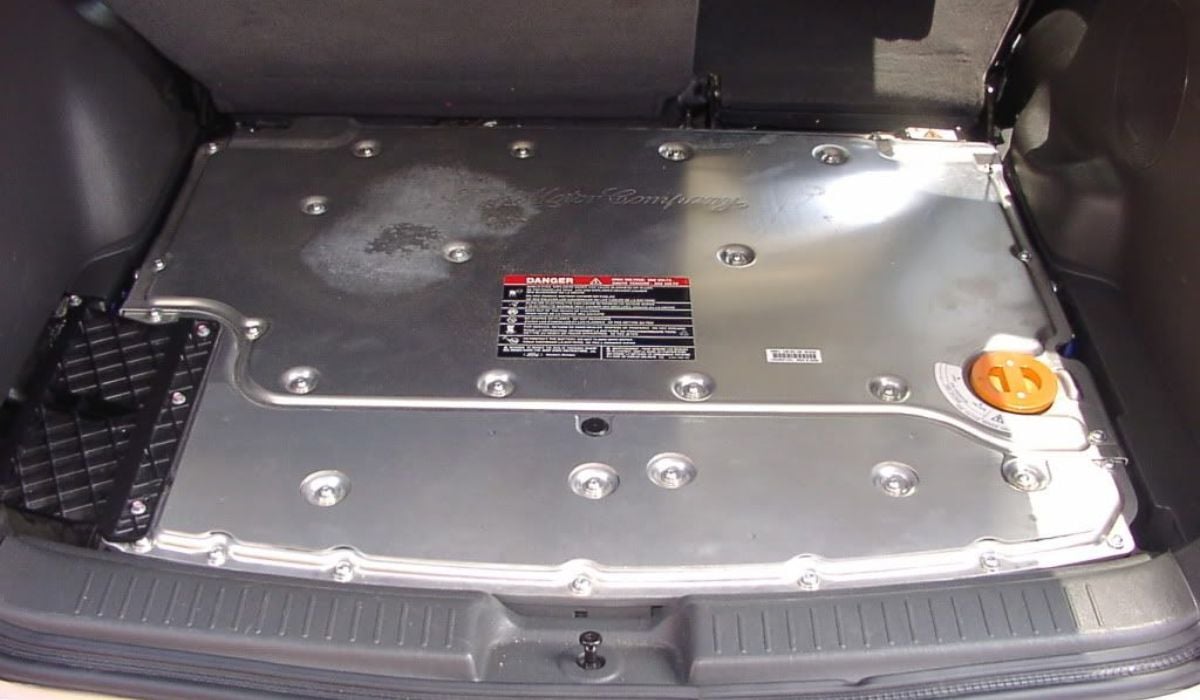
Even with diligent care, batteries can show signs of wear. Watch for dashboard warnings like the "Check Hybrid System" light, which could signal voltage imbalances or sensor faults. Reduced electric-only range or sluggish acceleration might point to capacity loss, often due to age or extreme usage.
Other indicators include:
Unusual noises from the powertrain during operation, possibly from cooling fans working overtime.
Increased fuel consumption as the system compensates for battery inefficiencies.
The vehicle hesitating to switch to electric mode in familiar conditions.
Battery temperature gauges showing persistent highs or lows.
If these arise, consult a certified technician promptly. They can perform deeper diagnostics, like capacity tests, to assess health accurately. Addressing issues early prevents cascading problems, ensuring your Maverick remains a reliable companion for hauling gear or daily commutes.
Advanced Tips for Extending Battery Life in Varied Conditions
For owners in diverse climates or with unique driving needs, tailored strategies can further safeguard the battery. In cold weather, the battery's efficiency drops due to slower chemical reactions, so warm up the vehicle gently before driving. Insulating the garage or using a battery blanket can help maintain optimal temperatures.
For hot regions, prioritize ventilation:
Park indoors or under cover to shield from direct sun.
Use reflective window shades to keep the interior cooler.
Avoid idling in heat, as it can overwork the cooling system.
Off-road enthusiasts should note that rough terrain increases vibration, so secure loads properly to minimize jolts. Long-term storage? Disconnect the 12-volt battery and keep the hybrid at around 50% charge, checking monthly.
These nuanced approaches make battery maintenance an engaging aspect of Maverick ownership, adapting to your lifestyle while maximizing durability.
More from Ford
Ford F-150: Active Grille Shutter Maintenance and Cleaning Guide
28.12.2025 11:29
Ford Maverick Hybrid: Battery Cooling Fan Cleaning Tips
28.12.2025 08:22
Ford EcoBoost: Preventing Cam Phaser Rattle with Regular Oil Changes
28.12.2025 05:53
Ford F-150 Aluminum Body: Corrosion Protection Tips
25.12.2025 14:18
Parasitic Battery Drain Diagnosis and Fix Ford F-150
24.12.2025 06:08