Ford Panoramic Roof: Preventing Leaks and Noise Tips
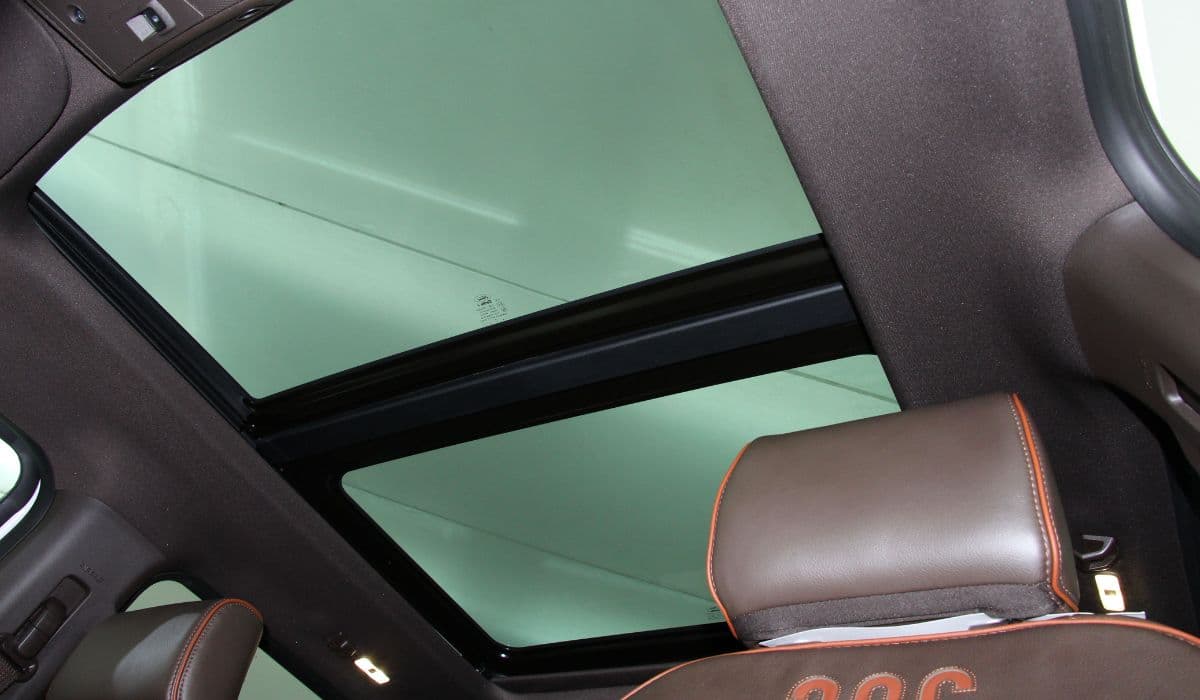
The panoramic roof in Ford vehicles represents a blend of luxury and innovation, offering expansive views that transform everyday drives into scenic adventures. This feature typically spans a large portion of the vehicle's roof, made from tempered glass panels that can tilt, slide, or remain fixed. In models like the Ford Explorer or Edge, it enhances cabin light and creates an open-air feel without the full exposure of a convertible. What makes it special is the engineering behind it—multiple layers of glass with UV protection and sometimes acoustic laminates to balance aesthetics with functionality. However, owning one means being proactive about maintenance, as environmental factors and wear can lead to issues over time. By grasping how these roofs are designed, drivers can better appreciate the need for targeted care to keep them performing optimally.
Common Issues with Panoramic Roofs
Panoramic roofs, while impressive, aren't immune to challenges that arise from their complex structure. Leaks often stem from degraded seals or clogged drainage systems, allowing water to seep in during rain or car washes. Noise problems, on the other hand, can manifest as wind buffeting at highway speeds or rattling from loose components. These aren't unique to Ford but are amplified in larger glass setups due to increased surface area. Factors like extreme weather, road debris, or even improper installation can exacerbate them. Recognizing early signs—such as water stains on the headliner or unusual whistling sounds—helps in addressing them before they escalate into major repairs. Interestingly, many owners report that these issues peak in older models, but with modern advancements, newer Fords incorporate better materials to mitigate them.
Tips for Preventing Leaks
Preventing leaks in a Ford panoramic roof starts with regular inspections and simple habits that preserve the integrity of seals and drains. The rubber gaskets around the glass panels are crucial; they expand and contract with temperature changes, but dirt buildup can cause cracks. To counter this, gently clean the seals with a soft cloth and mild soap solution every few months, avoiding harsh chemicals that might degrade the material.
Check drainage channels: These small tubes direct water away from the roof. Use compressed air or a thin wire to clear any blockages from leaves or pollen.
Park strategically: Avoid leaving the vehicle under trees where sap or bird droppings could corrode the seals over time.
Monitor weather seals: Apply a silicone-based lubricant sparingly to keep them supple, especially in dry climates where cracking is common.
Inspect after storms: After heavy rain, look for any pooling water around the roof edges to catch potential issues early.
Incorporating these steps into your routine can significantly extend the roof's watertight performance, ensuring dry interiors even in downpours.
Strategies to Reduce Noise
Noise from a panoramic roof can detract from the serene driving experience Ford aims to provide, but targeted strategies can restore quietude. Wind noise often occurs when seals aren't flush or when the roof isn't fully closed, creating turbulence. To minimize this, ensure the roof mechanism operates smoothly by lubricating moving parts as per the vehicle's guidelines.
Adjust driving habits: At higher speeds, slightly cracking a window can equalize pressure and reduce buffeting sounds.
Use sound-dampening accessories: Consider aftermarket wind deflectors designed for panoramic setups to redirect airflow.
Tighten components: Periodically check for loose screws or brackets in the roof assembly, which might vibrate on rough roads.
Opt for acoustic enhancements: If the model allows, explore factory-approved insulation kits that add layers to absorb vibrations.
These approaches not only quiet the cabin but also enhance overall comfort, making long trips more enjoyable without the distraction of unwanted sounds.
Maintenance Best Practices
Maintaining a Ford panoramic roof involves a holistic approach that combines cleaning, inspection, and protective measures. Start with exterior care: Wash the glass with automotive-specific cleaners to avoid scratches, using microfiber cloths for a streak-free finish. Inside, vacuum the tracks where the panels slide to prevent debris from jamming the mechanism.
Schedule seasonal checks: In winter, remove ice buildup gently to avoid stressing the glass; in summer, shade the vehicle to prevent heat warping.
Professional assessments: Have a certified technician examine the roof during routine service visits for hidden wear.
Protective coatings: Apply UV-protectant sprays to the glass to reduce fading and maintain clarity.
Operational testing: Regularly open and close the roof to ensure smooth function, addressing any grinding noises promptly.
By embedding these practices, owners can preserve the roof's appeal and functionality, turning potential headaches into seamless ownership experiences.
Advanced Troubleshooting Techniques
For those facing persistent issues, advanced troubleshooting can uncover root causes beyond basic maintenance. Begin by isolating the problem: Record when leaks or noises occur—during acceleration, turns, or specific weather—to pinpoint patterns. Use a garden hose to simulate rain and trace water paths, identifying weak spots in seals.
Seal replacement timing: If seals show visible wear like brittleness, consider proactive renewal to avoid escalation.
Noise isolation methods: Place foam tape temporarily along edges to test if it quiets sounds, indicating seal gaps.
Mechanism alignment: Ensure tracks are aligned; misalignment from minor impacts can cause both leaks and rattles.
Environmental adaptations: In noisy urban areas, combine multiple strategies like deflectors and insulation for compounded effects.
These techniques empower owners to handle complexities, fostering a deeper connection with their vehicle's innovative features.
More from Ford
Ford F-150: Active Grille Shutter Maintenance and Cleaning Guide
28.12.2025 11:29
Ford Maverick Hybrid: Battery Cooling Fan Cleaning Tips
28.12.2025 08:22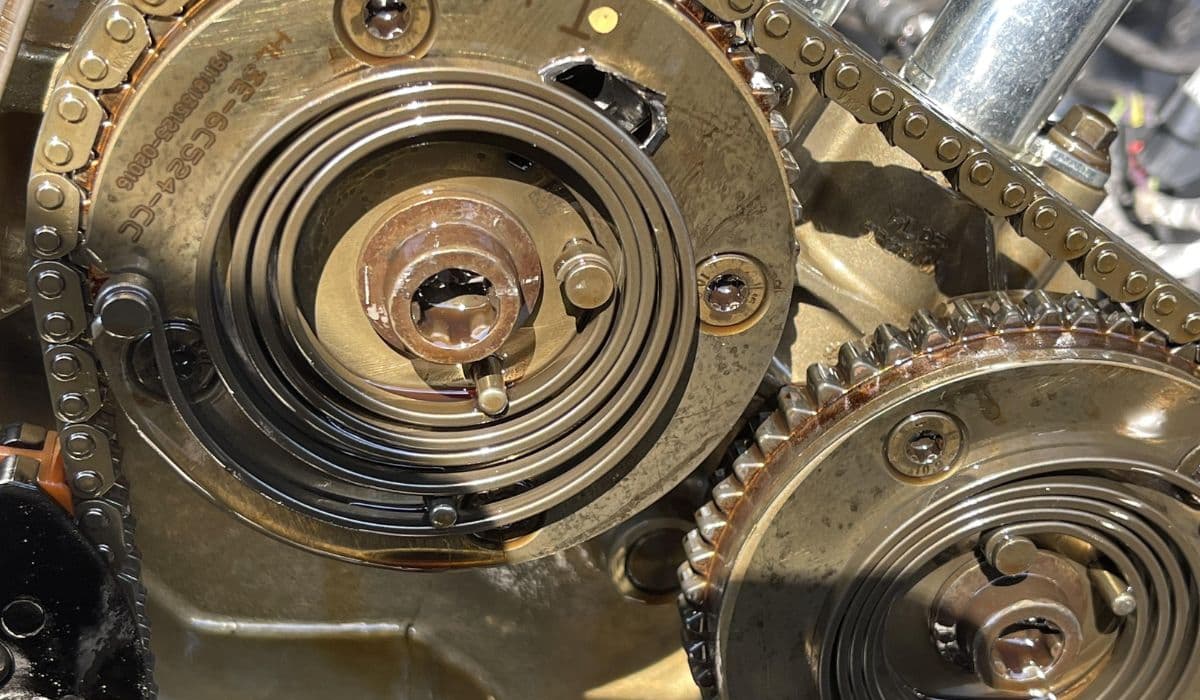
Ford EcoBoost: Preventing Cam Phaser Rattle with Regular Oil Changes
28.12.2025 05:53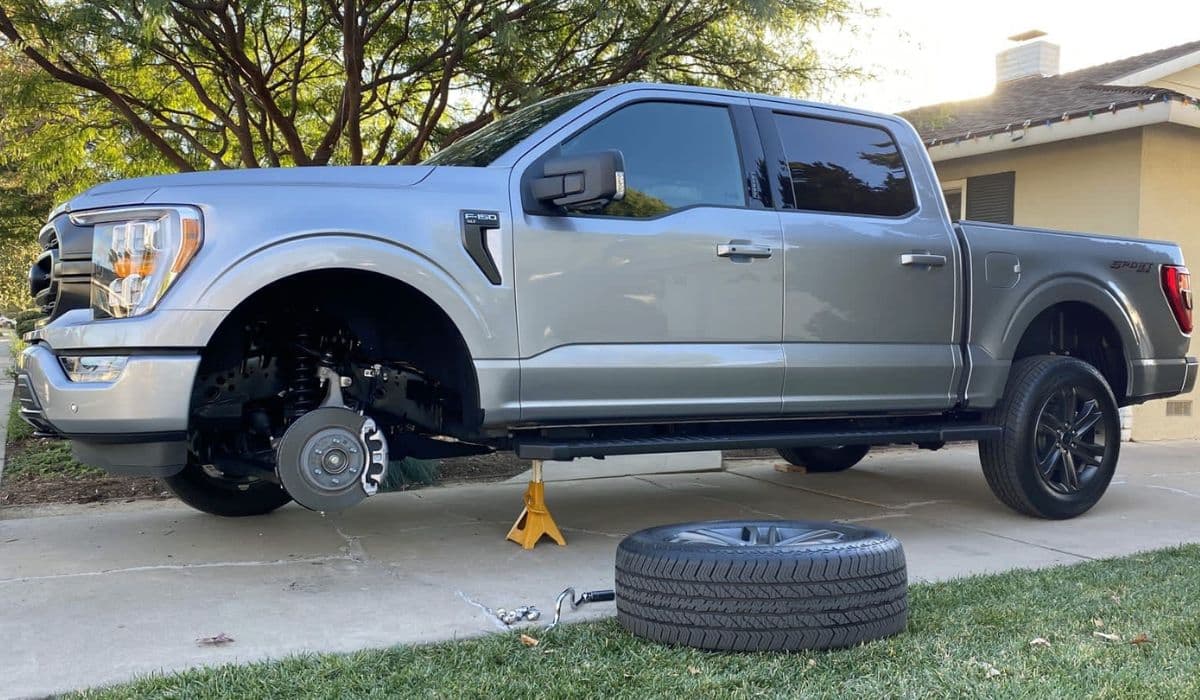
Ford F-150: How to Perform Tire Rotation and Balance Every 5,000 Miles
27.12.2025 14:45
Ford F-150 Aluminum Body: Corrosion Protection Tips
25.12.2025 14:18