
Ford Super Duty: Death Wobble Prevention Through Suspension Inspection
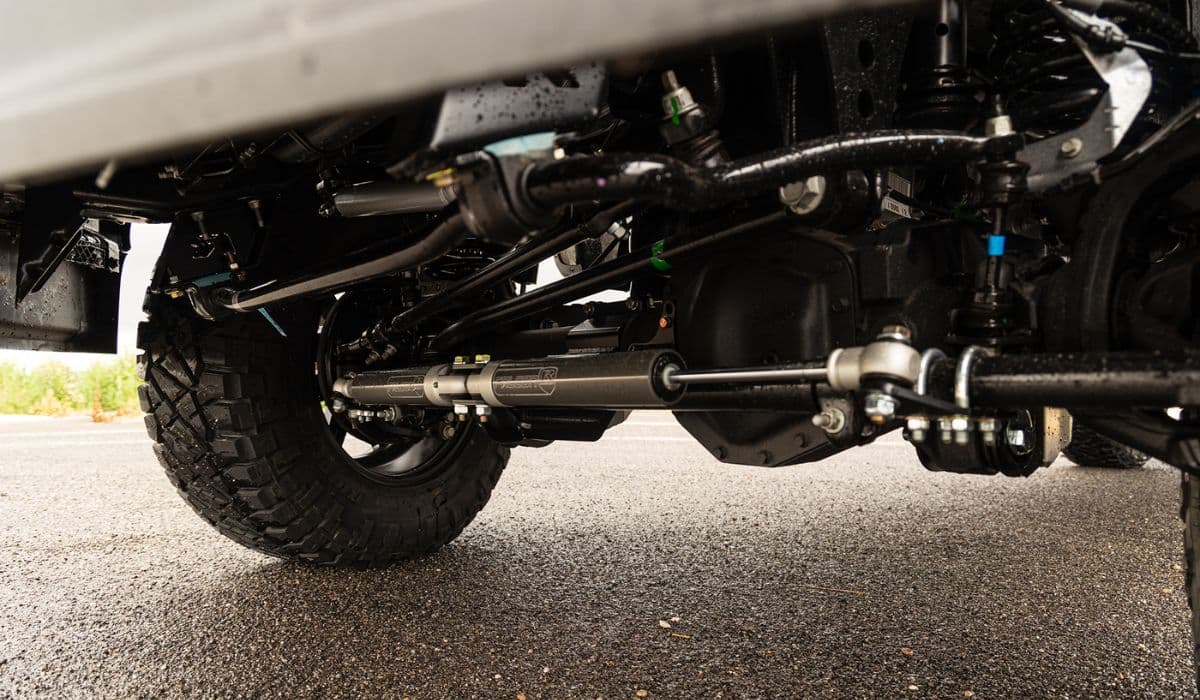
Death wobble strikes fear into the hearts of many Ford Super Duty owners, manifesting as a violent, uncontrollable shaking of the front end that can make the steering wheel feel like it's about to rip from your hands. This phenomenon isn't just an annoyance—it's a serious safety concern that often occurs at highway speeds, turning a routine drive into a pulse-pounding ordeal. For those piloting these heavy-duty beasts, designed for towing massive loads and conquering rugged terrain, encountering death wobble can shatter confidence in the vehicle's reliability.
At its core, death wobble is a harmonic vibration amplified by the truck's suspension system. It typically kicks in after hitting a bump or pothole, sending oscillations through the steering components that build upon each other until the whole front axle seems possessed. Ford Super Duty models, with their robust solid front axles and high ground clearance, are particularly susceptible due to their engineering focus on durability over refined on-road manners. Yet, this doesn't mean it's inevitable; proactive measures can keep it at bay.
Owners often describe the sensation as akin to driving over a series of rumble strips on steroids, with the truck shimmying side to side. It's not a gradual wear indicator but a sudden eruption that demands immediate deceleration to regain control. Ignoring early signs can lead to more frequent episodes, potentially escalating risks on busy roads or while hauling trailers.
Common Causes Behind Death Wobble
Pinpointing the root of death wobble requires understanding the interplay of various suspension elements. In Ford Super Duty trucks, several factors converge to trigger this issue, often stemming from wear and tear amplified by the vehicle's demanding usage.
Worn track bar bushings: These connect the axle to the frame, and when they degrade, lateral movement increases, allowing vibrations to propagate.
Loose ball joints: Essential for smooth steering, deteriorated joints create play that turns minor road imperfections into major shakes.
Imbalanced tires: Uneven wear or improper balancing can initiate the wobble, especially on trucks that see off-road action.
Damaged steering damper: This shock absorber for the steering system loses effectiveness over time, failing to dampen oscillations.
Misaligned front end: After heavy towing or rough trails, alignment drifts, exacerbating any existing weaknesses.
Beyond these, aftermarket modifications like lift kits or larger tires can upset the factory geometry, introducing new vulnerabilities. Even something as subtle as under-inflated tires can tip the scales toward instability. The key insight is that death wobble rarely has a single culprit; it's usually a symphony of minor issues reaching a critical threshold.
The Role of Regular Suspension Inspection
Routine suspension checks aren't just maintenance—they're your frontline defense against death wobble. By catching problems early, you maintain the truck's composure and extend the life of critical parts. Ford Super Duty's suspension, built for punishment, still demands vigilance, especially if you push it with heavy payloads or challenging environments.
Inspections reveal hidden wear that daily drives might mask. For instance, a slight clunk over bumps could signal impending trouble, but only a thorough look uncovers the source. This proactive approach transforms potential breakdowns into manageable fixes, keeping your Super Duty reliable for work or adventure.
Moreover, understanding your truck's suspension fosters a deeper connection, turning ownership into a rewarding pursuit. You'll spot patterns, like how winter salt accelerates corrosion on components, and adjust habits accordingly.
Step-by-Step Guide to Inspecting Your Suspension
Performing a suspension inspection on your Ford Super Duty doesn't require a professional mechanic's toolkit, but it does call for attention to detail and safety precautions. Start by parking on a level surface, engaging the parking brake, and chocking the wheels.
Begin with a visual overview: Look under the front end for obvious damage, leaks, or rust. Pay close attention to the track bar, radius arms, and drag link—these are death wobble hotspots.
Check tire condition: Inspect for uneven tread wear, bulges, or low pressure. Rotate the wheels to feel for resistance or wobbling hubs.
Test ball joints: Jack up the front end safely and grasp the tire at 12 and 6 o'clock positions. Rock it to detect vertical play, then at 3 and 9 for horizontal movement.
Examine bushings: Pry gently on the track bar and control arms with a pry bar to check for excessive give or cracking.
Inspect steering components: Wiggle the tie rods and drag link ends for looseness. The steering damper should compress smoothly without leaks.
Assess shocks and springs: Look for oil seepage on shocks and cracks in coil springs or leaf packs.
After the inspection, take a test drive on varied roads to note any vibrations or steering pull. Document findings to track changes over time.
Key Components That Demand Attention
Certain parts in the Ford Super Duty's suspension warrant extra scrutiny due to their direct influence on stability.
The track bar stands out as a prime suspect, anchoring the axle laterally. Worn bushings here allow side-to-side shift, feeding into wobble cycles. Similarly, the steering stabilizer acts as a buffer; a faulty one lets small inputs snowball.
Ball joints and tie rod ends form the steering linkage's backbone. These pivot points endure constant stress, especially under load, leading to play that amplifies road feedback.
Don't overlook the axle u-joints and wheel bearings—seized or worn, they introduce drag that destabilizes the front end. Even the frame mounts for suspension arms can crack from fatigue, subtly altering geometry.
Maintenance Strategies to Avoid Issues
Preventing death wobble extends beyond inspections to holistic care. Rotate tires every 5,000 to 8,000 miles to ensure even wear, and balance them during each rotation.
Lubricate fittings: Grease zerks on ball joints and tie rods quarterly to reduce friction and extend lifespan.
Align regularly: Schedule alignments after any suspension work or every 12,000 miles.
Upgrade wisely: If modifying, choose components that maintain factory angles, like adjustable track bars.
Clean thoroughly: Wash undercarriage after off-roading to remove debris that accelerates corrosion.
Monitor torque: Periodically check bolt torques on suspension hardware, as vibrations can loosen them.
Adopting these habits not only wards off death wobble but enhances overall handling, making your Super Duty feel more planted and responsive.
Signs It's Time for Expert Intervention
While DIY inspections cover basics, some symptoms signal the need for professional expertise. Persistent wobble despite checks, unusual noises like grinding, or visible structural damage demand a shop visit.
Technicians use specialized tools, like alignment racks and dial indicators, to measure play precisely. They can also diagnose subtler issues, such as bent axles or frame twists from accidents.
Addressing these early prevents cascading failures, ensuring your truck remains a dependable workhorse. Remember, safety trumps self-reliance—better to consult pros than risk a roadside crisis.
In the world of heavy-duty trucks, mastering suspension health unlocks smoother rides and peace of mind. By staying vigilant, Ford Super Duty owners can conquer death wobble before it strikes, turning potential nightmares into forgotten footnotes.
More from Ford

Ford F-150: Active Grille Shutter Maintenance and Cleaning Guide
28.12.2025 11:29
Ford Maverick Hybrid: Battery Cooling Fan Cleaning Tips
28.12.2025 08:22
Ford EcoBoost: Preventing Cam Phaser Rattle with Regular Oil Changes
28.12.2025 05:53
Ford F-150: Oil Change Interval Guide for EcoBoost Engines
27.12.2025 17:14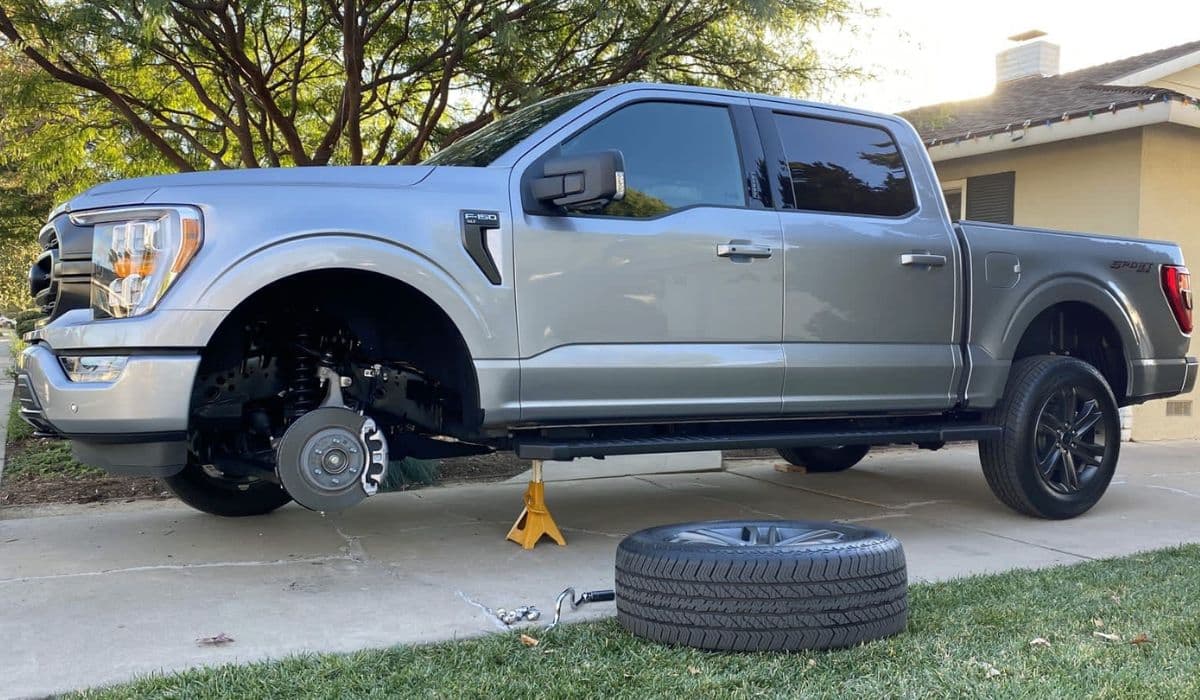
Ford F-150: How to Perform Tire Rotation and Balance Every 5,000 Miles
27.12.2025 14:45