LED Headlight Condensation Fix Tips Ford F-150
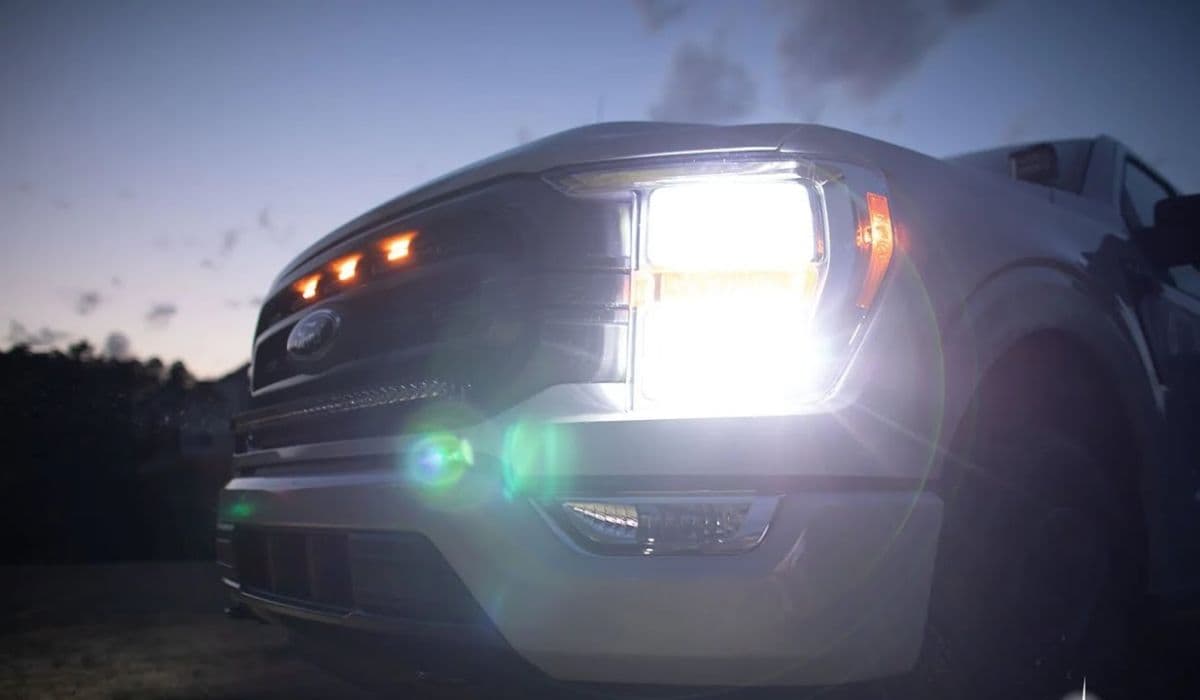
LED headlights have revolutionized visibility for Ford F-150 owners, offering brighter beams and longer lifespans compared to traditional halogens. However, one persistent issue that plagues many drivers is condensation buildup inside these modern lights. This foggy haze not only diminishes light output but can also lead to premature bulb failure if ignored. In this guide, we'll dive deep into practical, hands-on tips to resolve condensation in your F-150's LED headlights, drawing from real-world experiences of truck enthusiasts and mechanics. Whether you're tackling off-road adventures or daily commutes, clear headlights are essential for safety and aesthetics.
Understanding Condensation in LED Headlights
Condensation forms when warm, moist air inside the headlight housing cools down, causing water vapor to turn into droplets on the lens or internal components. Unlike older sealed-beam units, modern LED assemblies are designed with vents to equalize pressure, but this can sometimes invite humidity. For Ford F-150 models, especially from 2015 onward, the larger housing and advanced LED tech amplify this problem in humid climates or after car washes.
What makes it tricky is that a small amount of fogging might clear up on its own as the lights heat up, but persistent condensation signals deeper issues like compromised seals or manufacturing quirks. Interestingly, this phenomenon mimics how dew forms on grass at dawn—it's all about temperature differentials. F-150 owners often notice it more in colder months when the truck sits overnight, turning those sleek lights into misty orbs.
Common Causes of Condensation in Ford F-150 Headlights
Pinpointing the root cause is the first step toward a lasting fix. Several factors contribute to this annoyance in your F-150.
Cracked or Worn Seals: Over time, rubber gaskets around the lens can degrade from UV exposure, road debris, or extreme temperatures, allowing moisture to seep in.
Improper Installation: If you've recently replaced bulbs or the entire assembly, a misaligned cap or forgotten O-ring might be the culprit.
Vent Clogging: The built-in breather vents can get blocked by dirt, insects, or ice, trapping humid air inside.
Environmental Factors: High-humidity areas, frequent rain, or even pressure washing can force water past defenses.
Manufacturing Variations: Some F-150 batches have reported slight design flaws in the housing, where seams aren't perfectly airtight.
Recognizing these helps tailor your approach. For instance, if your truck sees a lot of trail dust, vent blockages might be more likely than seal wear.
Step-by-Step Guide to Fixing Condensation
Addressing condensation doesn't require a full overhaul—many fixes are DIY-friendly with basic tools. Start by parking your F-150 in a dry, well-lit garage to inspect safely.
First, remove the headlight assembly. On most F-150 models, this involves popping the hood, disconnecting the wiring harness, and unscrewing a few bolts—consult your owner's manual for specifics to avoid damaging clips.
Once out, dry the interior thoroughly. Use a hairdryer on low heat to evaporate moisture, or place silica gel packets inside for a few hours to absorb humidity. Avoid direct heat sources that could warp plastic.
Next, inspect and reseal. Check for cracks in the lens or housing; if minor, apply a thin bead of silicone sealant around edges. For vents, clean them with compressed air or a soft brush.
If condensation persists, consider adding ventilation. Some owners drill tiny holes at the bottom of the housing and cover them with Gore-Tex patches for breathability without water ingress—this mimics high-end aftermarket designs.
Reinstall carefully, ensuring all connections are secure. Test by running the lights for 30 minutes; if fog returns, repeat the drying process.
For stubborn cases, disassemble further. Remove the lens using a heat gun to soften adhesive, clean internals with isopropyl alcohol, and reassemble with fresh sealant. This method restores clarity like new but demands patience to prevent scratches.
Preventive Measures to Avoid Future Condensation
Keeping your F-150's headlights dry long-term involves smart habits and minor upgrades.
Regular Inspections: Every oil change, peek inside the housings for early signs of moisture.
Protective Coatings: Apply hydrophobic sprays on the exterior lens to repel water during rains.
Garage Storage: When possible, park indoors to minimize temperature swings.
Vent Upgrades: Install enhanced breather caps that filter out debris while allowing air flow.
Humidity Control: In damp regions, use dehumidifiers in your storage space or add desiccant packs during long-term parking.
These steps not only prevent condensation but enhance overall headlight performance, ensuring your F-150 cuts through night drives with precision.
Advanced Tips for Persistent Issues
For F-150 enthusiasts facing recurring problems, think beyond basics. Experiment with LED-specific desiccants that fit snugly inside the housing without obstructing light paths. Or, integrate small fans from electronics projects to circulate air during operation, though this requires wiring know-how.
Another angle: monitor your truck's electrical system. Faulty grounds or overvoltage can overheat LEDs, exacerbating condensation cycles. Use a multimeter to verify stable power delivery.
In extreme climates, consider thermal wraps around housings to stabilize internal temperatures, drawing inspiration from aerospace insulation techniques. This keeps the assembly warmer, reducing dew points.
By layering these strategies, you'll transform a common headache into a manageable aspect of truck ownership, enjoying crystal-clear illumination on every journey.
More from Ford
Ford F-150: Active Grille Shutter Maintenance and Cleaning Guide
28.12.2025 11:29
Ford Maverick Hybrid: Battery Cooling Fan Cleaning Tips
28.12.2025 08:22
Ford EcoBoost: Preventing Cam Phaser Rattle with Regular Oil Changes
28.12.2025 05:53
Ford F-150: How to Perform Tire Rotation and Balance Every 5,000 Miles
27.12.2025 14:45
Ford F-150 Aluminum Body: Corrosion Protection Tips
25.12.2025 14:18