Rear Differential Fluid Change Schedule Ford F-150
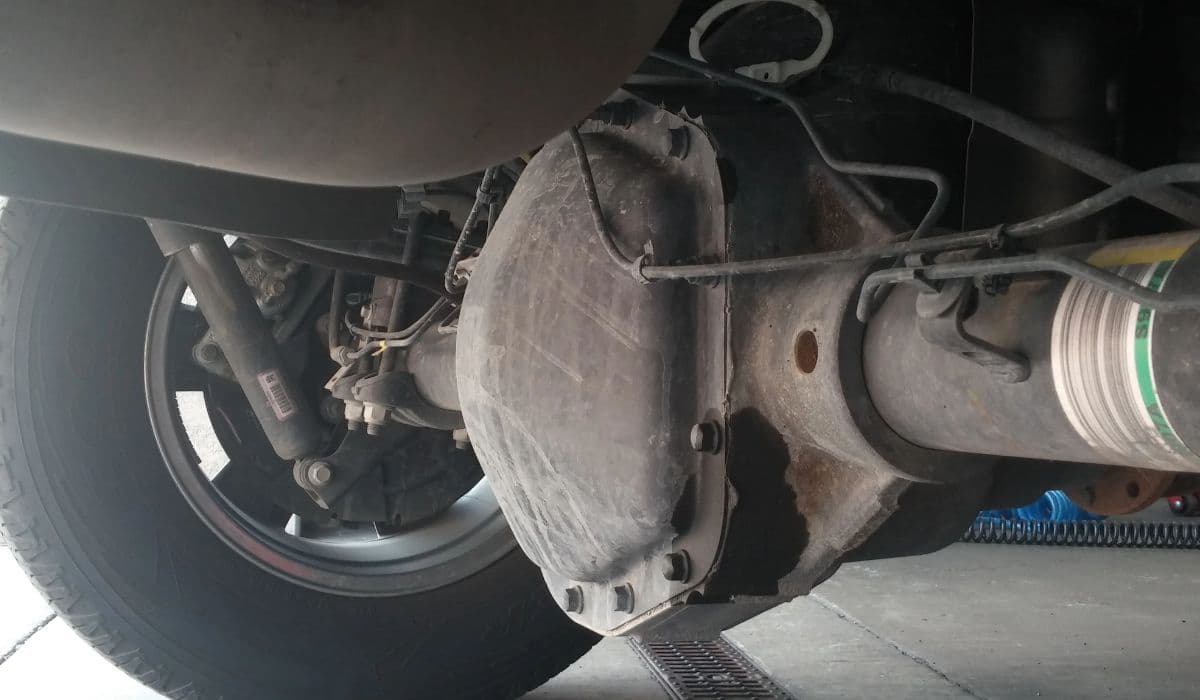
The rear differential in a Ford F-150 is a critical component that ensures smooth power distribution to the rear wheels, especially during turns or when towing heavy loads. This mechanical marvel relies on specialized fluid to lubricate its gears, bearings, and other internal parts. Without proper lubrication, friction can lead to excessive wear, heat buildup, and potential failure.
Rear differential fluid isn't just any oil; it's formulated to withstand high pressures and temperatures. In the Ford F-150, which is known for its rugged performance in off-road adventures and daily hauling, this fluid plays a pivotal role in maintaining traction and stability. Imagine navigating a muddy trail or pulling a trailer up a steep incline—the differential fluid quietly works behind the scenes to prevent slippage and ensure even torque delivery.
What makes this fluid unique? It often includes additives like friction modifiers, especially in limited-slip differentials common in many F-150 models. These help the clutch packs engage smoothly, reducing chatter and improving handling. Over time, however, contaminants from metal shavings, water, or dirt can degrade the fluid's effectiveness, turning a protective elixir into a gritty sludge.
Why Timely Fluid Changes Matter for Longevity and Performance
Neglecting rear differential fluid changes can transform your reliable Ford F-150 into a noisy, inefficient beast. Regular maintenance isn't about following a checklist; it's about preserving the truck's legendary durability. Heat from constant operation breaks down the fluid's viscosity, leading to inadequate protection and accelerated component wear.
For enthusiasts who push their F-150 to the limits—whether rock crawling in the Rockies or hauling equipment across job sites—fluid degradation happens faster. This can manifest as reduced fuel efficiency, as the engine works harder to overcome internal resistance. Moreover, in extreme cases, ignored maintenance might void certain warranty aspects or lead to costly repairs down the line.
Think of it as preventive care: just like rotating tires or changing engine oil, swapping out differential fluid keeps everything running optimally. It also enhances safety, as a well-lubricated differential contributes to better control during evasive maneuvers or slippery conditions.
Recommended Change Intervals Based on Driving Conditions
Ford provides guidelines tailored to the F-150's versatile nature, but the exact schedule depends on how you use your truck. For standard driving, such as highway commutes or light city use, the manufacturer suggests inspecting and potentially changing the rear differential fluid every 100,000 miles. However, this is a baseline—real-world factors often demand more frequent attention.
In severe service conditions, which include frequent towing, off-roading, or operating in dusty environments, intervals shorten significantly. Here, aim for changes every 30,000 to 50,000 miles to keep contaminants at bay.
Dusty or sandy areas accelerate particle ingress, necessitating checks around 40,000 miles.
Heavy towing or payload scenarios generate more heat, so consider 30,000-mile intervals.
Extreme temperatures, like scorching summers or freezing winters, can alter fluid properties, prompting evaluations at 50,000 miles.
If your F-150 has a limited-slip differential, monitor for additive depletion, which might require fluid refreshment sooner.
Always consult your model's owner's manual for specifics, as variations exist across years like the 2015-2020 or newer 2021+ generations. Newer models with advanced electronics might even have sensors alerting to fluid issues.
Spotting Warning Signs That Demand Immediate Attention
Your Ford F-150 communicates when something's amiss, and the rear differential is no exception. Paying attention to these cues can prevent minor issues from escalating into major headaches. Unusual noises are often the first red flag—a whining or howling sound during acceleration or turns indicates fluid that's too thin or contaminated.
Visual inspections reveal much: check for leaks around the differential cover or axle seals. A reddish-brown puddle under the truck suggests fluid loss, which starves the internals of lubrication. Additionally, a burnt smell from the area points to overheating, often due to low or degraded fluid.
Performance changes offer subtle hints too. If you notice increased vibration through the drivetrain or a sensation of binding in turns, the fluid might have lost its effectiveness. In limited-slip setups, chattering during low-speed maneuvers signals that friction modifiers are worn out.
Whining noises at highway speeds often stem from insufficient lubrication.
Leaks manifesting as spots on the driveway require prompt sealing and refill.
Vibrations felt in the floorboard could indicate gear wear from old fluid.
Difficulty in turning or uneven tire wear might link back to differential issues.
Addressing these early keeps your adventures uninterrupted and your truck performing at its peak.
Step-by-Step Guide to Performing a Fluid Change
Changing the rear differential fluid in your Ford F-150 is a straightforward DIY task that rewards you with peace of mind. Start by gathering essentials: the correct fluid type (typically synthetic 75W-140 for most models), a drain pan, and basic tools like a socket set. Park on level ground and engage the parking brake for safety.
Begin by removing the fill plug first—this ensures you can refill later without issues. Then, loosen the drain plug to let the old fluid flow out. Observe its condition: if it's milky (indicating water contamination) or metallic, inspect internals further.
Once drained, reinstall the drain plug securely. Pump in new fluid through the fill hole until it starts to overflow, then replace the fill plug. Run the truck briefly to circulate the fluid, and recheck levels.
For models with limited-slip, add a friction modifier if specified. This process not only refreshes lubrication but also gives you a chance to spot any gasket wear or bolt issues.
Expert Tips to Extend Differential Life Beyond Basic Changes
To maximize your Ford F-150's rear differential longevity, integrate habits that go beyond scheduled changes. Regular undercarriage inspections, especially after off-road excursions, help catch debris or damage early. Using high-quality synthetic fluids provides better thermal stability, ideal for demanding uses.
Consider upgrading to breathers with filters in dusty environments to minimize contaminant entry. Also, avoid abrupt accelerations or overloading, as these stress the differential unnecessarily.
Opt for synthetic fluids for superior protection in varied climates.
Install extended breathers to reduce moisture ingress during water crossings.
Monitor axle temperatures with aftermarket gauges for proactive care.
Combine fluid changes with other services like axle seal checks for efficiency.
By adopting these practices, your F-150 remains a dependable companion for years of reliable service.
More from Ford
Ford F-150: Active Grille Shutter Maintenance and Cleaning Guide
28.12.2025 11:29
Ford Maverick Hybrid: Battery Cooling Fan Cleaning Tips
28.12.2025 08:22
Ford EcoBoost: Preventing Cam Phaser Rattle with Regular Oil Changes
28.12.2025 05:53
Ford F-150: How to Perform Tire Rotation and Balance Every 5,000 Miles
27.12.2025 14:45
Ford F-150 Aluminum Body: Corrosion Protection Tips
25.12.2025 14:18