3rd Gen Tacoma Secondary Air Injection Bypass: Complete Guide for 2016-2023 Toyota Tacoma Owners
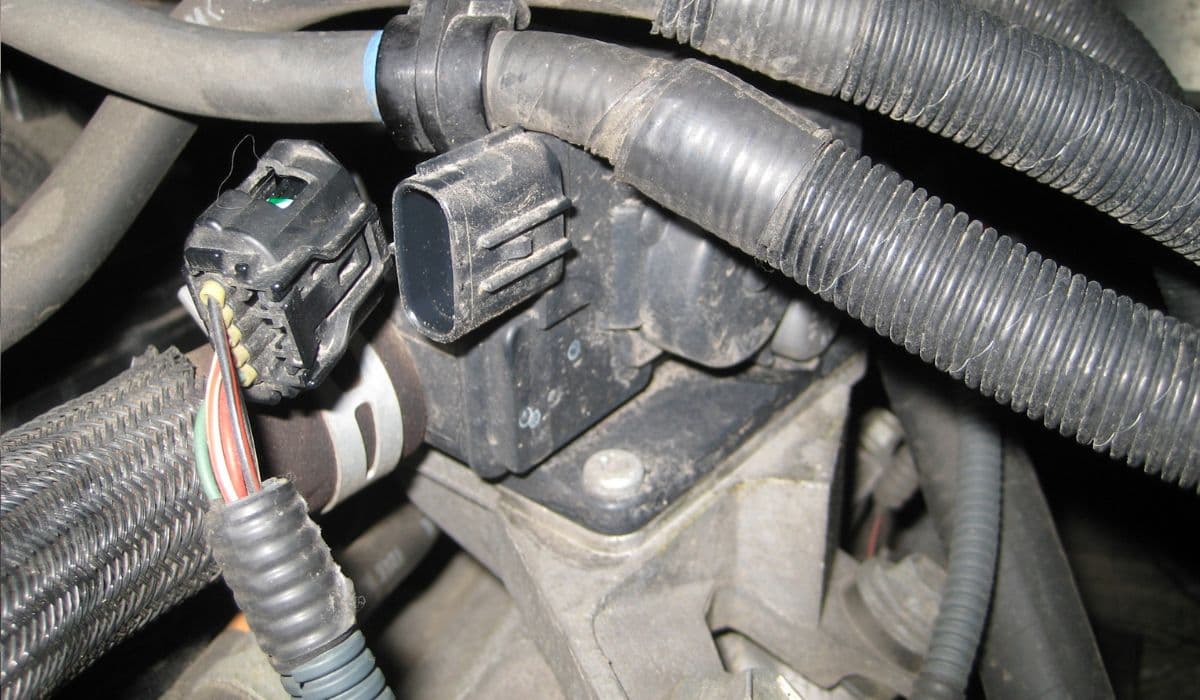
Understanding the Secondary Air Injection System (SAI) in 3rd Gen Tacoma
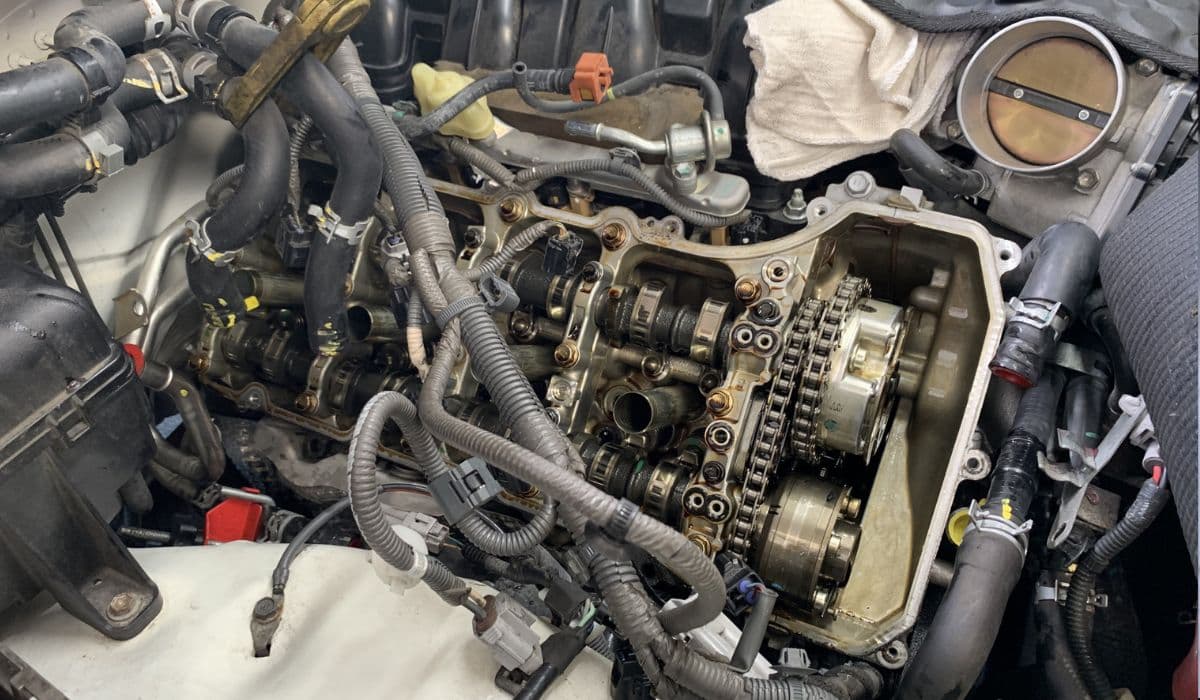
The 3rd generation Toyota Tacoma (2016-2023) with the 2GR-FKS 3.5L V6 engine comes factory-equipped with a Secondary Air Injection System. This emissions control device injects fresh air into the exhaust ports during cold starts to help the catalytic converters reach operating temperature faster, significantly reducing hydrocarbon (HC) and carbon monoxide (CO) emissions in the first 60-90 seconds after startup.
The system consists of:
Two electric air pumps (one per cylinder bank)
Two air switching valves (ASV)
Air injection manifolds drilled into the cylinder heads
Vacuum solenoids, pressure sensors, reed valves, and a complex network of steel and rubber hoses
Dedicated SAI fuse and relay in the engine bay fuse box
While effective for emissions compliance, the system is notoriously fragile on the 3rd gen Tacoma, especially in regions with high humidity, road salt, or off-road use.
Most Common Secondary Air Injection Failure Symptoms
Owners typically notice these warning signs:
Loud whining or grinding noise from the air pumps on cold start (often described as a dying vacuum cleaner)
Check Engine Light with codes P0418, P0419, P2440, P2441, P2442, P2443, P2445, P2447
Reduced power or limp mode in extreme cases
Water intrusion damage visible on air pump housings (corrosion, rust, seized motor)
Failed pressure sensor readings despite functional pumps
Blown SAI fuse (30A) due to seized pump drawing excessive current
Toyota issued a Technical Service Bulletin (T-SB-0144-17) acknowledging premature failure, but the warranty enhancement only extends coverage to 10 years/150,000 miles under specific conditions.
Why Owners Choose Secondary Air Injection Bypass
Many 3rd gen Tacoma owners living outside of strict emissions testing states (or those who off-road extensively) opt for a permanent bypass solution because:
Genuine Toyota replacement air pumps cost $800–$1,200 each (two required)
Complete OEM system replacement often exceeds $3,500–$4,500 at dealership
Labor is extremely intensive – cylinder head removal sometimes needed to replace rusted air injection manifolds
Failures frequently reoccur even after expensive repair due to inherent design flaw (poor water drainage and unsealed pumps)
Bypass eliminates cold-start noise and future repair costs permanently
Popular Bypass Methods Compared
1. Resistor + Block-Off Plate Kit (Most Common)
The simplest and most widely used method involves:
Installing 2.2–2.7 ohm 50W resistors (one per pump circuit) to fool the ECU into thinking pumps are operating normally
Aluminum or stainless block-off plates with gaskets bolted over the cylinder head air injection ports
Optional silicone caps over vacuum lines and pressure sensor ports
Pros: Completely reversible, cheapest option (~$80–$150), no welding required
Cons: Some owners report occasional P2445 code return in very cold weather
2. Hewitt Technologies SAIS Bypass Module
A plug-and-play electronic emulator that connects directly to the factory wiring harness.
Actively simulates correct pressure sensor and pump current draw
Weatherproof housing, lifetime warranty from Hewitt
No block-off plates required (pumps can stay in place but unplugged)
Pros: Cleanest installation, most reliable long-term, zero codes reported by thousands of users
Cons: Higher cost (~$329–$369)
3. Custom ECU Tune / Flash Delete
Professional tuners (KDMax, OV Tune, VF Tuner) offer permanent SAI deletion through custom calibration.
Completely removes SAI monitoring from ECU logic
Often combined with performance improvements
Pros: Most comprehensive solution, slight power/fuel economy gain from leaner cold-start calibration
Cons: Requires professional flashing tool, may affect warranty, not legal in emissions-testing states
4. Manual Relay Bypass (Old-School Method)
Involves wiring a relay that only activates pumps when the ECU commands, but resistors still used.
Rarely recommended anymore due to complexity.
Step-by-Step Installation Guide for Resistor + Block-Off Plate Bypass
Tools needed: 10mm, 12mm, 14mm sockets, torque wrench, gasket scraper, anti-seize, RTV silicone
Disconnect battery negative terminal
Remove engine cover and intake tubing for access
Unplug both air pump connectors (driver and passenger side near frame rails)
Solder or crimp 2.2–2.7 ohm 50W aluminum resistors into the pump harness (pins 1 and 4 typically)
Mount resistors to metal surface with heatsink compound or zip-tie away from heat
Remove air injection manifold covers on both cylinder heads (four 12mm bolts each side)
Thoroughly clean gasket surfaces
Install CNC-machined block-off plates with new gaskets (torque to 15 ft-lbs in cross pattern)
Cap vacuum lines to air switching valves with 5/16" vacuum caps and zip ties
Plug pressure sensor connectors with dummy plugs or wrap in electrical tape
Clear all codes with OBD2 scanner
Reconnect battery and verify no CEL
Total time: 2–4 hours for experienced DIY.
Best Aftermarket Bypass Kits in 2025
Hewitt Technologies Gen3 Tacoma SAIS Bypass Module – gold standard for zero codes
Dobinsons Direct SAI Bypass Kit – includes precision CNC plates and resistors
YotaWerx SAI Delete Kit – popular budget option with stainless plates
Runnin4Tacos Complete Bypass Kit – includes detailed video instructions
Metal Tech 4x4 Heavy-Duty Block-Off Plates – thickest available for extreme off-road
Legal and Emissions Testing Considerations
Secondary air injection bypass is not CARB-approved and considered emissions tampering under EPA regulations. However:
49-state vehicles (non-California) have no federal visual inspection
Many counties with emissions testing only perform OBD2 readiness checks – bypassed Tacomas pass if no codes stored
Sniffer test states (few remaining) will fail without functional SAI
Always check local laws before proceeding
Long-Term Effects and Reliability After Bypass
Over 50,000 documented 3rd gen Tacomas now running bypassed systems for years show:
Zero impact on catalytic converter longevity
No measurable increase in tailpipe emissions during normal operation
Slight improvement in cold-start performance (less load on alternator)
Complete elimination of future $3,000+ repair bills
The secondary air injection system only operates for ~60 seconds on cold start – its deletion has negligible real-world emissions impact for most driving cycles.
Final Recommendations by Use Case
Daily driver in non-emissions state → Hewitt module (cleanest)
Budget-conscious off-roader → Dobinsons or YotaWerx block-off kit
Performance build → Custom tune delete
California resident with smog check → Repair OEM system or relocate
The 3rd gen Tacoma secondary air injection bypass has evolved from a sketchy resistor mod into a mature, reliable modification embraced by the entire Tacoma community as the definitive fix for Toyota’s most expensive Achilles heel.
More from Toyota
Tacoma 2.7 2TR-FE Spark Plug Replacement at 200,000+ Miles: Complete Real-World Guide
08.12.2025 17:27
RAV4 Hybrid Inverter Coolant Bleed Procedure: Complete Step-by-Step Guide
08.12.2025 17:31
2024 Toyota Tacoma i-FORCE MAX Battery Drain Fix – Complete Owner’s Guide
08.12.2025 17:35
Camry 2GR-FE V6 Water Pump Replacement DIY – Full Step-by-Step Guide
08.12.2025 17:39
How to Diagnose and Perform 4Runner Transfer Case Actuator Bypass When 4WD Won't Engage
08.12.2025 17:44