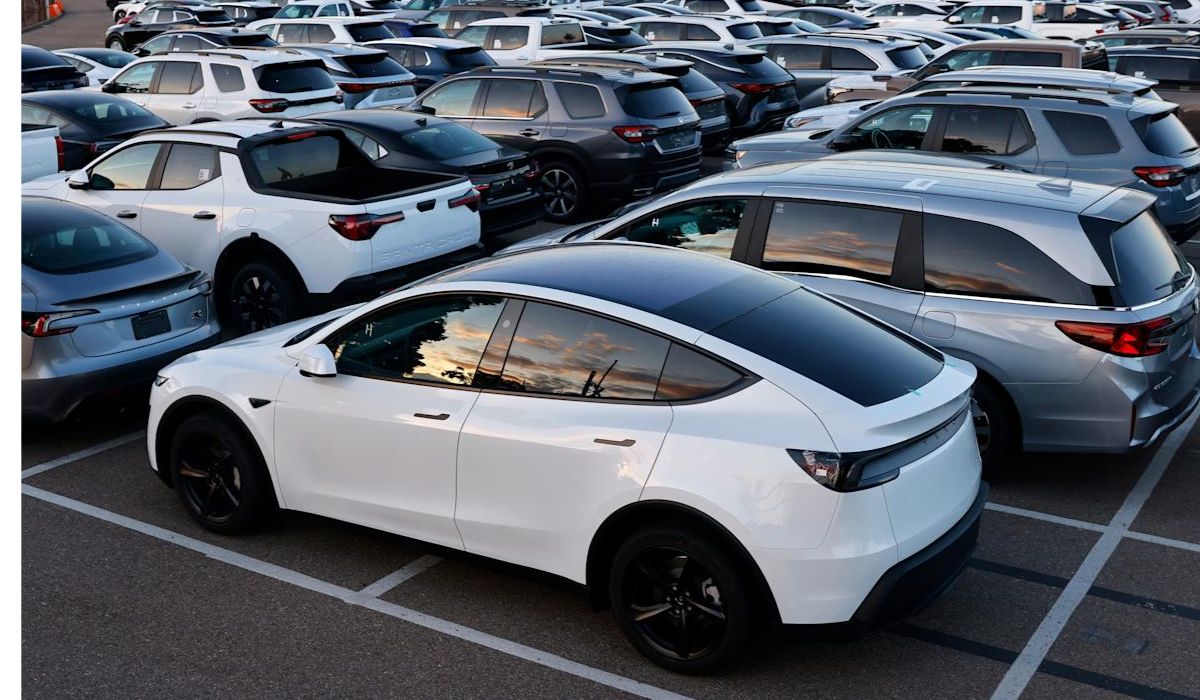
Analysts predict a slight slowdown in U.S. vehicle sales for 2026

The U.S. automotive market continues to demonstrate remarkable resilience, yet leading industry experts now anticipate a modest cooling after a stronger-than-expected performance in the previous cycle. Major forecasting firms project total new light-vehicle sales to settle around 15.8–15.9 million units, representing a gentle decline of roughly 2–2.5% compared with recent highs. While this adjustment signals no dramatic collapse, it reflects a market entering a more normalized, mature phase shaped by complex and sometimes opposing forces.
Persistent Affordability Challenges Remain the Primary Headwind
Affordability has emerged as the single most influential factor constraining broader market expansion. Many potential buyers continue facing stretched household budgets due to lingering inflationary effects and elevated borrowing costs that have become the new normal.
Key elements contributing to this pressure include:
Sustained higher average transaction values for new vehicles compared with pre-pandemic levels
Limited availability of truly entry-level models across mainstream brands
Monthly payment sensitivity among middle- and lower-income households
Competition from a still-attractive used-vehicle market offering better perceived value
Analysts observe increasing trade-down behavior — consumers opting for smaller segments, older model years, or certified pre-owned options instead of stretching for brand-new vehicles.
Diverging Consumer Segments Create a Fragmented Market
The market increasingly splits into distinct groups with very different purchasing power and priorities.
Higher-income households, benefiting from wealth effects, investment gains, and potentially favorable tax adjustments, remain willing and able to purchase new vehicles — especially premium, luxury, and high-tech models.
Conversely, large portions of the middle market demonstrate greater caution:
Delaying replacement purchases beyond normal cycles
Choosing more fuel-efficient or lower-trim variants
Shifting toward leasing when it improves monthly cash flow
Exploring certified pre-owned alternatives with factory-backed warranties
This polarization explains why overall volume softens even while certain segments (large SUVs, premium crossovers, heavy-duty pickups) maintain solid momentum.
Policy Shifts and Regulatory Uncertainty Add Complexity
The automotive landscape faces continued policy turbulence that influences planning for both manufacturers and consumers.
Important developments expected to create ripples include:
Ongoing adjustments to fuel economy and emissions standards
Potential modifications to trade agreements affecting supply chains
Evolving tariff policies impacting imported vehicles and components
Transition away from previous federal incentives in the electrification space
The upcoming renegotiation of major trade frameworks stands out as a particular focal point likely to generate headlines and strategic recalibrations throughout the industry.
Electric Vehicle Market Enters a New, More Mature Phase
After several years of rapid growth fueled by incentives and novelty, the EV segment faces a transitional period.
Without the same level of direct consumer subsidies, mainstream adoption relies more heavily on organic value propositions: improved range, better charging infrastructure, lower operating costs, and compelling product offerings.
Additional dynamics include:
Increasing volume of early-generation EVs returning to the used market from leases
Growing price competition among established and new entrants
Consumer education around total cost of ownership becoming even more critical
Regional differences in adoption rates based on electricity costs and charging availability
Many experts view this as a healthy normalization rather than a reversal, setting the stage for more sustainable long-term growth.
Economic Backdrop: Slower Growth but No Recession Signal
Broader economic forecasts point toward continued expansion, albeit at a more measured pace than recent years.
Analysts highlight a pattern of "jobless expansion" — where productivity improvements and capital investment drive growth more than rapid employment gains.
Positive elements that could mitigate the slowdown include:
Anticipated gradual easing of borrowing costs throughout the year
Seasonal boost from larger tax refunds in the first half
Strong consumer balance sheets among certain demographics
Continued corporate fleet replacement demand in select categories
These supportive factors explain why most projections describe the expected dip as moderate rather than alarming.
Manufacturer Strategies: Balancing Innovation and Market Realities
Automakers respond to the evolving environment with increasingly targeted approaches.
Many shift resources toward high-demand segments: full-size trucks, premium SUVs, and versatile crossovers that maintain strong transaction values.
Others accelerate hybrid offerings that bridge the gap between traditional powertrains and full electrification, appealing to buyers seeking efficiency without range anxiety.
Dealers, meanwhile, focus on operational excellence:
Enhanced digital retailing experiences
Improved inventory management through data analytics
Stronger emphasis on service and parts departments
Targeted marketing to high-intent buyer groups
Looking Toward Market Stability and New Normal
The anticipated modest slowdown should not overshadow the fundamental strength of the U.S. automotive sector. After navigating supply disruptions, rapid electrification shifts, policy changes, and affordability headwinds, the industry appears to be settling into a sustainable rhythm.
Most forecasters describe the outlook as a "slowing but still healthy" market — one capable of delivering solid volume while gradually addressing structural challenges around affordability, segmentation, and technological transition. The year ahead promises continued evolution rather than revolution, with success likely favoring brands and retailers that best read and respond to increasingly diverse consumer needs.
More from News
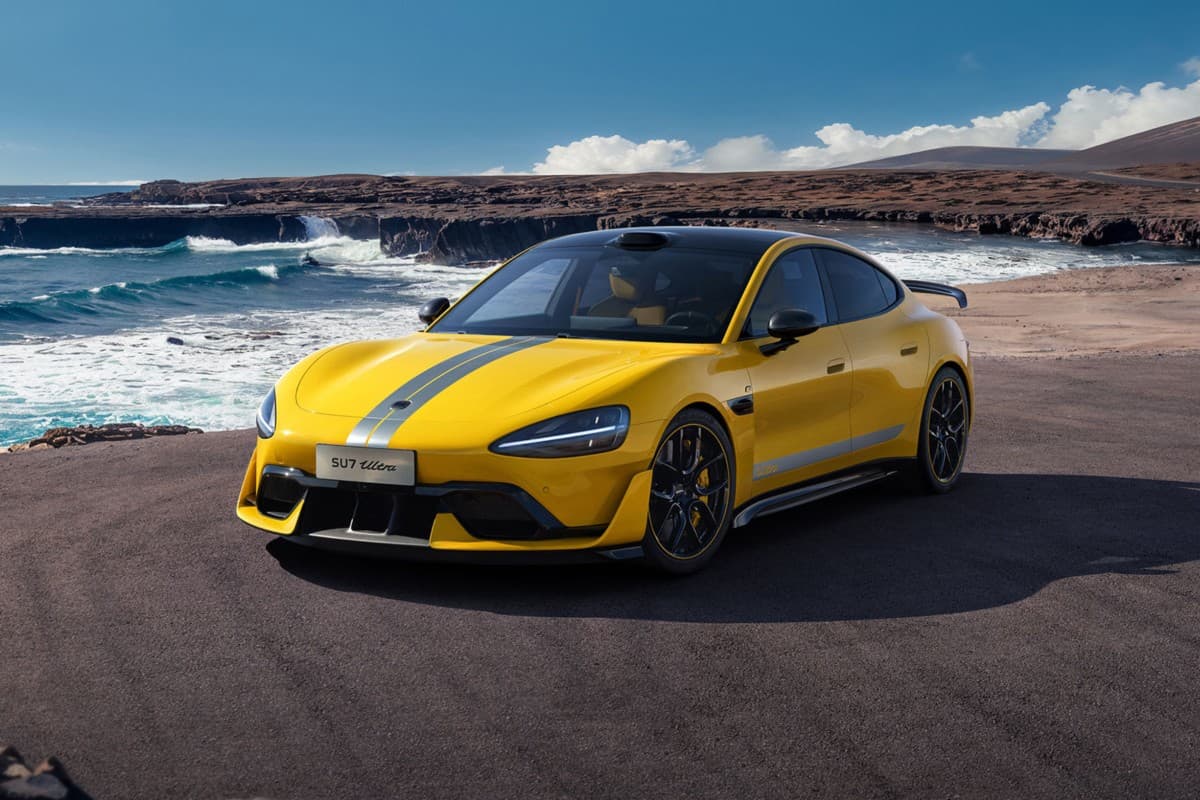
Chinese EVs Flooding North America? Xiaomi SU7, BYD & More Coming
07.01.2026 14:22
Ram TRX Returns with 777hp Supercharged V8 — Muscle Truck Wars Heat Up
07.01.2026 17:24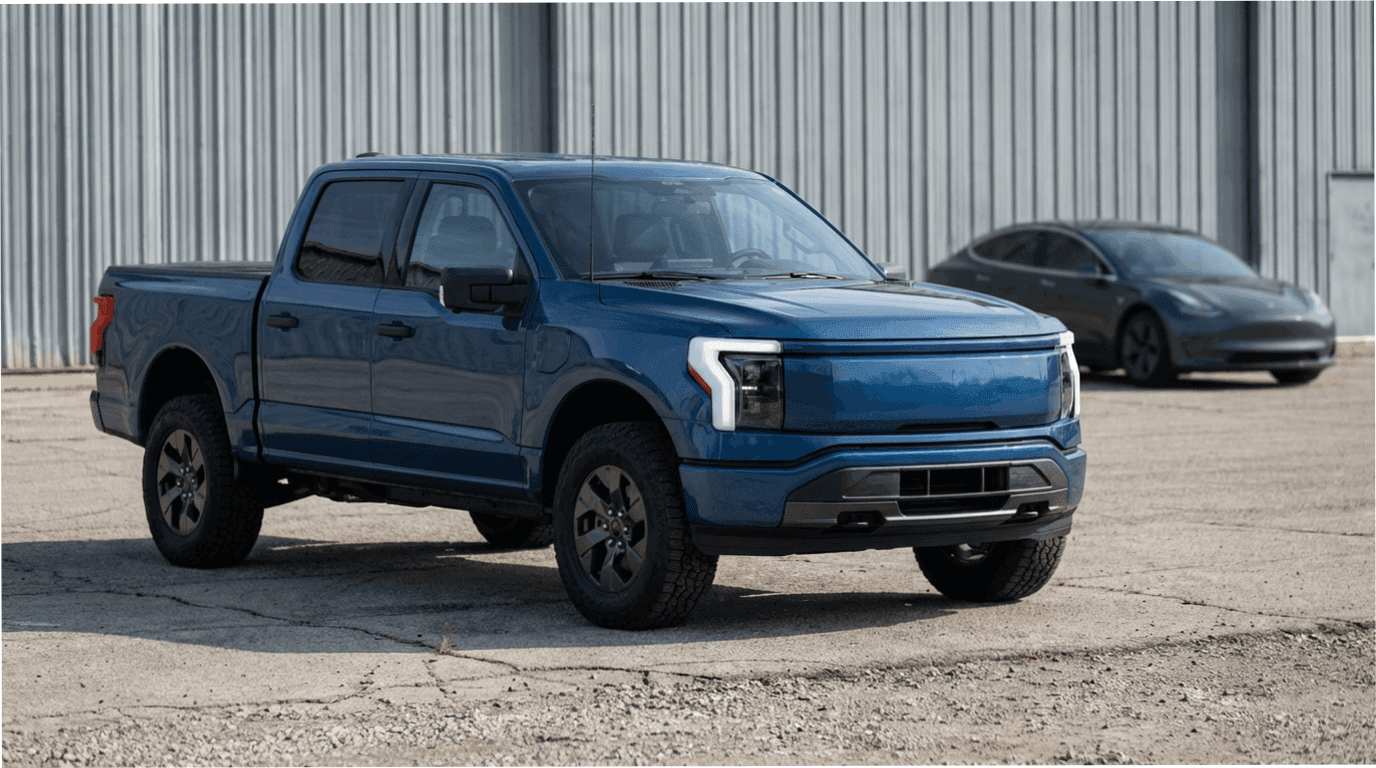
Why Ford Couldn’t Replicate Tesla’s EV Success
The electric F-150 impressed on paper but failed to meet the expectations set by Tesla
22.12.2025 18:47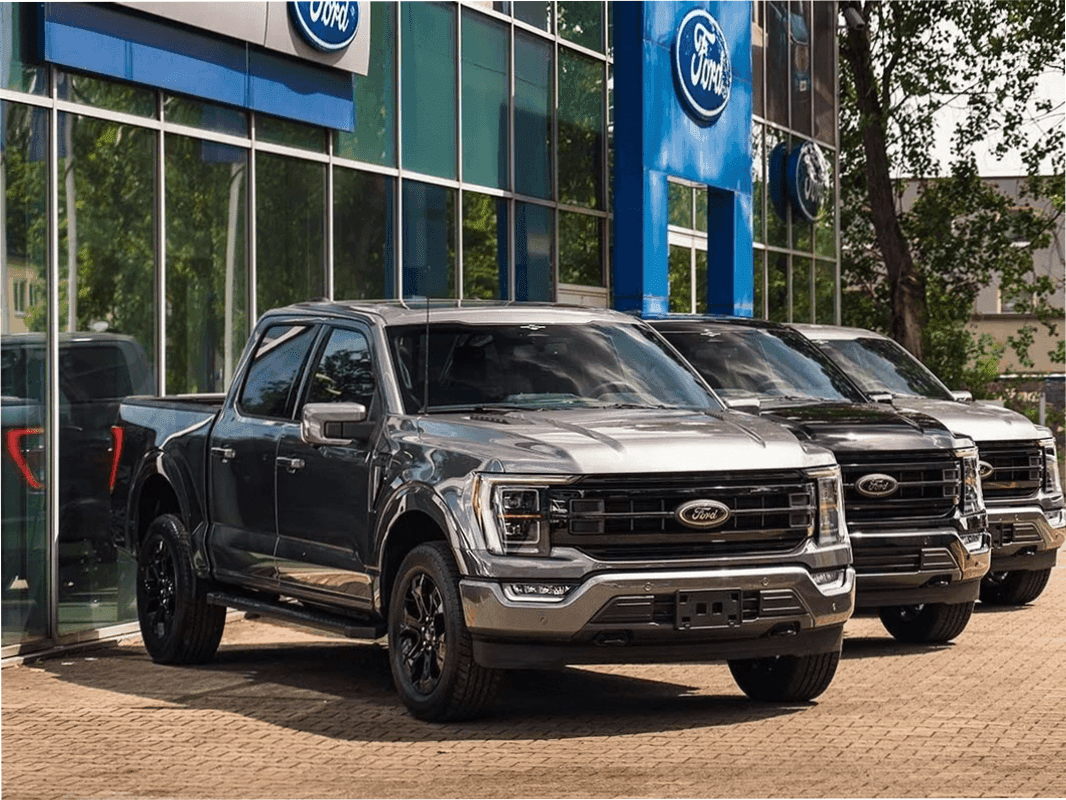
Ford Shatters Recall Record — 12.9 Million Vehicles in 2025 Alone
08.01.2026 15:52
Hyundai & Kia Recall Over 1 Million Vehicles — What’s Actually Failing?
08.01.2026 15:40