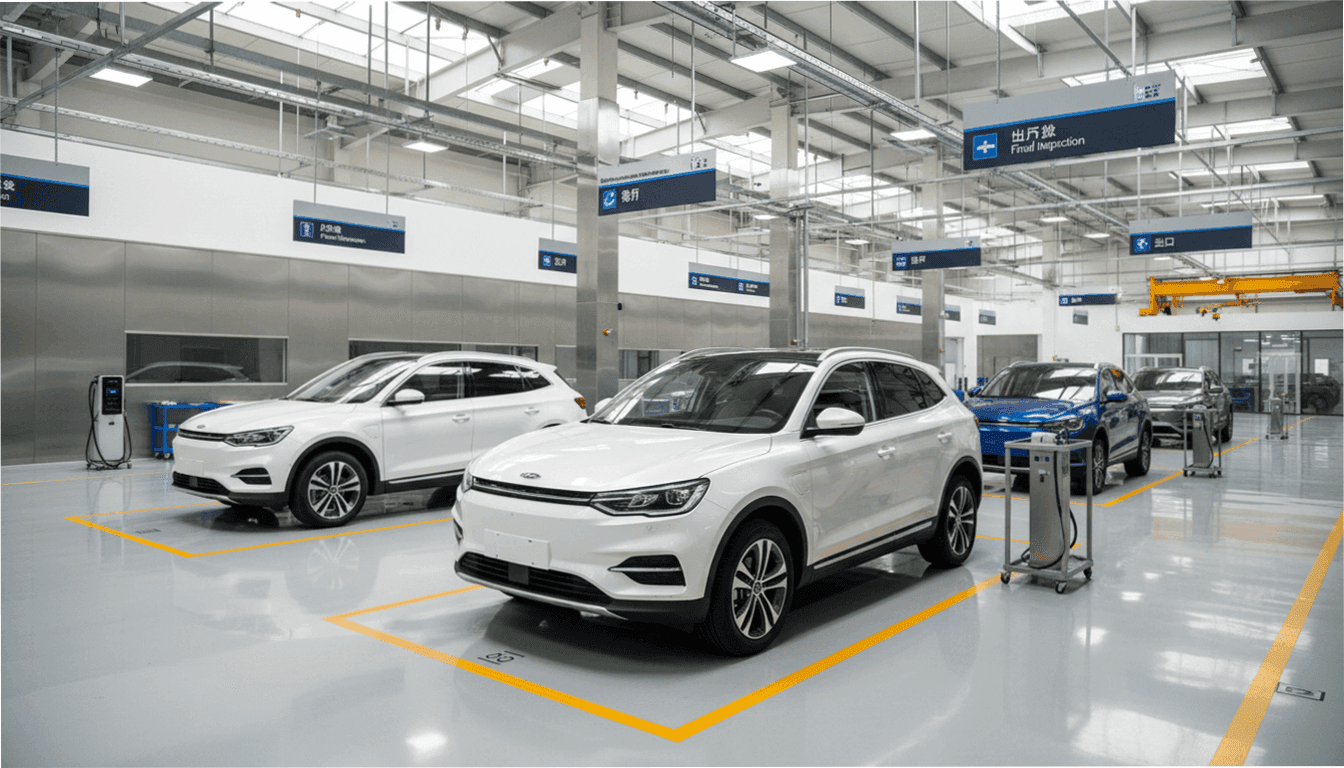
Chinese EVs Flooding North America? Xiaomi SU7, BYD & More Coming
The electric vehicle landscape is undergoing a seismic shift, with Chinese manufacturers at the forefront of innovation and market expansion. As domestic demand in China plateaus due to market saturation, companies are aggressively pushing overseas, targeting regions with growing appetite for sustainable mobility. This global pivot is driven by advanced battery technologies, efficient supply chains, and a focus on high-performance models that rival established players.
In recent years, exports of Chinese EVs have surged dramatically, with shipments increasing by over 80% year-on-year in key months. Latin America, Southeast Asia, and parts of Europe have become hotspots, where these vehicles are gaining traction for their blend of cutting-edge features and reliability. North America, however, presents a unique scenario—high tariffs and regulatory hurdles create barriers, yet proximity to manufacturing hubs like Mexico is opening indirect pathways. Brands are establishing local production to circumvent trade restrictions, signaling a potential influx that could reshape the continent's automotive ecosystem.
Xiaomi SU7: A Tech Giant's Leap into EVs
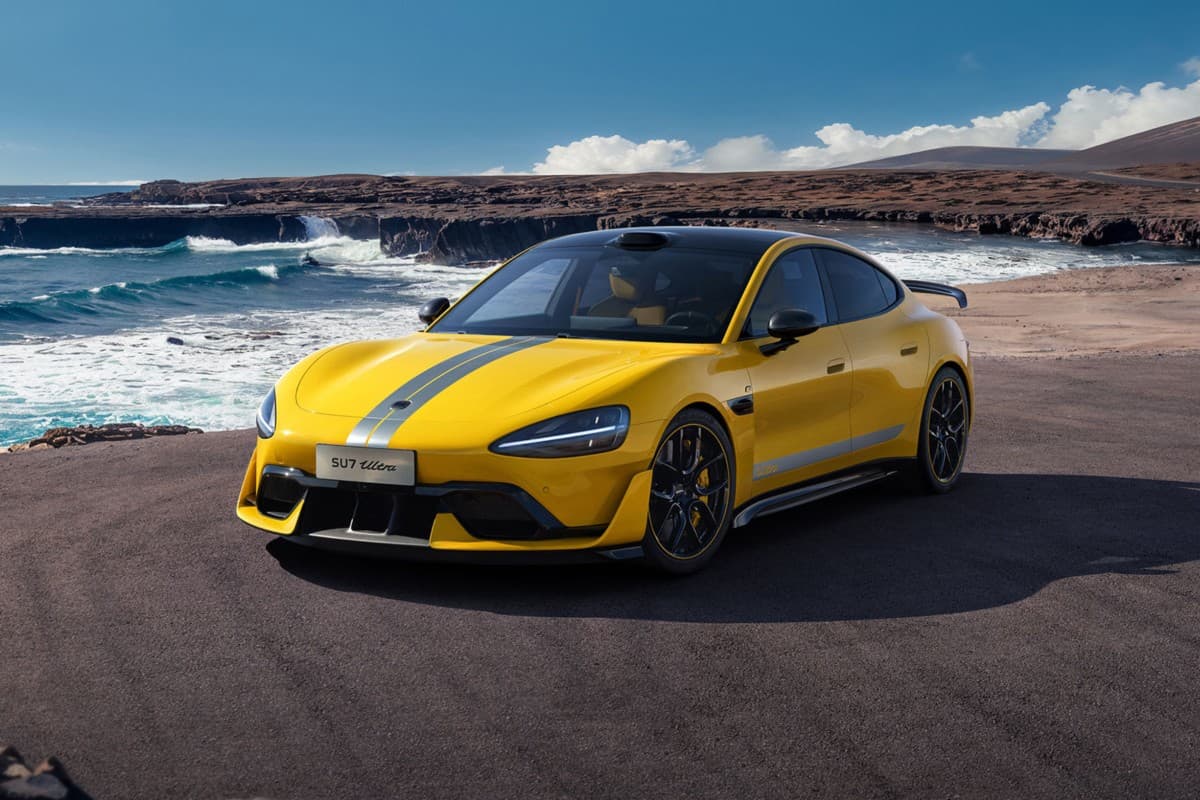
Xiaomi, renowned for its smartphones and smart devices, has made a bold entry into the automotive world with the SU7 sedan, which has quickly become a benchmark for integrated technology in vehicles. Launched amid high expectations, this model combines sleek design with powerhouse performance, drawing comparisons to premium sedans from legacy automakers.
Key features that set the SU7 apart include:
Dual-motor all-wheel-drive configurations delivering rapid acceleration and precise handling.
Advanced battery integration using cell-to-body technology for enhanced efficiency and structural integrity.
Autonomous driving capabilities powered by adaptive algorithms, road-mapping models, and high-resolution occupancy networks for safer navigation.
A spacious interior with a massive head-up display and ergonomic seating, emphasizing driver comfort during long journeys.
The SU7's success in China—evidenced by record-breaking delivery numbers—stems from its ecosystem connectivity, allowing seamless integration with other Xiaomi devices for a unified user experience. As the company eyes international markets, whispers of North American adaptations grow louder, potentially through partnerships or localized variants tailored to regional preferences.
BYD: The EV Powerhouse Expanding Horizons
BYD stands as a colossus in the EV sector, having evolved from a battery specialist into a full-fledged automaker with a diverse lineup. Its global strategy emphasizes volume and versatility, with models spanning compact hatchbacks to robust SUVs, all underpinned by proprietary blade battery technology that prioritizes safety and longevity.
Notable aspects of BYD's offerings include:
Modular platforms enabling quick adaptation to different vehicle types, from urban commuters to family haulers.
Hybrid and pure-electric powertrains that optimize energy use, extending range without compromising power.
Intelligent connectivity features, including over-the-air updates and AI-driven infotainment systems.
Robust chassis designs that enhance stability and ride quality across varied terrains.
In North America, BYD's footprint is growing through strategic investments in Mexico, where it's establishing manufacturing facilities to serve Latin American markets and potentially bridge into the US and Canada. This move allows for localized assembly, reducing import dependencies and aligning with regional emission standards. As exports climb, BYD's models like the Dolphin and Seal are poised to challenge incumbents by offering superior value in efficiency and innovation.
Other Contenders: NIO, Zeekr, and Xpeng
Beyond Xiaomi and BYD, a cadre of ambitious Chinese brands is gearing up to make waves in North America. NIO, with its premium focus, emphasizes battery-swapping infrastructure for ultra-fast "refueling," appealing to long-distance drivers. Its models boast luxurious interiors and advanced driver-assistance systems that push the boundaries of semi-autonomous travel.
Zeekr, a Geely subsidiary, targets tech-savvy consumers with vehicles like the 001 sedan and X SUV, featuring:
High-voltage architectures for faster charging and sustained performance.
Sophisticated suspension systems that adapt in real-time for optimal comfort and control.
Immersive cabins with panoramic displays and ambient lighting synced to driving modes.
Xpeng differentiates through AI integration, offering models with voice-activated controls and predictive navigation that learn from user habits. These brands are exploring entry via Mexico or joint ventures, leveraging existing networks from parent companies like Geely, which already influences Volvo and Polestar in the region. Their collective push underscores a trend toward diversified EV options, from performance-oriented to family-friendly designs.
Challenges and Opportunities in North America
Entering North America isn't without hurdles. Tariffs exceeding 100% on direct imports from China force brands to innovate around barriers, such as building plants in Mexico to qualify for trade agreements. Regulatory compliance, including safety certifications and emissions testing, adds layers of complexity, while consumer perceptions of quality and reliability must be addressed through proven track records.
Yet, opportunities abound. North America's EV adoption is accelerating, driven by infrastructure investments and policy incentives for green transport. Chinese manufacturers bring advantages in rapid iteration—frequent updates via software enhance vehicle longevity—and supply chain resilience, ensuring steady production amid global disruptions. As tariffs evolve through trade negotiations, indirect routes like cross-border sales from Mexico could introduce these vehicles sooner, fostering competition that benefits consumers with more choices and technological advancements.
Technological Innovations Driving the Surge
At the heart of this expansion lies groundbreaking tech. Chinese EVs excel in battery management systems that maximize energy density, allowing for extended ranges without bulky packs. Innovations like ultra-fast charging and thermal regulation prevent degradation, ensuring consistent performance in diverse climates—from Canadian winters to Mexican heat.
Autonomous features are another pillar, with lidar-equipped models enabling precise environmental mapping and hazard avoidance. Connectivity ecosystems integrate vehicles into smart homes and cities, offering features like remote preconditioning and traffic-optimized routing. Sustainability extends beyond propulsion, with recyclable materials and efficient manufacturing reducing environmental footprints. These advancements not only elevate driving experiences but also position Chinese brands as leaders in the transition to electrified mobility.
As the EV wave builds momentum, North America's roads may soon reflect this global shift, blending innovation from the East with local demands for a more dynamic automotive future.
More from News
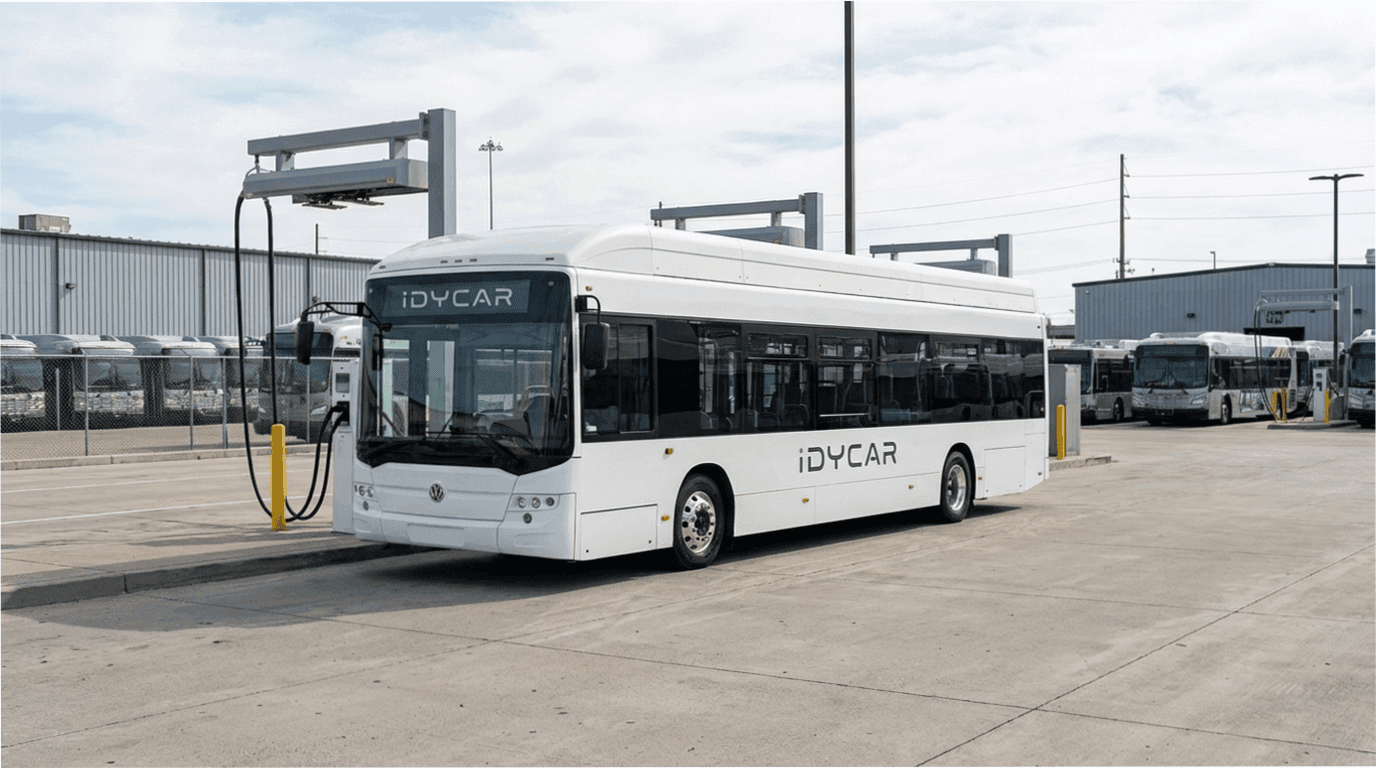
Volkswagen Halts Imports of Its Electric Bus to the U.S. Next Year
Policy uncertainty, rising costs, and weaker demand force Volkswagen to pause its electric bus expansion
22.12.2025 18:03
Why Ford Couldn’t Replicate Tesla’s EV Success
The electric F-150 impressed on paper but failed to meet the expectations set by Tesla
22.12.2025 18:47
Trump Points to Japan’s ‘Cute’ Tiny Cars as a Solution to Soaring Vehicle Costs
14.12.2025 17:12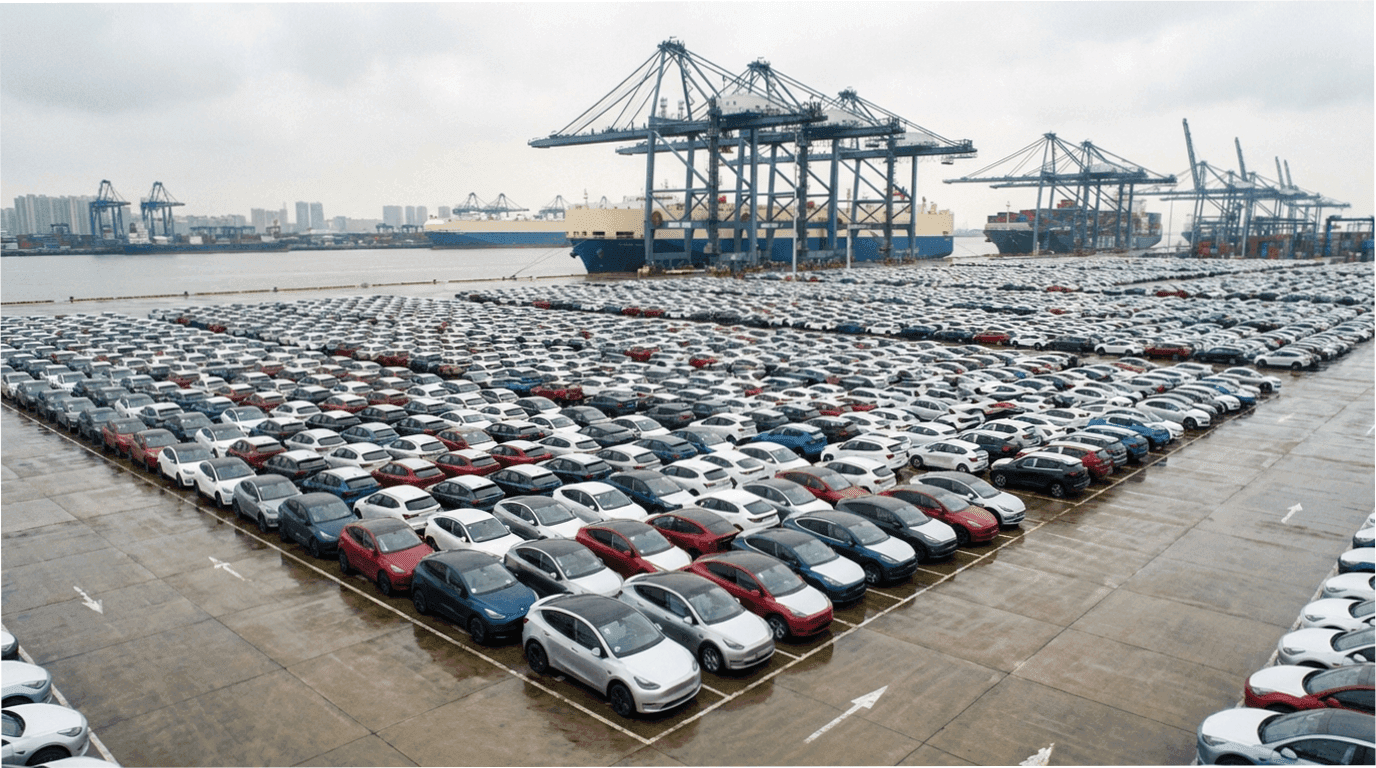
China’s Auto Sales Decline for a Second Month, but Exports Hit Record Highs
09.12.2025 16:05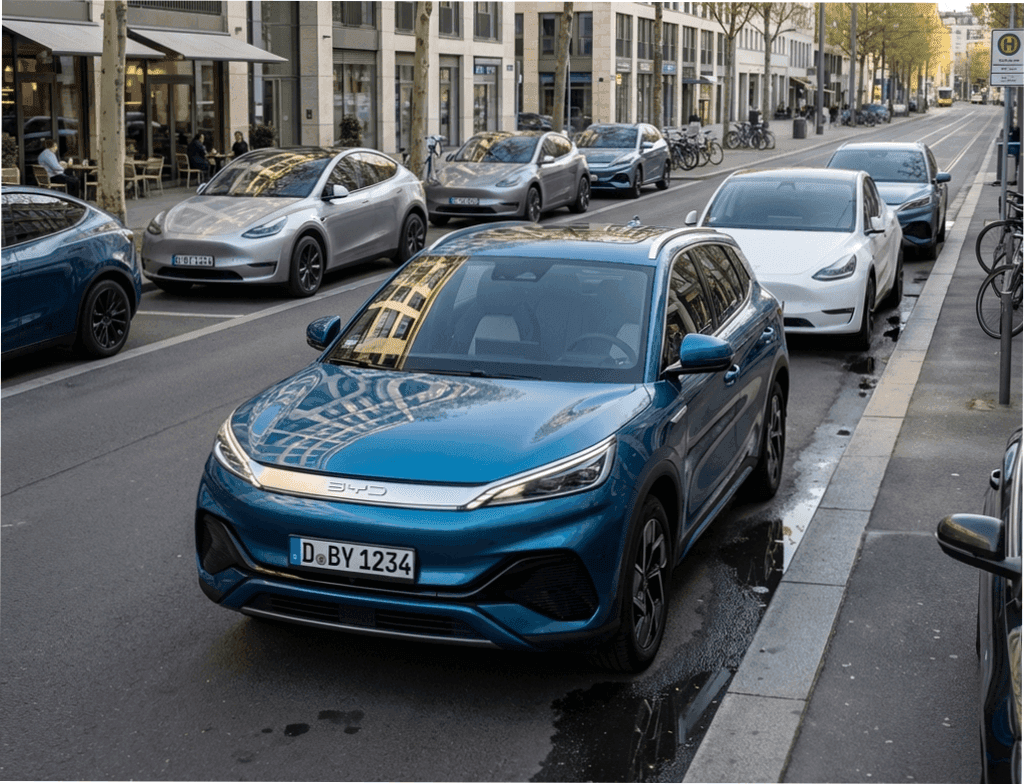
BYD’s European Sales Surge as Chinese Automakers Expand Across the Continent
02.12.2025 17:11