Why Ford Couldn’t Replicate Tesla’s EV Success
The electric F-150 impressed on paper but failed to meet the expectations set by Tesla
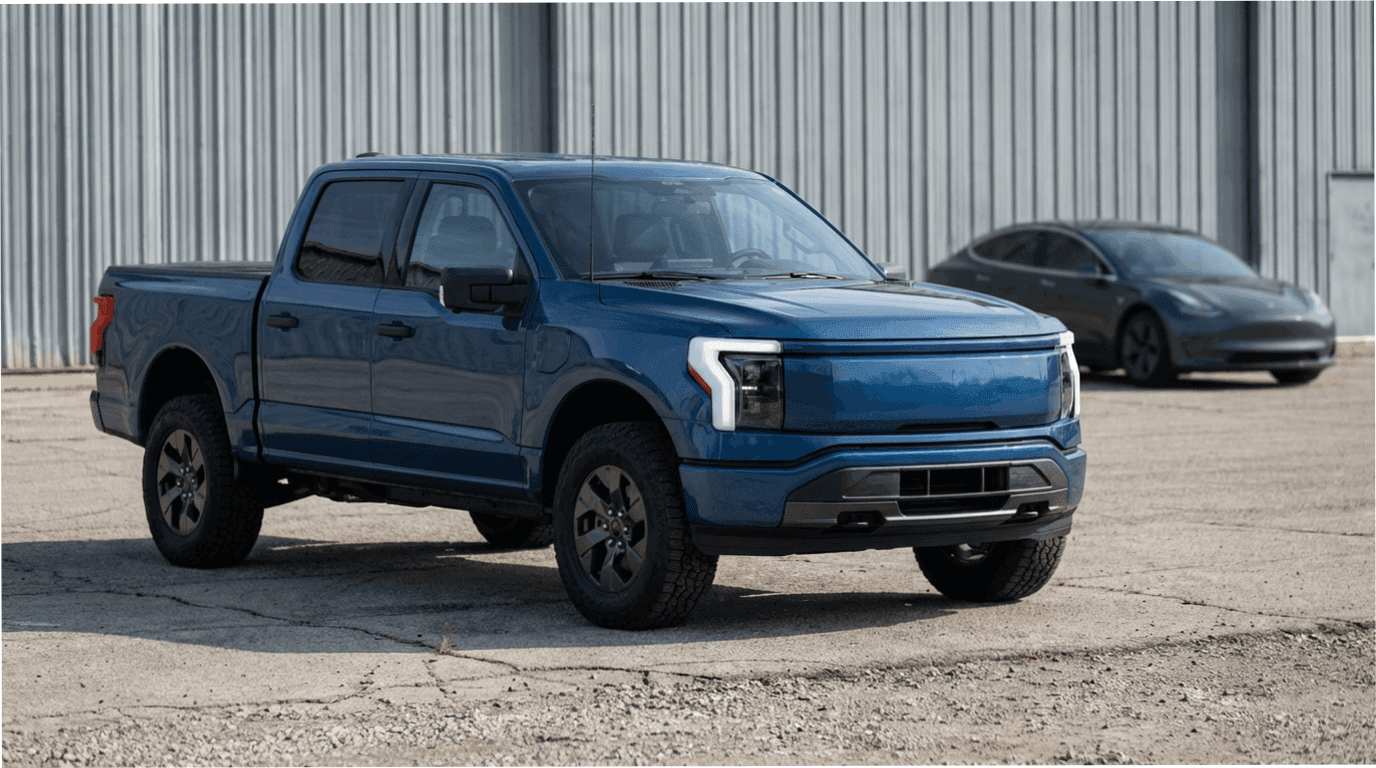
When Ford unveiled the all-electric F-150 Lightning, it was widely described as a turning point for electric vehicles in America. An electric version of the best-selling pickup truck seemed like the perfect formula to challenge Tesla’s dominance and bring EVs into the mainstream heartland. On paper, the Lightning delivered strong performance, impressive towing numbers, and innovative features.
Yet only a few years later, the electric F-150 has joined a growing list of Tesla challengers that failed to live up to the hype. The truck wasn’t a technical failure — it was an expectations failure.
The F-150 Lightning Was Never “Just Another EV”
Unlike most electric vehicles, the Lightning carried enormous symbolic weight. The F-150 is not simply a pickup — it is a cultural and commercial institution in the United States. By electrifying it, Ford set expectations far beyond those faced by a typical EV launch.
Consumers expected the Lightning to be everything the gas-powered F-150 was — powerful, reliable, affordable, and versatile — while also matching Tesla’s reputation for cutting-edge software, charging ease, and long-term innovation. That combination proved difficult to deliver at scale.
Where Tesla’s Advantage Still Holds
Tesla’s dominance has never been about horsepower alone. Its advantage lies in a tightly integrated ecosystem: software updates, charging infrastructure, energy efficiency, and a clear EV-first identity. Ford, by contrast, approached electrification as an extension of a legacy business rather than a ground-up reinvention.
According to U.S. electric vehicle adoption data, buyers consistently rank charging access, range confidence, and software experience as top decision factors — areas where Tesla continues to outperform most traditional automakers.
The Expectations Trap
The Lightning launched into a storm of bold claims and viral demonstrations, including powering homes and outperforming gas trucks in drag races. These moments created enormous buzz, but they also raised expectations to a level that left little room for real-world trade-offs.
Range loss while towing, higher-than-expected prices, limited early production, and inconsistent availability all clashed with the image of a seamless electric upgrade. For many buyers, the Lightning felt like a compromise rather than a revelation.
Legacy Automakers Face Structural Limits
Ford’s challenge was not engineering competence — it was organizational gravity. Legacy automakers must balance existing dealer networks, supply chains, regulatory exposure, and profit centers built around combustion engines. Tesla does not.
As a result, Ford’s EV strategy often pulled in multiple directions at once. Investment flowed into electric platforms while the company simultaneously defended its gas and hybrid business. That tension made it harder to commit fully to the EV experience customers increasingly expect.
The Market Has Become Less Forgiving
Early EV adopters were willing to tolerate imperfections. Today’s buyers are not. As electric vehicles move closer to the mainstream, consumers compare them not to other EVs, but to the best vehicles they’ve ever owned — regardless of powertrain.
At the same time, shifting regulations and evolving efficiency rules, including updates to Corporate Average Fuel Economy (CAFE) standards, have altered the incentives for automakers to push EVs aggressively at any cost.
Why Tesla Still Sets the Benchmark
Tesla’s strength lies in consistency. Its vehicles may not appeal to everyone, but the company has never wavered in its EV-first strategy. That clarity allows Tesla to shape expectations rather than chase them.
Ford’s Lightning, by contrast, tried to satisfy too many narratives at once: work truck, tech showcase, mass-market EV, and Tesla killer. In doing so, it became vulnerable to disappointment when reality inevitably fell short of the promise.
Conclusion
The Ford F-150 Lightning did not fail because it was a bad vehicle. It failed because it entered the market carrying expectations that no legacy automaker EV has yet been able to meet. Tesla’s “magic” is not a single feature — it is the result of focus, integration, and years of EV-only execution.
For Ford and other traditional automakers, the lesson is clear: competing with Tesla requires more than electrifying an icon. It requires redefining the entire ownership experience from the ground up.
More from News
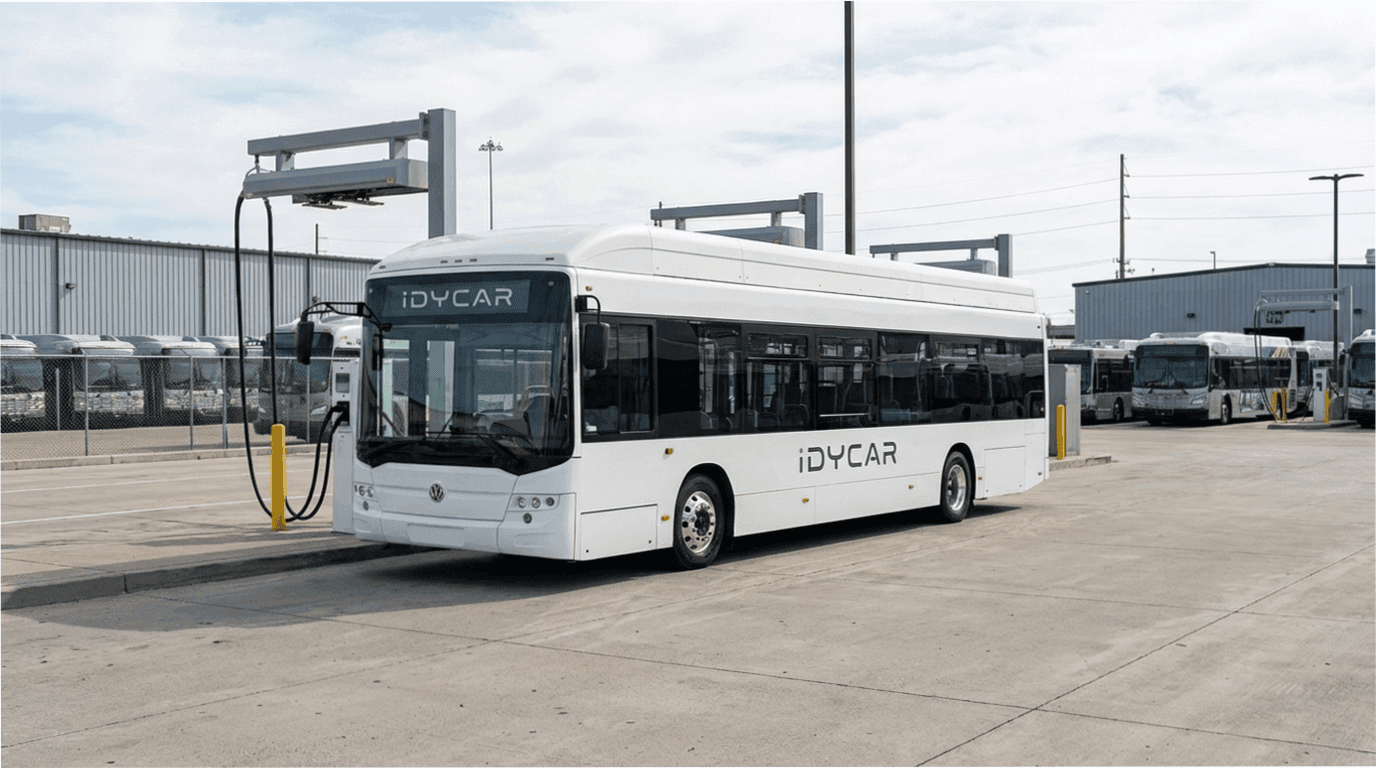
Volkswagen Halts Imports of Its Electric Bus to the U.S. Next Year
Policy uncertainty, rising costs, and weaker demand force Volkswagen to pause its electric bus expansion
22.12.2025 18:03
Why Tesla’s Latest Earnings Report Is a Warning Sign — And What It Means for the EV Market
02.12.2025 17:19
Trump Points to Japan’s ‘Cute’ Tiny Cars as a Solution to Soaring Vehicle Costs
14.12.2025 17:12
China’s Auto Sales Decline for a Second Month, but Exports Hit Record Highs
09.12.2025 16:05
BYD’s European Sales Surge as Chinese Automakers Expand Across the Continent
02.12.2025 17:11