Ford Shatters Recall Record — 12.9 Million Vehicles in 2025 Alone
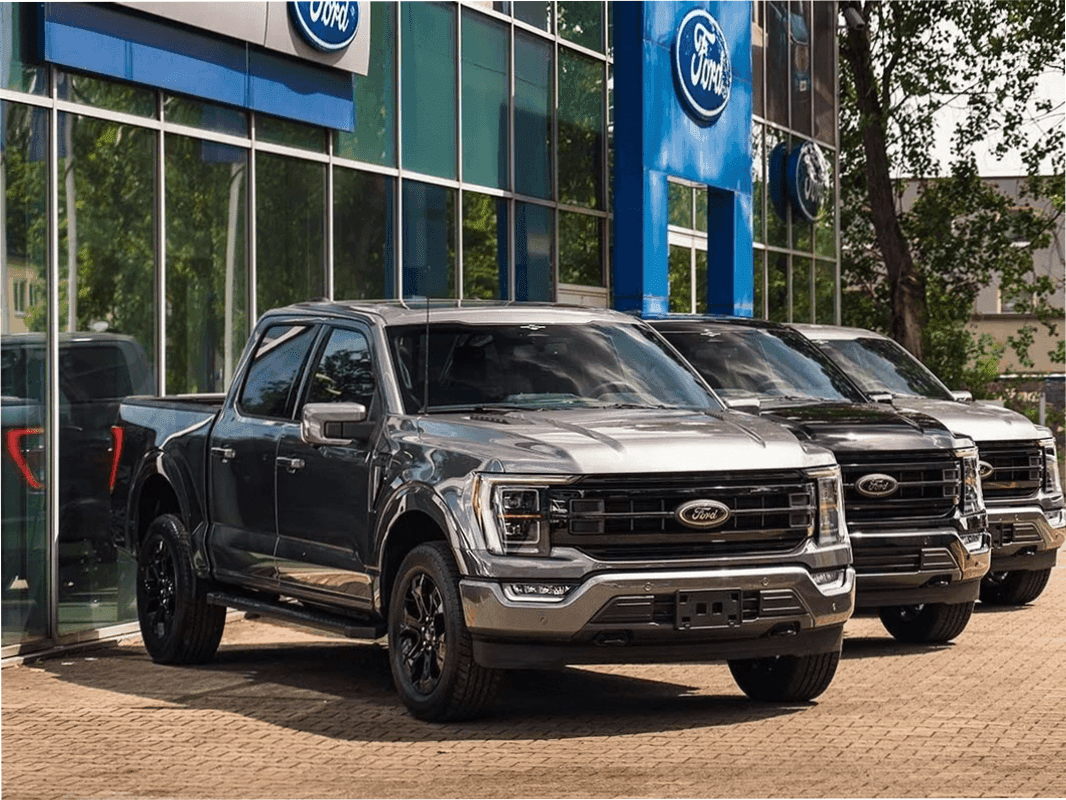
Ford Motor Company closed out 2025 with an unprecedented tally: 153 separate safety recalls affecting nearly 12.93 million vehicles in the United States (including Lincoln models). This figure not only tops the industry but shatters the previous single-year record of 77 recalls set by General Motors in 2014. For perspective, Ford's total impacted vehicles exceeded the combined recall volume of the next nine largest automakers.
The surge reflects a combination of aggressive defect identification, lingering issues from older production runs (particularly 2015–2020 models), and a focus on rearview camera systems that dominated the headlines.
Why the Numbers Are So High
Ford's recall count averaged roughly one every 2.4 days throughout the year — translating to about 35,400 vehicles added to recall lists daily. Many campaigns stemmed from software glitches, electrical faults, and component wear that only became apparent after years of real-world use. A key factor was heightened scrutiny following a 2024 NHTSA consent order and $165 million fine related to delayed rearview camera recalls, which prompted deeper audits and proactive reporting.
Ford executives have described the high volume as part of a broader quality overhaul — including expanded safety teams, AI-driven defect detection, and stricter supplier oversight — aimed at preventing future issues. Warranty costs reportedly declined in 2025 despite the activity, and many fixes were delivered via over-the-air (OTA) updates.
The Dominant Issue: Rearview Camera Failures
Rearview (backup) camera problems accounted for a massive portion of the total affected vehicles — roughly 4 million across multiple overlapping campaigns.
Common symptoms included:
- Distorted, intermittent, or completely blank images when shifting into reverse.
- Failure to display the required rearview feed, violating FMVSS 111 (rear visibility standard).
- Persistent display after reversing, or delayed activation.
Major campaigns included:
- A September recall affecting over 1.45 million units (various 2015–2020 models like Explorer, Mustang, Escape, Fusion, and more).
- An October action impacting another 1.45 million vehicles with similar software/display faults.
- Smaller but related fixes for trucks, vans, and SUVs where cameras failed intermittently or after prior incomplete repairs.
In most cases, dealers performed inspections, software reprogramming, or full camera/module replacements at no cost.
Other Significant Recalls
Beyond cameras, Ford addressed a diverse range of safety concerns across its lineup.
Notable examples include:
- Loss of park function — Over 272,000 units (2022–2026 F-150 Lightning, 2024–2026 Mustang Mach-E, 2025–2026 Maverick) where the integrated park module could fail to engage, risking unintended rollaway.
- Headlight/turn signal failures — Around 45,000 Mustang Mach-E models with faulty light driver control modules.
- Fuel system and electrical issues — Cracked injectors, low-pressure fuel pump failures, and wiring shorts that could lead to stalling or fire risks.
- Detached components — Instrument panel covers, liftgate hinge covers, or trim pieces that could separate during driving or airbag deployment.
Many of these involved newer electrified models (Lightning, Mach-E) alongside traditional gas-powered trucks and SUVs.
How This Compares to the Rest of the Industry
Ford's dominance was stark. Toyota ranked second in volume with about 3.2 million vehicles across just 15 campaigns (often large but fewer in number). Stellantis followed with 53 recalls and roughly 2.8 million units. Honda, Hyundai, and others trailed far behind in both count and scale.
High recall numbers don't always signal poor reliability — they can indicate proactive safety management. Still, Ford's 2025 performance drew significant attention, with the company emphasizing that many issues trace back to older designs now being fully remediated.
What Owners Should Do
If you own a Ford or Lincoln vehicle from recent years:
1. Visit the official NHTSA recall lookup (nhtsa.gov/recalls) or Ford's owner site and enter your VIN immediately — don't wait for mailed notices.
2. Schedule free dealer service promptly, especially for camera, park, or electrical concerns.
3. For OTA-eligible fixes (common in newer models), ensure your vehicle is connected and check for pending updates.
Ford has stressed that all recall repairs remain free, and the company continues investing heavily to turn the corner on quality. While 2025 marked a historic low point for recall stats, the hope is that these efforts will yield safer, more dependable vehicles in the years ahead.
More from News
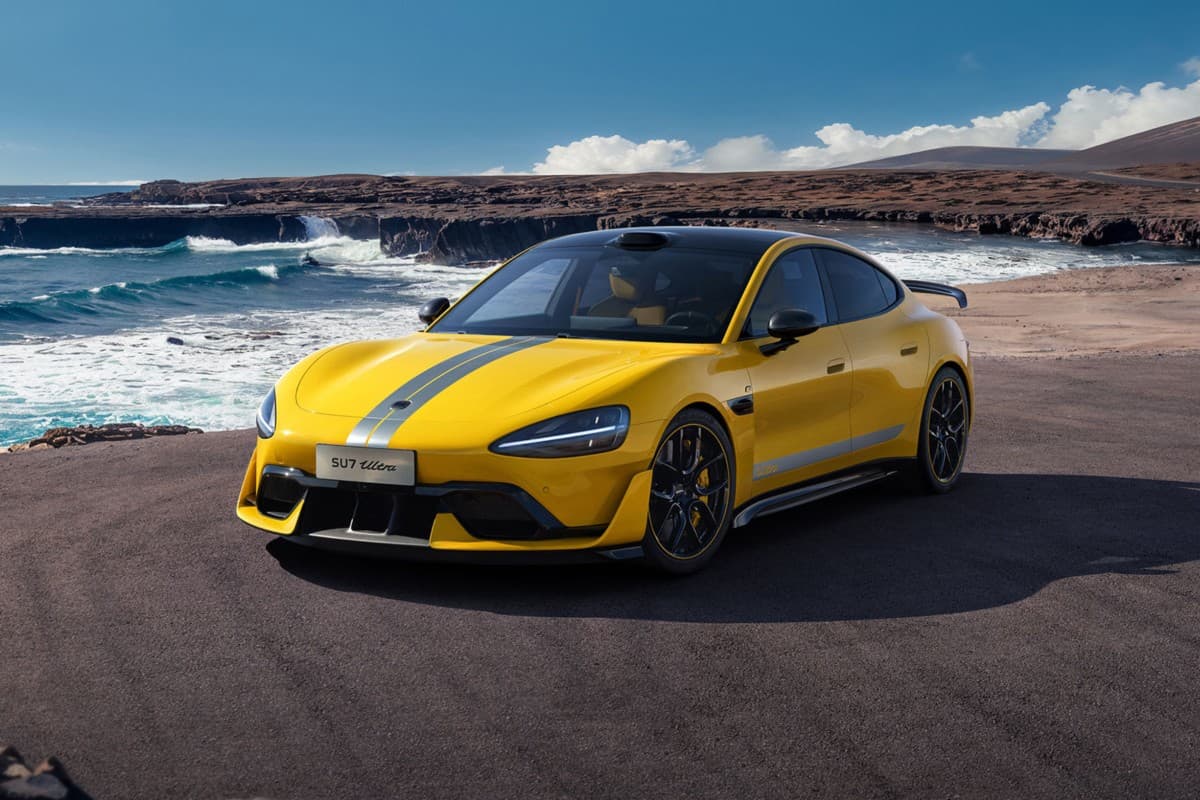
Chinese EVs Flooding North America? Xiaomi SU7, BYD & More Coming
07.01.2026 14:22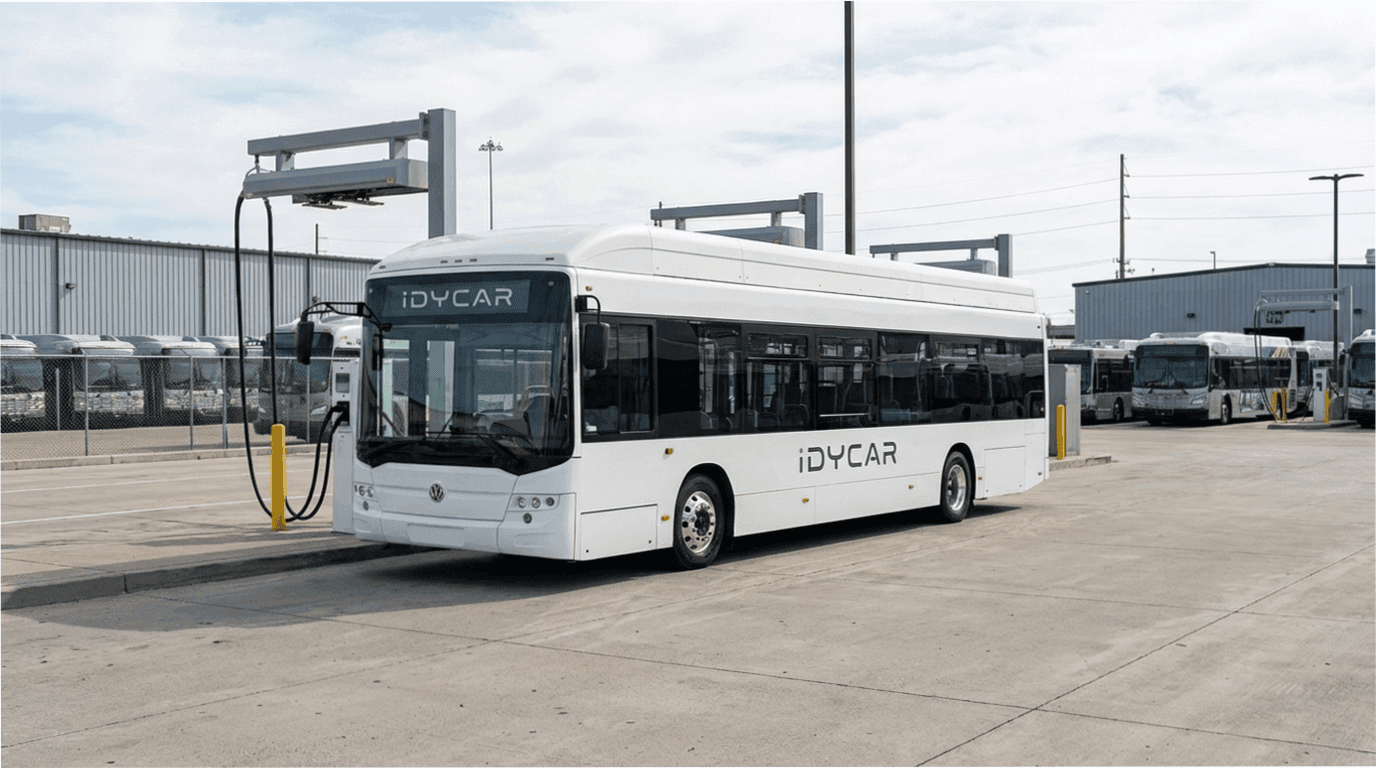
Volkswagen Halts Imports of Its Electric Bus to the U.S. Next Year
Policy uncertainty, rising costs, and weaker demand force Volkswagen to pause its electric bus expansion
22.12.2025 18:03
Ram TRX Returns with 777hp Supercharged V8 — Muscle Truck Wars Heat Up
07.01.2026 17:24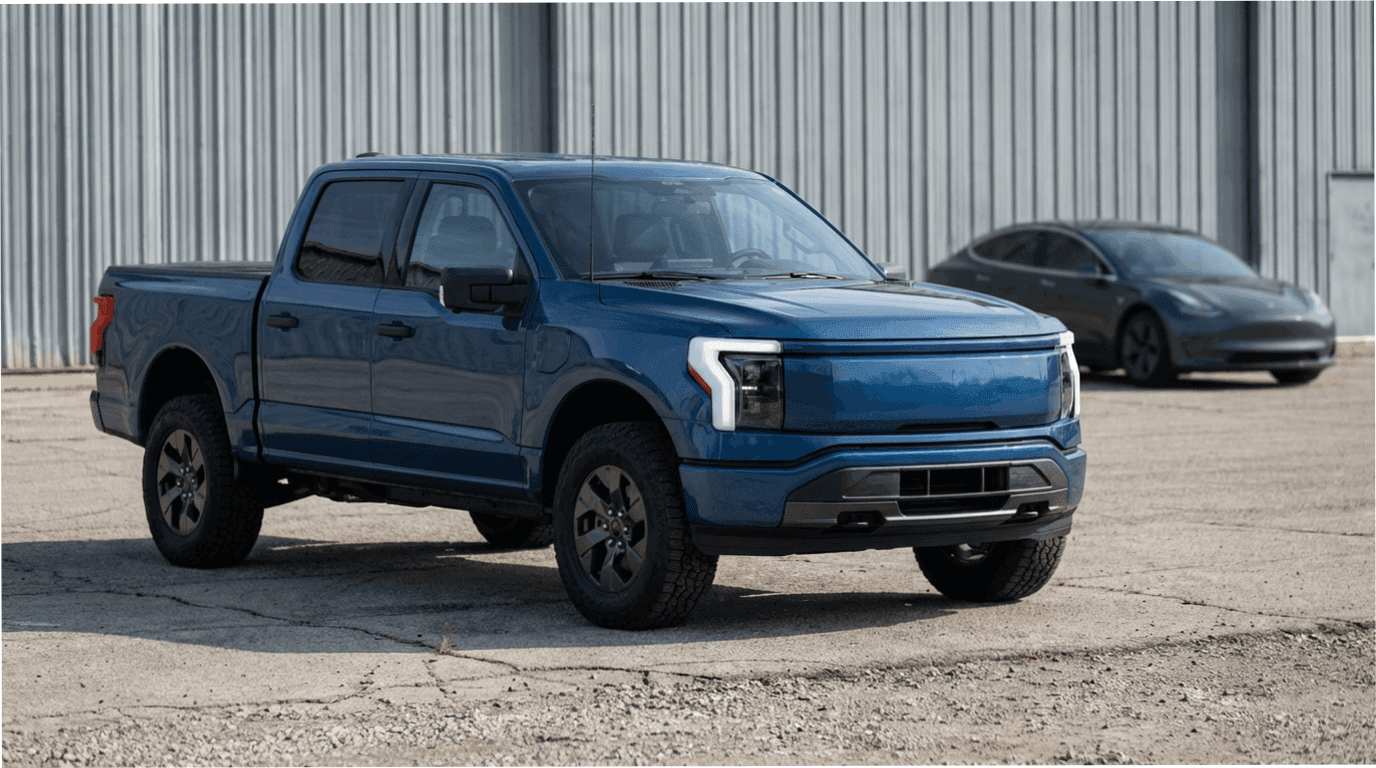
Why Ford Couldn’t Replicate Tesla’s EV Success
The electric F-150 impressed on paper but failed to meet the expectations set by Tesla
22.12.2025 18:47
Hyundai & Kia Recall Over 1 Million Vehicles — What’s Actually Failing?
08.01.2026 15:40