Stellantis cancels its plug-in hybrid lineup
Stellantis has made a bold and unexpected decision by discontinuing its entire traditional plug-in hybrid (PHEV) lineup in North America. The move affects iconic models that once dominated the segment, marking a significant pivot in the company's approach to vehicle electrification.
The Models Affected by the Decision
The discontinuation targets the core PHEV offerings that defined Stellantis' presence in the electrified market:
Jeep Wrangler 4xe — Long celebrated as the best-selling plug-in hybrid in the U.S. market, combining legendary off-road capability with electric torque and modest all-electric range.
Jeep Grand Cherokee 4xe — A more refined and family-oriented SUV that brought plug-in technology to the premium midsize segment.
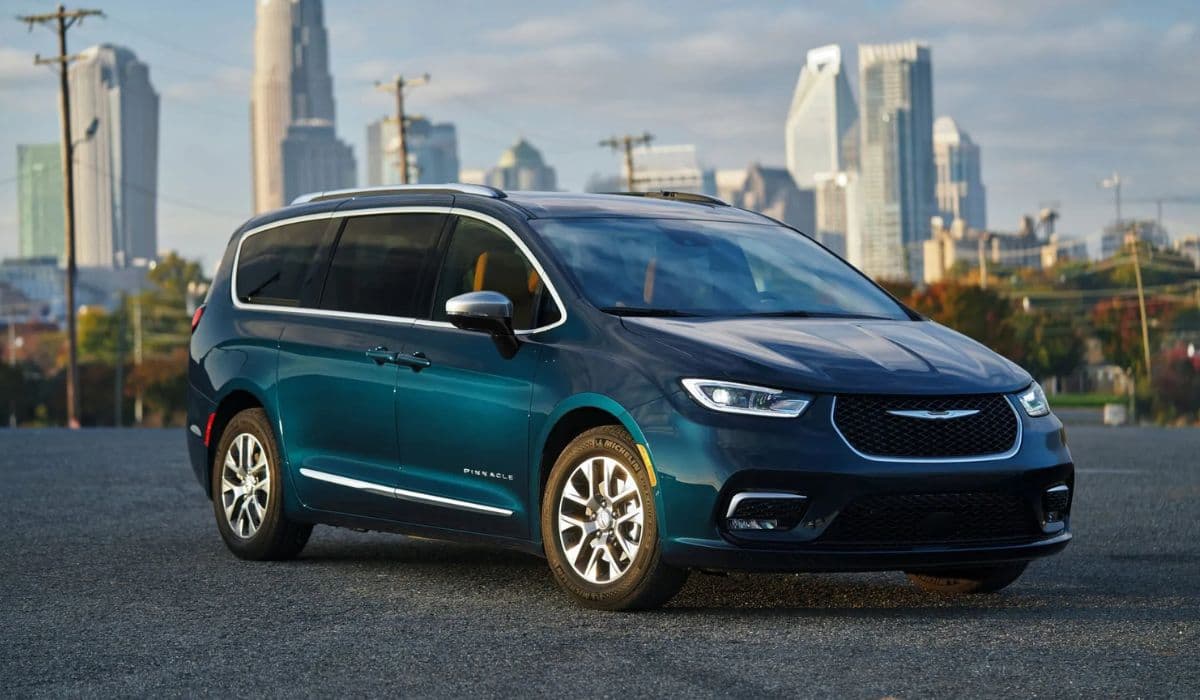
Chrysler Pacifica Hybrid — The pioneering minivan that offered exceptional fuel efficiency for large families and commercial users.
Additional PHEV variants across other brands, such as the Alfa Romeo Tonale and Dodge Hornet, had already faced earlier phase-outs or suspensions, completing the full withdrawal from conventional plug-in hybrid architecture.
Key Reasons Behind the Sudden Change
Several converging factors explain this strategic reversal:
Shifting customer preferences — Many buyers showed limited interest in regularly charging their vehicles, diminishing the real-world benefits of plug-in capability.
Quality and reliability challenges — Multiple high-profile recalls affected the Jeep 4xe lineup, including battery overheating concerns and engine-related issues, which eroded consumer confidence.
Regulatory landscape evolution — Relaxed federal fuel economy requirements and the removal of certain incentives reduced the compliance value that PHEVs once provided for manufacturers with heavy truck and SUV portfolios.
Market realities in North America — Traditional non-plug-in hybrids have demonstrated stronger, more consistent demand compared to plug-in solutions that require infrastructure many drivers simply don't utilize.
Stellantis emphasized that the decision stems from a continuous evaluation of product strategy to better align with real-world customer needs.
What Stellantis Is Moving Toward Instead
Rather than abandoning electrification entirely, the company is redirecting resources toward more practical and appealing alternatives:
Conventional (non-plug-in) hybrids — Systems that deliver meaningful efficiency gains without any charging requirement, as seen in the newly introduced hybrid-only Jeep Cherokee.
Range-extended electric vehicles (EREVs) — Advanced setups where a gasoline engine acts purely as a generator to recharge the battery, while electric motors handle all wheel drive — offering electric driving feel with virtually unlimited range.
Full battery-electric vehicles — Continued investment in models that prioritize pure electric propulsion for urban and performance-focused customers.
Upcoming highlights include range-extended versions of premium SUVs and full-size pickups, designed to combine the best aspects of electric driving with traditional long-distance confidence.
Implications for Jeep Enthusiasts and Brand Identity
The Wrangler 4xe had built a loyal following among off-roaders who appreciated the instant torque from the electric motor on technical trails. Its discontinuation raises questions about how Jeep will maintain that electrified edge in future models.
While the 4xe badge is not disappearing forever — it will live on in range-extended applications — the shift away from traditional PHEV architecture signals a more pragmatic path forward. Enthusiasts may find the upcoming range-extended platforms deliver comparable or even superior performance characteristics, especially in sustained off-road scenarios where battery depletion has been a limitation.
Broader Industry Context and What Comes Next
This move reflects a wider recalibration across the automotive sector. As full-electric adoption faces headwinds from infrastructure gaps, charging anxiety, and economic factors, many manufacturers are rediscovering the appeal of simpler hybrid technologies.
Stellantis positions itself as flexible, offering a spectrum of solutions from pure internal combustion to advanced hybrids, range-extended systems, and battery-electric vehicles. The strategy aims to maximize efficiency while minimizing ownership friction — a formula that appears increasingly attractive in today's market.
By stepping away from complex plug-in systems that proved challenging to perfect, Stellantis is betting on propulsion technologies that deliver tangible benefits to the broadest possible audience. The coming years will reveal whether this pivot restores momentum and positions the company's diverse brands for long-term success in an ever-evolving landscape.
More from News
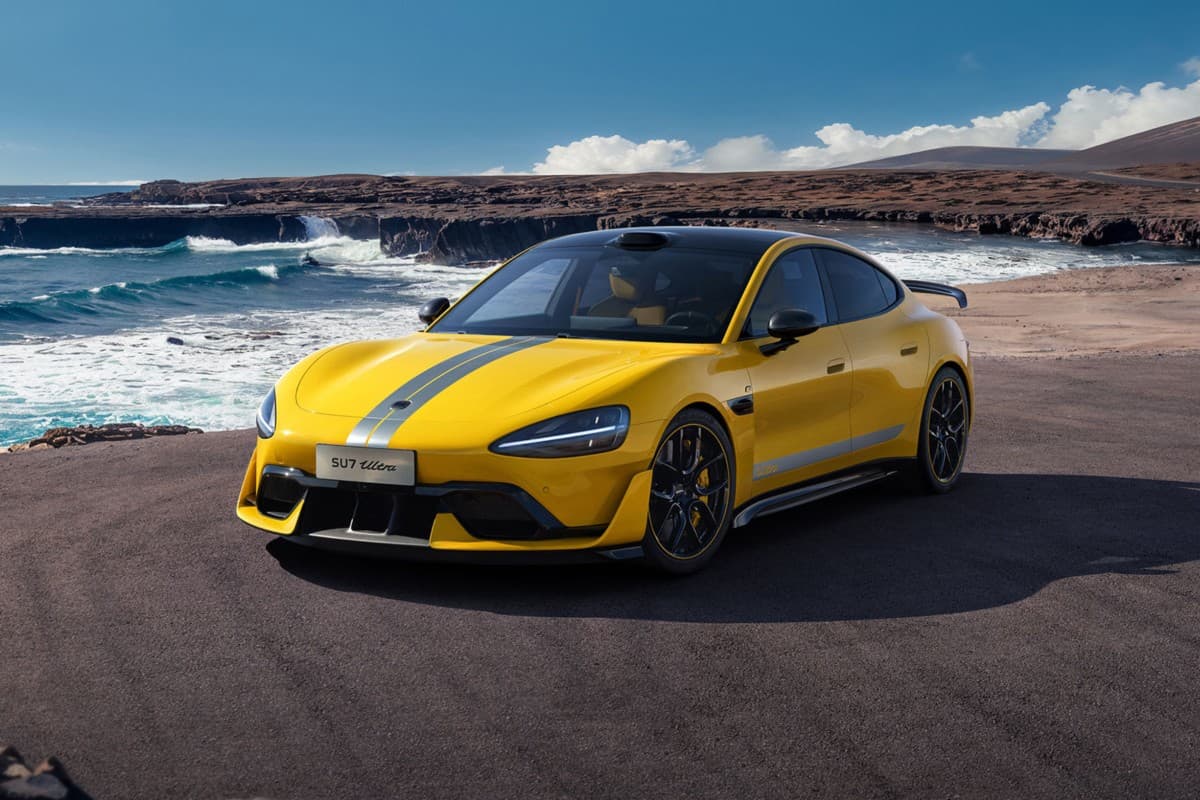
Chinese EVs Flooding North America? Xiaomi SU7, BYD & More Coming
07.01.2026 14:22
Ram TRX Returns with 777hp Supercharged V8 — Muscle Truck Wars Heat Up
07.01.2026 17:24
Why Ford Couldn’t Replicate Tesla’s EV Success
The electric F-150 impressed on paper but failed to meet the expectations set by Tesla
22.12.2025 18:47
Ford Shatters Recall Record — 12.9 Million Vehicles in 2025 Alone
08.01.2026 15:52
Hyundai & Kia Recall Over 1 Million Vehicles — What’s Actually Failing?
08.01.2026 15:40