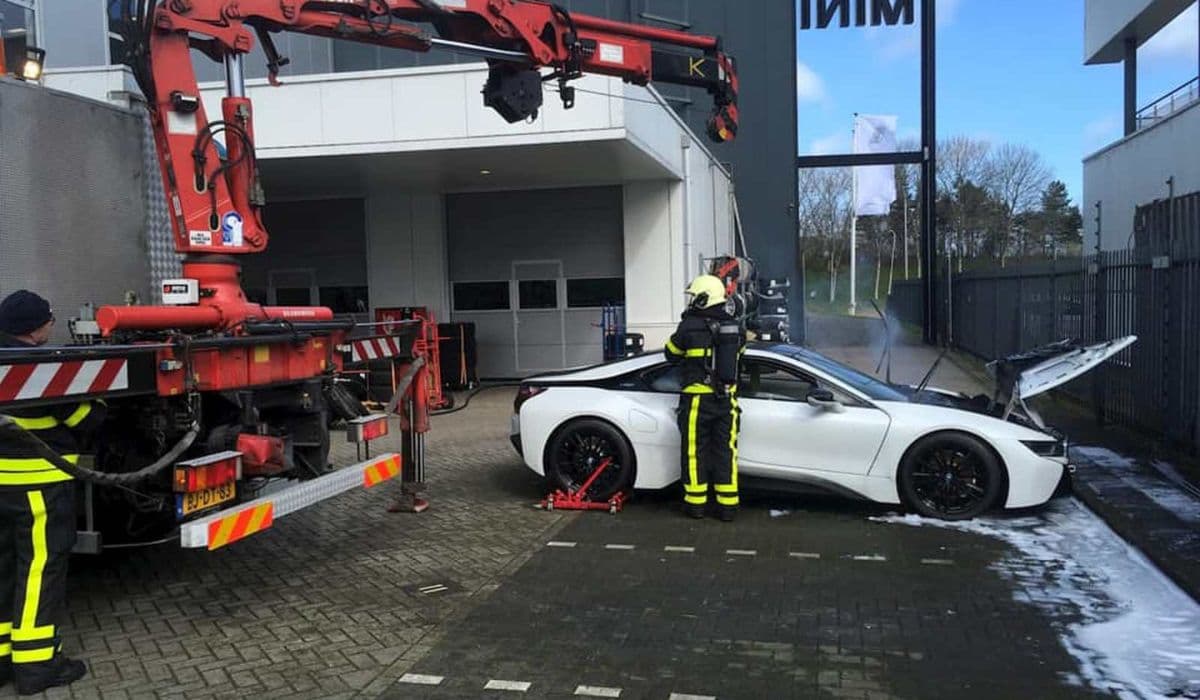
Air suspension luxury vs frequent compressor failures BMW
BMW has long been synonymous with driving pleasure, blending performance with refined comfort. One feature that elevates this experience in many flagship models is air suspension. This advanced system promises a plush ride and adaptive handling, but it comes with a notable drawback: recurring issues with the air compressor. Owners often grapple with the allure of supreme luxury against the reality of potential reliability concerns.
The Allure of Air Suspension in BMW Vehicles
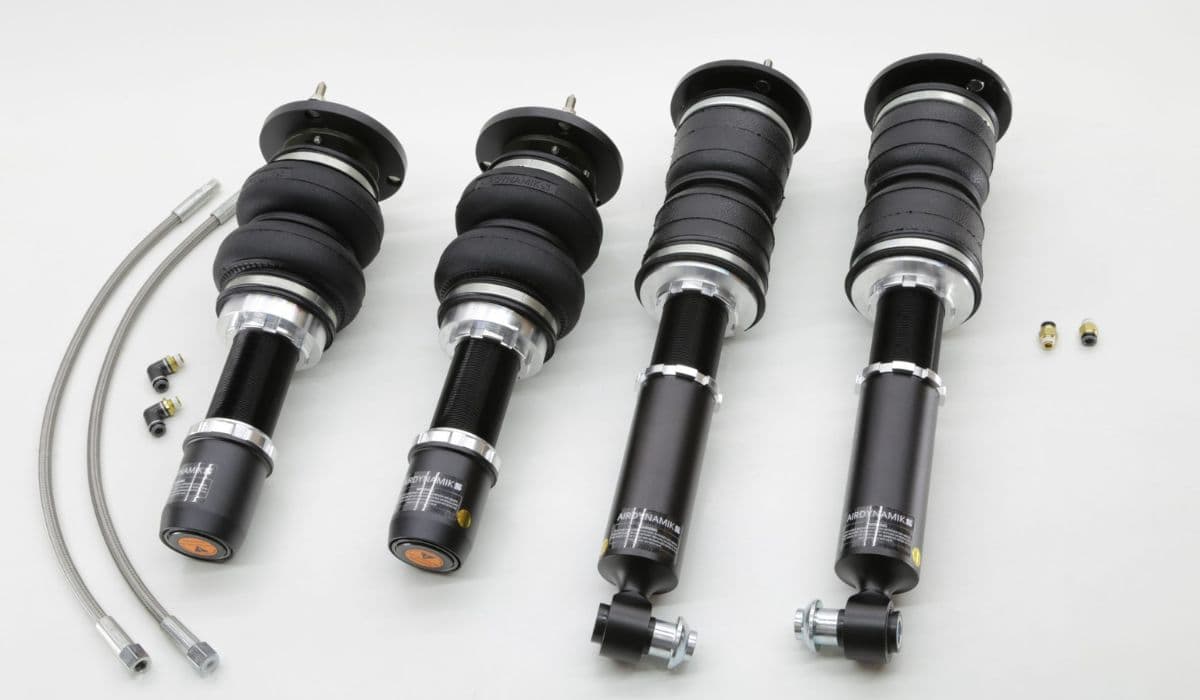
Air suspension replaces traditional steel springs with inflatable air bags, controlled by an electronic system. This setup allows the vehicle to maintain a consistent ride height regardless of load, while offering adjustable settings for different driving modes.
Key advantages include:
Exceptional ride comfort, as air bags absorb road imperfections more effectively than coil springs, creating a floating-like sensation over bumps.
Improved handling through automatic adjustments that reduce body roll during cornering and enhance stability at higher speeds.
Self-leveling capability, which keeps the vehicle balanced even when carrying heavy passengers or cargo, preventing the rear from sagging.
Versatile ride height options, allowing drivers to raise the vehicle for off-road clearance or lower it for better aerodynamics and easier entry.
In models like the X5, X7, and 7 Series, where air suspension is standard or optional, it contributes significantly to the luxurious feel that defines BMW's higher-end offerings. The system integrates seamlessly with adaptive dampers, providing a tailored experience from serene cruising to spirited driving.
Understanding the Air Suspension System
To appreciate the trade-offs, it's essential to grasp how the system operates. At its core is the air compressor, often located in the trunk or under the vehicle, which generates pressurized air. This air fills the bags at each wheel, while height sensors monitor the vehicle's stance and signal the control module to make adjustments.
Supporting components include:
Air springs (the bags themselves), made of durable rubber that flexes with road conditions.
Valve blocks that distribute air precisely to individual corners.
A dryer unit to remove moisture from incoming air, preventing internal corrosion.
The closed-loop design aims for efficiency, drawing in minimal outside air and recycling it. When functioning optimally, the compressor activates briefly and quietly, only as needed. This sophistication delivers the luxury BMW owners expect, but it also introduces complexity compared to simpler coil-spring setups.
Common Compressor Failures: A Persistent Issue
Despite the engineering prowess, the air compressor emerges as a frequent point of failure in BMW air suspension systems. Many owners report problems surfacing after moderate mileage, turning a premium feature into a source of frustration.
Typical symptoms of compressor trouble include:
Unusual noises, such as grinding or excessive humming when the system activates.
The vehicle sagging overnight or on one side, as the compressor struggles to rebuild pressure.
Warning messages on the dashboard indicating suspension faults or restricted driving modes.
Prolonged running times, where the compressor labors continuously without fully leveling the car.
These issues are particularly noted in popular models equipped with rear or all-wheel air suspension, where the compressor bears the brunt of maintaining balance under varying loads.
Root Causes Behind Frequent Compressor Failures
Compressor breakdowns rarely occur in isolation. Several interconnected factors contribute to their premature wear.
Primary triggers often involve:
Undetected leaks in air bags or lines, forcing the compressor to overwork by constantly compensating for lost pressure.
Moisture ingress, which damages internal seals and pistons, especially if the dryer becomes saturated.
Wear on piston rings or cylinder walls from extended operation, leading to reduced output despite the motor running.
Electrical glitches, such as faulty relays or wiring, causing intermittent power supply and strain.
Small leaks from aging rubber components create a vicious cycle: the compressor runs more frequently, heats up, and eventually burns out. Environmental factors like road salt or extreme temperatures accelerate degradation, making proactive monitoring crucial for longevity.
Balancing Luxury Benefits Against Reliability Concerns
The debate centers on whether the opulent ride justifies the risk of compressor issues. For many, the answer is yes—the adaptive comfort and poise transform daily drives and long journeys into effortless experiences.
Yet, the reliability side cannot be ignored:
Compressor failures disrupt the self-leveling magic, resulting in a harsher, uneven ride until addressed.
Intermittent problems can strand owners with a lowered vehicle, limiting drivability.
The system's interdependence means one weak link affects the whole, potentially leading to cascading repairs.
Enthusiasts argue that with vigilant ownership, these drawbacks are manageable. Regular inspections for leaks and timely part replacements can preserve the system's integrity far longer.
Strategies to Mitigate Compressor Problems
Owners can take steps to extend compressor life and enjoy the luxury without constant worry.
Effective approaches include:
Listening for early signs like increased activation frequency or subtle sagging.
Using diagnostic tools to scan for fault codes and pinpoint leaks before they escalate.
Protecting the system from harsh conditions, such as avoiding deep water or extreme cold where possible.
Considering aftermarket upgrades designed for enhanced durability in high-stress components.
Many find that addressing minor issues promptly prevents major compressor overhauls. The key is viewing maintenance as part of the luxury ownership experience rather than an unwelcome burden.
The air suspension in BMW vehicles embodies the brand's commitment to innovative comfort, delivering a ride quality that steel springs struggle to match. However, the frequent compressor failures highlight the compromises inherent in such advanced technology. For those who prioritize supreme luxury and are prepared for attentive care, it remains a worthwhile feature. Ultimately, it underscores the delicate balance between cutting-edge refinement and real-world dependability in modern automotive engineering.
More from Bmw
BMW 3 Series hybrid: Smooth but battery integration quirks
20.12.2025 19:25
BMW Plastic degradation issues: Vents, dash, and brittle parts
20.12.2025 19:20
BMW J.D. Power: Below average initial quality but improving
20.12.2025 19:16
BMW iX/i4 high-voltage shutdown recalls
20.12.2025 19:11
BMW B58 engine: Still the most reliable powertrain
20.12.2025 18:30