BMW J.D. Power: Below average initial quality but improving
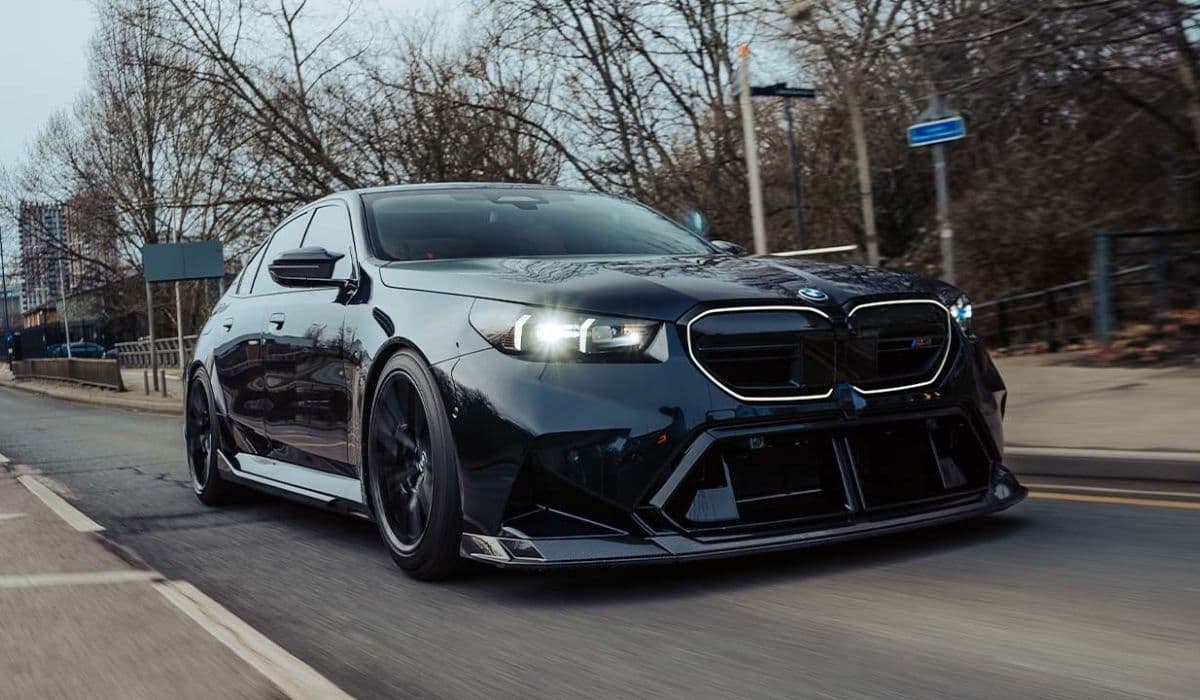
BMW has long been synonymous with driving pleasure, engineering precision, and luxury innovation. However, when it comes to initial quality as measured by J.D. Power studies, the Bavarian brand often finds itself in a nuanced position—typically below the industry average yet showing consistent signs of progress.
Understanding J.D. Power Initial Quality Study
The J.D. Power U.S. Initial Quality Study (IQS) is one of the most respected benchmarks in the automotive industry. It surveys thousands of new vehicle owners after 90 days of ownership, focusing on problems encountered across multiple categories.
These include:
Infotainment systems
Features and controls
Exterior and interior fit
Powertrain performance
Driving assistance technologies
Climate control
The score is expressed as problems per 100 vehicles (PP100)—lower numbers indicate better quality. While the study highlights early ownership experiences, it also reflects how well manufacturers integrate complex modern technologies without frustrating buyers.
For luxury brands like BMW, packed with advanced features, achieving top scores can be challenging compared to mainstream vehicles with simpler setups.
BMW's Position in Recent IQS Rankings
In recent editions of the IQS, BMW has hovered around or slightly below the industry average. Owners report issues primarily in areas like infotainment and connectivity, where cutting-edge screens and software dominate.
Yet, there's a clear upward trajectory. Recent data shows BMW reducing the number of reported problems compared to prior surveys, moving closer to the average despite an industry-wide increase in complexity-related complaints.
This places BMW ahead of several German rivals, underscoring its relative strength in the premium segment. While not leading the pack—often dominated by brands with fewer tech-heavy features—BMW's scores reflect ongoing refinements in assembly and software integration.
Key Areas of Challenge for BMW Owners
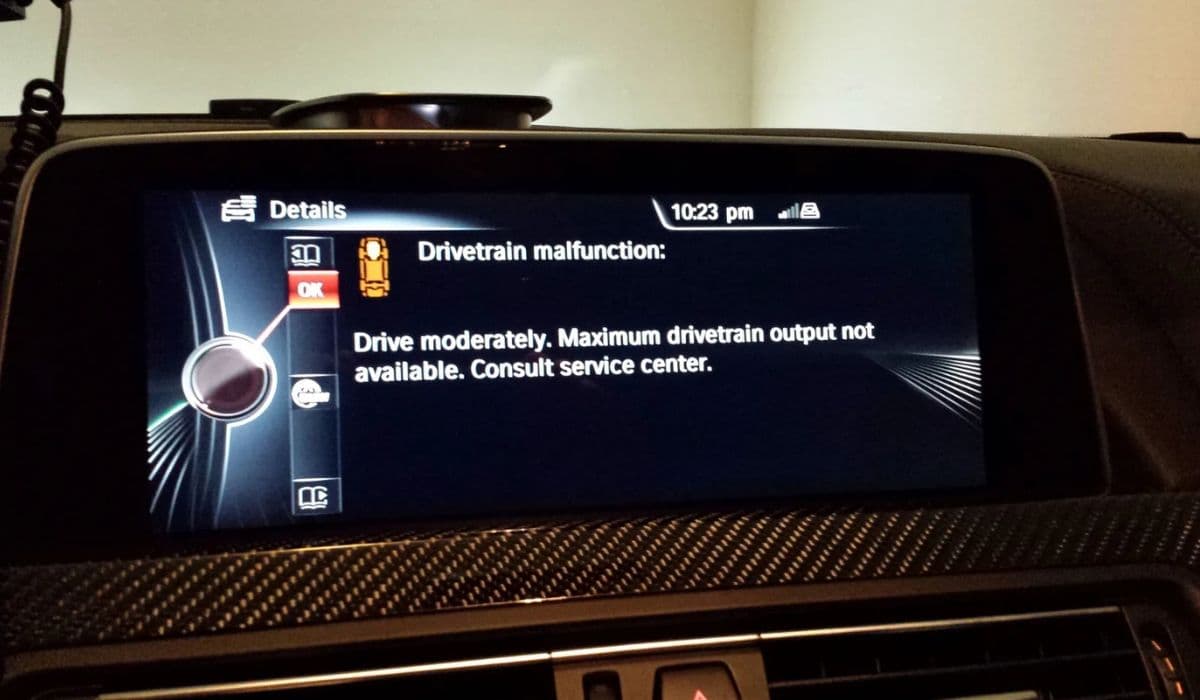
Initial quality issues for BMW vehicles frequently stem from the brand's ambitious technology adoption. Large curved displays, gesture controls, and sophisticated driver aids enhance the experience but can lead to early glitches.
Common owner feedback includes:
Connectivity hiccups with smartphones
Occasional software bugs in iDrive systems
Sensitivity in advanced safety features
Minor fit-and-finish quirks in high-tech interiors
These are not typically major mechanical failures but rather usability concerns that arise as owners familiarize themselves with the vehicle's capabilities. Luxury buyers expect seamless integration, and any deviation stands out more prominently.
Interestingly, plug-in hybrids and electric models across the industry, including BMW's, tend to report higher problem rates due to dual powertrain complexities.
Bright Spots: Segment Winners and Improvements
Despite overall rankings, BMW consistently excels in specific segments, earning top honors for individual models.
Standout performers often include:
Compact premium cars like the 2 Series
Midsize sedans such as the 5 Series
SUVs in categories like upper midsize and large premium
These victories highlight BMW's engineering prowess in core driving dynamics—handling, power delivery, and chassis balance—where owners report fewer issues.
Moreover, manufacturing plants contributing to BMW vehicles have received prestigious plant quality awards, recognizing low defect rates in production. Year-over-year reductions in PP100 scores demonstrate tangible progress, with BMW outpacing some competitors in improvement rates.
This trend suggests that investments in quality control and supplier partnerships are paying off, even as the brand pushes boundaries with electrification and digital interfaces.
The Broader Context: Luxury vs. Mainstream Quality
One critical insight from J.D. Power data is the gap between luxury and mainstream brands. Premium vehicles generally experience significantly more initial problems—often due to denser feature sets and innovative materials.
BMW embodies this: its vehicles prioritize performance, design, and technology over absolute simplicity. Owners accept a trade-off for the engaging drive and status that define the brand.
In long-term dependability studies (Vehicle Dependability Study), BMW often performs stronger among premium marques, indicating that many initial quirks resolve quickly through updates or owner adaptation.
As BMW transitions toward more electric models with streamlined architectures, fewer moving parts could further bolster future quality scores.
What This Means for Potential BMW Buyers
For those considering a BMW, J.D. Power results paint a realistic picture: expect a thrilling ownership experience with possible early tech-related adjustments, but also meaningful improvements over time.
The brand's focus on driver engagement remains unmatched, and ongoing quality enhancements signal commitment to addressing feedback.
Enthusiasts value BMW not just for flawlessness but for the joy it delivers on the road—qualities that surveys like IQS capture only partially.
With continued progress evident in recent studies, BMW is poised to narrow the gap further, balancing innovation with reliability in an increasingly competitive landscape.
More from Bmw
BMW iX/i4 high-voltage shutdown recalls
20.12.2025 19:11
BMW B58 engine: Still the most reliable powertrain
20.12.2025 18:30
BMW Starter motor fire risk recall: 145K+ vehicles affected
20.12.2025 18:26
BMW X3 interior quality drop and tire noise complaints
20.12.2025 18:23
BMW vs Lexus reliability gap narrowing
20.12.2025 18:19