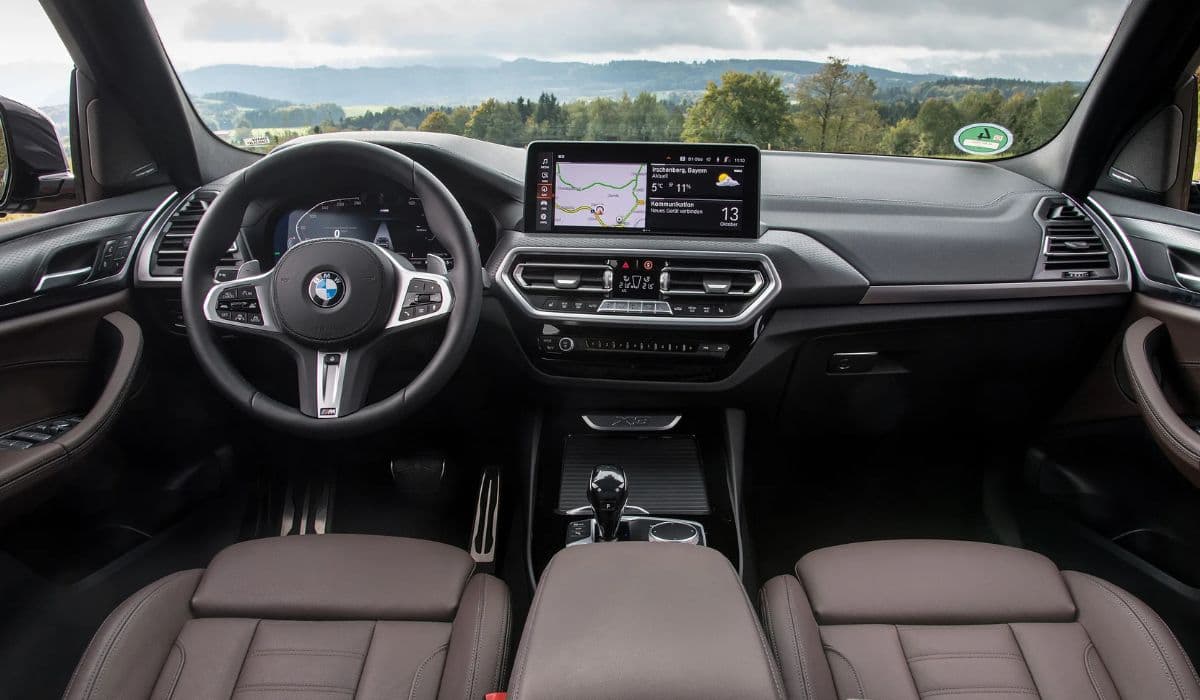
BMW 3 Series hybrid: Smooth but battery integration quirks
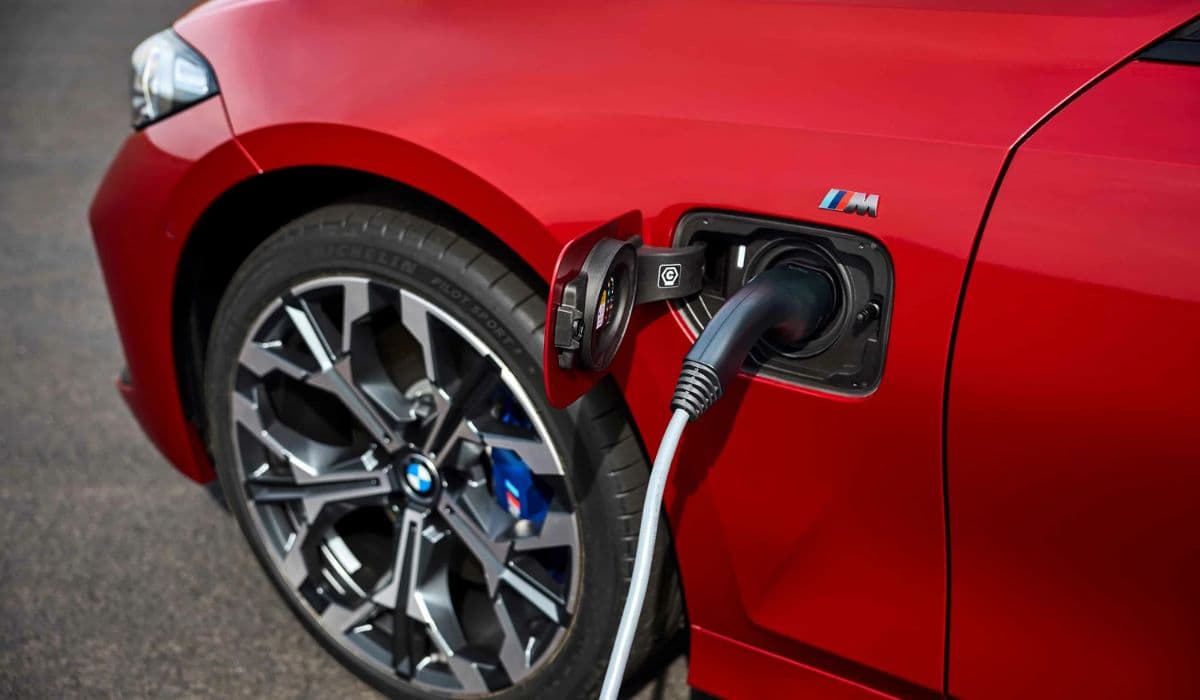
The BMW 3 Series has long been the benchmark for compact executive sedans, blending sharp handling with refined performance. Its plug-in hybrid variant takes this formula further by integrating electric assistance, delivering effortless power delivery and quiet operation in everyday driving. Yet, while the hybrid system enhances smoothness in many scenarios, the way the battery is incorporated introduces some practical compromises that potential owners should consider.
Seamless Powertrain Integration and Driving Refinement
One of the standout qualities of the BMW 3 Series hybrid is how effortlessly the gasoline engine and electric motor work together. The system switches between electric-only mode, hybrid operation, and pure combustion power with minimal interruption, creating a remarkably refined driving experience.
Transitions feel nearly invisible, avoiding the jerky shifts common in some hybrids.
Electric torque provides instant response from standstill, making urban maneuvering feel effortless.
On highways, the combined output delivers strong acceleration without strain, while cabin noise remains impressively low.
This level of polish makes the hybrid feel like a natural evolution of the traditional 3 Series, preserving the engaging steering and balanced chassis that enthusiasts expect. The eight-speed automatic transmission plays a key role here, blending power sources smoothly for a cohesive feel whether cruising quietly on battery power or pushing harder in sportier modes.
The Advantages of Electric Assistance
Incorporating a plug-in hybrid setup brings tangible benefits to the driving dynamics. The electric motor adds low-end torque that complements the turbocharged engine, resulting in quicker responses and a more relaxed demeanor in traffic.
Silent electric mode transforms short trips into serene experiences, ideal for city commutes.
Regenerative braking recaptures energy efficiently, extending range without aggressive pedal feel in most situations.
Overall ride quality often feels plusher than non-hybrid variants, thanks to the added weight low in the chassis improving stability.
Drivers frequently note how the hybrid system elevates the 3 Series beyond its gasoline siblings—quicker off the line, quieter at speed, and more composed over imperfections. This integration shines brightest when the battery is charged, turning routine drives into something more efficient and enjoyable.
Battery Placement and Practical Compromises
While the powertrain blending is exemplary, the physical integration of the battery pack introduces quirks that affect everyday usability. To maintain the rear-wheel-drive layout and near-perfect weight distribution, BMW positions the battery strategically, but this comes at a cost.
Trunk space is noticeably reduced compared to standard models, limiting capacity for larger items or family luggage.
The fuel tank is smaller to accommodate components, potentially requiring more frequent stops on longer journeys without charging.
Raised boot floor creates an uneven loading surface, making it trickier to slide in heavy or bulky objects.
These trade-offs stem from prioritizing handling balance over outright practicality. The battery's low placement helps keep the center of gravity down, aiding agility, but it forces compromises in cargo versatility that pure gasoline versions avoid entirely.
Handling the Extra Weight in Dynamic Driving
The hybrid's additional mass from the battery and motor is managed cleverly, but it isn't invisible during enthusiastic driving. BMW engineers have tuned the suspension to counter the weight, yet some characteristics emerge on twisty roads.
Body control remains impressive, with minimal lean thanks to the low-mounted battery.
Steering precision stays sharp, maintaining the 3 Series' reputation for driver involvement.
However, the extra heft can dull absolute responsiveness compared to lighter siblings, especially in rapid direction changes.
In everyday use, these quirks are subtle, and the hybrid often feels more planted than expected. Adaptive suspension options help mitigate any firmness, allowing the car to absorb bumps while retaining composure.
Real-World Ownership Nuances
Living with the BMW 3 Series hybrid reveals a mix of delights and minor annoyances tied to its electrified nature. Charging routines become part of the rhythm, unlocking the full potential of silent, efficient motoring.
Home charging transforms short daily drives into near-zero-emission runs.
Hybrid mode intelligently manages power for optimal efficiency on mixed routes.
Brake pedal blending between regeneration and friction can feel inconsistent at low speeds, requiring slight adaptation.
Owners appreciate the versatility—electric for errands, hybrid for longer trips—but note that forgetting to plug in diminishes the advantages, turning it into a heavier version of the standard car.
The BMW 3 Series hybrid excels at delivering a polished, effortless driving experience that builds on the model's legendary status. Its seamless power delivery and quiet refinement make it a compelling choice for those seeking efficiency without sacrificing enjoyment. However, the battery's integration brings practical quirks, particularly around cargo space and added weight, that remind drivers of the compromises involved in hybridization. For many, the smoothness and versatility outweigh these drawbacks, creating a uniquely capable executive sedan.
More from Bmw
BMW Plastic degradation issues: Vents, dash, and brittle parts
20.12.2025 19:20
BMW J.D. Power: Below average initial quality but improving
20.12.2025 19:16
BMW iX/i4 high-voltage shutdown recalls
20.12.2025 19:11
BMW B58 engine: Still the most reliable powertrain
20.12.2025 18:30
BMW Starter motor fire risk recall: 145K+ vehicles affected
20.12.2025 18:26