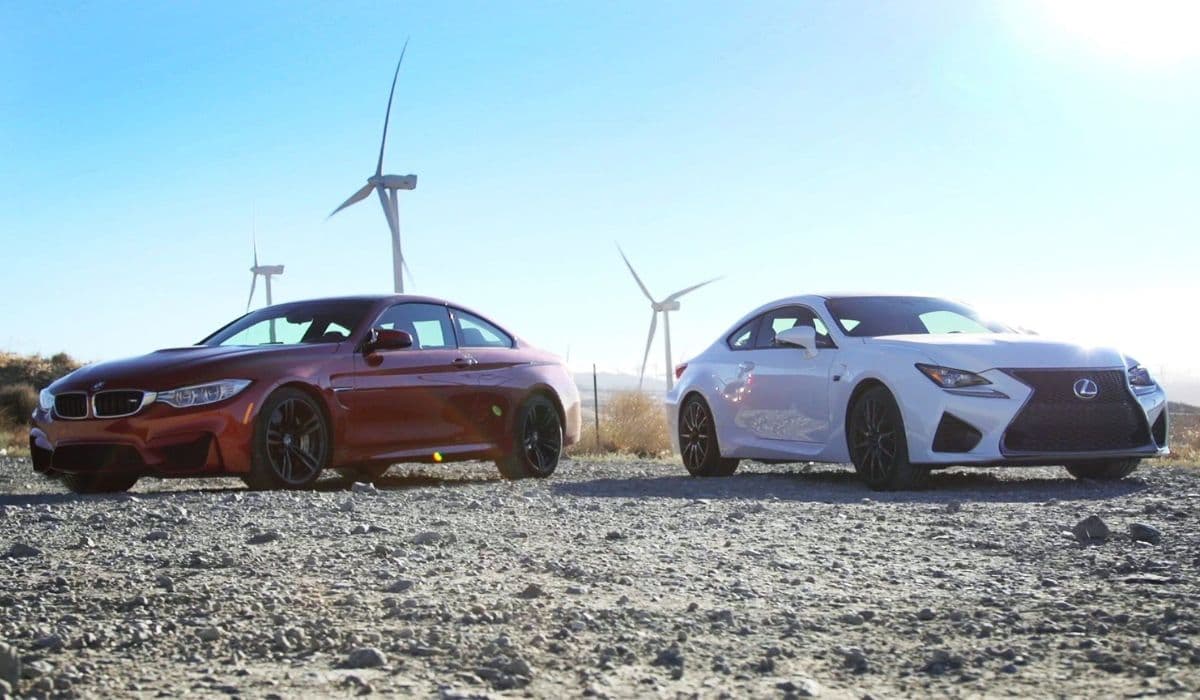
BMW Plastic degradation issues: Vents, dash, and brittle parts
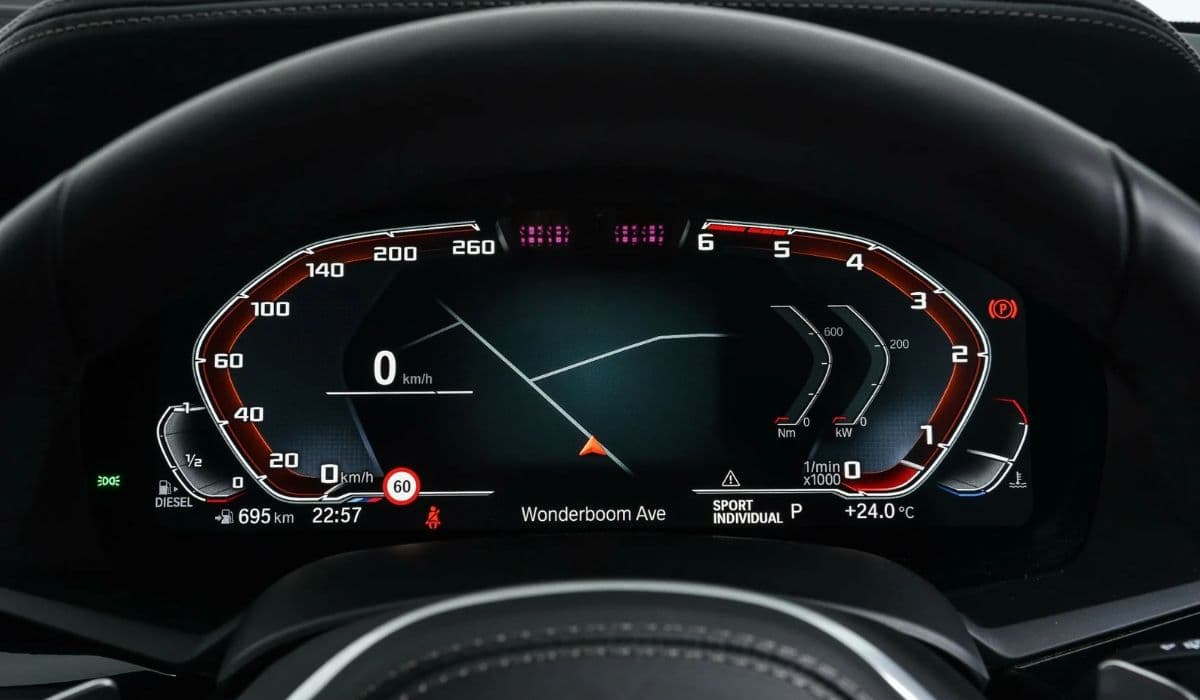
BMW vehicles have long been celebrated for their engineering excellence, performance, and premium feel. However, one persistent complaint among owners, especially those with models from the 2000s and early 2010s, revolves around the degradation of interior plastics. Over time, components like air vents, dashboard trim, and other hard plastic parts become brittle, cracked, or discolored. This issue affects the overall luxury experience and can lead to costly repairs. In this article, we explore the causes, common symptoms, affected models, and practical solutions for BMW plastic degradation.
Understanding the Root Causes of Plastic Degradation
The primary culprit behind brittle plastics in BMW interiors is UV exposure combined with heat cycling. Interior plastics are often made from ABS (acrylonitrile butadiene styrene) or PC/ABS blends, which are durable but susceptible to environmental stress.
UV Radiation: Sunlight passing through the windshield accelerates photodegradation, breaking down polymer chains and causing yellowing or cracking.
Thermal Stress: Repeated heating and cooling cycles inside the cabin cause micro-cracks to form, especially in high-stress areas like vents and dashboard edges.
Chemical Exposure: Cleaning agents, leather conditioners, or even skin oils can degrade plasticizers over time, making surfaces dry and brittle.
Material Formulation: Early formulations prioritized rigidity and cost over long-term UV stability, unlike modern additives that include better stabilizers.
These factors combine over years of ownership, turning once-smooth surfaces into fragile, spiderweb-cracked components.
Common Affected Areas and Symptoms
Owners frequently notice the following areas showing the worst degradation:
Air Vents: The adjustable louvers and surrounding trim become extremely brittle, often breaking off when adjusted or cleaned. Cracks radiate from screw points or high-stress edges.
Dashboard Trim: Upper dashboard panels develop a powdery white residue or fine cracks that spread quickly. The glossy finish dulls and turns chalky.
Center Console and Door Panels: Hard plastic inserts crack along seams or become discolored, sometimes flaking when touched.
Door Handle Surrounds and Switch Bezels: These high-touch areas show wear first, with plastics turning brittle and prone to shattering.
Steering Column Covers and Trim: Exposed to constant hand contact, these parts develop a sticky or cracked texture.
Symptoms typically include:
Cracking or spiderwebbing visible under direct light
Parts feeling unusually light or hollow
Pieces snapping off with minimal force
Discoloration ranging from yellowing to grayish fading
Models Most Prone to Plastic Degradation
While the problem appears across various generations, certain BMW series stand out for widespread complaints:
E46 3 Series (1998–2006): Early models suffer heavily, especially dashboards and vents.
E90/E91/E92/E93 3 Series (2005–2013): Mid-cycle refreshes improved slightly, but pre-facelift cars show significant wear.
E60/E61 5 Series (2003–2010): Known for brittle center console trim and dashboard panels.
E65/E66 7 Series (2001–2008): Extensive use of hard plastics leads to widespread cracking.
E83 X3 (2003–2010) and E53 X5 (1999–2006): Off-road-oriented models still experience cabin plastic issues due to heat and UV.
Newer F-series and G-series models have largely addressed this with improved materials and UV-resistant coatings, though some owners still report minor issues in extreme climates.
Why This Issue Persists in Premium Vehicles
Despite BMW's reputation for quality, the choice of hard plastics in interiors was driven by design priorities. Glossy, rigid surfaces provided a premium aesthetic and durability in new condition, but long-term stability was secondary. Competitors like Mercedes-Benz and Audi also faced similar complaints in the same era, though BMW interiors often used fewer soft-touch materials in key areas.
The issue is not unique to BMW, but the brand’s emphasis on sporty, minimalist design exposed more plastic to sunlight and touch, accelerating wear. Owners who park outdoors in sunny regions or live in hot climates experience degradation much faster.
Practical Solutions and Restoration Options
Fortunately, BMW owners have several ways to address degraded plastics without full replacement:
UV Protectant Sprays: Regular application of high-quality protectants (such as those with UV blockers) can slow further degradation. Apply every few months for best results.
DIY Refinishing: Light sanding followed by plastic paint or dye kits can restore color and hide minor cracks. Matte finishes often hide imperfections better than gloss.
Professional Restoration: Specialized services use chemical treatments to recondition brittle plastics, restoring flexibility and appearance without replacement.
OEM or Aftermarket Replacement: For severely damaged vents or trim, genuine BMW parts remain the gold standard, though aftermarket options offer cost-effective alternatives.
Preventive Care: Park in shaded areas, use windshield sunshades, and avoid harsh chemical cleaners to extend plastic life.
Many owners combine these approaches: preventive care to slow progression and targeted restoration for visible damage.
Long-Term Outlook for BMW Interiors
BMW has learned from past feedback, incorporating more durable materials in recent generations. Soft-touch surfaces, better UV stabilizers, and improved coatings have reduced complaints significantly. However, for older models, proactive maintenance remains essential to preserve the interior’s premium feel.
By understanding the science behind plastic degradation and taking timely action, owners can extend the life of their BMW’s cabin and maintain its luxurious character for years to come.
More from Bmw
BMW J.D. Power: Below average initial quality but improving
20.12.2025 19:16
BMW iX/i4 high-voltage shutdown recalls
20.12.2025 19:11
BMW B58 engine: Still the most reliable powertrain
20.12.2025 18:30
BMW Starter motor fire risk recall: 145K+ vehicles affected
20.12.2025 18:26
BMW X3 interior quality drop and tire noise complaints
20.12.2025 18:23